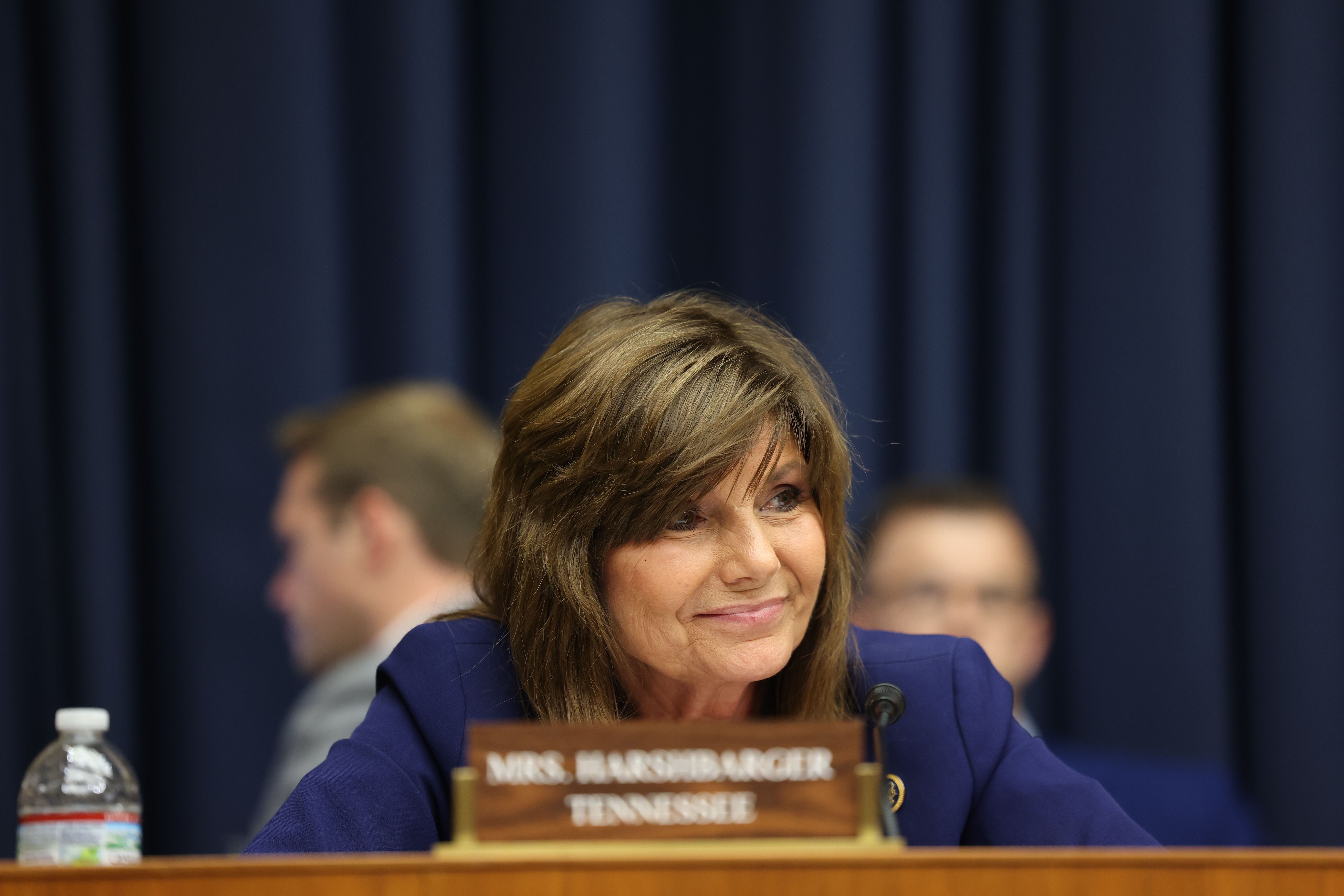
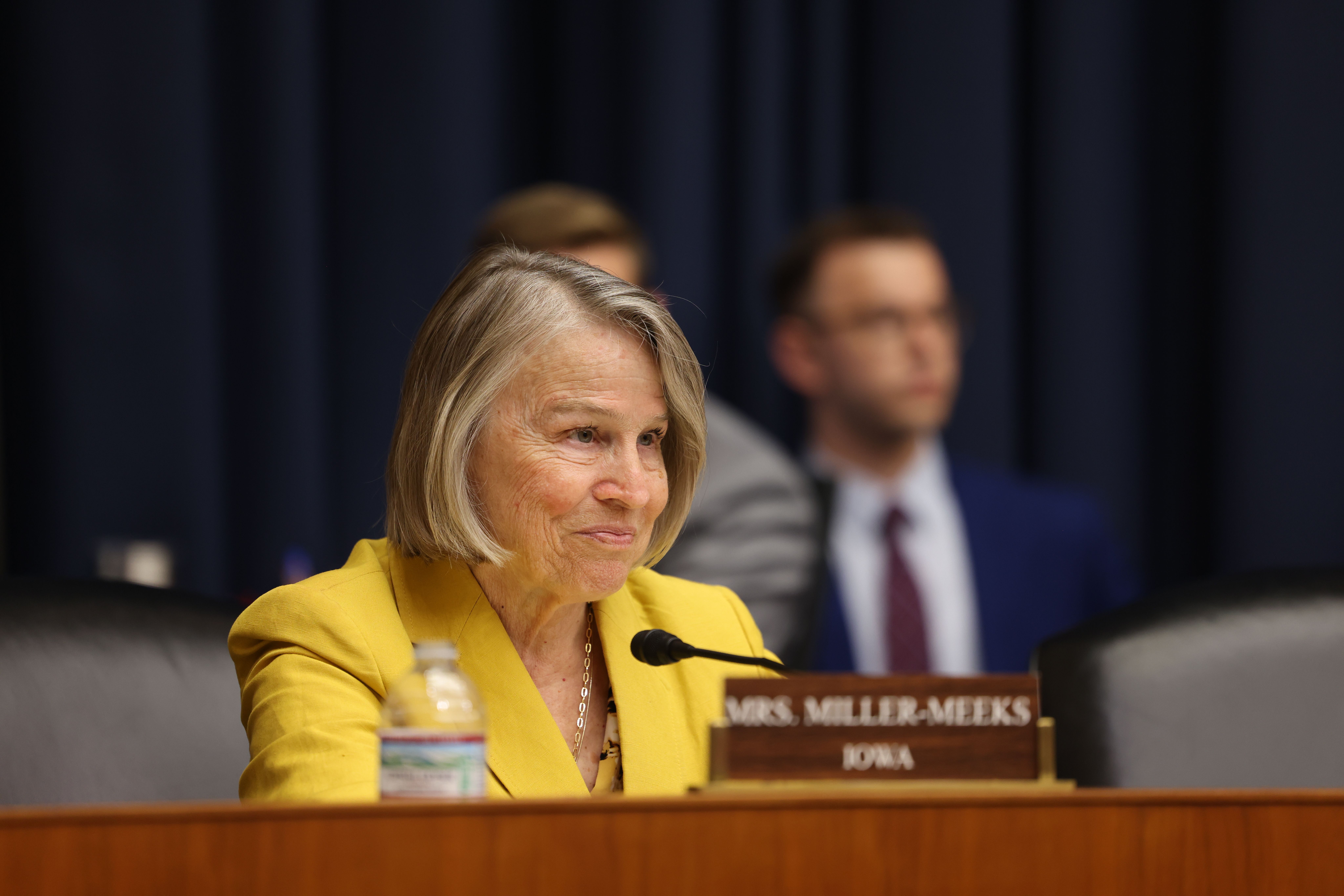
Chairman Guthrie, Chairman Latta, and Rep. Evans on the Introduction of the Ratepayer Protection Act
WASHINGTON, D.C. – Today, Congressman Brett Guthrie (KY-02), Chairman of the House Committee on Energy and Commerce, Congressman Bob Latta (OH-05), Chairman of the Energy and Commerce Subcommittee on Energy, applauded the introduction of the bipartisan Ratepayer Protection Act by Congressman Gabe Evans (CO-08) and Congresswoman Kathy Castor (FL-14), which aims to ensure American families are not left footing the bill for the grid upgrades and electricity demand that building out AI infrastructure requires.
“Winning the race to AI dominance is essential to securing America’s future global leadership, and that means expeditiously building the power infrastructure needed to support new technologies, while doing so in a responsible way,” said Chairman Guthrie. “Families and small businesses across the country shouldn’t be left to foot the bill for this new development, though the benefits of these innovations will be felt by all of society. The Ratepayer Protection Act is a bipartisan effort which would ensure that the costs of grid upgrades are appropriately paid for according to demand. Thank you to Congressman Evans for his leadership on this commonsense bill.”
“As the Chairman of the Energy Subcommittee, I am supportive of the Ratepayer Protection Act,” said Chairman Latta. “This legislation would create a baseline standard so that Americans are protected from large rate increases due to data centers and other large load operations. I thank my colleague, Rep. Gabe Evans, for leading this timely legislation.”
“As America races to lead the world in AI, we must build the energy infrastructure needed to support this innovation, and stay ahead of competitors like Communist China,” said Rep. Evans. “However, Colorado families, farmers, and small businesses should not be forced to cover the costs of new power generation driven by these developments. I’m proud to introduce the Ratepayer Protection Act, which is a bipartisan, commonsense solution that protects everyday Americans and ensures our nation can continue to win the AI race.”
BACKGROUND:
-
Codifies the principles underpinning the Ratepayer Protection Pledge, a commitment by Amazon, Google, Meta, Microsoft, OpenAI, Oracle, and xAI to cover their own data center energy costs.
-
When a major new customer like a data center comes onto the grid, new power generation, transmission lines, and local upgrades are often required to meet its energy demands. The companies that require these new upgrades should be the ones to pay for them, not families and small businesses in local communities.
-
The bipartisan legislation amends Section 111 (d) of the Public Utility Regulatory Policies Act of 1978 (PURPA) to require state regulatory authorities to consider creating a large-load standard, which would ensure that any company looking to build a data center would be required to pay for the related costs of building new power generation, transmission lines, and other upgrades, in effect preserving local decision making while modernizing electricity policy to meet the demands of innovation.
CLICK HERE to read the legislation.