News

All Updates


Mar 19, 2026
Press Release

Chairmen Guthrie and Hudson Announce Hearing to Review the 1996 Telecom Act

WASHINGTON, D.C. – Today, Congressman Brett Guthrie (KY-02), Chairman of the House Committee on Energy and Commerce, and Congressman Richard Hudson (NC-09), Chairman of the Subcommittee on Communications and Technology, announced a hearing titled  The Telecommunications Act of 1996: 30 Years Later .  “The communications marketplace has transformed dramatically in the thirty years since the Telecommunications Act of 1996 was signed into law,” said Chairmen Guthrie and Hudson.  “ This hearing will examine what parts of the law have worked, what have not, and how Congress can build on those lessons to modernize our laws to promote innovation, strengthen competition, and drive investment in modern communications networks.”   Subcommittee on Communications and Technology hearing titled The Telecommunications Act of 1996: 30 Years Later.   WHAT: Subcommittee on Communications and Technology hearing to review the 1996 Telecom Act.  DATE:  Thursday, March 26, 2026  TIME:  10:15 AM ET  LOCATION:  2123 Rayburn House Office Building This notice is at the direction of the Chairman. The hearing will be open to the public and press and will be livestreamed online at energycommerce.house.gov . If you have any questions concerning this hearing, please contact Noah Jackson with the Committee staff at Noah.Jackson@mail.house.gov . If you have any press-related questions, please contact Daniel Kelly at Daniel.Kelly@mail.house.gov .  ###


Mar 19, 2026
Press Release

Chairmen Guthrie, Joyce, and Palmer Expand Investigation into Potomac Interceptor Collapse

WASHINGTON, D.C.  – Today, Congressman Brett Guthrie (KY-02), Chairman of the House Committee on Energy and Commerce, Congressman John Joyce, M.D. (PA-13), Chairman of the Subcommittee on Oversight and Investigations, and Congressman Gary Palmer (AL-06), Chairman of the Subcommittee on Environment, sent a letter to Garney Companies, Inc., a contractor that was under consideration for an Emergency Master Service Agreement with DC Water to rehabilitate the Potomac Interceptor (PI) sewer line prior to its collapse on January 19, 2026.  “The collapsed portion of DC Water’s PI sewer line has resulted in what has been called ‘one of the largest sewage spills in U.S. history.’ The consequences of this spill continue to be evaluated, and the Committee remains concerned by the potential impacts to public health, safe drinking water, the environment, interstate commerce, and tourism,”  said Chairmen Guthrie, Joyce, and Palmer.  “The resilience of our wastewater infrastructure systems remains critical, and the Committee aims to understand what risks were determined prior to this incident and how future incidents may be prevented.”   Key excerpt from the letter:   “As part of its investigation, the Committee continues to obtain information from entities and individuals with knowledge that is relevant to this incident. According to the DC Water and Sewer Authority Board of Directors, Garney Companies, Inc (Garney) was under consideration for a potential Emergency Master Service Agreement for the PI rehabilitation, which was anticipated to begin on May 15, 2025. However, the contract was never finalized. The Committee is requesting information related to this contract and any additional information that your company may have related to the site of the PI wastewater collapse prior to the incident.   “It is the Committee’s understanding that the potential agreement between DC Water and   Garney would have covered a period of two years. The purpose of this contract was stated to   ‘[p]rovide program management, preconstruction and emergency construction services to   rehabilitate and provide redundancy for the Potomac Interceptor.’ Additionally, the project   scope included a number of repairs and upgrades to improve the reliability of this critical   Infrastructure.”   CLICK HERE   to read the full letter.  Background:   The Committee launched its investigation into the Potomac Interceptor collapse on February 20, 2026. Today’s letter to Garney represents the next step in uncovering what went wrong.   DC Water was considering an Emergency Master Service Agreement with Garney to “provide program management, preconstruction and emergency construction services to rehabilitate and provide redundancy” for the PI. That contract was anticipated to begin May 15, 2025, but the contract was never finalized.   The January 19, 2026, collapse of the PI sewer line has been called one of the largest sewage spills in U.S. history, with consequences for public health, safe drinking water, the environment, interstate commerce, and tourism still being evaluated.   The Committee is requesting all documents and communications related to Garney’s proposal, the unimplemented emergency contract, and information related to the collapse site prior to the incident—seeking to understand what risks were known beforehand and how future incidents can be prevented.  ###


Mar 19, 2026
Health

Chairmen Guthrie and Griffith Announce Hearing to Discuss Legislation that Protects American Communities from Emerging Illicit Drug Threats

WASHINGTON, D.C.  –   Today, Congressman Brett Guthrie (KY-02), Chairman of the House Committee on Energy and Commerce, and Congressman Morgan Griffith (VA-09), Chairman of the Subcommittee on Health, announced a hearing titled  Policies to Protect Our Communities from Illicit Drug Threats. “As new and emerging drug threats arise in communities across America, it’s vital this Committee continues to implement solutions that prevent illicit drugs from causing any more damage for American families,”  said Chairmen Guthrie and Griffith . “This hearing builds on critical pieces of legislation that President Trump signed into law last year, like the HALT Fentanyl Act and the SUPPORT for Patients and Communities Reauthorization Act. We will also discuss several additional bills that actively promote the safety of our constituents and crack down on the infiltration of lethal substances into our communities. We are grateful to our bill sponsors for championing these policies, because there is always more that can be done to combat the illicit drug crisis.” Subcommittee on Health legislative hearing titled  Policies to Protect Our Communities From Illicit Drug Threats . WHAT:  Subcommittee on Health legislative hearing on how the Committee is cracking down on illicit drug threats in order to protect Americans families and keep communities safe. DATE:  Thursday, March 26, 2026       TIME:  2:00 PM ET LOCATION:  2123 Rayburn House Office Building This hearing will focus on the following bills:  H.R. 1266 ,  Combatting Illicit Xylazine Act (Reps. Panetta and Pfluger) H.R. 5630 ,  To amend the Public Health Service Act to require additional information in State plans for Substance Use Prevention, Treatment, and Recovery Services block grants (Rep. Houchin) H.R. 5629 ,  To provide that the final rule of the Department of Health and Human Services titled “Medications for the Treatment of Opioid Use Disorder”, except for the portion of the final rule relating to accreditation of opioid treatment programs, shall have no force or effect. (Rep. Houchin) H.R. 2004 ,  Tyler’s Law (Reps. Lieu and Latta) H.R. 7970 ,  STOP Nitazenes Act (Rep. Latta) H.R. 8000 ,  END 7-OH Act (Rep. Bilirakis) H.R. 7184 ,  PRESS Act (Rep. McDowell) H.R. 8005 ,  Stop Pills That Kill Act (Rep. Evans) H.R. 5880 ,  Fight Illicit Pill Presses Act (Reps. Hageman and Stansbury) H.R. 1227 ,  Alternatives to Pain Act (Reps. Miller-Meeks and Barragan) H.R. 2715 ,  Destruction of Hazardous Imports Act (Reps. Higgins and Carter) H.R. 1561 ,  ALERT Communities Act (Reps. Crockett and Gooden) H.R. 7994 ,  HERO Act (Rep. Ruiz) H.R. 7407 ,  Prohibiting Tianeptine and Other Dangerous Products Act of 2026 (Rep. Pallone) This notice is at the direction of the Chairman. This hearing will be open to the public and press and will be livestreamed at  energycommerce.house.gov . If you have any questions about this hearing, please contact Annabelle Huffman with the Committee staff at  Annabelle.Huffman@mail.house.gov . If you have any press-related questions, please contact Katie West at  Katie.West@mail.house.gov . ###


Mar 18, 2026
Press Release

C&T Subcommittee Holds Hearing on the 2027 World Radiocommunication Conference

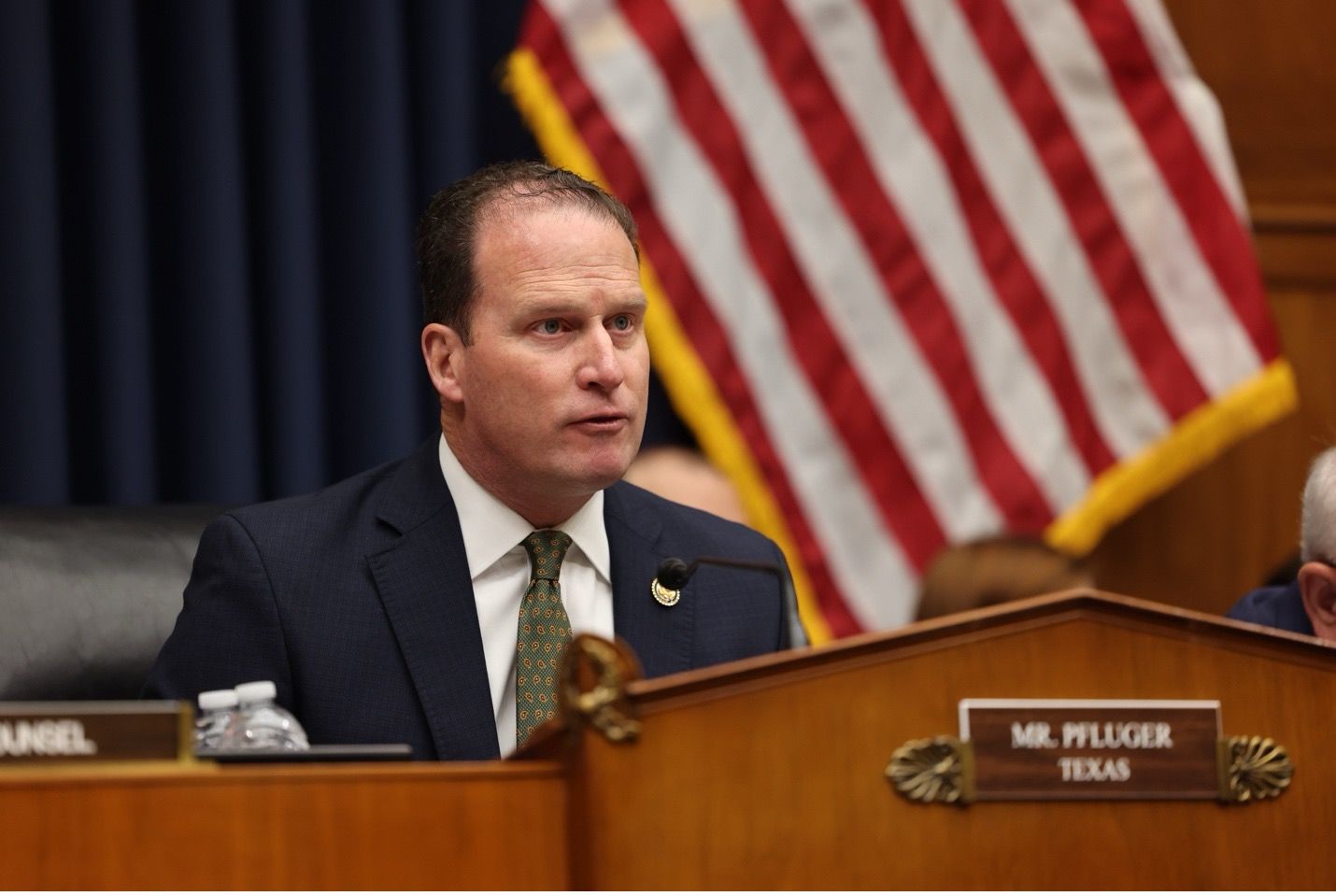
WASHINGTON, D.C. – Today, Congressman Richard Hudson (NC-09), Chairman of the Subcommittee on Communications and Technology, led a hearing titled Securing U.S. Leadership of Communications Technology . “Our nation is the world’s economic powerhouse, and we lead the world in innovation,”  said Chairman Hudson.  “The United States is home to the world’s best technology companies, which have led in the creation of new devices and services that we rely on every day. On our committee, we are working to ensure we continue to lead in the new technologies of tomorrow.” Watch the full hearing  here . Below are key excerpts from today’s hearing: Subcommittee Vice Chairman Rick Allen (GA-12):  “If the U.S. were to reduce its engagement at the conference, what countries are most likely to fill that vacuum? And what are the national security implications associated with their increased influence?” Ms. Alexander:   “In my 20 years of doing ITU work, what I’ve seen is a marked engagement of Asian countries, in particular China. So, in some cases, when the U.S. companies don’t come, China comes— and China comes even more. And I think that will happen in this case as well. If we were not there and we don’t show up, they will and they’ll show up in big numbers. And that will be bad for national security in the long run for us.” Congressman Russ Fulcher (ID-01):  “Can you describe a worst case, best case? Best case if we hold them accountable or worst case if we don’t, what happens?” Ambassador Lang:  “Well, I think the worst case we need to prepare for is that China would structure the informal conversations that take place on the side of the conference in such a way that the U.S. would not have a seat at the table, and that at some point the U.S. would be presented with something that other parties were viewing as a consensus, and that we would be pressured to accept. So, I think what’s important is for us to make sure that we are—that we have a seat at the table in every single conversation that takes place. [...] The best case is that they actually conduct it in a transparent and fair manner. I think that they will be under a lot of pressure. They will want this conference to be viewed as a success widely. So, I think, there is reason to think that they will want to have a successful conference that is viewed favorably.” Congressman August Pfluger (TX-11):  “Talking about the WRC that’s upcoming and the coordination that you think needs to happen, how behind are we and what needs to happen in order to catch up?”  Ms. Alexander:  “For WRC, my observation historically is that these processes can be slow, and they can be cumbersome because spectrum is hard. [...] And it’s hard to sometimes deconflict and resolve these competing priorities. But that needs to happen. It needs to happen faster for us to be effective in these environments.” ###


Mar 18, 2026
Press Release

Health Subcommittee Scrutinizes Patient Affordability, Competition, and Access Across the U.S. Provider Landscape

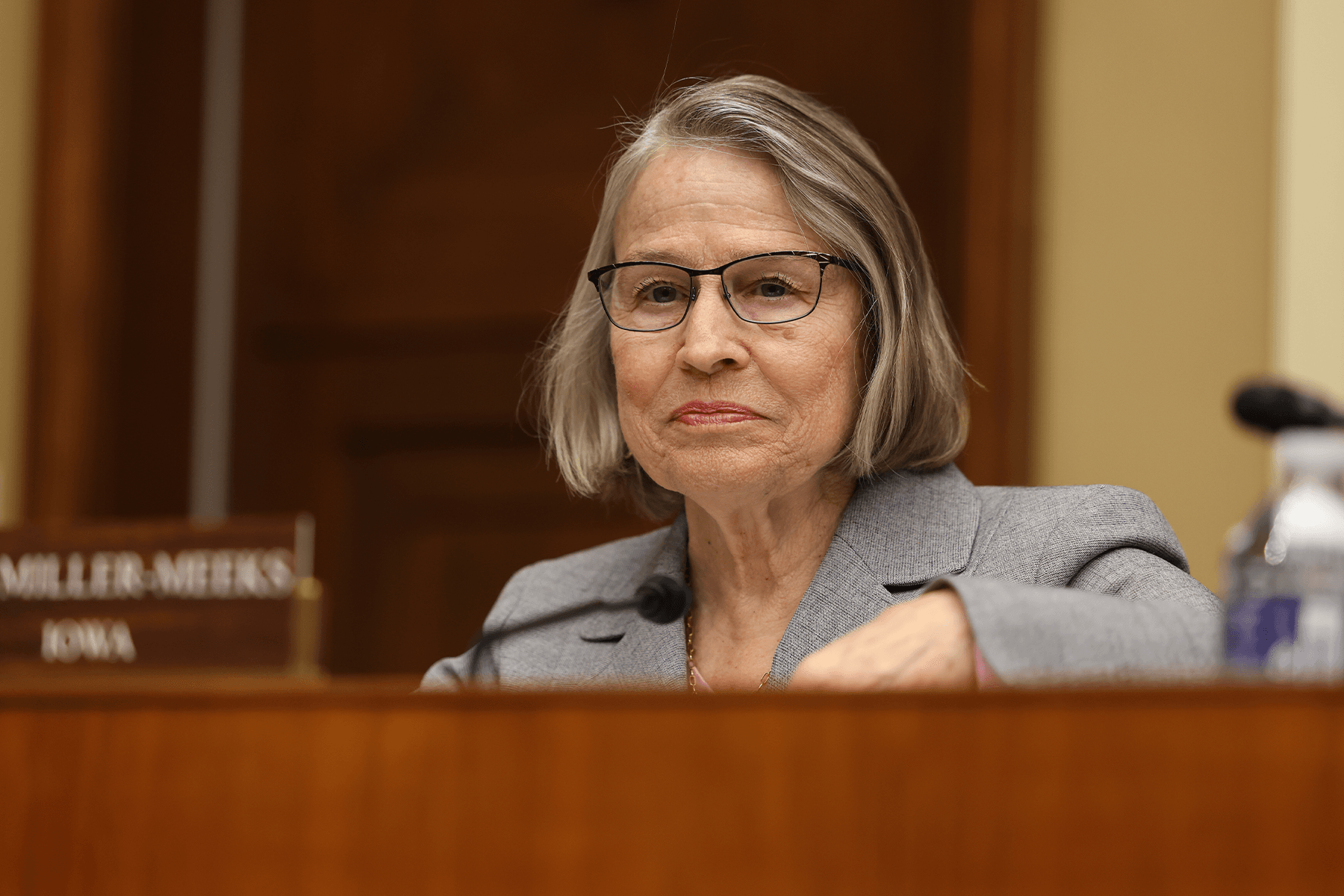
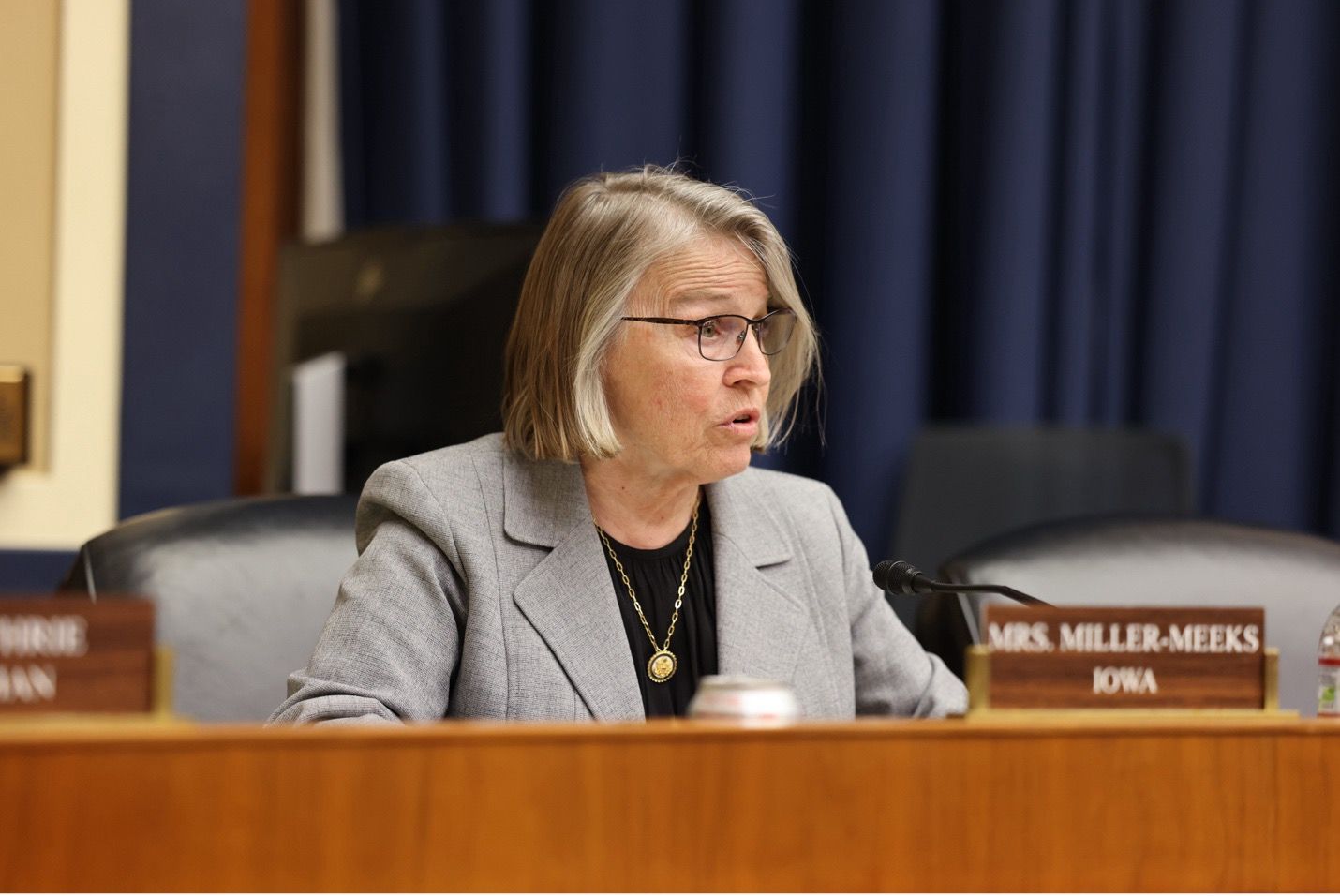
WASHINGTON, D.C. – Today, Congressman Morgan Griffith (VA-09), Chairman of the Subcommittee on Health, led a hearing titled  Lowering Health Care Costs for All Americans: An Examination of the U.S. Provider Landscape . During the hearing, we heard members express their concerns with how hospital consolidation and lack of price transparency drive up costs for American patients.  “When provider markets lack competition and transparency, prices can rise without patients having the information needed to make cost-conscious decisions,” said Chairman Griffith.   “Today, we heard from different organizations that represent health care providers across a variety of settings, so that we can continue to look for solutions that make delivering and receiving care more affordable.”   Watch the full hearing  here . Below are key excerpts from today’s hearing: Congresswoman Mariannette Miller-Meeks (IA-01):  “ Today’s hearing is critically important because every policy discussion [involves] real patients—employers trying to provide health insurance, families trying to afford care, seniors managing chronic conditions, and providers working to keep their doors open in increasingly complex systems. Over the past decade or so, we’ve seen significant consolidation across the health care system—especially after the passage of the Unaffordable Care Act—and particularly among hospitals and large health systems. At the same time, Medicare physician reimbursement has declined by over 30 percent in inflation-adjusted dollars since 2001. If we continue on the current path, we’re not just cutting payments, we are cutting access. In rural Iowa, we don’t have an excess of providers. When one closes, patients have to drive hours for care. A 2 percent to 3 percent cut in Washington can mean the difference between staying open and shutting down in a small town.” Congressman Cliff Bentz (OR-02):  “It almost seems as though the [physician] shortage gives people an excuse to raise prices. Is that the truth?”  Dr. DiGiorgio:  “I agree.”  Congressman Bentz:  “We’ve heard that in other conversations with various groups. And by the way, the remarks about larger systems resulting in higher quality care at less cost, I have to beg to differ. At least in previous conversations, it appeared that there was a focus on those types of things, while ignoring the amount of money being made on the float by delaying care. I asked that question of UnitedHealthcare when they were here. It was discouraging to hear how many billions of dollars are being made on the float, I must say. And that appears to be something we should be focusing upon.” Congresswoman Erin Houchin (IN-09):  “This is the third hearing we’ve had on affordability. I think it may be the most consequential because the provider landscape is where these issues meet real patients. Doctor Aizuss, in your testimony, you note that practice costs rose roughly 63 percent over the same period that Medicare physician payments declined by roughly 33 percent, putting an increasing strain on independent practices and threatening patients’ access to care—particularly in rural parts of the country. From your perspective, how is this sustained gap affecting patients’ ability to access timely, quality care? What specific actions should Congress take to stabilize physician practices and prevent further disruptions?”  Dr. Aizuss:  “As I’ve noted, the decrease in real payment for Medicare services is accelerating independent physicians to close their offices or to sell their practices to private equity or to be employed by large systems. So, the access is definitely impacted by that. People in their own communities can’t access the private practice physician when they want to. And wait times are increasing significantly. The biggest solution, as I keep emphasizing, is having Medicare payment reform tied to the medical economic index with automatic inflationary updates—just like the other providers are receiving.” ###


Mar 18, 2026
Press Release

Chairman Griffith Delivers Opening Statement at Subcommittee on Health Third Hearing in Series to Improve Health Care Affordability for All Americans

WASHINGTON, D.C.  – Congressman Morgan Griffith (VA-09), Chairman of the Subcommittee on Health, delivered the following opening statement at today’s hearing titled  Lowering Health Care Costs for All Americans: An Examination of the U.S. Provider Landscape . Subcommittee Chairman Griffith’s opening statement as prepared for delivery: “Today we will discuss health care costs and patient access challenges by examining the health care provider landscape.   “This is the third hearing in the Committee’s health affordability series following hearings with health insurance executives back in January and stakeholders from the prescription drug supply chain last month.    “The United States provider landscape includes a wide range of entities and organizations that deliver services to patients.   “Hospitals and large health systems provide acute and specialized care. However, we have also seen these entities expand into outpatient service delivery.   “Independent physician practices and group practices deliver much of the primary and outpatient services that patients rely on every day.   “Although they are not before us in this hearing, I also want to recognize the critical role that federally qualified health centers, rural health clinics, and community hospitals play in our health system, especially in our most rural and underserved areas.   “It is no secret that across the country patients are faced with fewer choices about where they can receive care, as the provider market has consolidated dramatically.    “Hospitals are acquiring physician practices, systems are merging, and too often, patients have little options among providers.     “In many cases, the states that see the most consolidation have the largest rural populations—exacerbating access challenges, leaving communities strained, and contributing to overall unaffordability.   “On top of vertical integration limiting the viability of independent practices, the so-called Affordable Care Act has enabled the landscape to become even more narrow.   “In fact, because of the Affordable Care Act, any existing physician-owned hospital built before 2010 is prohibited from growing beyond the size it was when the bill became law. How does that make sense?   “As a result, many patients face limited provider options in their communities and may encounter higher prices with little insight into the cost of health services.   “At the same time, transparency amongst the health care provider system remains insufficient.   “Prices can vary widely for the same service depending on where care is delivered, and billing statements may include facility fees, multiple providers, and negotiated rates that are difficult for patients to understand.    “Additionally, programs such as the 340B Drug Pricing Program have become opaque and some hospitals have gone against the true intent of the program.    “The 340B Program was created with the intention of helping safety-net providers care for low-income and vulnerable patients; however, as hospitals and larger entities participate and expand affiliated contract pharmacies, visibility has become limited into how the program’s generated discounts are used and whether those savings are reaching patients.   “In many cases, the result of this system is that Americans are left navigating complex, and often expensive, medical bills—whether from a hospital visit or routine appointment—that they did not anticipate, cannot easily afford, and sometimes only learn about weeks or months after receiving care.   “When provider markets lack competition and transparency, prices can rise without patients having the information needed to make cost-conscious decisions.   “Today we will hear from different organizations that represent health care providers across a variety of settings, so that we can look for ways to try and make delivering and receiving care more affordable.    “We have the American Hospital Association in front of us who represents many types of hospitals and health care networks.   “We will also hear from the American Medical Association who represents physicians across the country.   “The American Academy of Family Physicians is here to give the perspective of family medicine practitioners.    “We also have the Purchaser Business Group on Health before us to provide insights into the relationship between private employers and public purchasers.   “We also have a neurosurgeon from the University of California San Francisco to give the perspective of specialty doctors and the care they provide to patients.    “Lastly, we have Barbara Merrill from the American Network of Community Options and Resources.   “These witnesses have unique insights into the factors that are currently leading to the high costs patients are facing when receiving care, and I am looking forward to the discussion.”   ###


Mar 18, 2026
Press Release

Chairman Hudson Delivers Opening Statement at Subcommittee on Communications and Technology Hearing on the 2027 World Radiocommunication Conference

WASHINGTON, D.C.  – Congressman Richard Hudson (NC-09), Chairman of the Subcommittee on Communications and Technology, delivered the following opening statement at today’s hearing titled Securing U.S. Leadership of Communications Technology . Subcommittee Chairman Hudson’s opening statement as prepared for delivery:  “Good afternoon, and welcome to today’s bipartisan subcommittee hearing examining strategies for the U.S. to lead the future of communications technology.    “This subcommittee has jurisdiction over the National Telecommunications and Information Administration (NTIA) and the Federal Communications Commission (FCC). Both are integral to our nation’s spectrum management policies. The FCC also plays a critical role in overseeing the communications industry. In addition to these domestic agencies, there are also international treaties, meetings, and bodies that help establish global rules that govern these services.  “The International Telecommunication Union (ITU) is the United Nations’ agency responsible for international coordination of communications services. The ITU manages a global table of spectrum allocations reflecting international agreement on identified uses of spectrum frequencies across the world. The ITU also allocates satellite orbits.  “The ITU meets every four years to set its strategy for the next four and hold elections for the organization’s five top officials, the 48-seat Council membership, and 12 Radio Regulations Board members. The ITU also holds the World Radiocommunication Conference every four years to review and update international treaties governing spectrum and satellite orbits.   “WRC-27 is expected to cover a variety of topics, including discussions to identify additional spectrum bands for International Mobile Telecommunications (IMT) service.   “WRC-27 will also feature a number of important agenda items related to the satellite services. The satellite industry has been in a period of robust growth and innovation over the last decade—with the U.S. companies leading much of the world in those developments. Satellite technology plays an increasingly important role in our communications infrastructure, including broadband and other critical services. Satellite communications services have also been transformational for our first responders. In my home state of North Carolina when Hurricane Helene devastated terrestrial-based infrastructure, satellite was able to bridge the gap and keep first responders connected. Demand for these services has resulted in the deployment of thousands of new satellites.   “Satellite-based services are a global enterprise, and these deployments require close coordination with the ITU and other countries.   “Our nation is the world’s economic powerhouse, and we lead the world in innovation. The United States is home to the world’s best technology companies. These companies have led in the creation of new devices and services that we all rely on every day. On our committee, we are working to ensure we continue to lead in new technologies of tomorrow.   “China wants to surpass the U.S. as the global technology leader. Under the rule of the Chinese Communist Party (CCP), China has subsidized and stolen technology across a wide range of industries, including communications technologies. CCP-affiliated companies like Huawei (Waah-way) have exported communications equipment around the world, giving support to the CCP’s espionage activities.   “The CCP also seeks to sideline the United States in international telecommunication and technology standards bodies. If successful, our allies and partners around the world may increasingly turn to CCP-linked entities for telecommunications and satellite solutions, and digital services. This is bad for American businesses, bad for Americans who rely on these devices and services in their daily lives, and ultimately undermines our economic and national security.   “The CCP notched another win in this column last year when the ITU announced it would hold the 2027 World Radiocommunications Conference (WRC-27) in Shanghai, China. As the host country, China will serve as chair of the conference, allowing the CCP to steer these critical discussions.   “Given this, the U.S. should be an active participant in all upcoming ITU engagements. As I mentioned, WRC-27 will consider a number of agenda items related to communications services, including spectrum allocations. Key decisions will be made at these meetings to establish technical rules for communications technologies.   “I look forward to hearing from the witnesses today about what is at stake in these upcoming engagements and what success looks like for the United States.” ###


Mar 17, 2026
Press Release

Subcommittee on Energy Holds Hearing on the Lessons Learned from Winter Storm Fern

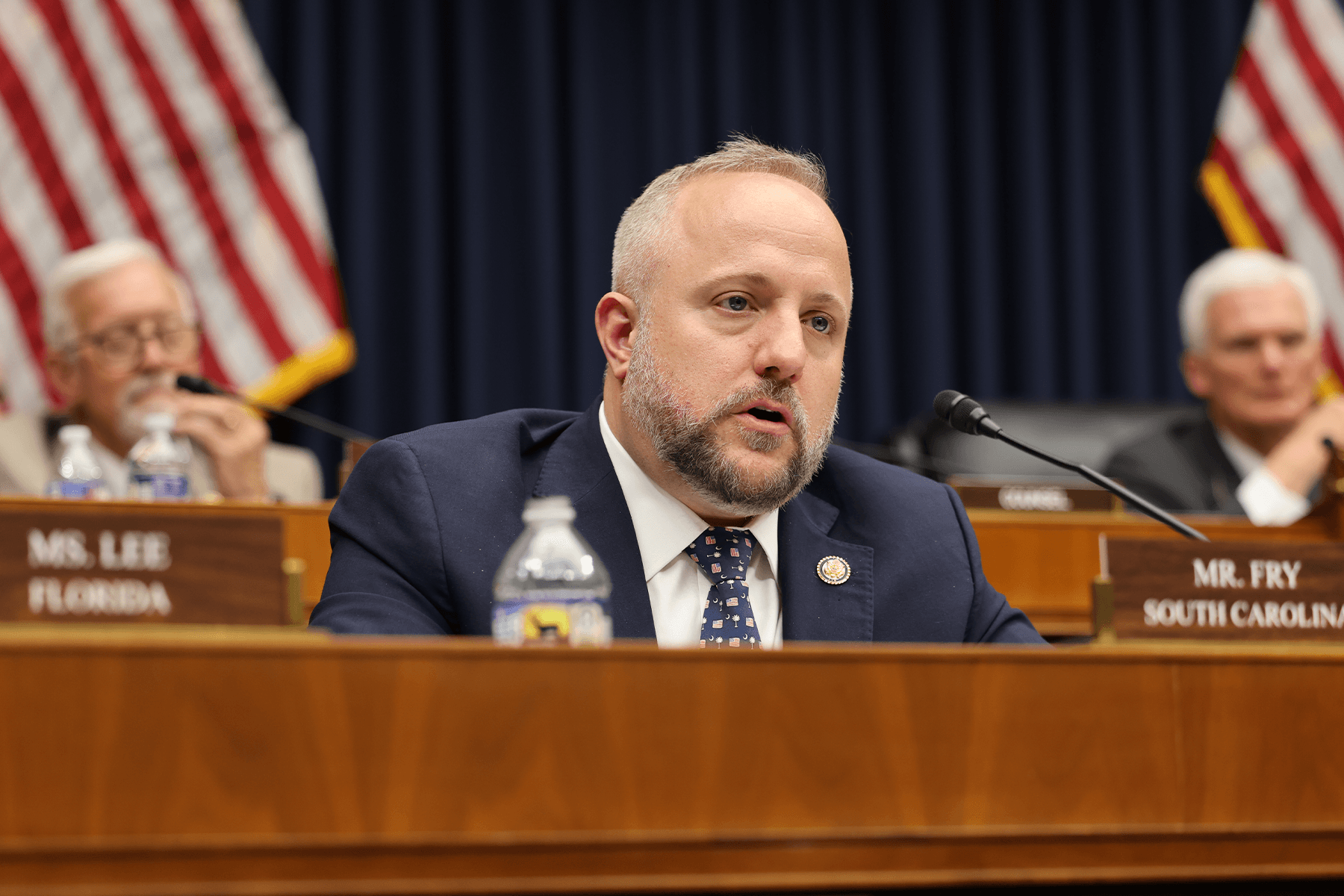
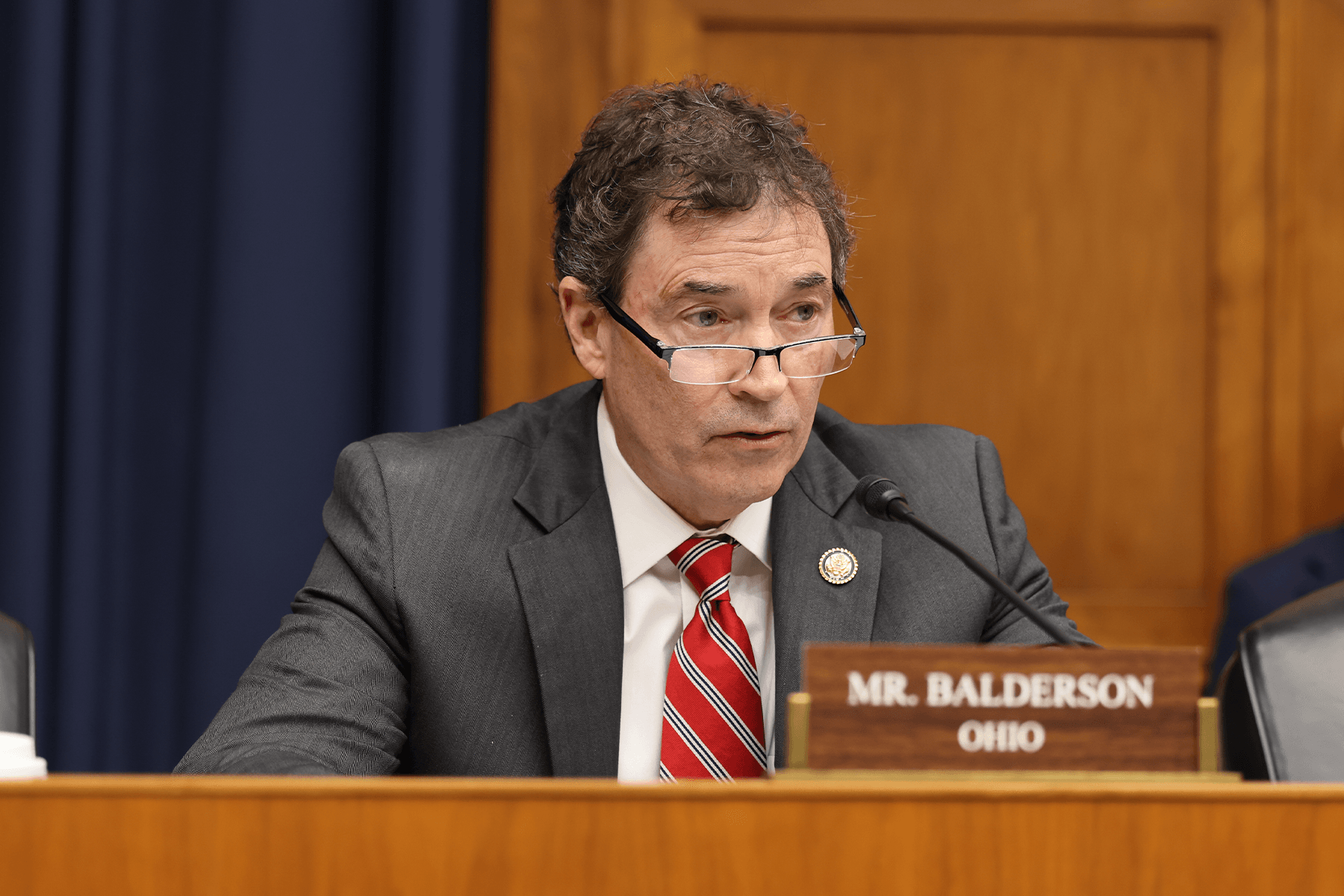
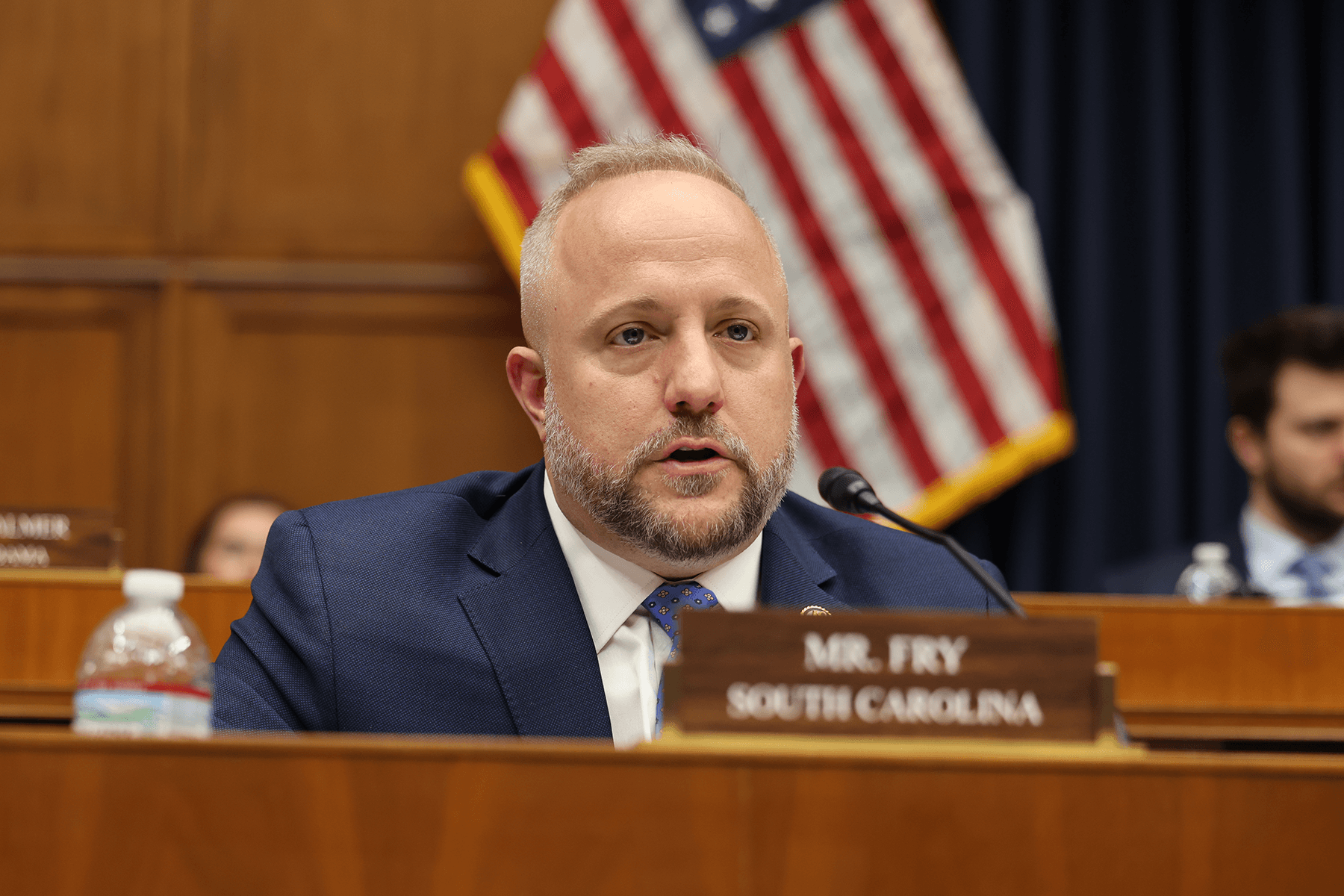
WASHINGTON, D.C. – Today, Congressman Bob Latta (OH-05), Chairman of the Subcommittee on Energy, led a hearing titled,  Winter Storm Fern Lessons: Supplying Reliable Power to Meet Peak Demand.   “In spite of generous subsidies and favorable public policy choices, intermittent resources were nowhere to be found when New England needed power the most. Because limited gas pipeline capacity in the New England region restricts supply and raises prices, power plants had to opt for more expensive and less efficient fuel oil,”  said Chairman Latta.  “The lessons of Winter Storm Fern should illustrate that common sense must rule the day. American energy dominance and independence must be achieved so we can keep our communities safe at home.” Watch the full hearing  here . Below are key excerpts from today’s hearing: Congresswoman Mariannette Miller-Meeks (IA-01):  “The lesson from Winter Storm Fern is that we’re asking more of the grid in every region and increasingly relying on emergency tools and extraordinary coordination to navigate conditions that are becoming more common, not rarer. At the same time, we’ve layered on emergency orders, special directives, and broad must-run orders that, in some regions, effectively over-procure generation and crash prices. Those tools helped us through Fern, but they’re not a sustainable business model for a grid that’s about to serve even larger loads. Data centers, advanced manufacturing, and electrification across many levels of our economy are driving demand up quickly. Yet building the infrastructure to serve that demand, modern gas plants, nuclear, storage, new pipelines, transmission lines, or any renewable source, which Iowa does have, takes years longer than it should. Not because the technology is unproven, but because our permitting pathways are slow, fragmented, and unpredictable.” Congressman Russell Fry (SC-07):  “Reliable energy is essential to every aspect of our modern life, especially to public health and welfare. Yet power outages cost the American people $44 billion each year. Winter Storm Fern highlighted the importance of grid reliability, leaving more than one million customers without power at its peak, including 70,000 in my home state of South Carolina. These disruptions make it clear that reliability must remain a top priority, particularly during severe weather events that place extraordinary strain on the electric system. Fern also demonstrated the critical importance of dispatchable energy sources. Peak coal generation rose by 25%, and peak natural gas generation rose by 47%. Across all impacted regions, dispatchable energy significantly outperformed wind and solar generation. The grid’s performance during severe weather depends not only on these baseload and dispatchable resources, but also on real-time coordination among grid operators, generators, transmission owners, marketers, and other market participants. Analyzing how the bulk power system performs during these events is essential to strengthening reliability and ensuring the continued delivery of electric power that Americans depend on every day.” Congresswoman Julie Fedorchak (ND-AL):  “I agree with you — it should be bipartisan. Mr. Robb, how are premature retirements of baseload resources such as natural gas and coal making matters worse when we have increased demand?”  Mr. Robb:  “Thanks for the question. It makes matters worse in a number of different ways. When you lose the energy production associated with those facilities—and we saw in Winter Storm Yuri that a number of facilities operating under 202(c) orders did perform and were required to keep the lights on—there’s no question about that. The second thing is that those facilities create the special sauce that keeps the grid operating. They create frequency, they create voltage, and they create the ability to control those within very tight parameters, which is what allows the high-voltage transmission system to operate. Without that kind of generation, we don’t have the ability to operate a transmission system of the scale that we have.” ###


Chairman Joyce Delivers Opening Statement at Subcommittee on Oversight and Investigations Hearing on Ongoing Investigation into Medicare and Medicaid Programs Nationwide

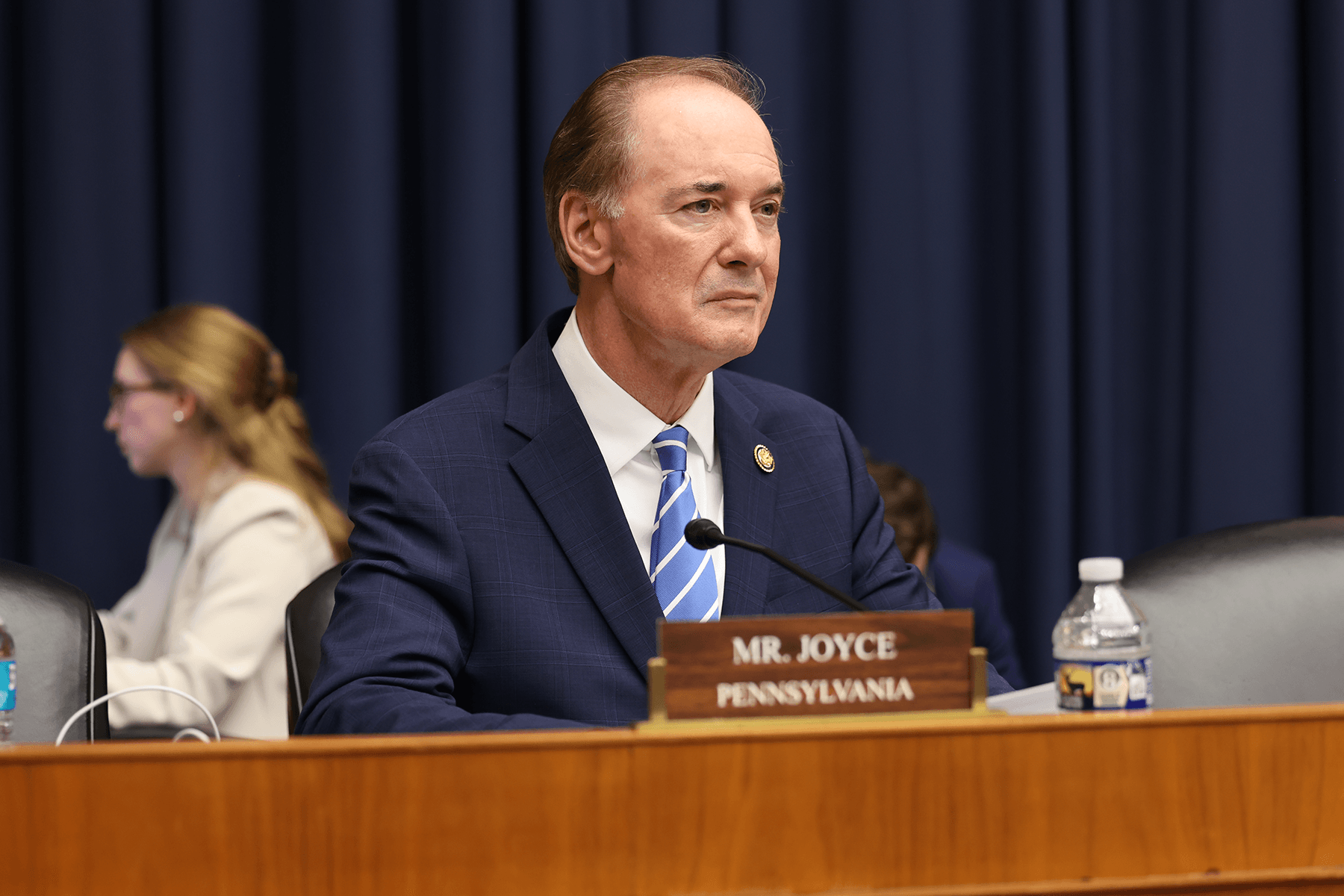
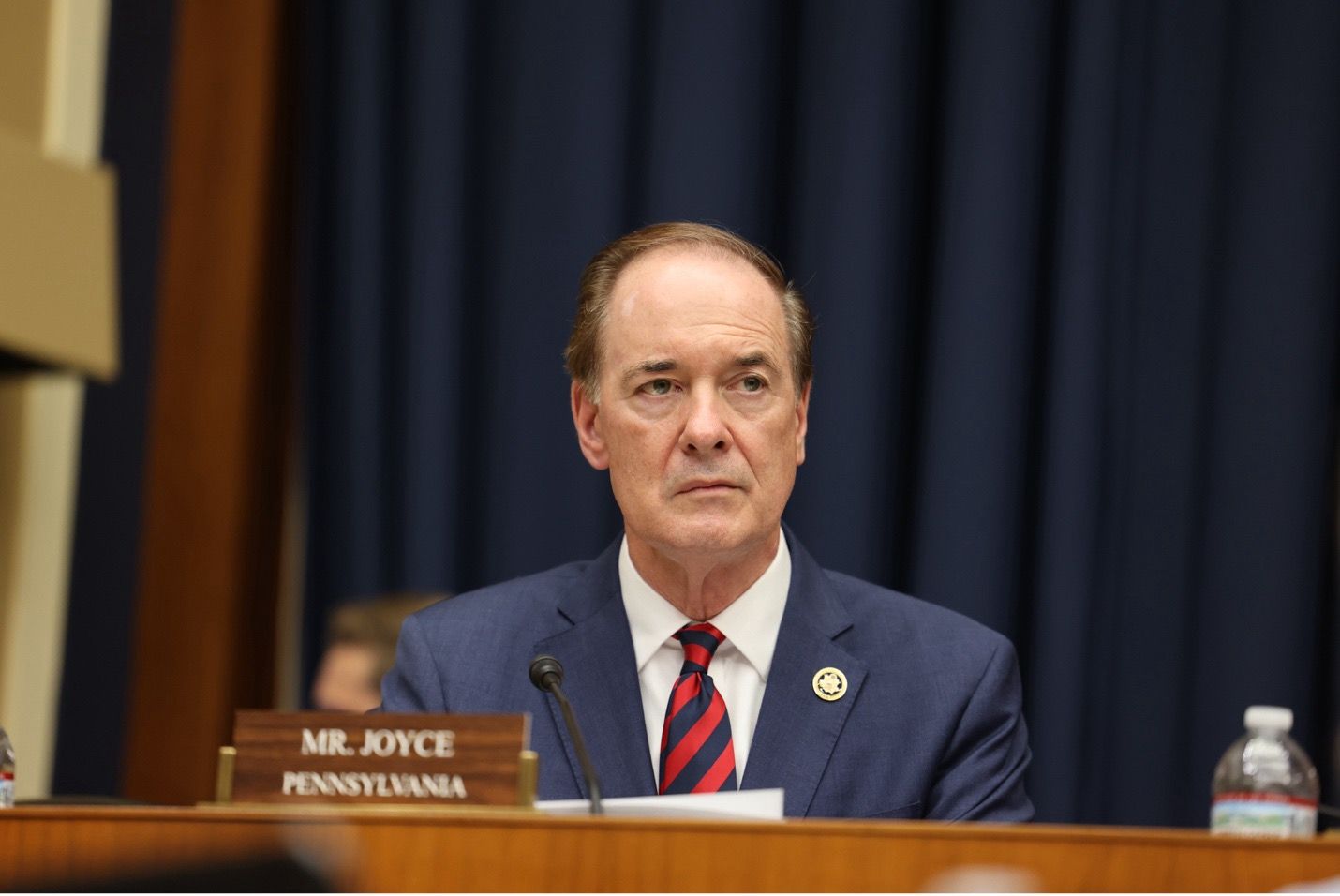
WASHINGTON, D.C. – Congressman John Joyce, M.D. (PA-13), Chairman of the Subcommittee on Oversight and Investigations, delivered the following opening statement at today’s hearing titled Protecting Patients and Safeguarding Taxpayer Dollars: The Role of CMS in Combatting Medicare and Medicaid Fraud. Subcommittee Chairman Joyce’s opening statement as prepared for delivery: “Good afternoon, and welcome to today’s hearing titled, ‘Protecting Patients and Safeguarding Taxpayer Dollars: The Role of CMS in Combatting Medicare and Medicaid Fraud.’ “Today, we are continuing the Subcommittee’s ongoing examination of Medicare and Medicaid fraud. “Kim Brandt from the Centers for Medicare and Medicaid Services is here today to discuss the very real, and very harmful issues that we know address both Medicare and Medicaid fraud that are occurring right now across the United States and what CMS is doing to address this widespread fraud. “In Medicare, sectors such as durable medical equipment, genetic testing, skin substitutes, home health, and hospice are all experiencing high rates of fraud. “In Medicaid, schemes are running rampant in a variety of programs, from non-emergency medical transportation to personal care services, autism therapy, and substance use disorder treatment. “These crimes are despicable, yet we are seeing them occur time and time again across the country. In Minnesota, it’s Medicaid ABA services. In California, it’s Medicare hospice services. In Florida, it’s Medicare durable medical equipment. Once caught, fraudsters might be stopped, but they are always looking for their next scheme. The tentacles of these criminal schemes are long, and they reach into many different areas of health care. “And many of these fraud schemes target vulnerable individuals, such as the elderly, individuals with disabilities, the homeless, and people struggling with substance abuse disorders. Moreover, taxpayers are being defrauded of outrageously large amounts of money. Pennsylvania’s Governor Josh Shapiro, during his time as Pennsylvania’s Attorney General, stated at a 2020 press conference, ‘It’s possible, no, likely, that Pennsylvania is losing $3 billion a year to fraud.’ And that’s just one state, and that’s just in one year. “For too long, states have been permitted to run Medicaid programs with weak guardrails, making them easy targets for criminals to exploit. While states do have a duty to steward federal and state taxpayer dollars responsibly, it is federal oversight that is necessary to root out systemic fraud. “As President Trump made clear during his recent State of the Union address and executive order establishing the Anti-Fraud Task Force, he is serious about the ‘War on Fraud.’ Under the leadership of Vice President and “antifraud czar,” J.D. Vance, and under the leadership of Dr. Mehmet Oz, this administration is taking bold steps to stop this fraud—more than any other presidential administration before it. “It is critical that fraud in government health care programs like Medicare and Medicaid are addressed to ensure there are adequate funds to maintain these programs for those who are in need and not for fraudsters to steal. “As this Committee builds upon Medicaid program integrity efforts that we advanced last year in H.R. 1, it is important that we continue to identify ways to address fraud to secure the financial stability and longevity of these programs. “The elderly, individuals with disabilities, pregnant women, and children all rely on these programs to receive the health care that they need, and the health care they deserve. We owe it to them to protect and preserve these programs, rather than allowing them to serve as a gold mine for criminals. “I want to thank Deputy Administrator Brandt for being here today. We are looking forward to hearing about the important work that you and your team are already doing at CMS under the leadership of Administrator Dr. Mehmet Oz to protect and preserve Medicare and Medicaid. “With that, I now recognize our Ranking Member of the Subcommittee, Ms. Clarke, for her opening statement.”