C&T Subcommittee Holds Hearing on Improving Public Safety Communications
WASHINGTON, D.C. – Today, Congressman Richard Hudson (NC-09), Chairman of the Subcommittee on Communications and Technology, led a hearing titled Legislative Improvements to Public Safety Communications in the United States.
“Important things like upgrading our 911 call centers, improvements to our wireless emergency alerting, and improvements to our outage reporting are crucial improvements that we now can look at through a legislative lens,” said Chairman Hudson.“Our public safety and law enforcement officers put their lives on the line every day to help us in our times of need, and we must make sure they have the best tools to do their jobs.”
Watch the full hearing here
Below are key excerpts from today’s hearing:
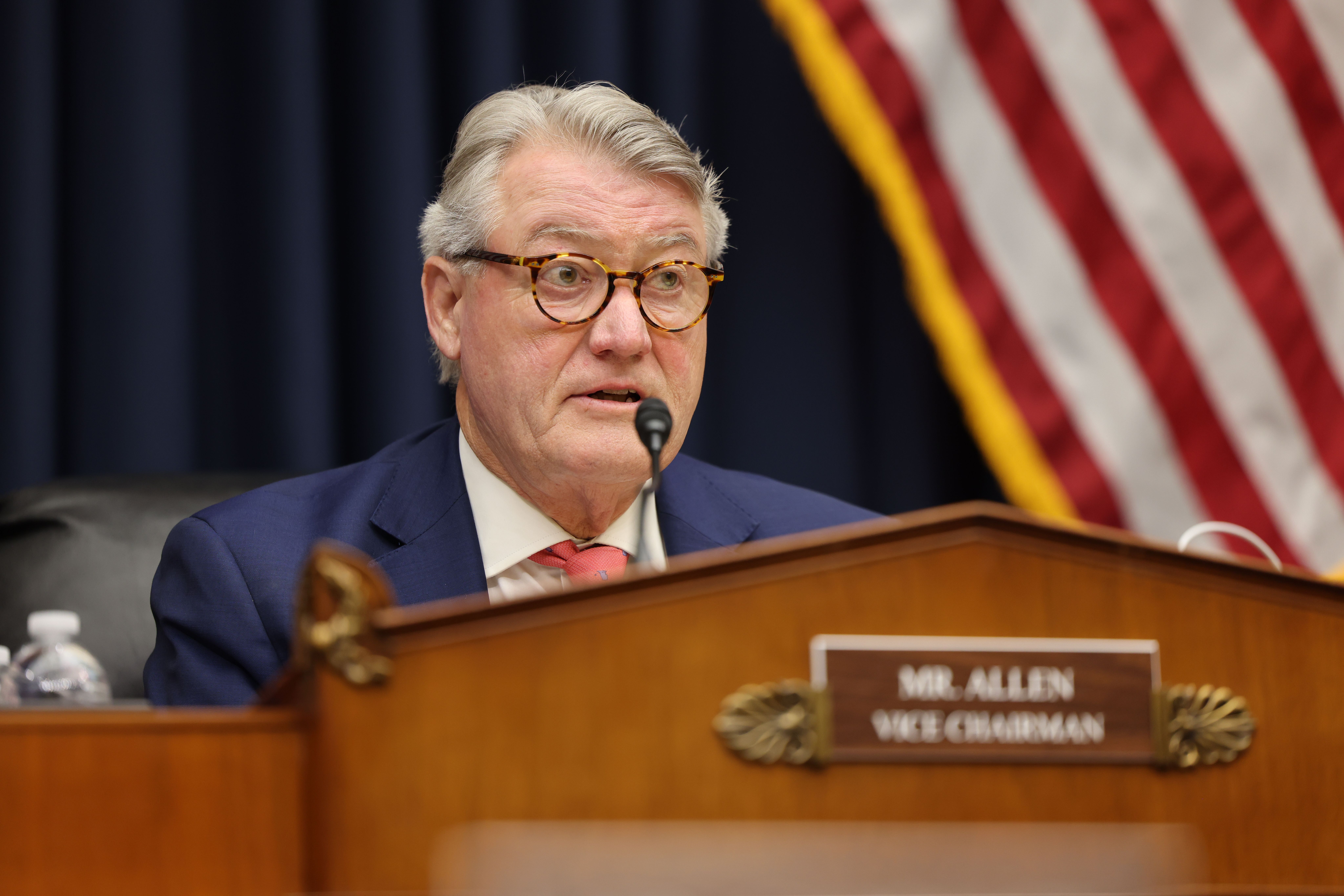
Subcommittee Vice Chairman Rick Allen (GA-12): “More than a year ago, Hurricane Helene—with over 100 mile per hour winds—ran through the entire stretch of my district and caused widespread damage and loss. We suffered multiple deaths and a loss of power for weeks in some areas. [...] We all learned the importance of resilient communication networks when commercial networks were severely disrupted. It was next to impossible for constituents to access information and resources.”
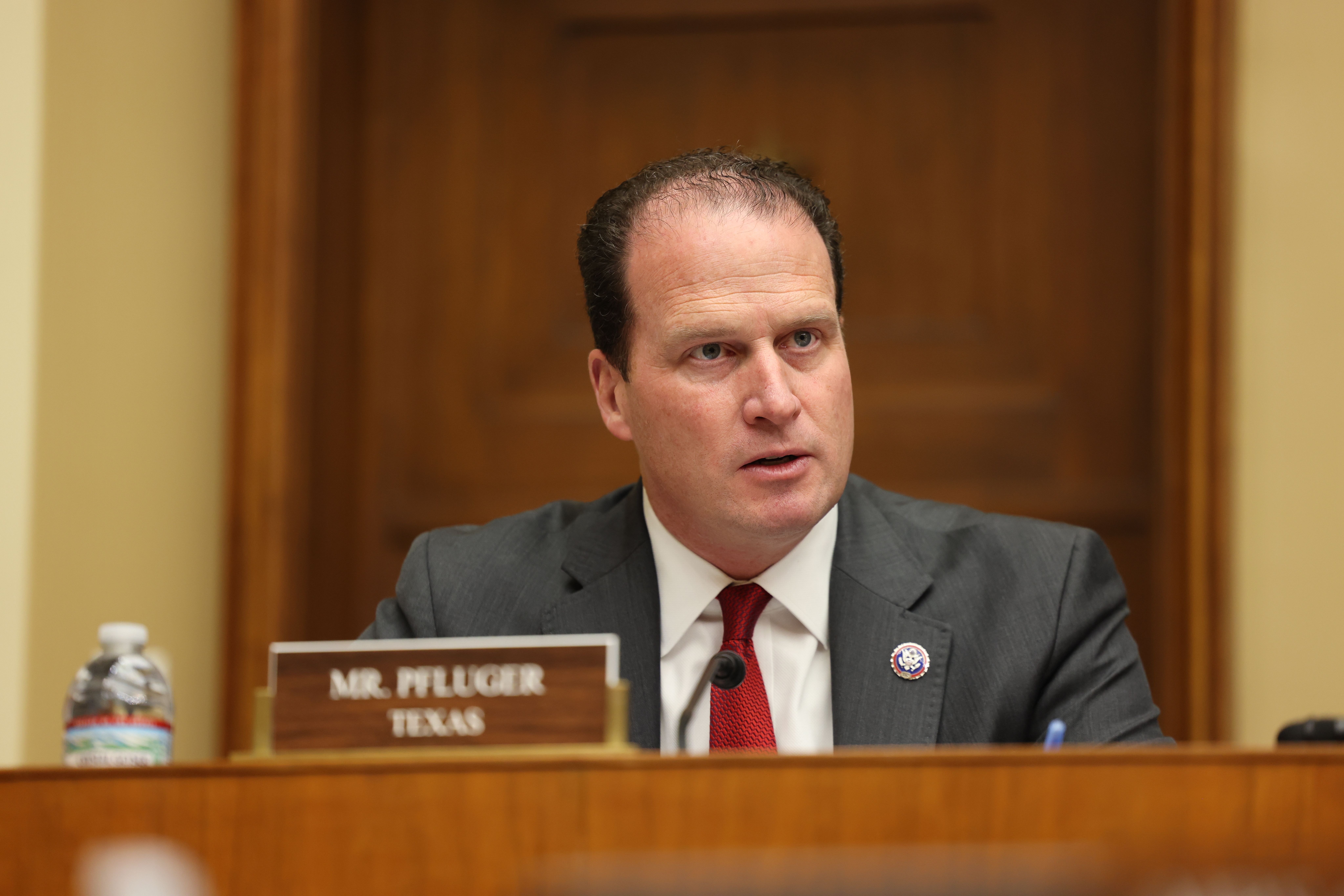
Congressman August Pfluger (TX-11): “During natural disasters, when communication infrastructure is damaged, or in rural areas where it doesn't exist at all, like in my district, mobile service can be inconsistent. Not having access to emergency alerts can also mean the difference between life and death. Every member of this committee has learned this all too well, whether it was during wildfires that we've talked about today, or the flooding in central Texas at Camp Mystic, for which the bill I'm going to talk about is named after.”
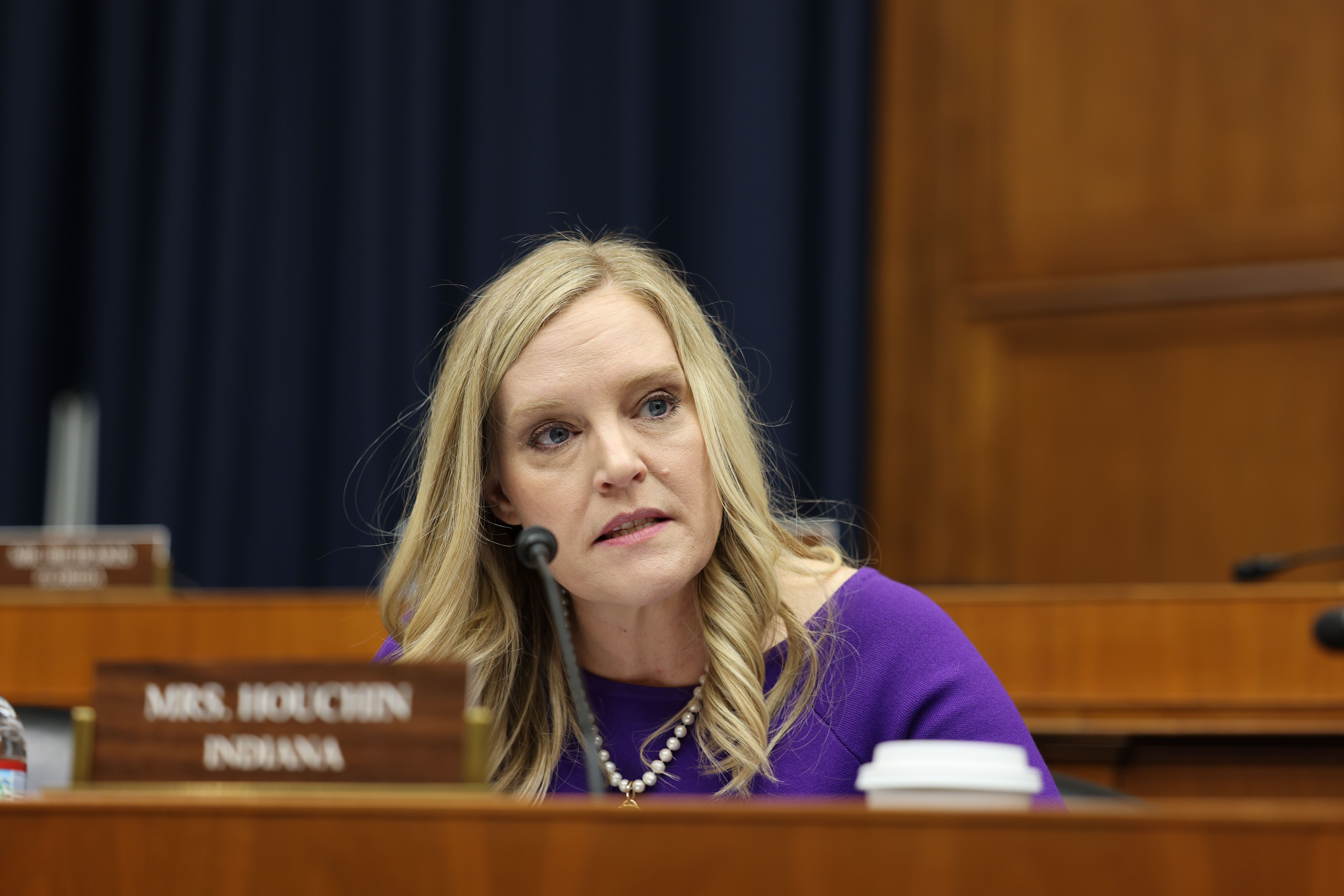
Congresswoman Erin Houchin (IN-09): “Public safety communications is one of those rare areas where the technology is moving fast. The stakes are high, and Congress has a real opportunity to make systems work better in the moments that matter most. When I've met with first responders in my district in southeast Indiana, I consistently hear that clear, coordinated systems allow them to share information quickly, direct resources effectively, and keep both first responders and the public safe.”
###