C&T Subcommittee Holds Hearing on Updating Satellite Regulations
WASHINGTON, D.C. – Today, Congressman Richard Hudson (NC-09), Chairman of the Subcommittee on Communications and Technology, led a hearing titled SAT Streamlining Act: Modernizing Satellite Licensing for the Final Frontier.
“Satellites are helping us close the digital divide by providing broadband and other critical services in remote locations. In fact, these next-generation satellite networks provide broadband at speeds and latency that rivals other forms of broadband service, connecting Americans who were previously unserved or underserved,” said Chairman Hudson.“And while work is ongoing at the FCC to update their rules for the 21st century, it is essential our committee continues to be part of the conversation.”
Watch the full hearing here.
Below are key excerpts from today’s hearing:
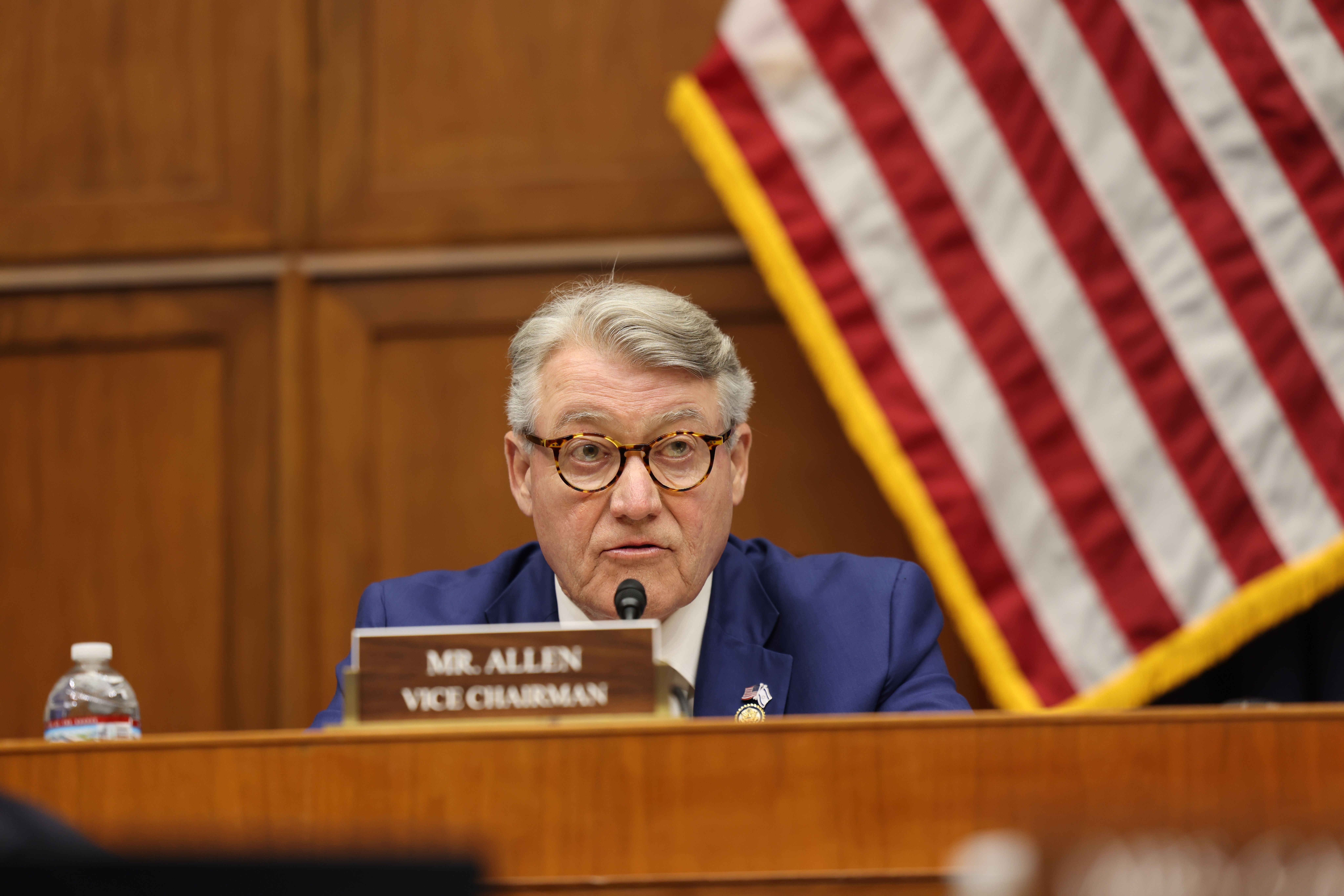
Congressman Rick Allen (GA-12): “Direct-to-device and broadband services are rapidly developing. What can Congress do to help encourage this innovation and provide for new entrants into this marketplace?” Mr. Goel: “I think Congress is doing the right things. I think this bill will help. On the FCC licensing side, I think it'll even have spillover effects on NTIA. There's always a dynamic where you almost need an excuse to hurry up the feds at the other agencies and say, ‘I've got a deadline,’ and this bill is going to do it.”
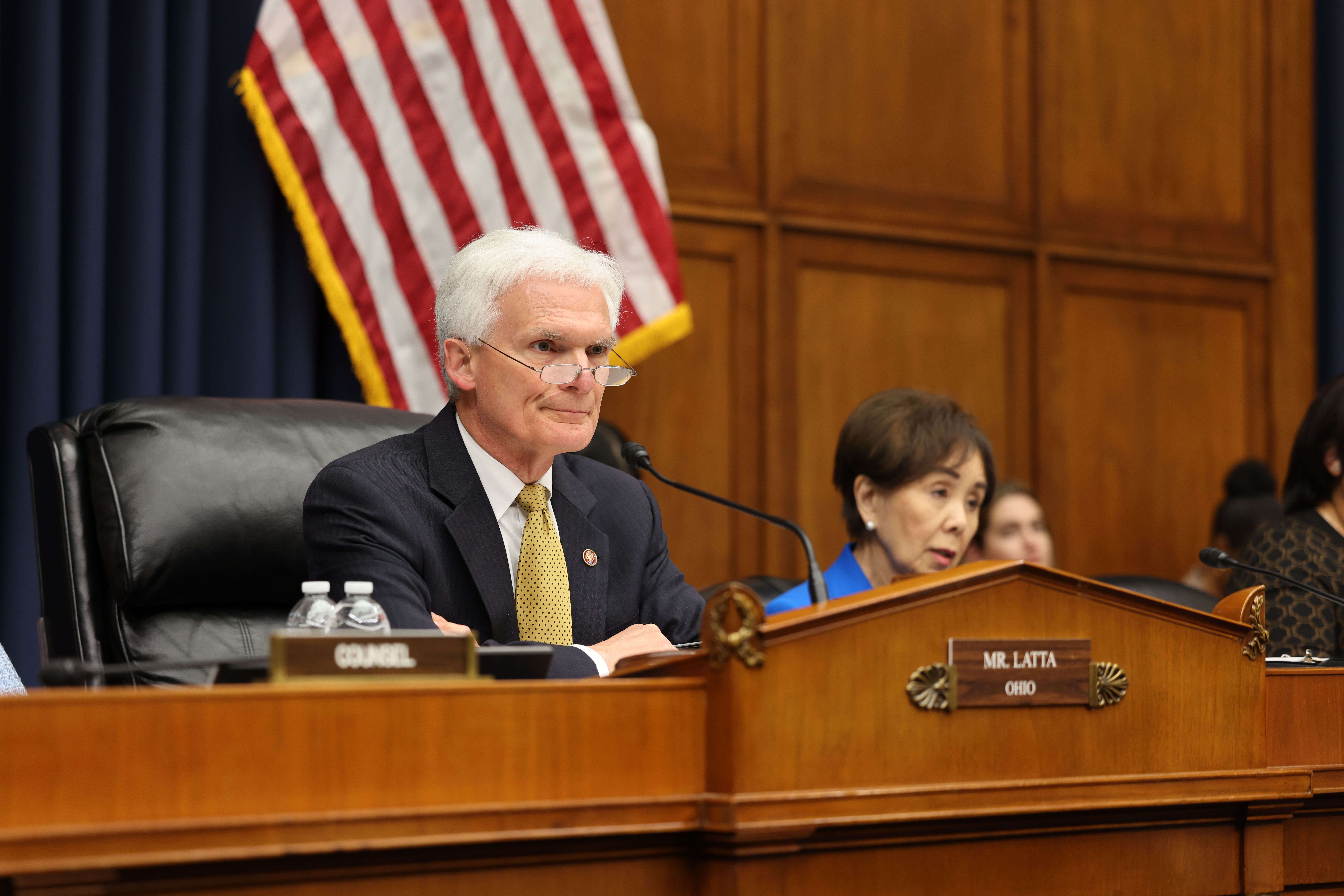
Congressman Bob Latta (OH-05): “In your testimony, it says ‘it requires us to move as fast as the innovators we oversee’. And we want to make sure that we're not hurting the innovators or the entrepreneurs out there with the legislation and the regulations. What do you see, again, especially when we're talking about licensing processes? [...] Especially when you think about Communist China and what happens over there?” Mr. Goel: “I think it puts us behind by a lot. It makes everything cost more. People waste their money on lawyers like me when they should just be able to tell what the rules are and what the requirements are and file an application and deal with some back and forth and get a license. Your point about China is extremely well taken. [...] I think it's pretty safe to say that the United States industry is well ahead of China right now in space, but you are seeing extremely deliberate and focused planning in China, from launch to broadband to imaging across the board to AI in space. So, I don't think we should be slowing down. I think people should be able to tell when they'll be able to provide service based on what they see on paper. I think that's what streamlining is really going to accomplish and unlock a lot of benefits.”
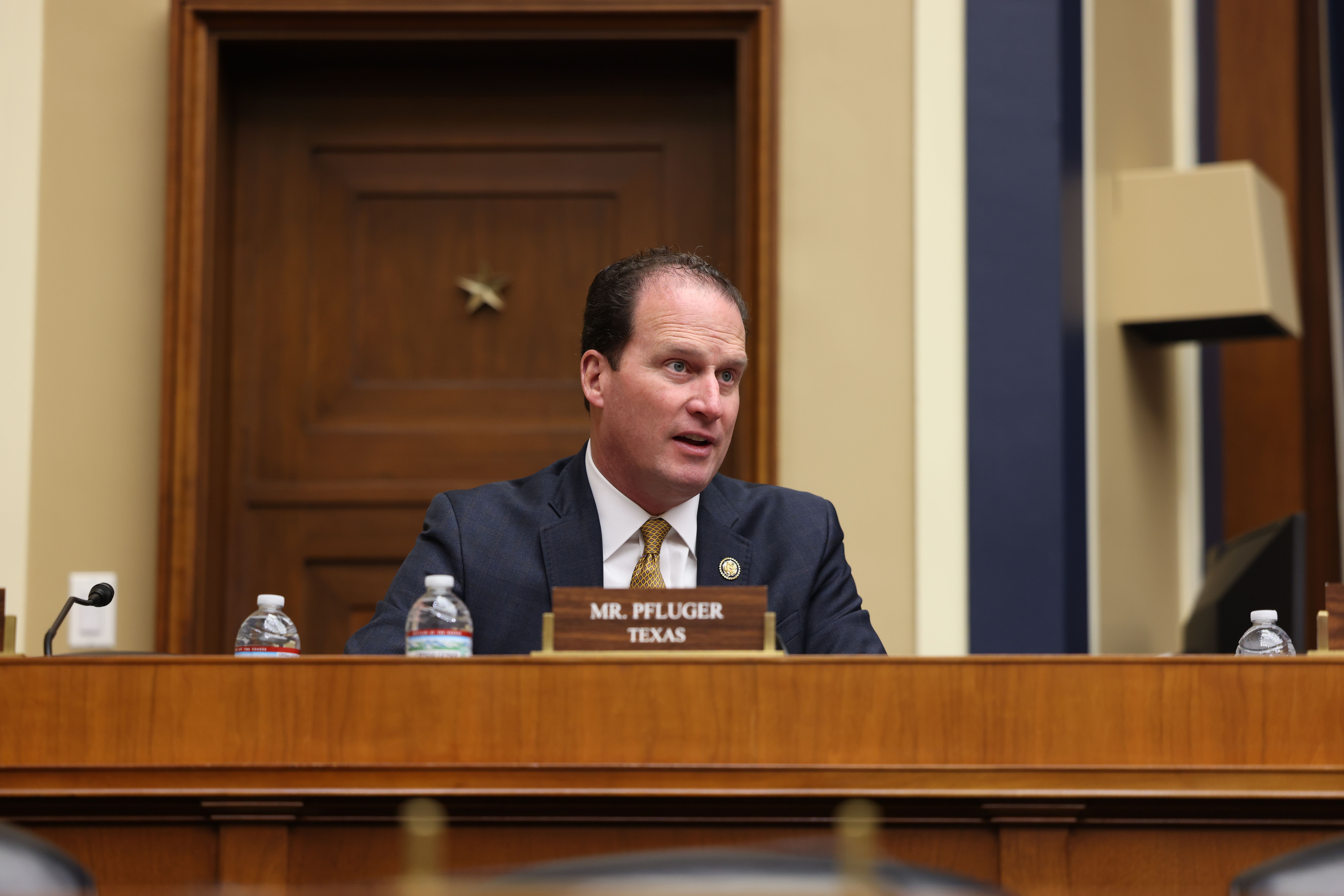
Congressman August Pfluger (TX-11): “How will the SAT Streamlining Act directly impact companies and how will the implementation of laws such as the Mystic Alerts Act be affected if we don't fix the licensing process underlying them?” Ms. Azocar: “The streamlining of licensing will enable more providers to provide a variety of different services to end users in the event of a natural disaster. Because, as Tom [Stroup] has indicated, satellite service—by its nature—is resilient and redundant in a natural disaster scenario.”