O&I Subcommittee Holds Hearing on Potomac Interceptor Collapse
WASHINGTON, D.C. – Today, Congressman John Joyce, M.D. (PA-13), Chairman of the Subcommittee on Oversight and Investigations, led a hearing titled Corrosion, Collapse, and Clean-Up: Examining the Potomac Interceptor Collapse.
“The collapse, which occurred on January 19, resulted in hundreds of gallons of untreated sewage overflowing onto nearby land and down to the Potomac River. This incident raises serious concerns about the resilience of critical wastewater infrastructure, and the impact that collapses or breaks like this can have on our communities, including on safe drinking water, public health, the environment, and local businesses,” said Chairman Joyce. “The Potomac Interceptor is a vital component of the region’s critical wastewater infrastructure. When it failed, it caused over 240 million gallons of wastewater to overflow into the Potomac River, threatening water quality, ecosystems, and the health of surrounding communities that rely on this river for recreation, fish and shellfish harvesting, and safe drinking water once treated.”
Watch the full hearing here.
Below are key excerpts from today’s hearing:
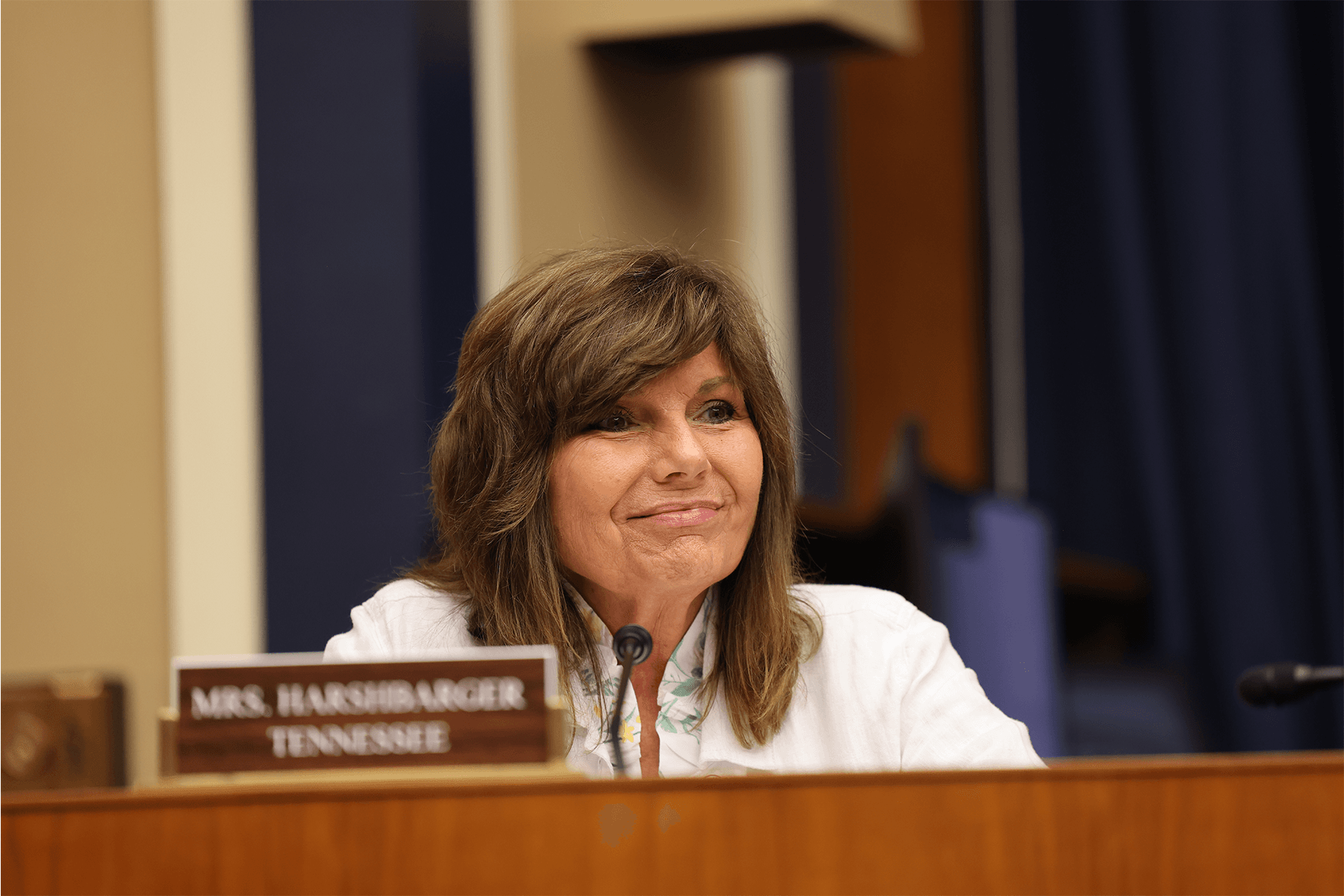
Congresswoman Diana Harshbarger (TN-01): “Assistant Administrator Kramer, how did the issuance of an emergency declaration allow for increased access to resources and a more expedited cleanup process?”
Assistant Administrator Kramer: “On the resources front, it allowed for additional deployment under FEMA's standard process — the mission assignments, scope of work, funding, and the 75/25 cost share split. In terms of what it allowed us to do on site, it enabled us to undertake remediation actions concurrently with the emergency repair of the collapse. Had there not been access to federal resources — both dollars and people — the cleanup was projected to proceed sequentially rather than concurrently. So we were able to move much more quickly.”
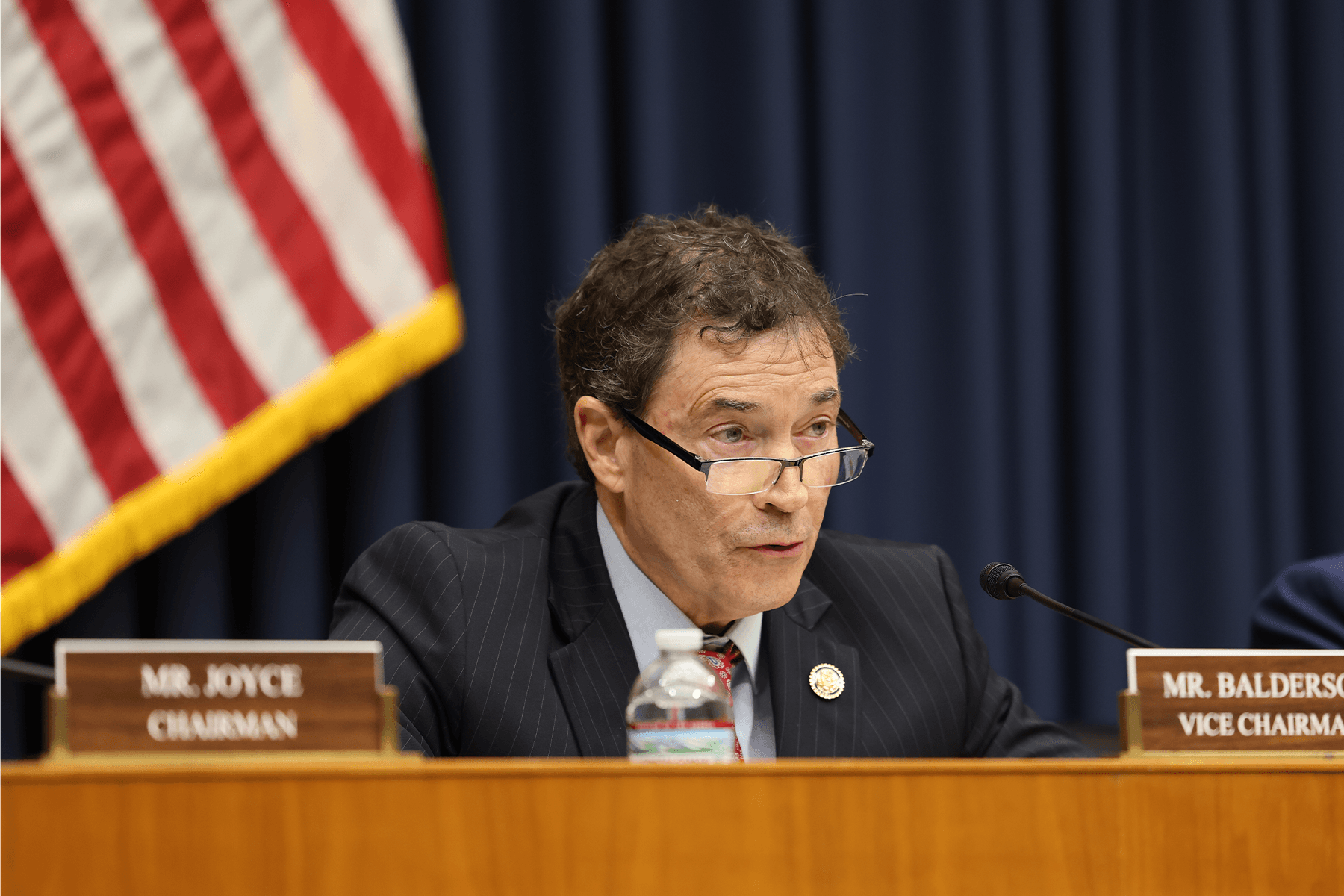
Congressman Troy Balderson (OH-12): “Your testimony also notes that the Great Falls intake site was able to provide all the necessary raw water required to meet water demand at the time of the incident, which was approximately 130 million gallons a day. If a break or wastewater overflow happened upstream from the two intake sites and the intakes needed to be closed throughout the response effort, how much water storage capacity do we have? And how long would it be able to supply the region with its water needs — such as drinking water and fire suppression — for D.C., Arlington, and Fairfax, with both intake sites closed?”
Col. Pera: “Vice Chairman Balderson, when we talk about the secondary approach that Ranking Member Clarke brought up, that added about 54 acre-feet of storage capacity. We're at about 47 acre-feet right now in our reservoir. So we're estimating close to that same 12 hours that we would be getting with that additional expansion of the reservoir — about 12 hours right now. There are some control measures that you can put in through strategic communication — asking the public to hold off on water use — that we can do through our platforms. But right now, it's about 12 hours.”
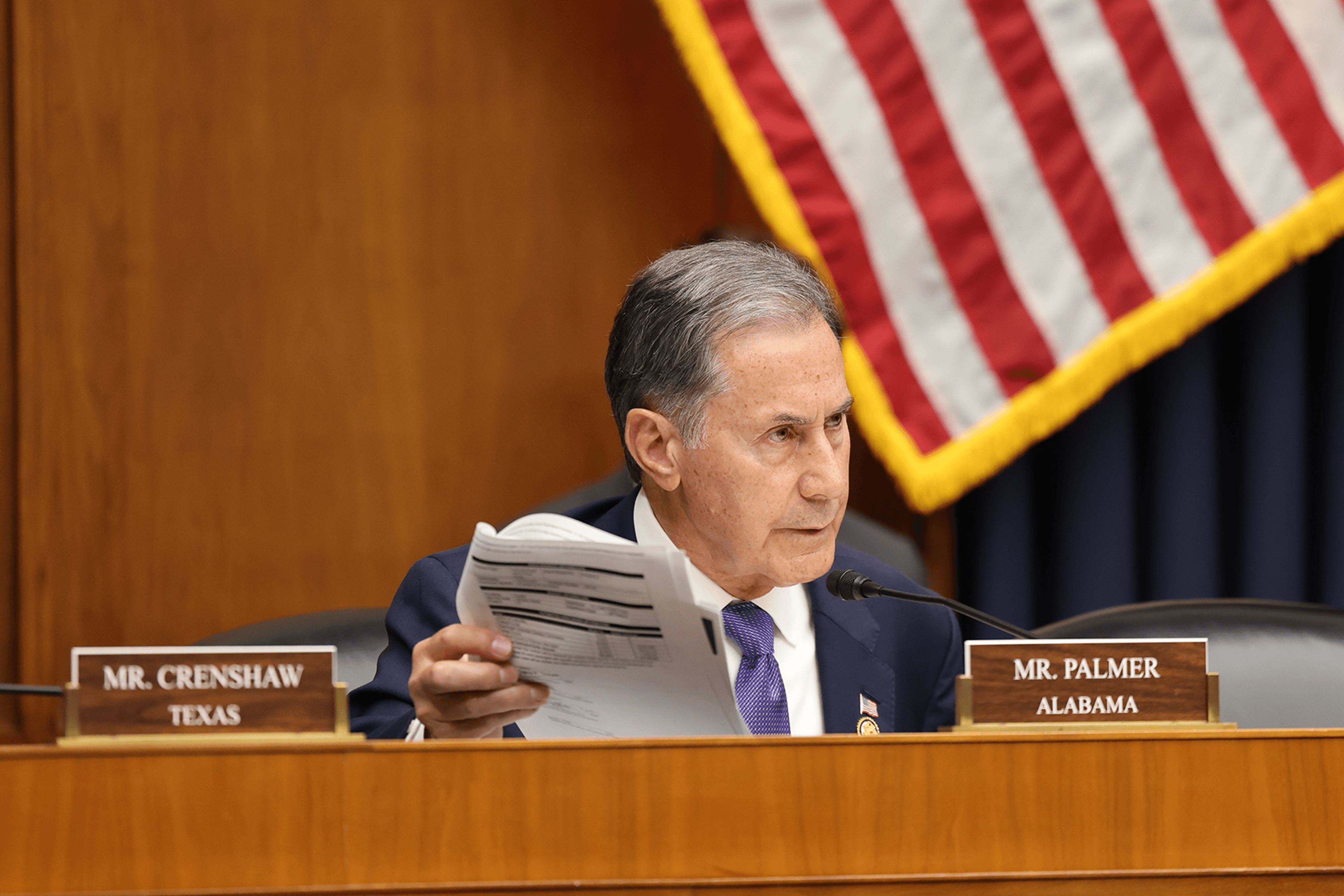
Congressman Gary Palmer (AL-06): “Trying to avoid any culpability or any appearance of incompetence is not what this is about. It's about making sure this doesn't happen again. This is an ecological and environmental disaster because you didn't execute the contract in a timely manner to have someone on site with the ability to mitigate a collapse or a breach. And that really bothers me. What I'm trying to find out is why the contract wasn't executed and why this was allowed to happen. There are failures across the board. The Park Service, the Corps of Engineers — they all should have been informed when the inspection showed certain sections of the line were in imminent possibility of breach or collapse. This should have been a total team effort. The one thing you did right, in my opinion, was that your engineer gave a report to the board or members of the board, and they approved an emergency contract. The one thing you really failed on was executing the contract. And I'm not done with this. I'm going to continue to look into this, because this is not a red or blue issue. This is not liberal or conservative. It's about taking care of people.”
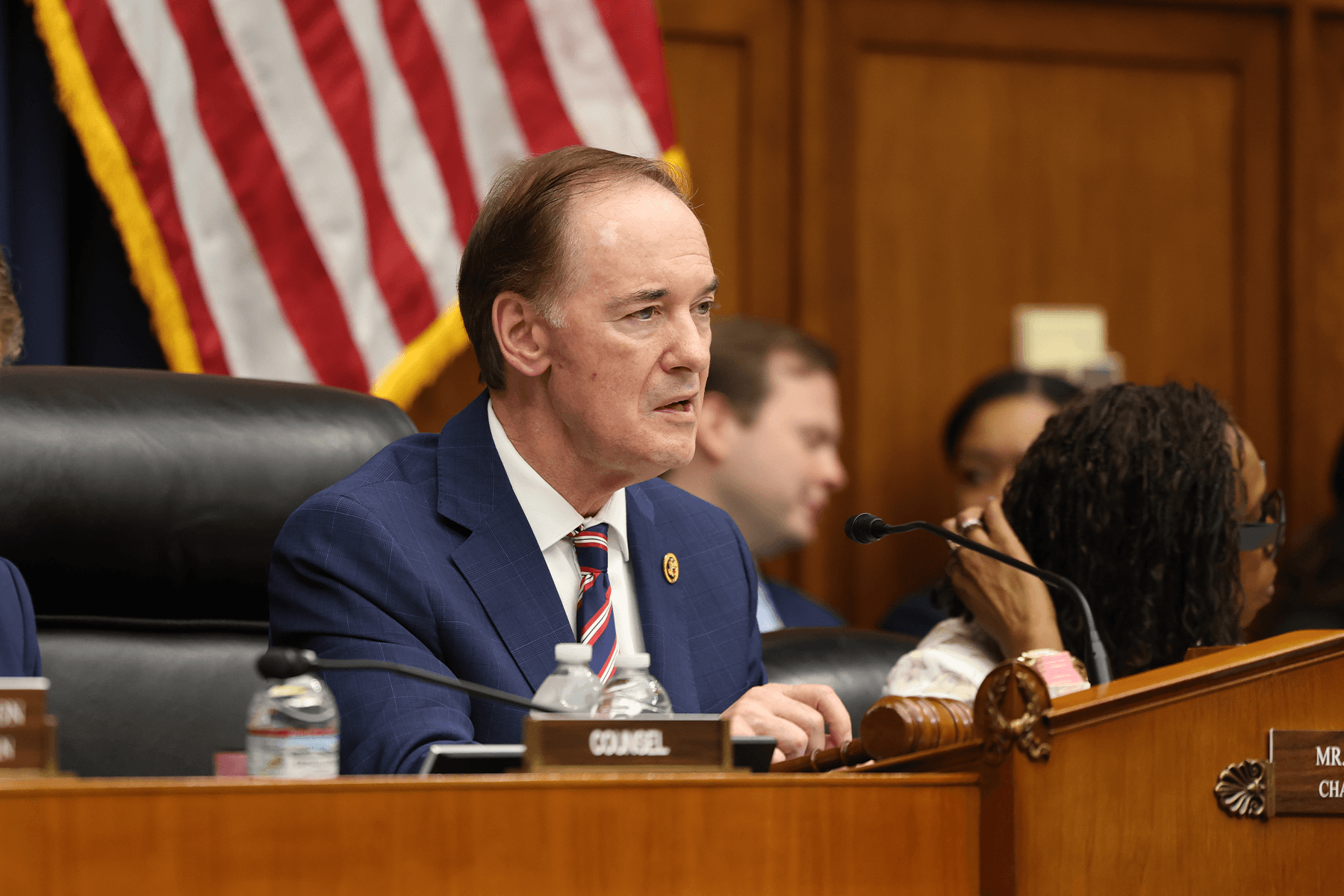
Congressman John Joyce, M.D. (PA-13): “How confident are you that another collapse like this will not occur?”
Mr. Gaddis: “Congressman, I think that's sort of a hypothetical, and I—”
Congressman Joyce: “That's what I'm asking you — a hypothetical. With the information you have, with the drones you've utilized, with everything from your investigation, how can we tell the public that another imminent situation like January 19th won't be occurring soon?
Mr. Gaddis: “We're hopeful that we do not have another break like this one, and that is why we're doing all the things we're doing right now. But there are no guarantees when dealing with aging infrastructure.”