CMT Subcommittee Holds Hearing on Establishing a Federal Data Privacy Law
WASHINGTON, D.C. – Today, Congressman Gus Bilirakis (FL-12), Chairman of the Subcommittee on Commerce, Manufacturing, and Trade, led a hearing titled Examining Legislation to Establish a Federal Comprehensive Privacy and Data Security Law.
“Americans, regardless of political affiliation, share a fundamental expectation that their personal data be protected and secure. The SECURE DATA Act builds on proven, successful models to establish a strong national privacy and data security standard with meaningful, enforceable consumer protections,” said Chairman Bilirakis. “The productive dialogue during today’s hearing represents an important step toward creating a framework that puts constituents back in control of their personal information while holding bad actors accountable. We look forward to advancing this legislative package and ensuring these critical safeguards are enacted.”
Watch the full hearing here.
Below are key excerpts from today’s hearing:
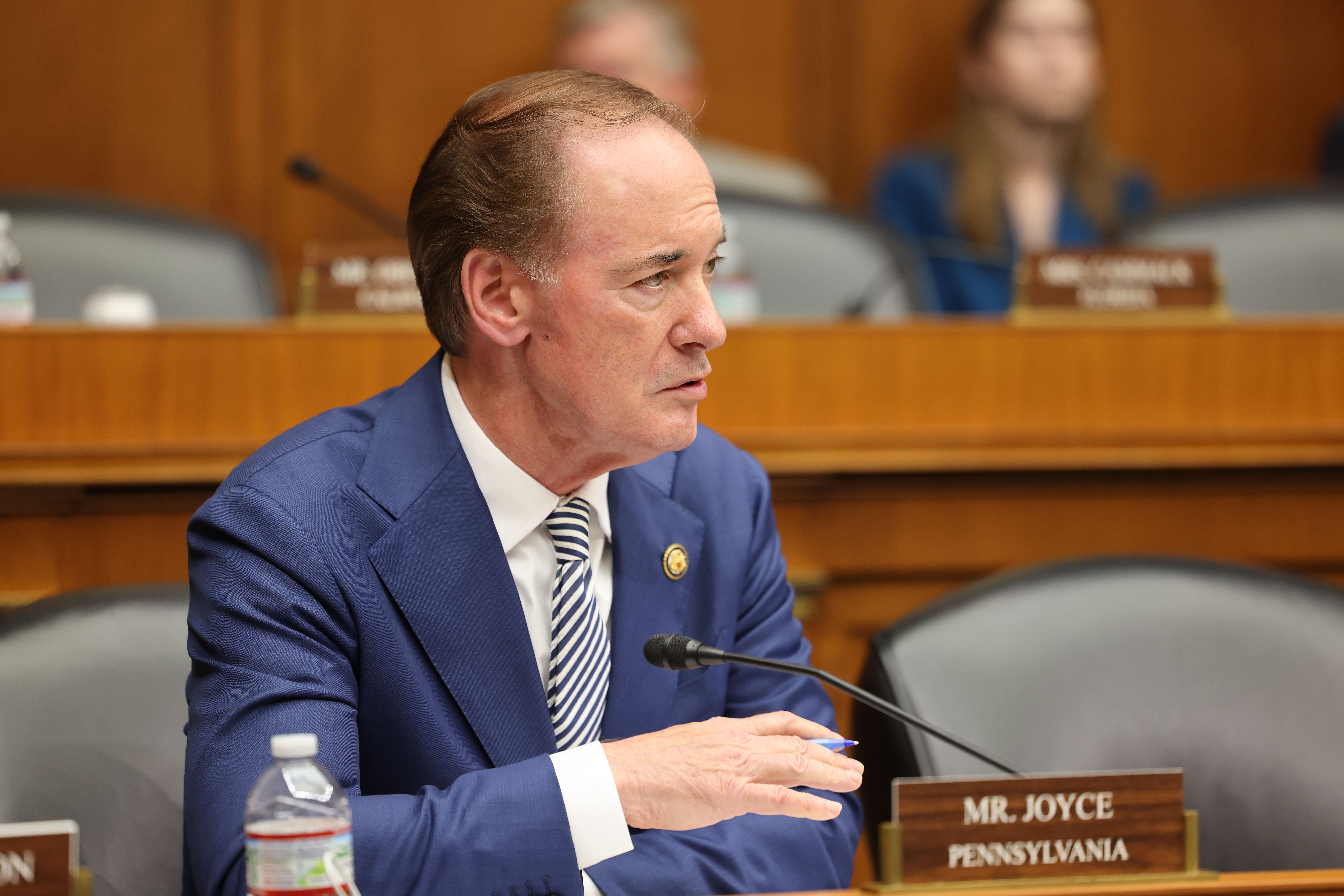
Congressman John Joyce, M.D. (PA-13): “Why do you believe that the consensus state approach to comprehensive privacy and data security offers the best pathway forward to consensus from the federal level?” Ms. Watts: “We are really proud in Kentucky to have had a consensus-based bill that passed unanimously through our general assembly and was signed into law.” Congressman Joyce: “How's it working?” Ms. Watts: “It's working great so far. It passed during the general assembly of 2024. It is now in full effect. [...] It passed unanimously. And we have a supermajority of Republicans.” Congressman Joyce: “And who signed it into law?” Ms. Watts: “A Democratic Governor.” Congressman Joyce: “This shows that this is a bipartisan concern. We in the U.S. House of Representatives understand that and can work in a bipartisan manner to make this effective.”
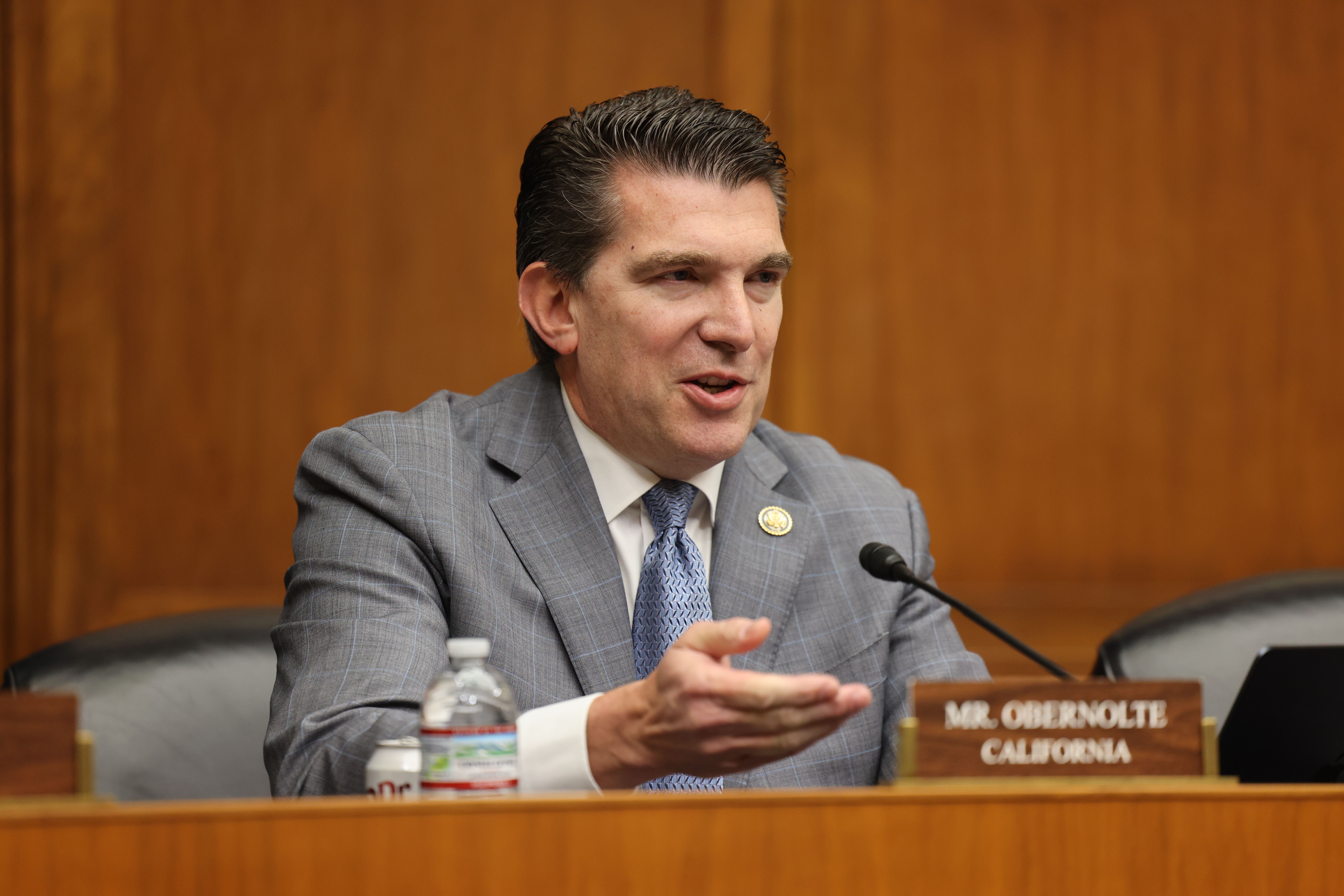
Congressman Jay Obernolte (CA-23): “We tried very hard to take a consensus approach where we took the best of what every state had to offer. And that would mean being somewhere in the middle, [...] looking at what worked. [...] The weakest state standard right now is no standard. We have 22 different state standards. That means the majority of states have zero protections for consumers when it comes to digital data privacy.”
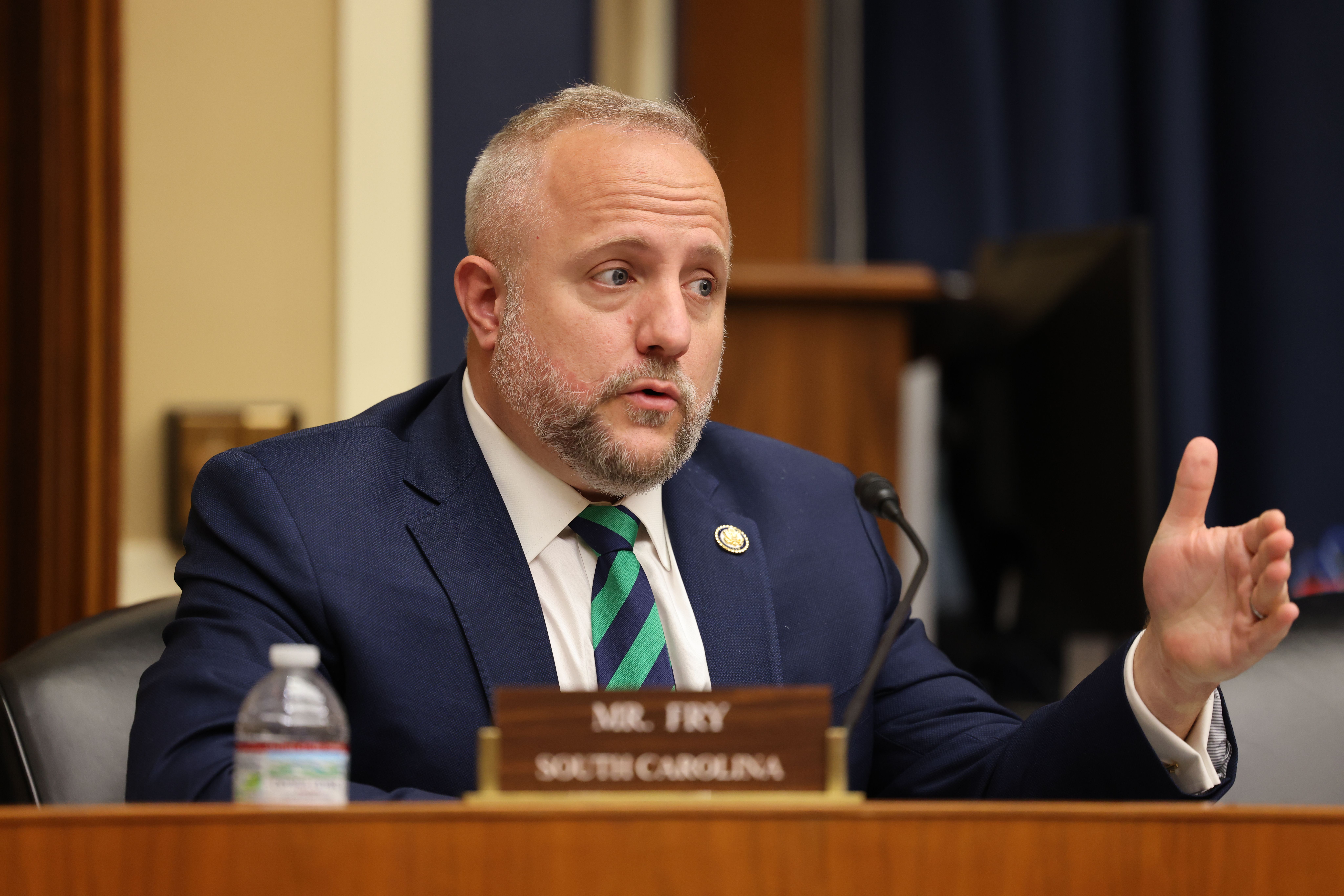
Congressman Russell Fry (SC-07): “I served in the state legislature, and we often borrowed good ideas from other states, and we shunned ones that were not successful in other states. This was no different. [...] California's model seems to be modeled after the European model more than it does some other states. [...] Do you know what happened in Europe after they passed the GDPR model? The National Bureau of Economic Research found that the GDPR that took effect in 2018 has seen technology startups decline in Europe. [...] What Europe did might have been an overreaction to a problem. And maybe what California did was an overreaction to a problem. States like Kentucky seem to be trying to find the right balance.”