Energy Subcommittee Holds Hearing Conducting Oversight of the Nuclear Regulatory Commission
WASHINGTON, D.C. – Yesterday, Congressman Bob Latta (OH-05), Chairman of the Subcommittee on Energy, led a hearing titled Nuclear Regulatory Commission: Oversight of Activities, Priorities, and Fiscal Year 2027 Budget.
“We need firm, reliable power, and a lot more of it. Successful deployment of nuclear technologies promises to help meet future energy demand, as well as assist in a range of other applications beneficial to society,” said Chairman Latta. “Expanding nuclear deployment also promises to strengthen our national security, by increasing nuclear commerce with allies and supporting a more cost-effective nuclear industrial base.”
Watch the full hearing here.
Below are key excerpts from yesterday's hearing:
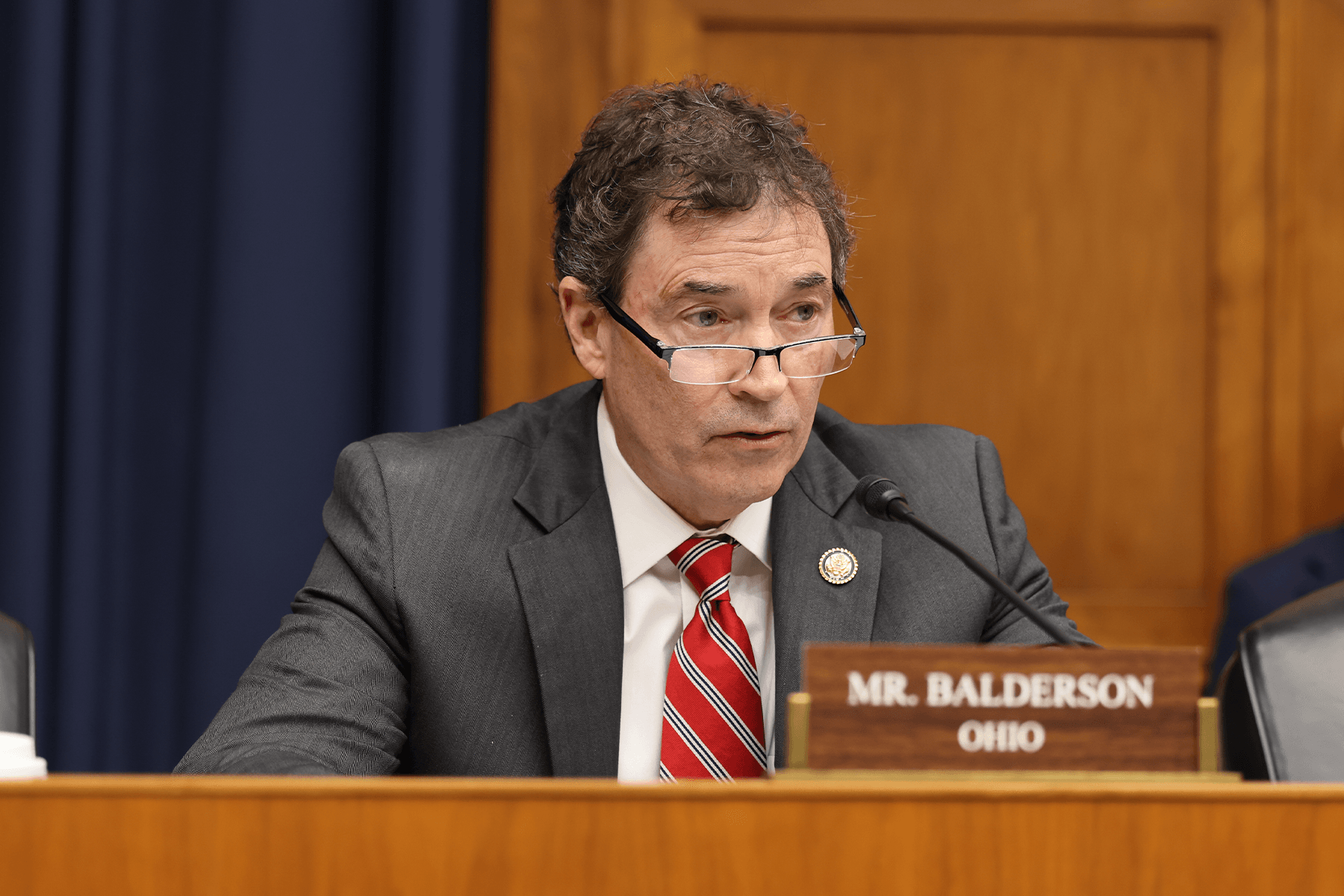
Congressman Troy Balderson (OH-12): “Chairman Nieh, I'd like to touch on the Commission's process for reviewing uprate requests to nuclear facilities that increase their generation output. Last year, the House passed my bill, the GRID Power Act, which will help expedite certain generation projects through grid operators' interconnection queues. And recently, FERC has approved requests from grid operators to expedite projects through their queues to increase generation and meet the growing demand. For example, PJM's Reliability Resource Initiative includes five nuclear projects, including for upgrades at nuclear facilities to increase capacity by nearly 500 megawatts. Can you discuss the NRC's review process for uprate requests at existing nuclear facilities, and what's your timeframe for finishing these reviews?”
Chairman Nieh: “Thank you, Congressman, for the question. The NRC has had a power uprate program for decades. And in fact, over the years that we've been doing power uprates, we have approved nearly 9,000 megawatts electric of upgraded capacity. That's equivalent to about nine large nuclear power plants. And we look at power uprates in three different categories. We have small uprates that we call measurement uncertainty recapture — a couple percent. Then we have stretch power uprates, which are on the order of 7 to 10% of additional power. And then extended power uprates, which are either up to 20% or perhaps slightly more. So we have a lot of experience doing this. We're using efficiencies and informed approaches, and we are aligning our organization to be able to process these license applications in very reasonable periods of time. We actually have specific mandates for timeliness for our licensing activities that were driven in part by the ADVANCE Act as well as the executive order. And we intend to deliver very timely decisions for uprate activities that we're anticipating.”
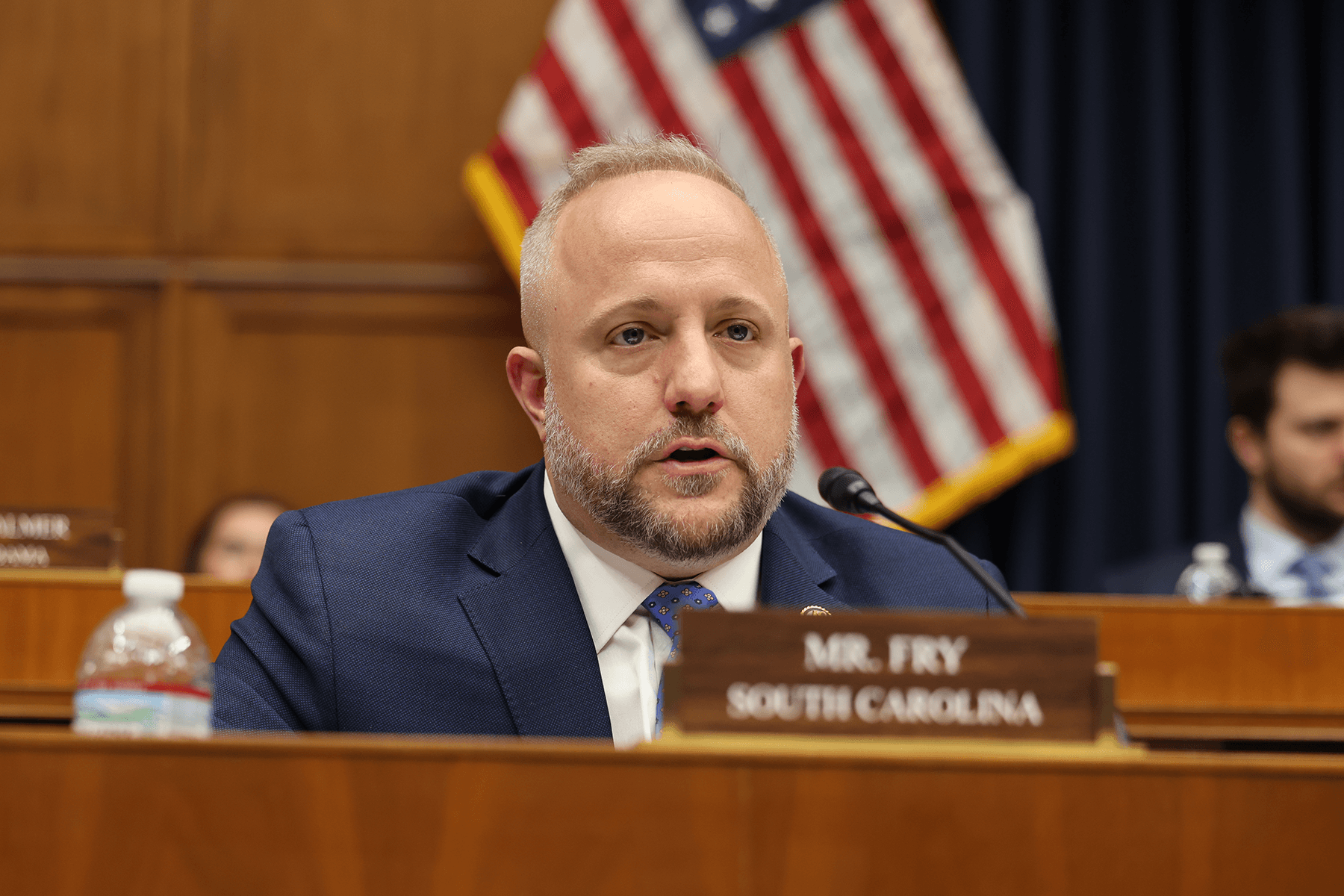
Congressman Russell Fry (SC-07): “South Carolina knows the value of nuclear energy. In our state, nuclear power is not theoretical. It is very much a tremendous part of the fabric of who we are — it supports our economy, our grid reliability, and certainly our energy future. South Carolina has been a leader for decades in this space, and I think we'll continue to be. In the district I represent, the Robinson Nuclear Plant in Darlington County is a clear example of that value. It supports hundreds of jobs, keeps the lights on across the region, and serves as a major economic anchor in the surrounding community.”
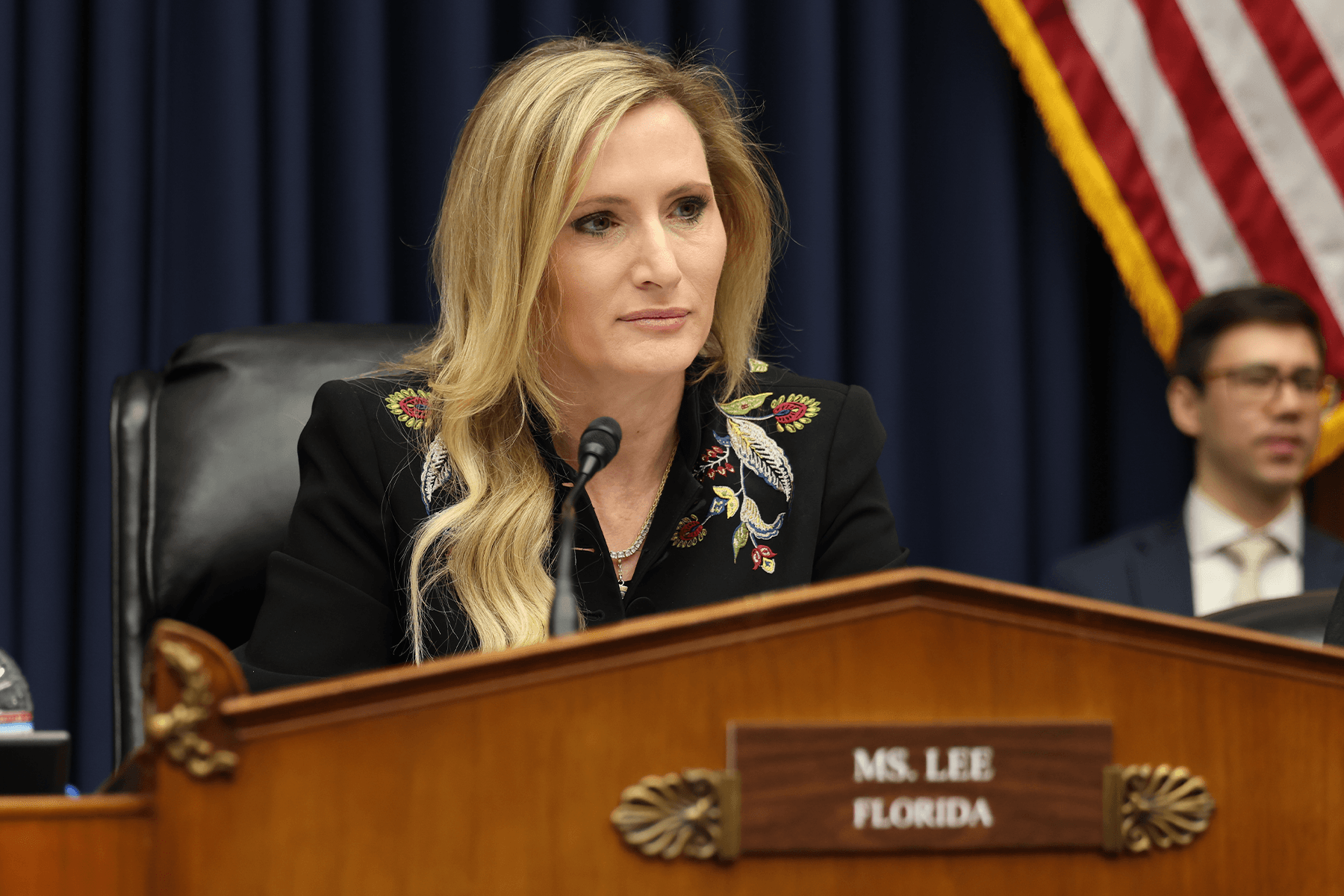
Congressman Laurel Lee (FL-11): “We are at a pivotal moment for American energy policy as energy demand continues to grow. Congress and the Administration have both taken steps to accelerate the deployment of nuclear technologies through the ADVANCE Act and also recent executive orders. But with that momentum comes a central challenge: ensuring that efforts to increase efficiency and speed do not come at the expense of the Nuclear Regulatory Commission's core mission of safety, independence, and public trust. As deployment expands, the NRC's ability to effectively coordinate with partners like the Department of Energy and the Department of Defense, while still maintaining its independent regulatory authority, will be critical.”