Energy Subcommittee Holds Hearing on Meeting Growing Power Demand While Protecting Ratepayers
WASHINGTON, D.C. – Today, Congressman Bob Latta (OH-05), Chairman of the Subcommittee on Energy, led a hearing titled AI and the Grid: Meeting Growing Power Demand While Protecting Ratepayers.
“Our global competitors are not slowing down. China is investing heavily in AI with the explicit goal of surpassing the United States,” said Chairman Latta. “That’s why it’s vital that we ensure that interconnecting new data centers lower costs and brings benefits to households like grid modernization, more dispatchable energy resources, and significant state and local tax revenue.”
Watch the full hearing here.
Below are key excerpts from today’s hearing:
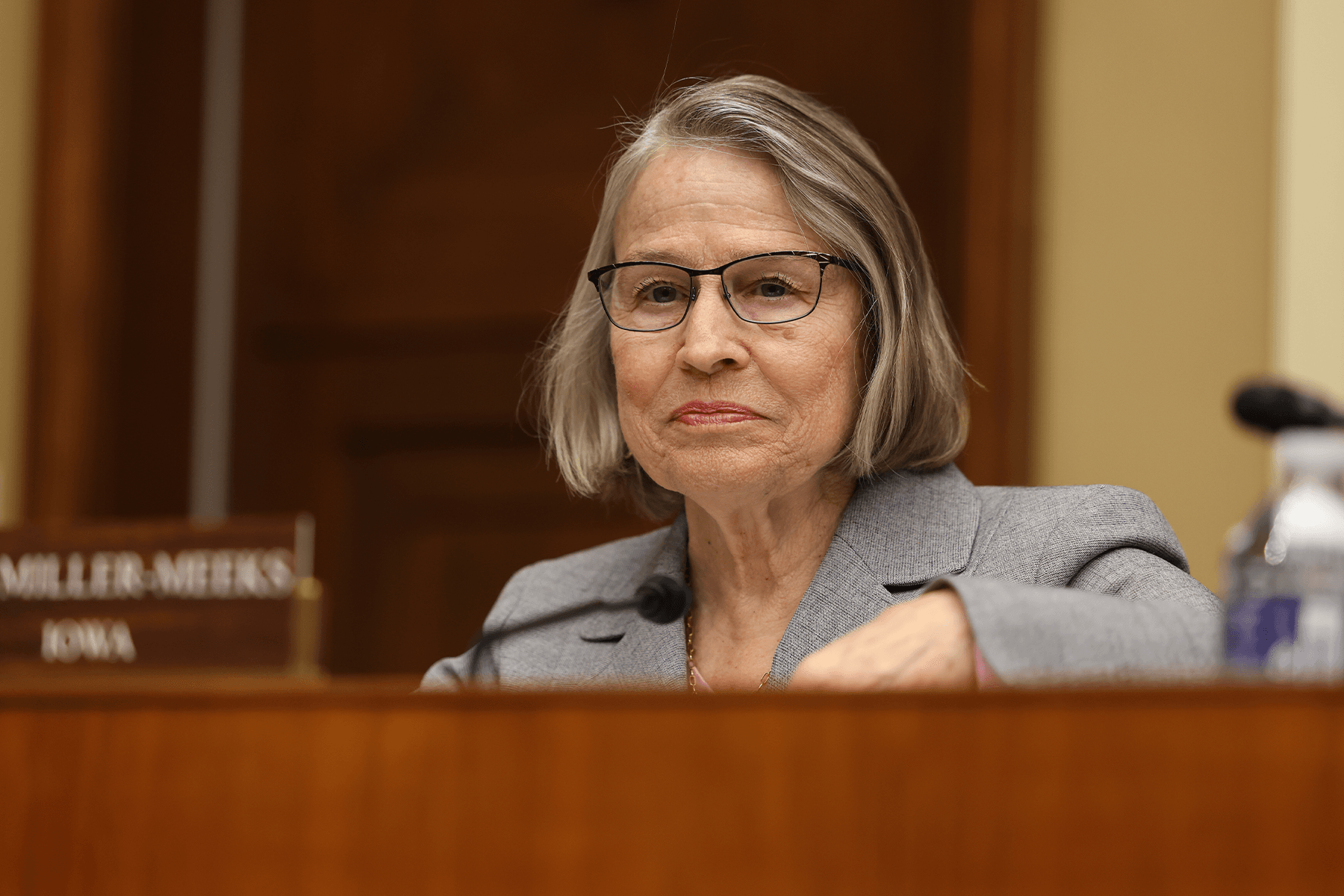
Congresswoman Mariannette Miller-Meeks (IA-01): “Electricity demand is growing faster than at any point in recent memory, driven by AI, advanced manufacturing, and electrification. Meeting that demand requires new generation, upgraded transmission, and the regulatory frameworks to support both. The bills before us today address the right set of problems: accurate load forecasting, cost-effective transmission expansion, and making sure infrastructure costs are borne by the customers who caused them.
“Mr. Peeler, in your testimony you highlight using advanced conductors, dynamic line ratings, and other grid-enhancing technologies to unlock more capacity on existing lines as a bridge while long-lead equipment is being installed. You also mentioned that Duke Energy is in the middle of the largest capital buildout in your company's history, and how permitting reform is a critical enabler to allowing you to efficiently deploy those investments. What do you think about allowing reconductoring and grid-enhancement technology deployment within existing rights-of-way to be considered as a new categorical exclusion under NEPA?”
Mr. Peeler: “Thank you for the question. Certainly anything that speeds the process while continuing to provide environmental protections is a great tool for us. We would certainly support that.”
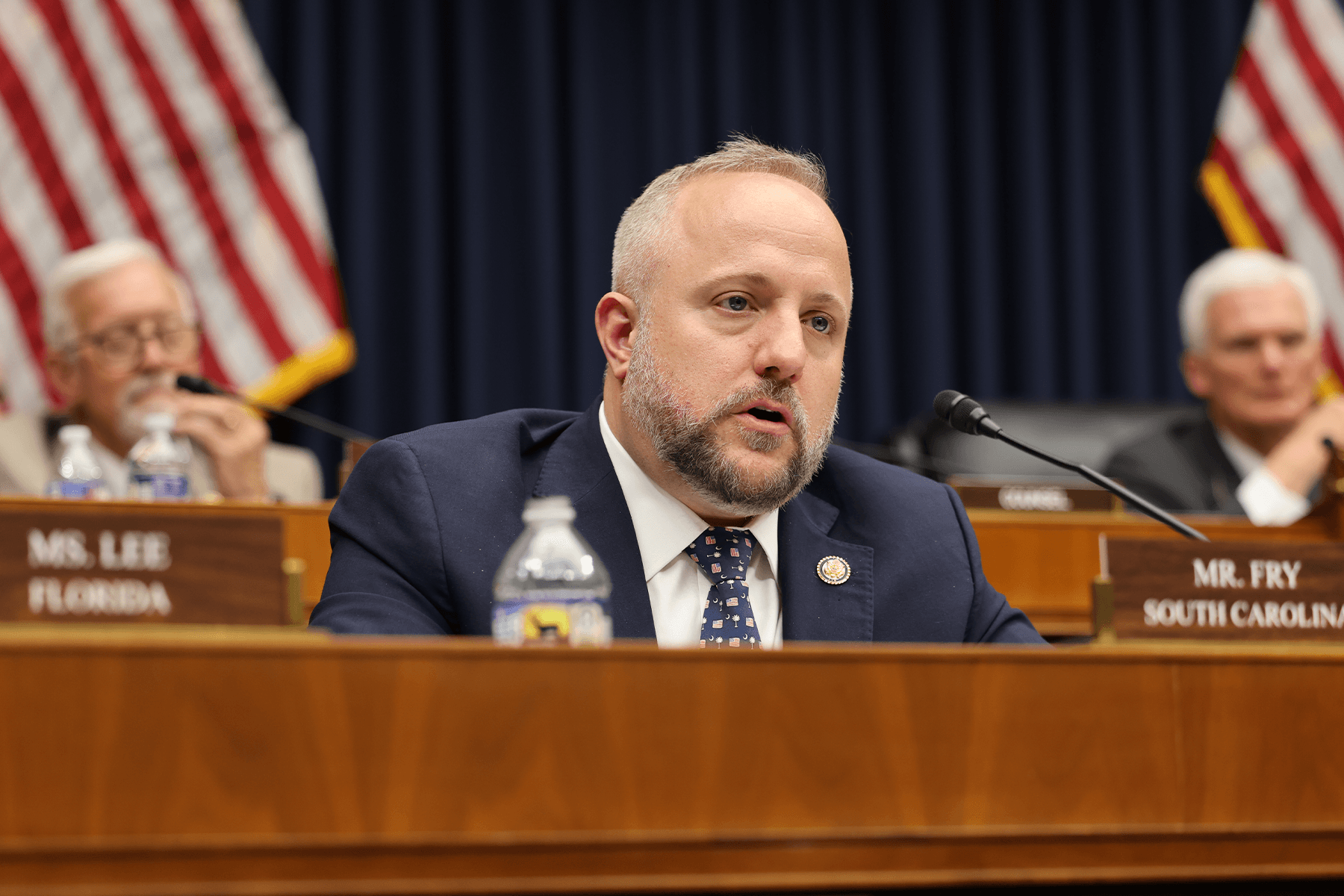
Congressman Russell Fry (SC-07): “Just last week, I was thrilled to hear that the NRC approved Robinson's application to operate for an additional 20 years through 2050, which is important for both the local area and the entire state. It's an exciting time for the district, for South Carolina, and certainly for Duke Energy.
“In light of the growing demand for power, there is discussion about permitting reforms to ensure the production and supply of that power. Last week, the head of the National Association of Regulatory Utility Commissioners wrote a letter to leaders of the Senate Energy Committee who were reportedly involved in permitting reforms themselves. This letter made several points about reforming federal permitting processes and reducing red tape, not increasing it. It concluded, with respect to transmission, that members "should resist any effort to concentrate even more authority over local siting decisions in the federal government.”
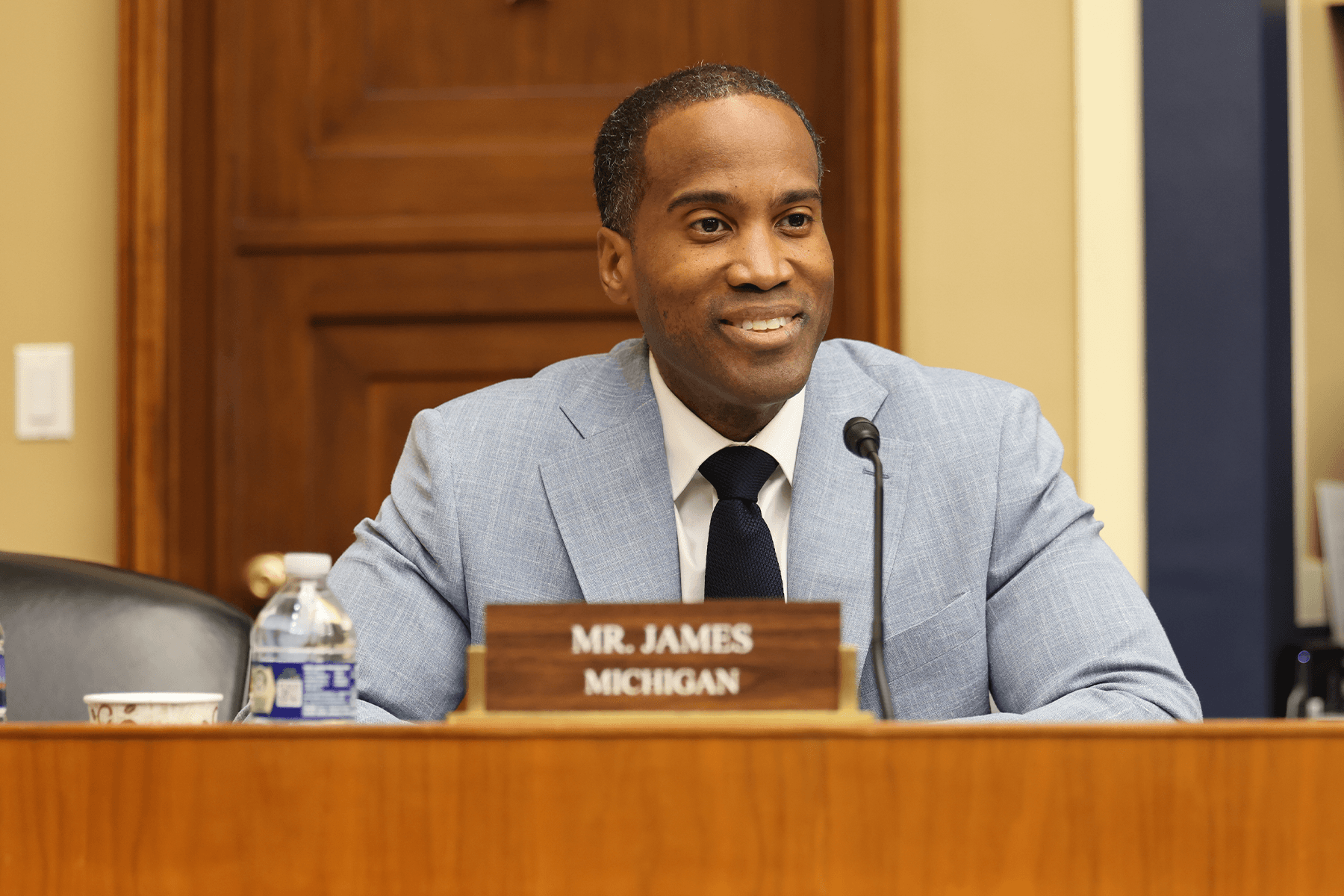
Congressman John James (MI-10): “We're here today because the stakes could not be higher. The United States is in direct competition with China to lead the future of artificial intelligence. Winning that race will require more than innovation — it will require the ability to generate and deliver massive amounts of reliable power. It's clear energy demand is rising fast, driven in large part by data centers and advanced computing. That presents a real opportunity, especially for states like Michigan. Data centers can bring investment, jobs, and long-term economic growth. But we have to get the fundamentals right: local control, brownfields before farmland, protect our water, and keep electric bills low.”