Energy Subcommittee Holds Hearing on the Department of Energy FY2027 Budget
WASHINGTON, D.C. – Today, Congressman Bob Latta (OH-05), Chairman of the Subcommittee on Energy, led a hearing titled The Fiscal Year 2027 Department of Energy Budget.
“This subcommittee has spent considerable time examining this historic load growth and what type of energy system is needed to fuel data center demand,” said Chairman Latta. “Without fail, experts across the field have testified that the answer is dispatchable, reliable, and affordable supplies of baseload power. In recognition of these needs, the Department has prioritized dispatchable resources that can power next-generation technologies and keep the lights on when we need it most.”
Watch the full hearing here.
Below are key excerpts from today’s hearing:
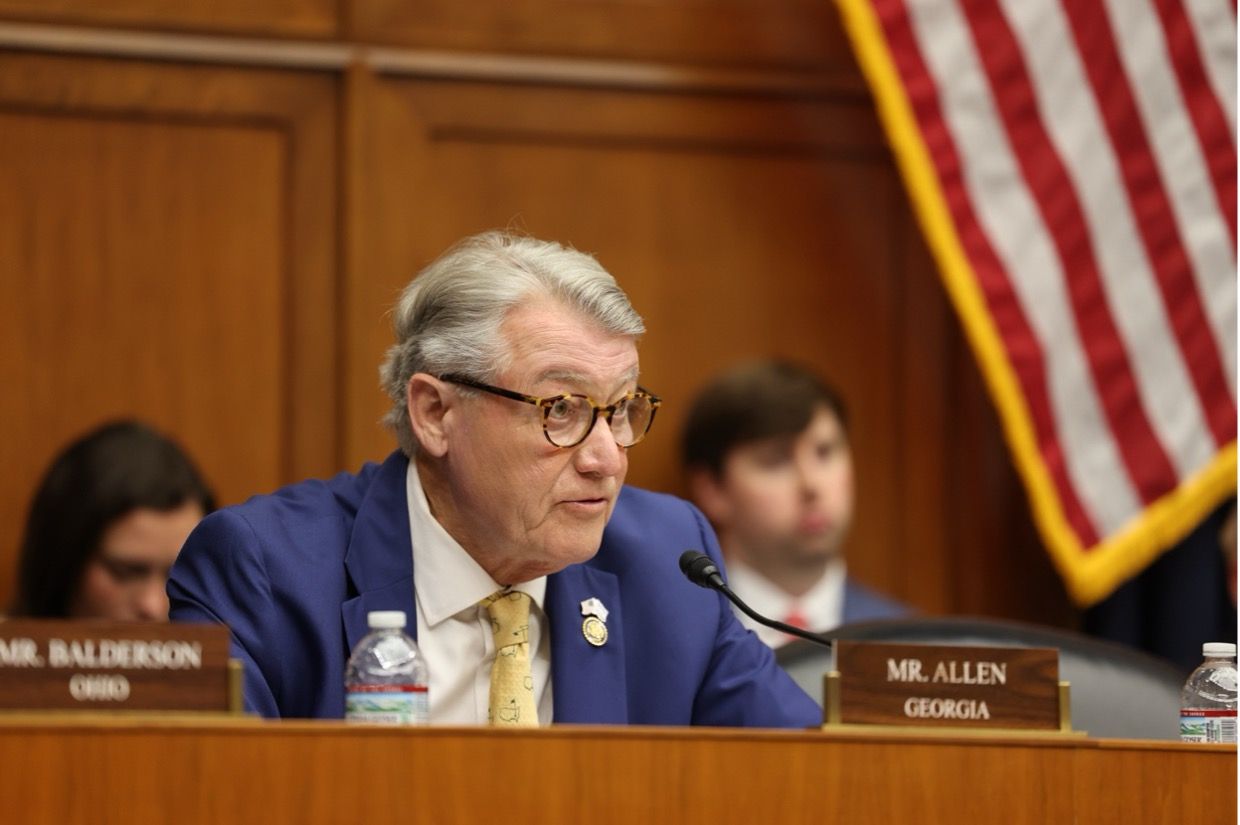
Congressman Rick Allen (GA-12): “Nuclear energy plays a vital role, and I'm proud to highlight that my district is home to Plant Vogtle, the nation's largest and most advanced clean nuclear energy facility, with Units 3 and 4 now fully operational. Nuclear energy is critical for our nation's energy security, and I'm glad that the Trump Administration is promoting nuclear energy. I look forward to continuing to work with you on deploying our nuclear energy capabilities.
“The refocused Office of Energy Dominance Financing is committed to the responsibility of deploying capital to projects that meaningfully contribute to energy security and lower energy costs for Americans. These are projects that can be built quickly and start making a real difference, generating electricity and a return on investment alike. Mr. Secretary, how can the EDF be utilized to expand existing nuclear plants, gas generating plants, and grid components to build our capacity and usher forward the next generation of reactors?”
Secretary Wright: “Two of our early loans from the Energy Dominance Finance program are for nuclear plant restarts, both the Palisades plant in Michigan and the formerly Three Mile Island, which will be rechristened the Crane Clean Energy Center. Those are EDF loans from the Department of Energy in partnership with solid corporate partners that are leading the effort and funding with equity. We're just their debt partners coming along with them.
“EDF loans will almost certainly be part of the first five or ten new reactors that are built in this country. Commercial lenders will be right there along with us, and after we get that ball rolling again, I think the commercial capital markets will fill that role nicely. But there is an important role for us at the start. We need key equity partners, and we need the right projects. The enthusiasm is high, and I believe we'll get the nuclear ball moving again.”
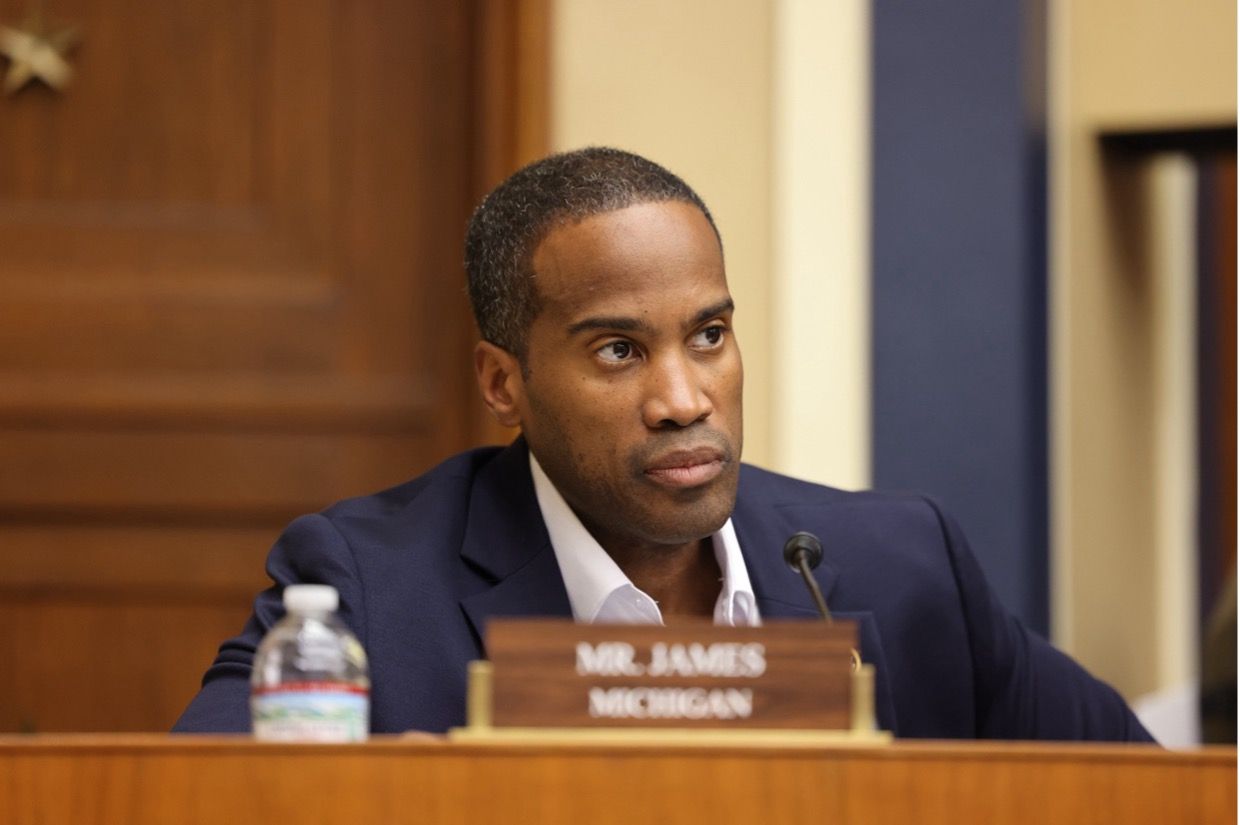
Congressman John James (MI-10): “What we saw during Winter Storm Fern should be a wake-up call for Michigan, because when the grid was under maximum stress, the truth became very clear: reliability is not theoretical. It's tested in moments like these.
“Look at New England at the peak of the storm. They weren't relying on wind and solar. They were burning fuel oil for 35 percent of their power, natural gas for 32 percent, and even garbage and wood to keep the lights on. Wind produced just 2 percent. Solar, effectively zero. Now think about that, even if you doubled wind capacity, you're talking about 4 percent. If you doubled solar, you're still at zero percent during a winter storm. These are not reliable sources when you need them the most.
“And let's be honest about the environmental reality: burning archaic fuel oil, wood, and garbage for power is far worse for the environment than modern natural gas or nuclear energy.
That's not the example we want to follow in Michigan, but that's exactly the path that Lansing's net-zero mandates are pushing us toward. They are forcing reliable thermal generation off the grid while flooding the interconnection queue with intermittent wind and solar that clearly don't perform during peak demand.”
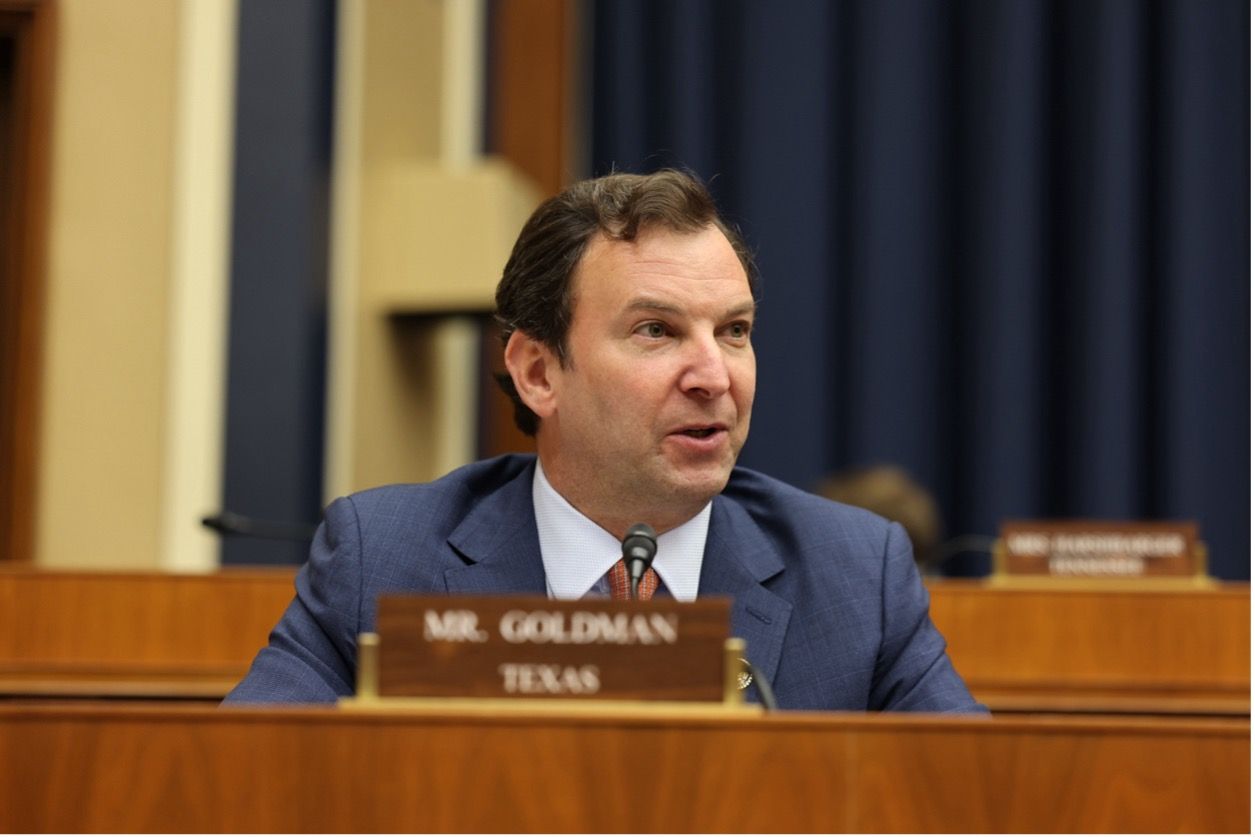
Congressman Craig Goldman (TX-12): “Mr. Secretary, thank you very much for being here. Let's talk about affordability. My friends across the aisle like to talk about gas prices, but more importantly, gas taxes. Every state is not equal, is it?”
** Secretary Wright:** “No, and the differences are pretty dramatic. We've made maps on this, and they look like political maps. You want to know where gasoline is expensive, where electricity is expensive — look in the blue states. There are political choices across this country in blue states to make electricity expensive and to make gasoline expensive.”