Energy Subcommittee Holds Hearing to Discuss Affordable Nuclear Energy to Power American Communities
WASHINGTON, D.C. – Today, Congressman Bob Latta (OH-05), Chairman of the Subcommittee on Energy, led a hearing titled Nuclear Spent Fuel Policy: Examining Nuclear Lifecycle Innovation Campuses.
“Nuclear Lifecycle Innovation Campuses represent a new effort by the Department of Energy and the Administration to ‘transform the nuclear fuel cycle.’ The program intends to support the nation’s nuclear policy ambitions as well as begin to address the federal government’s statutory responsibility for disposal of nuclear waste,” said Chairman Latta*. “This involves taking spent fuel from reactors around the nation to a campus where the fuel can be stored, recycled, and related waste disposed. When it comes to increasing reprocessing, my view is: it is about time.”*
Watch the full hearing here.
Below are key excerpts from today’s hearing:
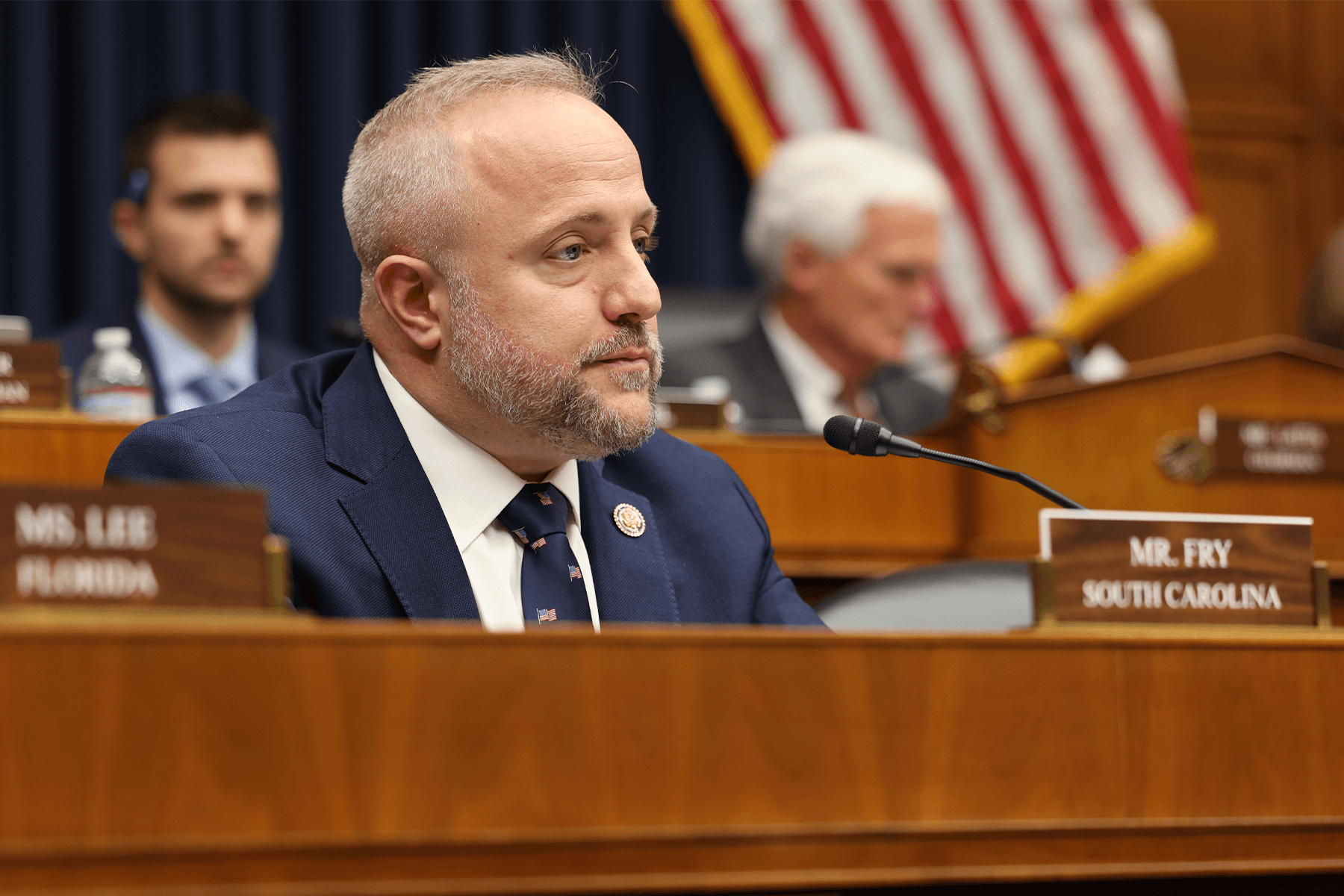
Congressman Russell Fry (SC-01): “I think there's a tremendous opportunity to strengthen America's domestic nuclear fuel cycle, encourage private investment, and find innovative solutions to our longstanding spent fuel challenge. The administration's campus initiative has the potential to advance all three of those. As this effort moves forward, Congress has an important role in ensuring the Nuclear Waste Fund continues to support its intended disposal mission, while also identifying the right mix of federal, state, and private investment to support the broader activities envisioned by these campuses.”
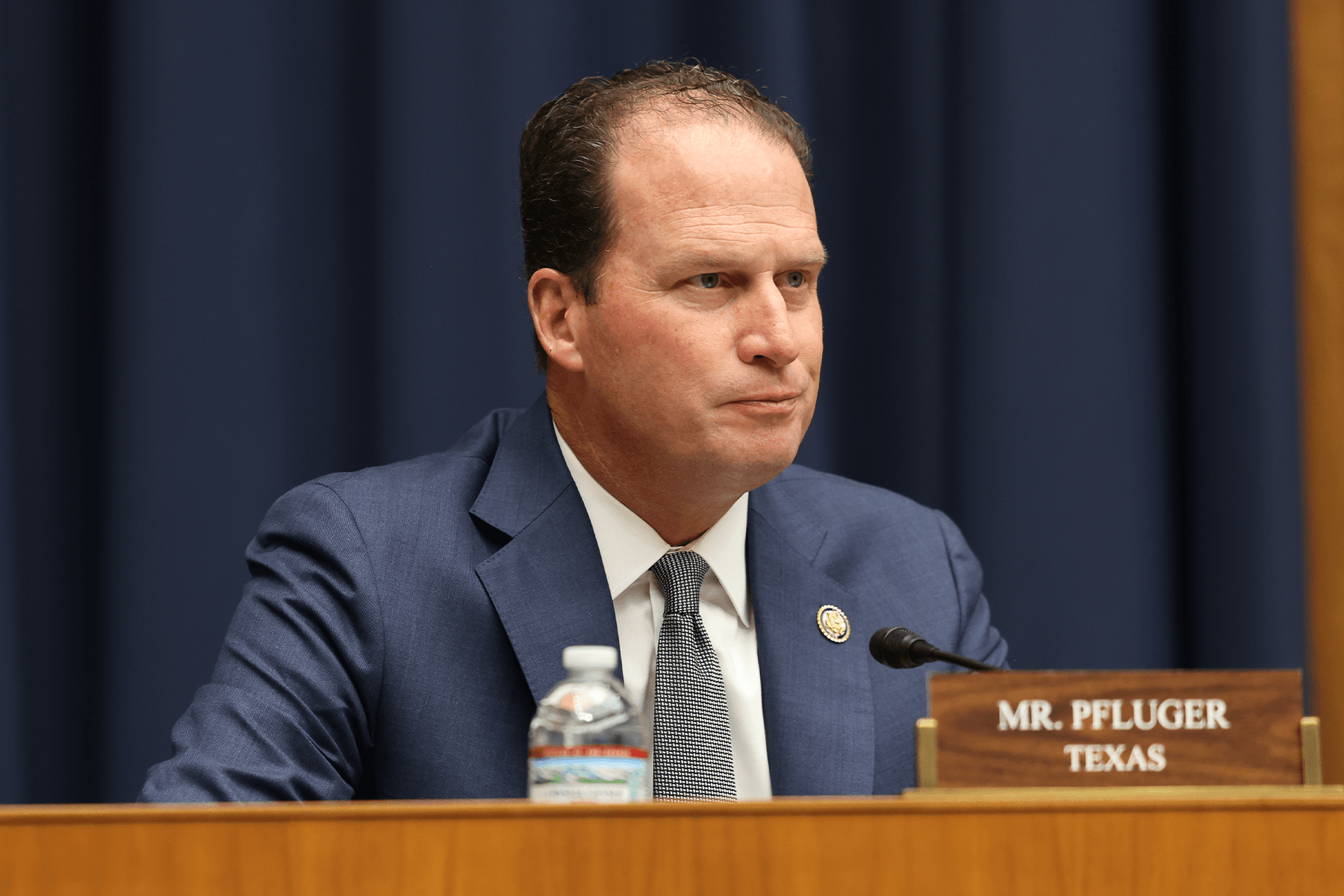
Congressman August Pfluger (TX-11): “We want to see this life cycle become much more efficient and used properly. I believe you when you say we could quadruple the electrons nuclear energy produces from the current 20% of our usage. Demand is going to keep growing, and nuclear has a big piece in that. We want to see this industry flourish, because it's a gift we have. Obviously, there are concerns in West Texas about storing high-level waste in and around oil and gas production. So let's find a solution that lets that material be used before it gets to that point.” Assistant Secretary Garrish: “I'm with you. The future of nuclear is almost unlimited. This is homegrown energy, and it can be affordable and reliable. This is what we need.”
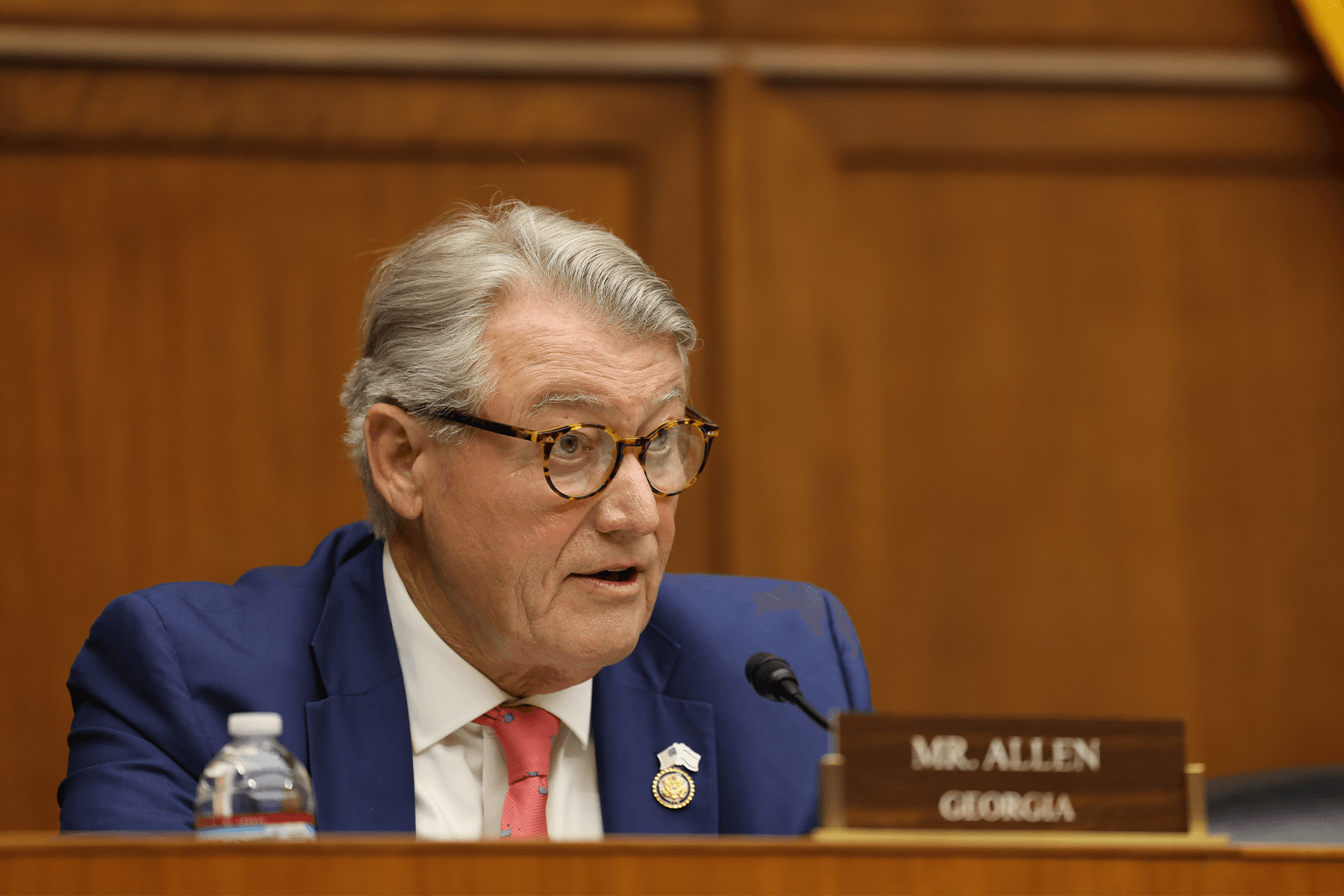
Congressman Rick Allen (GA-12): “As we work to expand nuclear energy capabilities in the United States, it's imperative that we address the management of spent nuclear fuel. That is critical. My district is home to Plant Vogtle, the largest commercial nuclear energy plant in the U.S. My district is also next to the Savannah River Site, and both of those facilities house spent nuclear fuel. So managing spent nuclear fuel is very important to my district and to the states of Georgia and South Carolina. The administration has proposed innovation campuses, and I'd like to discuss that proposal with you. Ms. Paradis and Ms. Korsnick, how important is it to show that reprocessing technologies can be commercially viable in the United States without federal subsidies like the ones we see in France?” Commissioner Paradis: “Thank you for the question. As I noted before, I'm representing an association here, so I can only speak to the resolutions we've passed. We haven't had a lot of discussion yet, because these campuses are so new. What I can speak to is what we know up to this point. As my colleagues on the panel have said today, any type of reprocessing or recycling always leaves additional waste. And as Ms. Korsnick correctly pointed out, as we start working with different technologies, we end up with all kinds of different types of waste and different storage technologies. So going forward, yes, we have to understand what's economically viable, what's environmentally sound, and what is safe and reasonable for our communities. But from a regulator's perspective, what matters is the commitment that was made from the beginning. Our ratepayers, the customers who get power from nuclear energy, have paid into this fund, and they have gotten nothing in return. As I said, they've paid $20 billion into the fund, and it now holds more than $51 billion. So right now, the priority is understanding what happens next with the waste and how it is managed, including transportation and storage on the way to permanent disposal. However, these other new opportunities are coming, and they should definitely be evaluated.”