Environment Subcommittee Holds Hearing on Safe Drinking Water
WASHINGTON, D.C. – Today, Congressman Gary Palmer (AL-06), Chairman of the Subcommittee on Environment, led a hearing titled From Source to Tap: A Hearing to Examine Challenges and Opportunities for Safe, Reliable, and Affordable Drinking Water.
“Congress first enacted the Safe Drinking Water Act more than 50 years ago and amended it several times since,” said Chairman Palmer. “Many Americans receive their drinking water from publicly owned water utilities who have to navigate the law’s complicated regulatory requirements, manage both aging infrastructure and an aging workforce, and provide safe and affordable water to their customers.”
Watch the full hearing here.
Below are key excerpts from today’s hearing:
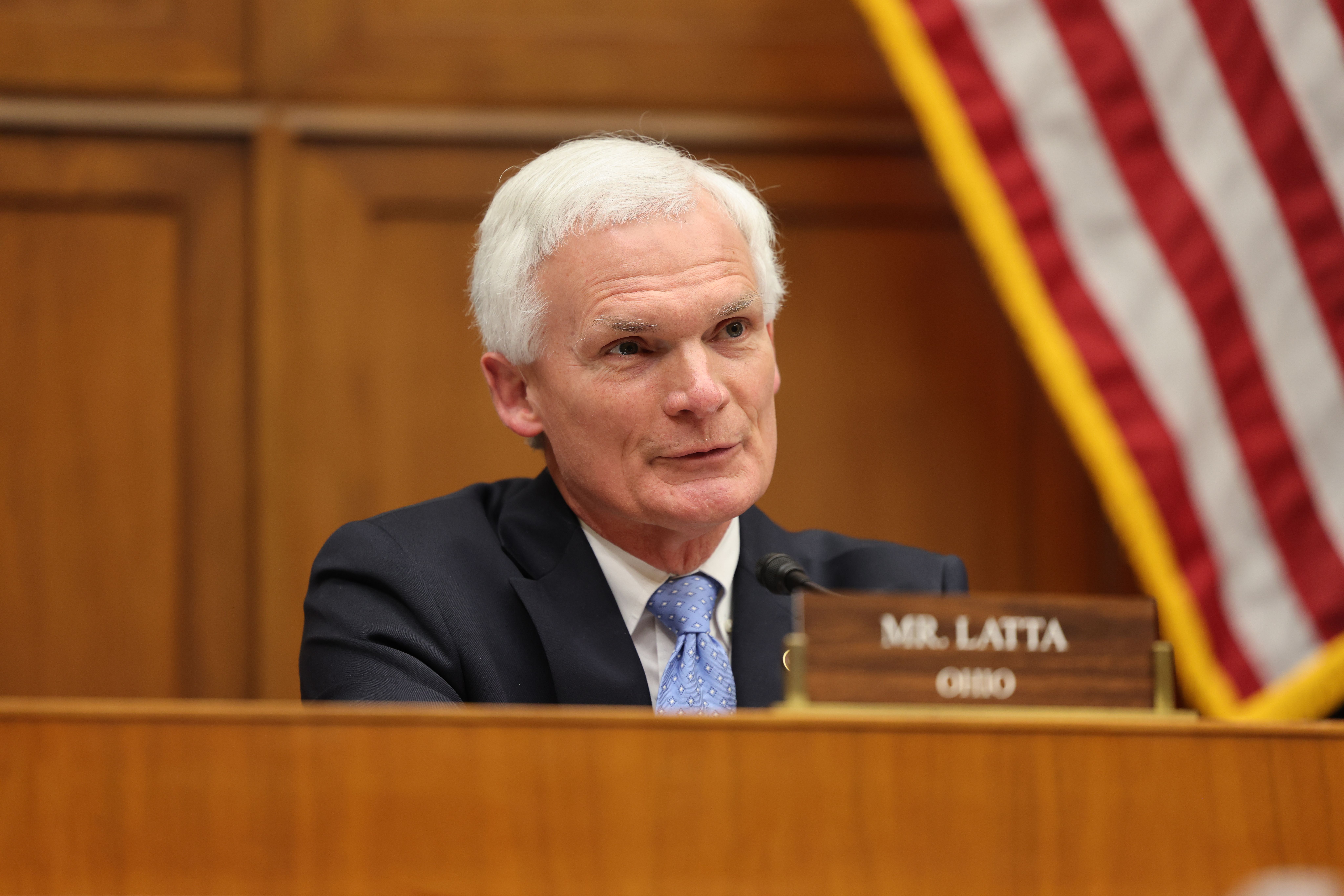
Congressman Bob Latta (OH-05): “Mr. Hill, I go around my district all the time. I mean, a lot of my water treatment plants. The number one issue we're hearing out there today is what happens when our operators are retiring and we don't have that certification. And I know you said you had a situation where you had somebody be able to step in, but a lot of places they're getting concerned because they don't have these people. […] It also comes down to we can't force people to do a job. We have to make sure we get these people out there and trained because as they retire, we can't just say, you know, these people are going to do this.”
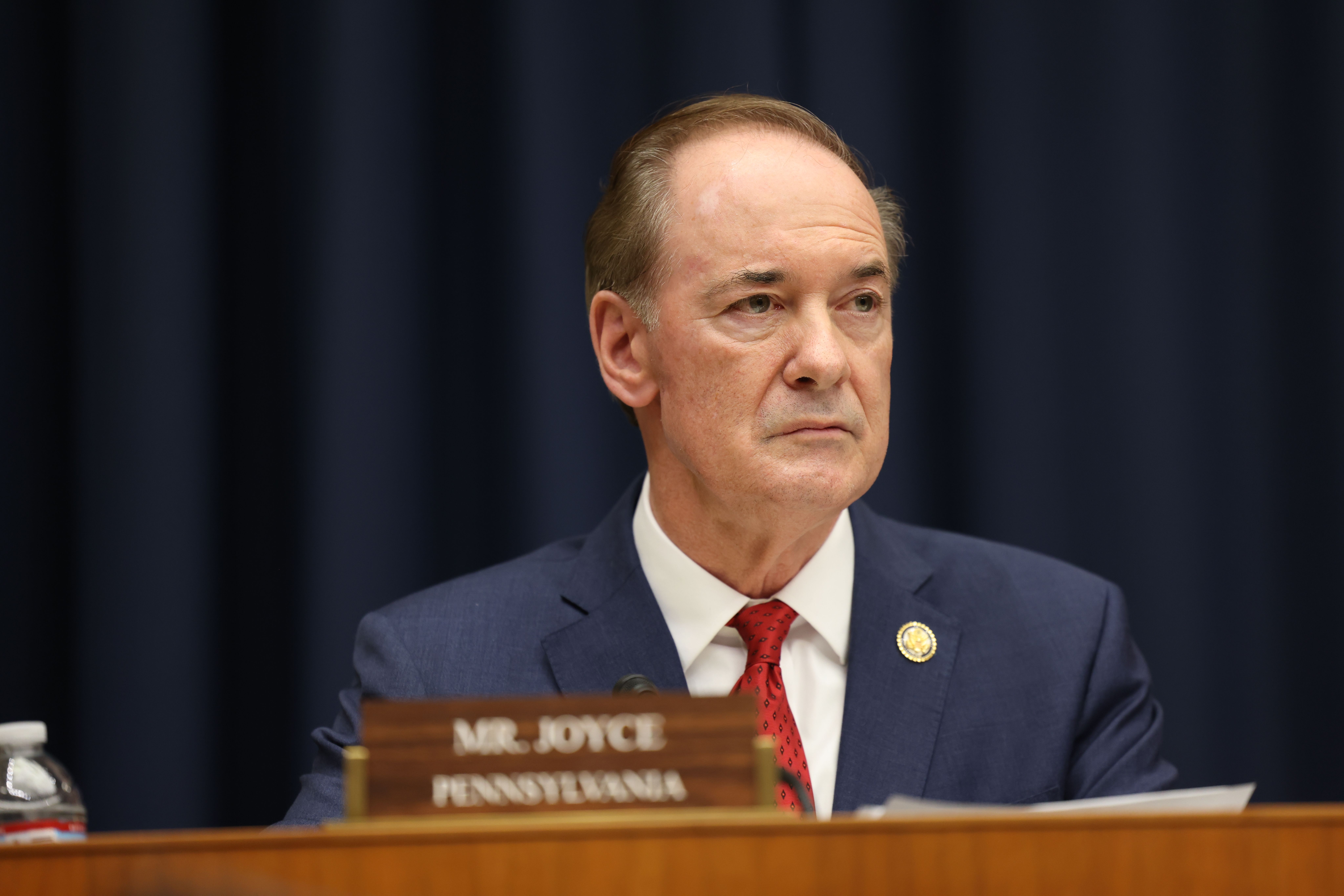
Congressman John Joyce, M.D. (PA-13): “Often, rural communities rely on small teams with limited resources to run both the sewer and the clean water facilities. A disruption in either can put a strain on both systems, and place extreme burdens on operators and the communities that they serve. For these communities, federal support like what is provided by the state revolving funds represents a much-needed lifeline, allowing rural Americans to receive uninterrupted drinking and wastewater services in under-resourced areas.”
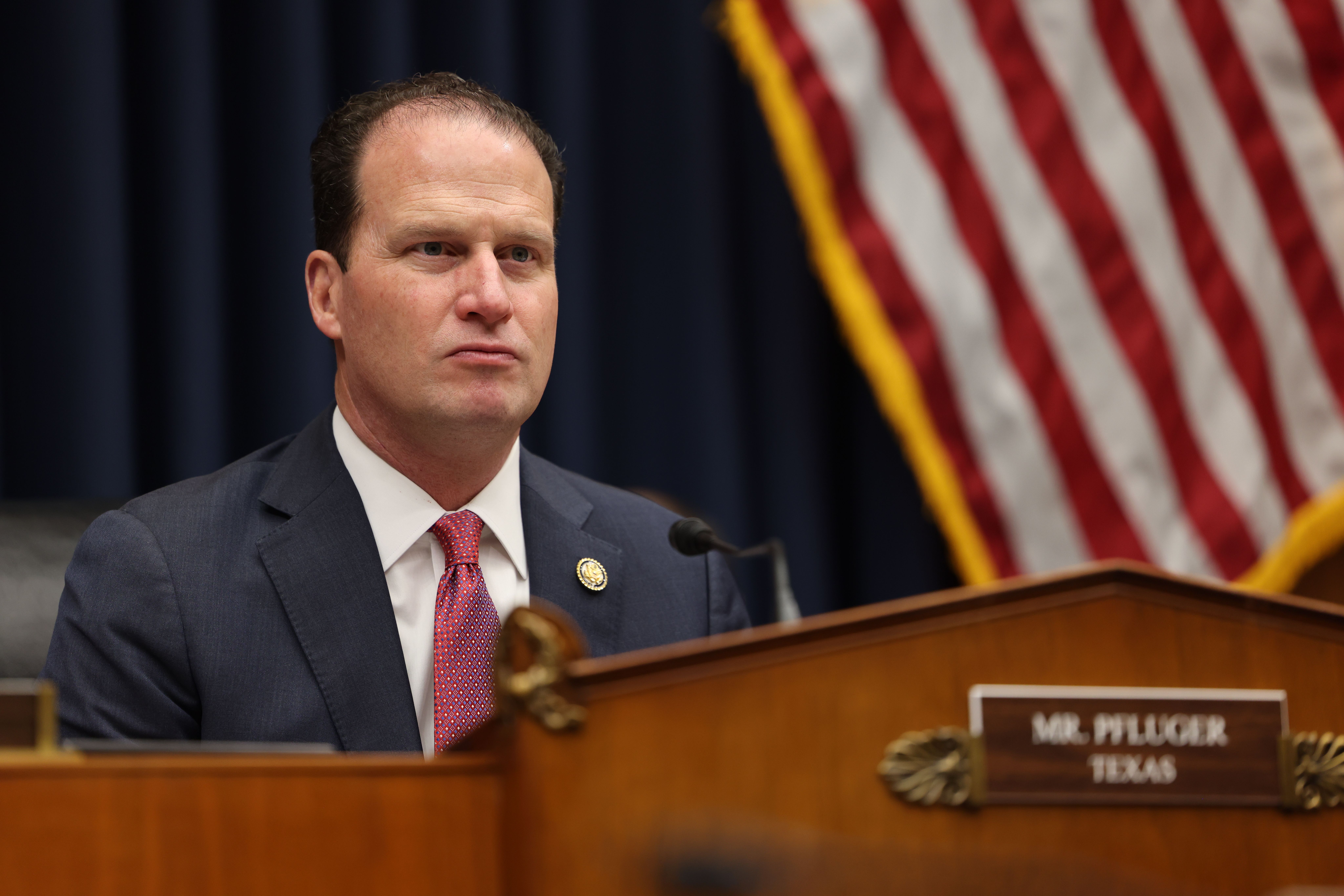
Congressman August Pfluger (TX-11): “Are small and rural water systems facing unique challenges in accessing federal infrastructure funds? And if so, can you kind of go into detail about that?” Ms. Murley: “Yes, I would point you to a series of work that we have done on, state capacity to handle the influx of IIJA funds, both drinking water and clean water. We've looked at the state of New Mexico, we looked at South Carolina, and we looked at the U.S. Virgin Islands. I would say that each state has different demographics and different challenges, either human capacity, technical capacity, or organizational challenges to receive those funds. And we've done work and made recommendations to the agency for improving those areas.”