News

Environment Updates


Jan 22, 2026
Environment

Chairman Palmer Delivers Opening Statement at Subcommittee on Environment Hearing to Discuss Legislation to Modernize America’s Chemical Safety Law

WASHINGTON, D.C. – Congressman Gary Palmer (AL-06), Chairman of the Subcommittee on Environment, delivered the following opening statement at today's hearing titled Chemicals in Commerce: Legislative Proposal to Modernize America's Chemical Safety Law, Strenghten Critical Supply Chains, and Grow Domestic Manufacturing.

Subcommittee Chairman Palmer’s opening statement as prepared for delivery:

“Good afternoon and welcome to Ranking Members Pallone, Tonko, my colleagues, and to our witnesses for this hearing of the Subcommittee on the Environment.

“Today we will be examining a legislative proposal to modernize the Toxic Substances Control Act – or TSCA.

“First enacted into law in 1976 with broad bipartisan support, TSCA provides the U.S. Environmental Protection Agency (EPA) with broad authority to regulate chemicals that pose an unreasonable risk to human health and the environment.

“Forty years later, Congress made several improvements to TSCA with passage of the bipartisan Lautenberg Amendments in 2016.

“As we heard at our hearing last January, chemicals are central to many aspects of modern life, and a strong, U.S. chemical industry is key to our economic prosperity and national security.

“The 2016 law authorized EPA to collect user fees to help provide resources and funding but in the decade since the Lautenberg Amendments were passed, it has become clear that this important law is still not working as Congress intended and that further changes are needed to ensure chemicals are reviewed in a predictable and efficient process without undermining safety.

“The process for reviewing new chemicals – which was a significant focus of the 2016 effort – is broken. As we heard in January and will again hear from witnesses today, EPA does not meet the 90-day review deadline for the vast majority of all new chemicals submitted for EPA review. This regulatory uncertainty makes it difficult for the chemical industry to bring safer alternatives or new technology to the market in the U.S. and impacts human health and the environment by slowing the transition to safer alternatives.

“To be clear: The draft would not scrap the safety protections enacted in the 2016 Amendments and is not reopening up TSCA as a whole.

“The bill would reauthorize the fee provision for another 10 years and require increased transparency and accountability in how fees are used by EPA.

“The draft also makes targeted changes to modernize section 5 and section 6 concerning the review and regulations of new and existing chemicals, including requiring increased coordination between EPA and other agencies and prioritizing chemicals that are essential to critical manufacturing supply chains.

“Our witnesses today are: Dimitri Karakitsos, a partner at the law firm Holland & Knight who worked on the 2016 Amendments as a Senate staffer; Dr. Kimberly Wise White of the American Chemistry Council, John Carey of DSM-Firmenich, an international chemical manufacturer with significant operations in the U.S., and Professor Tracey Woodruff of the University of California, San Francisco.

“The legislation we are considering today is a discussion draft. It reflects input the Subcommittee received at our January hearing and in the months since.

“Majority staff also met with their counterparts on the minority staff half a dozen times to discuss ideas and language for this proposal, and several changes were made to the text based on input from minority staff.

“We look forward to getting additional feedback in the weeks after this hearing and hope to continue discussions with the minority on areas for bipartisan cooperation as we work on an updated draft, prepare legislation for introduction, and plan for a future markup to advance this important legislation.”


Jan 22, 2026
Press Release

Environment Subcommittee Holds Hearing to Discuss Legislation to Modernize America’s Chemical Safety Law

WASHINGTON, D.C. – Today, Congressman Gary Palmer (AL-06), Chairman of the Subcommittee on Environment, led a hearing titled Chemicals in Commerce: Legislative Proposal to Modernize America’s Chemical Safety Law, Strengthen Critical Supply Chains, and Grow Domestic Manufacturing.

“The process for reviewing new chemicals – which was a significant focus of the 2016 effort – is broken. This regulatory uncertainty makes it difficult for the chemical industry to bring safer alternatives or new technology to the market in the U.S. and impacts human health and the environment by slowing the transition to safer alternatives,” said Chairman Palmer. “The bill would reauthorize the fee provision for another 10 years and require increased transparency and accountability in how fees are used by EPA.”

Watch the full hearing here.

Below are key excerpts from today’s hearing:

BV8A8574.JPG

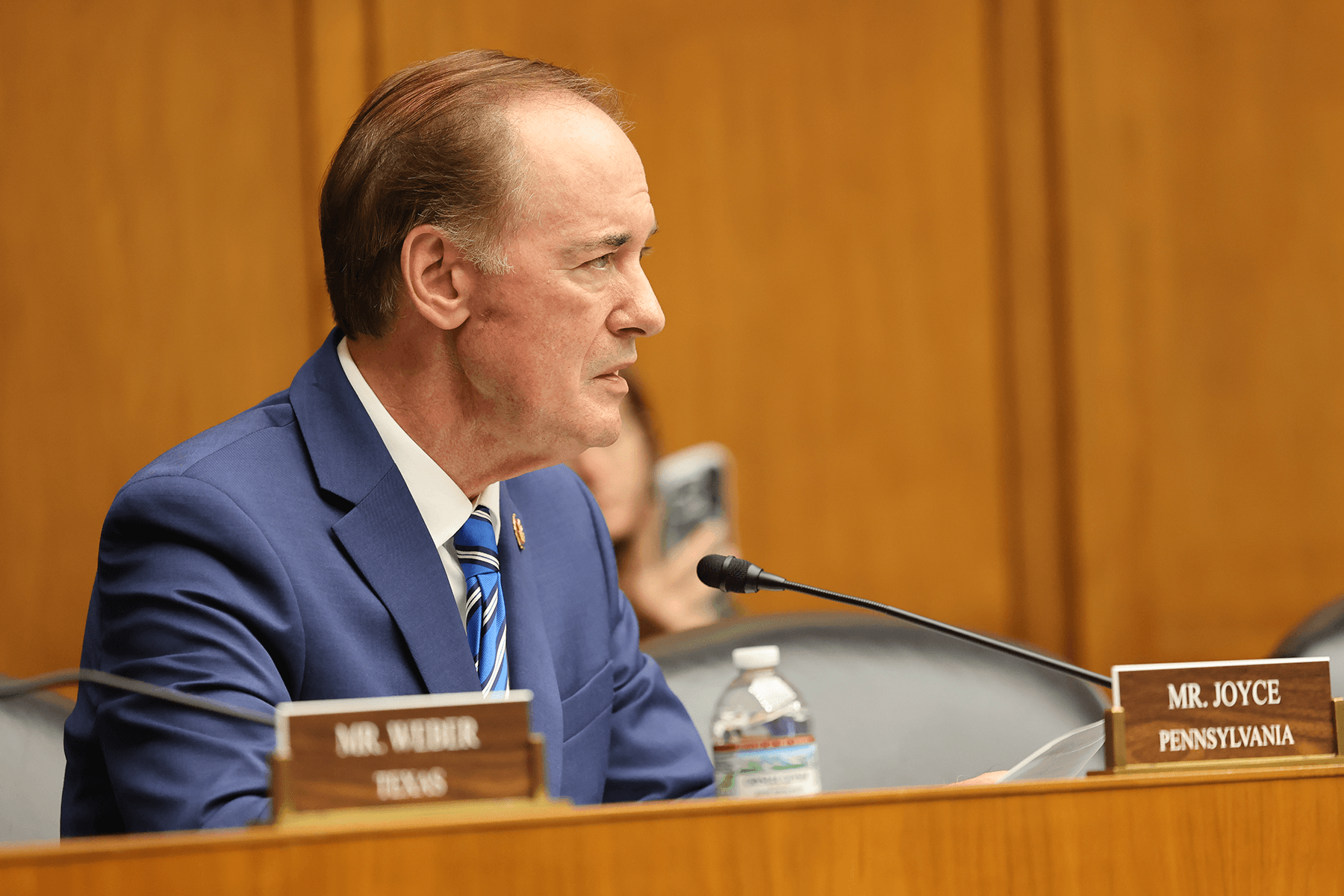
Congressman John Joyce, M.D. (PA-13): “Dr. White, we've had this discussion and my colleagues have opened the door, but I want to give you an opportunity to speak to how provisions in this legislative proposal today will guide EPA to focus their consideration on conditions that reasonably could be foreseen, and not just theoretical or even unlikely, because I think we're opening up potential areas that will waste time to be able to allow important chemicals to be assessed. Can you discuss that for us, please?” Dr. White: “For every single chemical that the EPA has evaluated since TSCA was modernized, they have found it to be an unreasonable risk. This has really been because of their scientific practices and principles. They have ignored submitted data. They have mischaracterized worst case exposure scenarios and not understood what exposure actually looks like when they're making decisions. And they focused on conditions of use that were not relevant or that were not really going to provide or have a specific high level of exposure. So, this has led to really flawed assessments by the agency, leading to overly conservative risk management decisions by the agency. What this new approach does is it requires the agency to focus on those conditions of use that are more likely than not to occur. So, it really helps to, again, focus the agency on looking at actual real-world scenarios for how a chemistry might be used.”

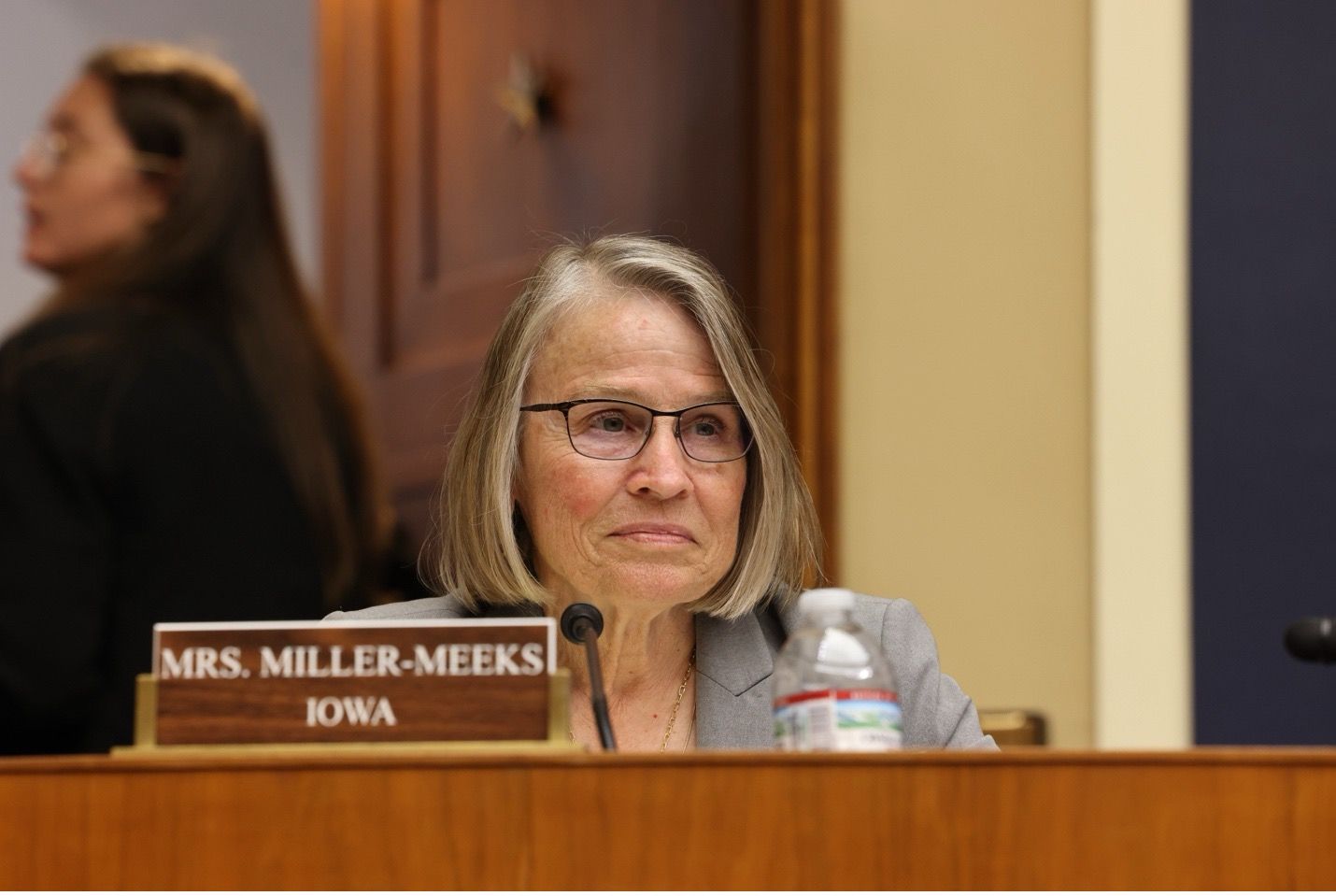
BV8A8753.JPG

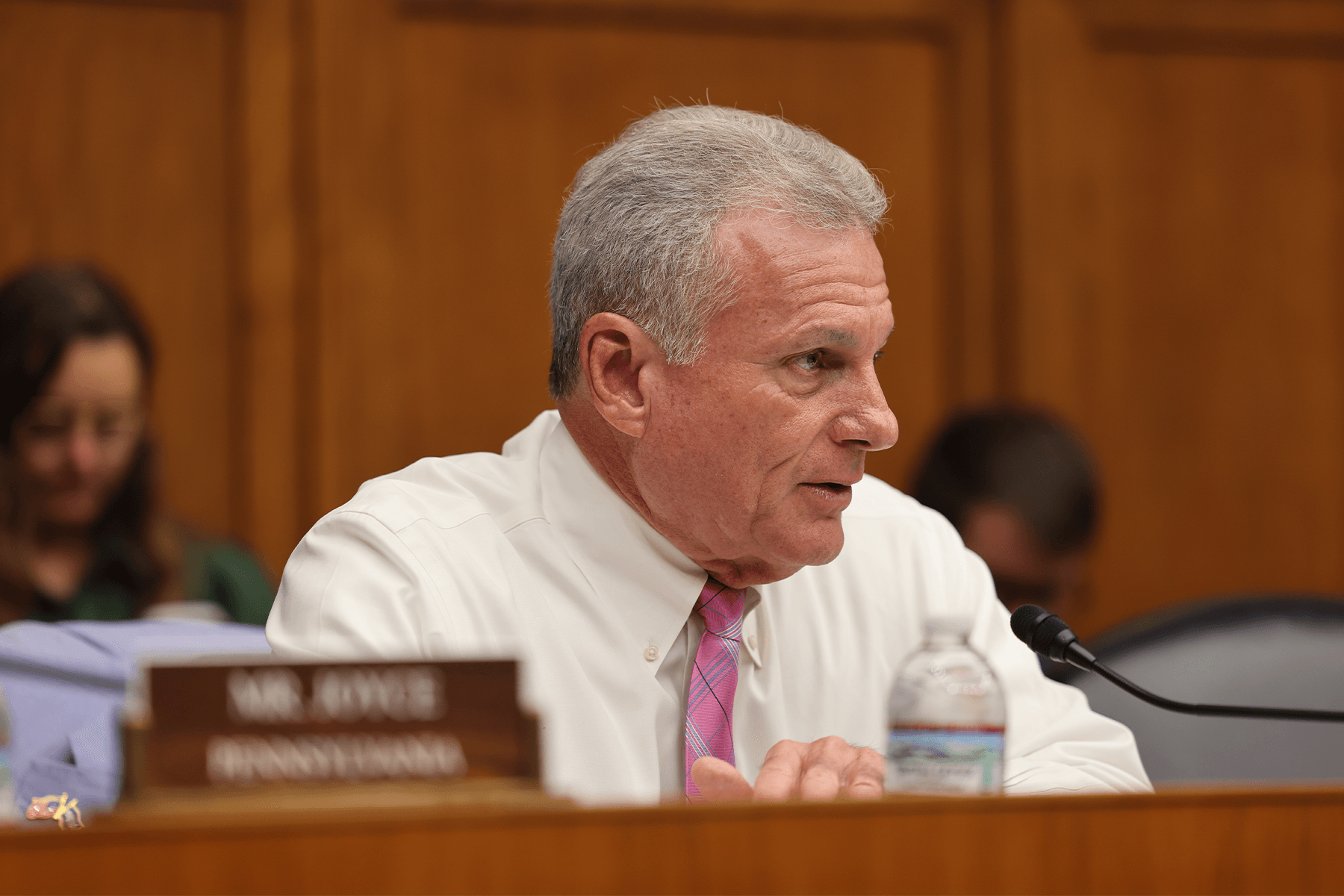
Congresswoman Mariannette Miller-Meeks (IA-01): “For states like Iowa, where agriculture, manufacturing, including chemical manufacturing, and innovation are central to our economy, we need a regulatory system that protects human health and the environment without relying on duplicative regulation or unnecessary delays. This discussion draft refocuses TSCA on real world risk, best available science, and coordination with other federal and international regulators. It encourages safer innovation, strengthens domestic supply chains, and ensures EPA is accountable for its decisions while preserving strong protections for workers, consumers, and families.”

BV8A8639.JPG

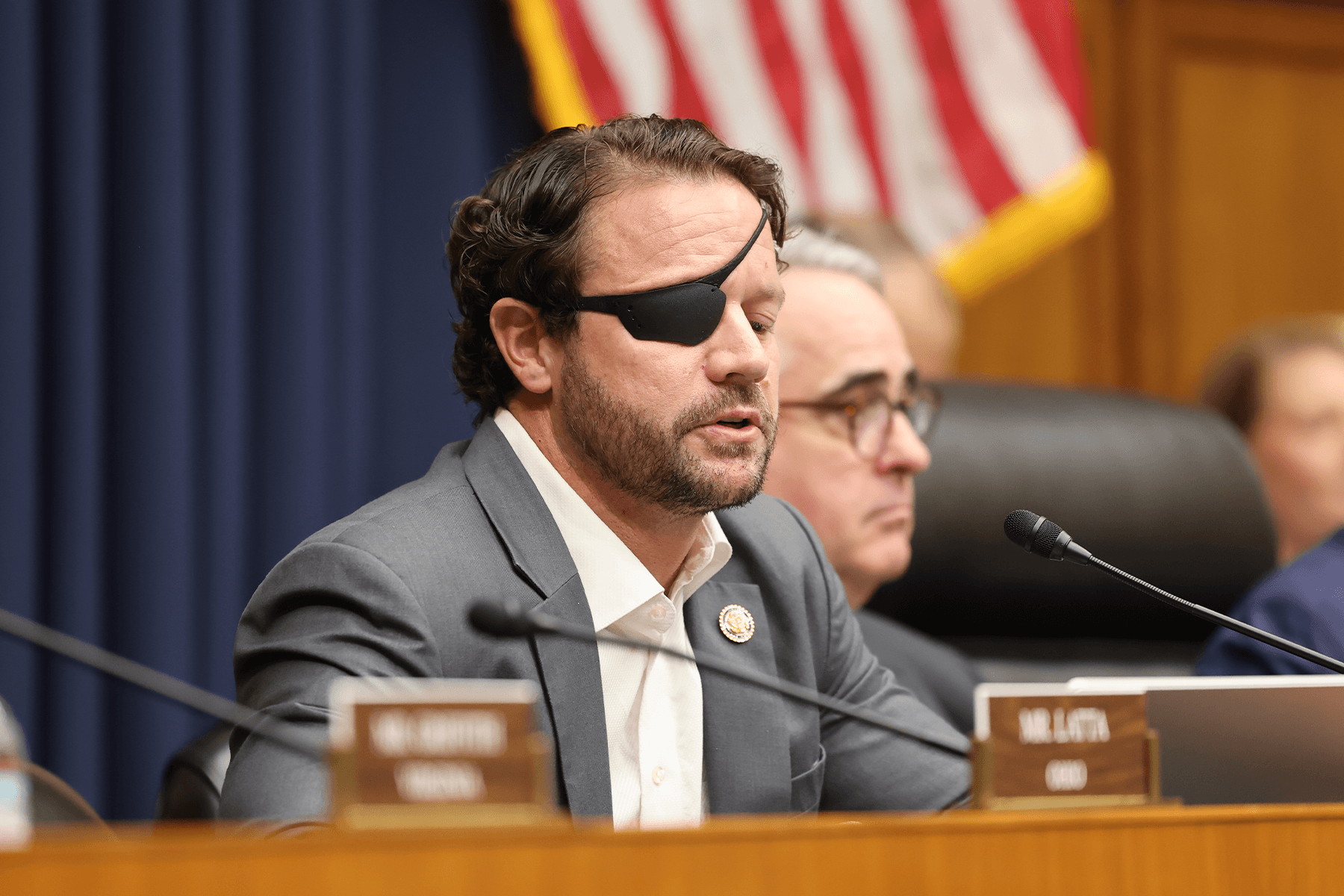
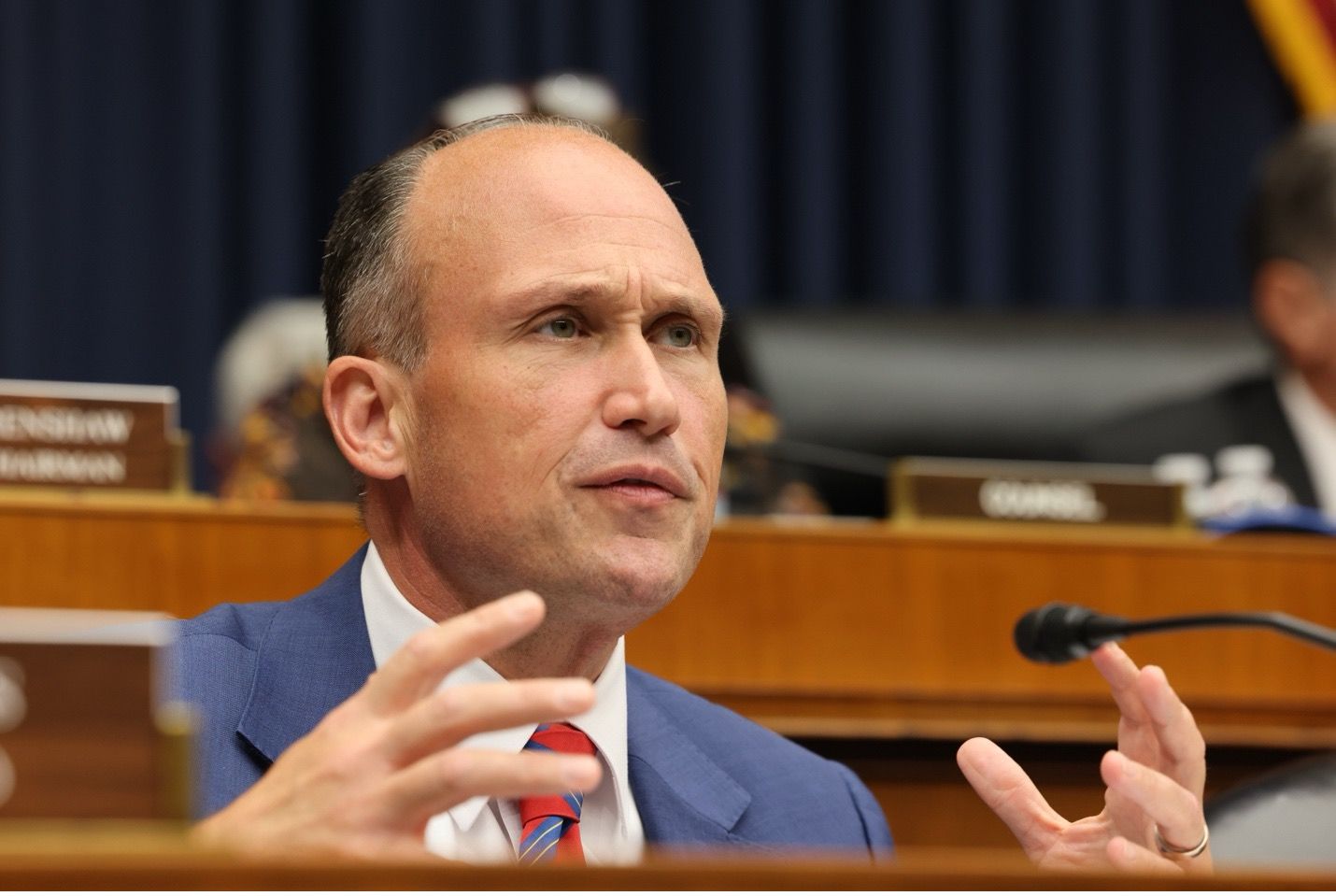
Congressman Gabe Evans (CO-08): “One of the processes that's used at EPA to manage and look at these chemicals and do cost benefit analysis is what's called a risk evaluation. In your experience, do EPA's risk evaluations and subsequent risk management rules provide health and safety benefits that are commensurate with the costs and burdens of the rules? And if not, what can we do to address that?” Dr. White: “EPA's risk evaluation process can be improved upon. It has a best available science and a way to vet the scientific evidence statute that it should be relying on. It has been missing the mark over the last several years. And so, there's really an opportunity to strengthen that, maintain that language.”


Jan 20, 2026
Press Release

Energy and Commerce Weekly Look Ahead: The Week of January 19th, 2026

WASHINGTON, D.C. – This week, the House Committee on Energy and Commerce is holding two Subcommittee Hearings and one Full Committee Markup. Read more below.

FULL COMMITTEE MARKUP: The Committee on Energy and Commerce will hold a markup of 11 bills.

  • DATE: Wednesday, January 21, 2026
  • TIME: 10:15 AM ET
  • LOCATION: 2123 Rayburn House Office Building

SUBCOMMITTEE HEARING: The Energy and Commerce Subcommittee on Health is holding a hearing to have productive discussions with health insurance companies on the core drivers working against health care affordability—namely onerous government interference, administrative burdens, waste, fraud, and abuse, and lack of competition and patient choice.

  • DATE: Thursday, January 22, 2026
  • TIME: 9:45 AM ET
  • LOCATION: 2123 Rayburn House Office Building

SUBCOMMITTEE HEARING: The Energy and Commerce Subcommittee on Environment is holding a hearing to discuss legislation to modernize America’s Chemical Safety Law.

  • DATE: Thursday, January 22, 2026
  • TIME: 2:00 PM ET
  • LOCATION: 2123 Rayburn House Office Building


Jan 20, 2026
Press Release

ICYMI: Republicans Want to Make It Easier for Companies to Use New Chemicals

WASHINGTON, D.C. – In case you missed it, _ the Wall Street Journal _ recently highlighted that the House Committee on Energy and Commerce is leading efforts to modernize America’s chemical safety law through proposed legislation that would streamline approvals for new chemicals and strengthen U.S. competitiveness in advanced manufacturing.

In Case You Missed It:

“Republicans on Capitol Hill are set to propose legislation aimed at helping companies to more quickly get the government’s blessing to use and sell many more new chemicals, from those used in heavy manufacturing to household disinfectants.

“Draft legislation seen by WSJ Pro Sustainable Business would implement a series of changes to the Toxic Substances Control Act—a sprawling law covering the impact of thousands of chemicals on the environment and public health. The legislation, first enacted in the 1970s, tasks the Environmental Protection Agency with chemical safety reviews.

“The changes would make it easier for a swath of industries to get the green light to use new chemicals ranging from oil-and-gas additives to ingredients for cleaning products. It would also apply to new uses of already-approved chemicals.

“The House Committee on Energy and Commerce said it is going to hold a hearing on its plans on Jan. 22.

“The draft legislation would speed up approvals for chemicals already given the green light in certain other countries so that they can be manufactured in the U.S. It also would require the EPA in its review process to give priority to new chemicals ‘intended to address supply-chain risks for critical materials.’ The committee said those updates would help American businesses compete with China—which dominates the critical-minerals market.

“The EPA under the Trump administration has proposed a series of changes to its regulation under the TSCA, including a bid in November to reduce the scope of reporting under the law for PFAS, known as ‘forever chemicals.’ Meanwhile, many states are trying to cut such chemicals out of products from clothing to cosmetics.

“Maria Doa, a doctor who testified at a hearing in January last year focused on the TSCA, and who previously led chemical safety reviews at the EPA, said a 2016 bipartisan update to the law that increased safety reviews and testing ‘transformed the law from largely ineffective to one that set clear direction to protect human health and the environment.’

“The House Committee on Energy and Commerce said it wants to require the EPA to focus safety reviews and regulations ‘on actual or intended uses and risks, not mere speculation.’

“At the hearing about the law last year, Rep. Raul Ruiz (D., Calif.), who has also worked as an emergency physician, said the TSCA is vital to protect people from chemicals such as asbestos and trichloroethylene that can cause cancers and heart and liver diseases.

“He said the old version of the law ‘failed to safeguard our communities, allowing people to be exposed to harmful chemicals in their homes and workplaces, and this failure disproportionately impacted vulnerable populations.’

“Groups including the Environmental Defense Fund have said changes to the TSCA could lead to weaker protections for workers and communities living near chemical plants.

“Brett Guthrie (R., Ky.), chairman of the committee, said the draft legislation Republicans are proposing ‘will help maintain America’s leadership in chemical innovation and strengthen domestic competitiveness in the global marketplace.’

“Chris Jahn, president of the American Chemistry Council, said ahead of the draft release that ‘Congress is leading by moving legislation to provide durable improvements to ensure that U.S. manufacturing remains competitive,’ adding that he thinks it is necessary for ‘the next generation of semiconductors, AI and advanced technologies’ to be made in the U.S.”


Jan 15, 2026
Environment

Chairmen Guthrie and Palmer Announce Legislative Hearing to Modernize America’s Chemical Safety Law

WASHINGTON, D.C. – Congressman Brett Guthrie (KY-02), Chairman of the House Committee on Energy and Commerce, and Congressman Gary Palmer (AL-06), Chairman of the Subcommittee on Environment, announced a hearing titled Chemicals in Commerce: Legislative Proposal to Modernize America’s Chemical Safety Law, Strengthen Critical Supply Chains, and Grow Domestic Manufacturing.

“Since our first hearing of this Congress, our Committee has been working to modernize the Toxic Substances Control Act,” said Chairmen Guthrie and Palmer.Targeted and measured reforms will increase accountability, strengthen domestic manufacturing, and safeguard the health and safety of our communities. The legislation we’ll be discussing in this hearing would support these goals and help to ensure TSCA processes are working effectively to evaluate chemical safety and support American innovation.”

Subcommittee on Environment hearing titled Chemicals in Commerce: Legislative Proposal to Modernize America’s Chemical Safety Law, Strengthen Critical Supply Chains, and Grow Domestic Manufacturing

WHAT: Subcommittee on Environment hearing to discuss legislation to modernize America’s Chemical Safety Law

DATE: Thursday, January 22, 2026

TIME: 2:00 PM ET

LOCATION: 2123 Rayburn House Office Building

This hearing will focus on the following bills:

  • H.R.____, Discussion Draft of Legislation to Modernize the Toxic Substances Control Act

This notice is at the direction of the Chairman. The hearing will be open to the public and press and will be livestreamed online at energycommerce.house.gov. If you have any questions concerning this hearing, please contact Jackson Rudden at jackson.rudden@mail.house.gov. If you have any press-related questions, please contact Ben Mullany at Ben.Mullany@mail.house.gov.


Dec 18, 2025
Environment

Chairman Palmer Delivers Opening Statement at Environment Subcommittee Hearing on the Current Statutory and Regulatory Landscape of PFAS

WASHINGTON, D.C. – Congressman Gary Palmer (AL-06), Chairman of the Subcommittee on Environment, delivered the following opening statement at today’s hearing titled Examining the Impact of EPA’s CERCLA Designation for Two PFAS Chemistries and Potential Policy Responses to Superfund Liability Concerns.

Subcommittee Chairman Palmer’s opening statement as prepared for delivery:

“Welcome to today’s hearing before the Subcommittee on Environment. This year, we’ve revisited some of our country’s most important environmental laws and confronted emerging challenges in protecting our environment and promoted a regulatory climate that encourages innovation and economic growth.

“Among other things, we’ve identified shortcomings with the administration of the Toxic Substances Control Act that delay newer, safer chemistries from reaching consumers; explored opportunities to revitalize brownfields sites for crucial infrastructure projects; evaluated the state of technologies to improve our recycling systems; and passed common-sense Clear Air Act reforms.

“Today, we are examining EPA’s decision last year to designate two PFAS chemistries—PFOA and PFOS—as hazardous substance under the Comprehensive Environmental Response, Compensation, and Liability Act, also known as ‘CERCLA’ or the Superfund law. CERLCA was enacted in 1980 to facilitate the cleanup of the most contaminated sites around the country and to establish a scheme to hold liable for cleanup costs the parties responsible for that contamination. Superfund imposes strict, and joint and several liability on parties.

“In other words, a responsible party could be responsible for the entire cost to cleanup a contaminated site even if its contribution to the pollution was minimal. CERCLA includes exemptions as well as defenses to liability for certain parties such as ‘bona fide prospective purchasers’ and ‘innocent landowners,’ as they are referred to. However, in the context of the hazardous substance designations for PFOA and PFOS, there are concerns that the existing exemptions and defenses may not adequately protect a class of parties commonly known as ‘passive receivers’ who did not manufacture or use PFOA or PFOS, but may have acquired, used, or disposed of material containing these chemicals. Today, we will examine the impacts of potential liability for PFAS contamination on these entities. Congress has clarified and expanded liability protections before, such as by passing the Small Business Liability Relief and Brownfields Revitalization Act in 2002. We will consider how concerns about PFAS liability may deter a range of economic activities and whether changes to CERCLA, or other legislative action, are needed.

“Additionally, at our March hearing on reauthorization of the Environmental Protection Agency’s (EPA) Brownfields Program, we discussed the tremendous potential of the estimated 450,000 brownfields sites in our country for housing important infrastructure such as power generation, semiconductor manufacturing facilities, and data centers.

“We hope to examine whether concerns about liability for PFAS hinder the redevelopment of these sites.

“To this end, we welcome Susan Bodine, who previously served as Assistant Administrator for the Office of Solid Waste and Emergency Response at EPA during the George W. Bush Administration and then as Assistant Administrator for the Office of Enforcement and Compliance Assurance in the first Trump Administration, in addition to senior staff roles in both the House and the Senate.

“We are also joined by Lawrence Falbe, Chair of the International Council of Shopping Centers Environmental and Land Use Policy Committee. Mr. Falbe will share his experience on how potential PFAS contamination impacts real estate transactions for those seeking to reuse those sites.

“Next, Emily Donovan joins us a co-founder of Clean Cape Fear, a grassroots community advocacy organization focused on the presence and impact of certain PFAS in communities. We also welcome Tracy Mehan, who represents the American Water Works Association and served as EPA Assistant Administrator for Water, also during the George W. Bush Administration. I thank all of our Members and witnesses for being here, and I look forward to today’s discussion.”


Dec 18, 2025
Environment

Environment Subcommittee Holds Hearing on the Current Statutory and Regulatory Landscape of PFAS

WASHINGTON, D.C. – Today, Congressman Gary Palmer (AL-06), Chairman of the Subcommittee on Environment, led a hearing titled Examining the Impact of EPA’s CERCLA Designation for Two PFAS Chemistries and Potential Policy Responses to Superfund Liability Concerns.

“CERLCA was enacted in 1980 to facilitate the cleanup of the most contaminated sites around the country and to establish a scheme to hold liable for cleanup costs the parties responsible for that contamination. Superfund imposes strict, and joint and several liability on parties,” said Chairman Palmer. “In other words, a responsible party could be responsible for the entire cost to cleanup a contaminated site even if its contribution to the pollution was minimal.”

Watch the full hearing here

Below are key excerpts from today’s hearing:

BV8A6008.JPG

Congressman John Joyce, M.D. (PA-13): “CERCLA was established to hold polluters liable for the cleanup of chemical contamination that they caused. This polluter pays liability framework is helpful in many instances where there is a need for expensive environmental cleanups, so that the party that generated or released the hazardous substance can be held responsible for the associated costs. However, the liability established by CERCLA does not stop with the polluters. Under the statute’s liability framework, any person who has had incurred costs related to the remediation of hazardous substances can file suit against not just polluters, but so-called passive receivers. These passive receivers are not involved in the initial generation or discharge of hazardous chemicals, but might receive water, soil or other materials containing such substances. Given how common the use of PFAS is, the 2024 final rule designating two PFAS chemistries as hazardous substances creates a system where many passive receivers will be drawn into costly legal proceedings for contamination that they bear little or absolutely no responsibility for having created.”

BV8A6346.JPG

Congresswoman Mariannette Miller-Meeks (IA-01): “As the Representative from Iowa, I take seriously our responsibility to protect public health and the environment while also ensuring that federal policies are fair, clear, and feasible in Iowa. Clean water affects our farmers, our rural communities, our drinking water systems, and our local employers, as well as families. Many of the entities now worried about the circle of liability like water utilities, wastewater facilities, landfills and farmers, who responsibly apply biosolids, did not create PFAS but could still be swept up in a liability scheme that is retroactive, strict, joint, and several. Cost to passive receivers is only one piece of the problem. We should also explore options that support swift remediation and provide the liability certainty necessary for American industry to focus on solutions that allow them to continue to invest in the US, rather than endless courtroom battles. At the same time, we should be encouraging innovation and American ingenuity. Iowa agriculture is already helping lead the way with promising alternatives to PFAS, including soy-based fire suppressants made from soybean meal. These kinds of homegrown solutions can reduce reliance on legacy chemicals, create new markets for farmers, and strengthen our economy without heavy handed mandates from Washington.”

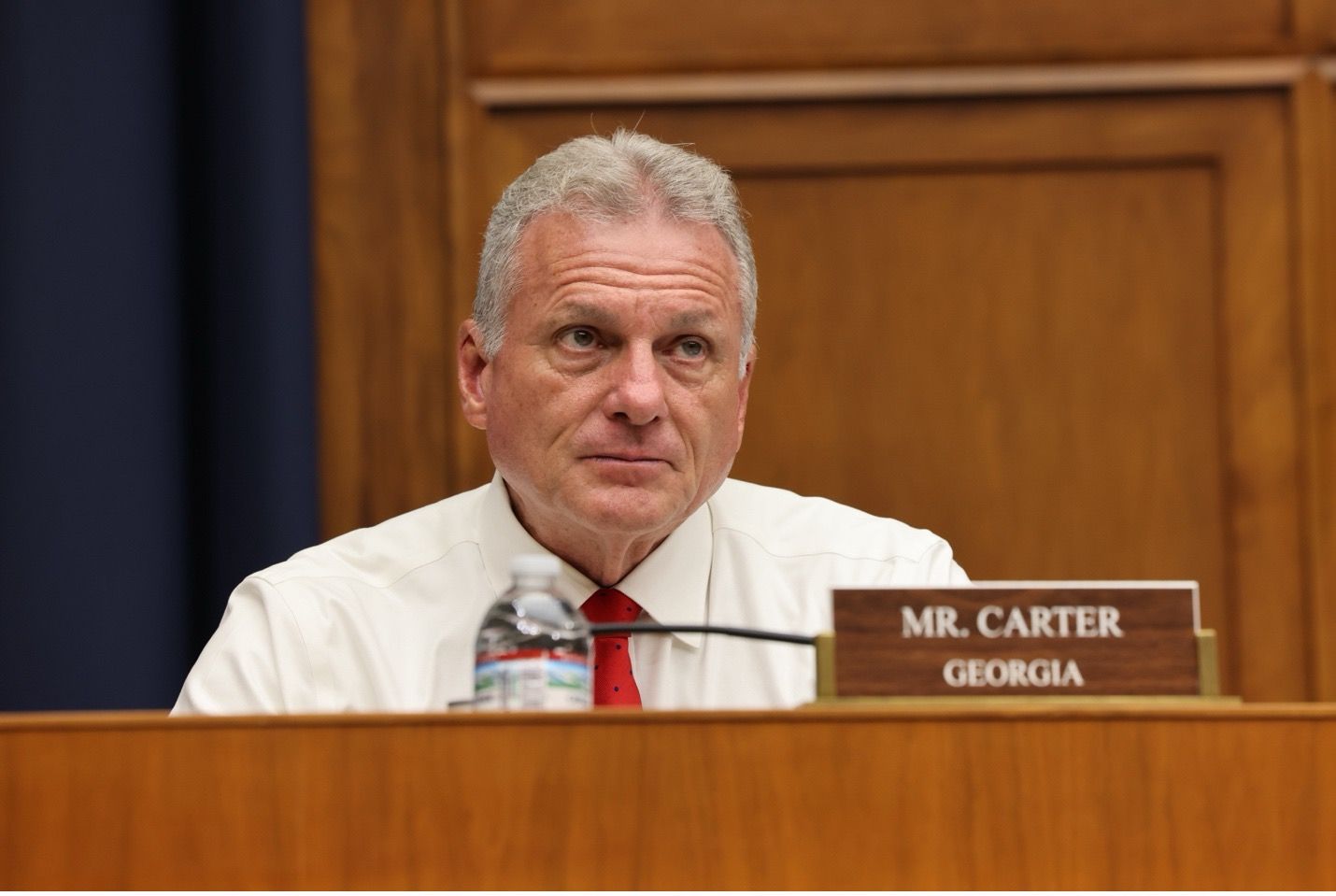
BV8A6390.JPG

Congressman Buddy Carter (GA-01): “This is certainly an important hearing, and Mr. Chairman, I applaud you and thank you for holding it. […] We've established the fact that PFAS are used in a number of different areas and a number of different things, and consumer products and industrial purposes. And oftentimes they're used in life saving devices, electronics and firefighting foams. I'm going to touch on that in just a second, but while they're essential for everyday life and many life saving devices, its very complex nature makes the cleanup and the disposal difficult. So, I want to talk about the practicality of how we deal with this. I'm not denying we need to deal with it, I just want to talk about the practicality.”


Dec 15, 2025
Press Release

Energy and Commerce Weekly Look Ahead: The Week of December 15th, 2025

WASHINGTON, D.C. – This week, the House Committee on Energy and Commerce is holding three Subcommittee Hearings. Read more below.

SUBCOMMITTEE HEARING: The Energy and Commerce Subcommittee on Communications and Technology is holding a hearing to discuss public safety communications in the United States.

  • DATE: Tuesday, December 16, 2025
  • TIME: 10:15 AM ET
  • LOCATION: 2123 Rayburn House Office Building

SUBCOMMITTEE HEARING: The Energy and Commerce Subcommittee on Oversight and Investigations is holding a hearing to examine how AI and biotechnology advancements affect biosecurity and efforts to mitigate risks.

  • DATE: Wednesday, December 17, 2025
  • TIME: 10:15 AM ET
  • LOCATION: 2123 Rayburn House Office Building

SUBCOMMITTEE HEARING: The Energy and Commerce Subcommittee on Environment is holding a hearing to discuss the current statutory and regulatory landscape for PFAS.

  • DATE: Thursday, December 18, 2025
  • TIME: 10:00 AM ET
  • LOCATION: 2123 Rayburn House Office Building


Dec 12, 2025
Press Release

Chairmen Guthrie and Palmer Announce Hearing on Assessing the Current Statutory and Regulatory Landscape for PFAS

WASHINGTON, D.C. – Congressman Brett Guthrie (KY-02), Chairman of the House Committee on Energy and Commerce, and Congressman Gary Palmer (AL-06), Chairman of the Subcommittee on Environment, announced a hearing titled Examining the Impact of EPA’s CERCLA Designation for Two PFAS Chemistries and Potential Policy Responses to Superfund Liability Concerns.

“We’ve heard from many stakeholders who do not produce or use PFAS, but encounter these substances passively through their essential work managing residential waste, growing food, or bringing clean water to our homes,” said Chairmen Guthrie and Palmer. “Federal actions have caused concerns about potential liability in the wake of EPA’s designation of two PFAS chemicals as hazardous substances under the Superfund law. This hearing is an opportunity to assess the current statutory and regulatory landscape for PFAS and consider what steps Congress may need to take to respond to these concerns.”

Subcommittee on Environment hearing titled Examining the Impact of EPA’s CERCLA Designation for Two PFAS Chemistries and Potential Policy Responses to Superfund Liability Concerns.

WHAT: Subcommittee on Environment hearing to discuss the current statutory and regulatory landscape for PFAS.

DATE: Thursday, December 18, 2025

TIME: 10:00 AM ET

LOCATION: 2123 Rayburn House Office Building

This notice is at the direction of the Chairman. The hearing will be open to the public and press and will be live streamed online at energycommerce.house.gov. If you have any questions concerning the hearing, please contact Jackson Rudden with the Committee staff at Jackson.Rudden@mail.house.gov. If you have any press-related questions, please contact Ben Mullany at Ben.Mullany@mail.house.gov.