Environment Subcommittee Holds Hearing to Discuss Legislation to Modernize America’s Chemical Safety Law
WASHINGTON, D.C. – Today, Congressman Gary Palmer (AL-06), Chairman of the Subcommittee on Environment, led a hearing titled Chemicals in Commerce: Legislative Proposal to Modernize America’s Chemical Safety Law, Strengthen Critical Supply Chains, and Grow Domestic Manufacturing.
“The process for reviewing new chemicals – which was a significant focus of the 2016 effort – is broken. This regulatory uncertainty makes it difficult for the chemical industry to bring safer alternatives or new technology to the market in the U.S. and impacts human health and the environment by slowing the transition to safer alternatives,” said Chairman Palmer. “The bill would reauthorize the fee provision for another 10 years and require increased transparency and accountability in how fees are used by EPA.”
Watch the full hearing here.
Below are key excerpts from today’s hearing:
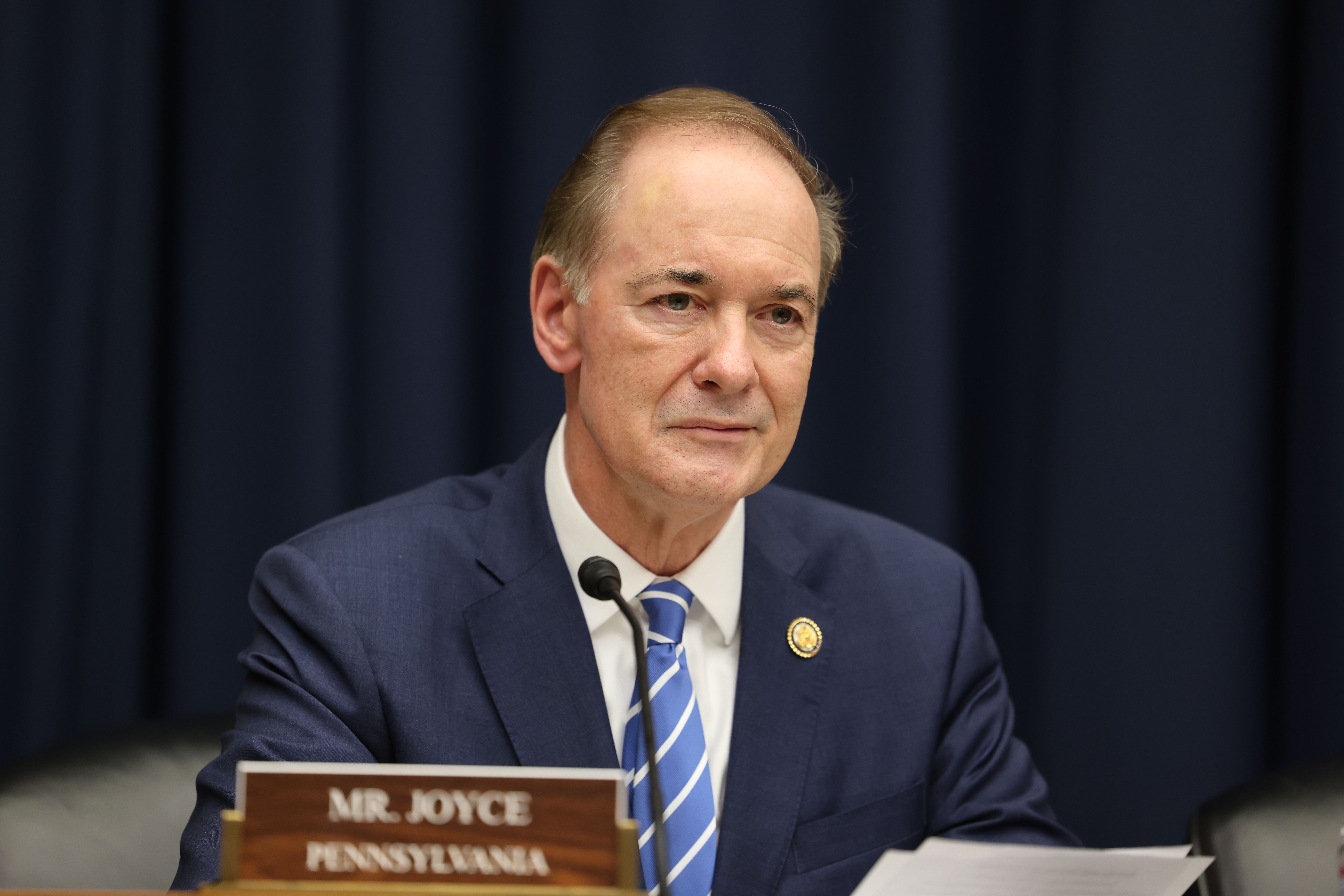
Congressman John Joyce, M.D. (PA-13): “Dr. White, we've had this discussion and my colleagues have opened the door, but I want to give you an opportunity to speak to how provisions in this legislative proposal today will guide EPA to focus their consideration on conditions that reasonably could be foreseen, and not just theoretical or even unlikely, because I think we're opening up potential areas that will waste time to be able to allow important chemicals to be assessed. Can you discuss that for us, please?” Dr. White: “For every single chemical that the EPA has evaluated since TSCA was modernized, they have found it to be an unreasonable risk. This has really been because of their scientific practices and principles. They have ignored submitted data. They have mischaracterized worst case exposure scenarios and not understood what exposure actually looks like when they're making decisions. And they focused on conditions of use that were not relevant or that were not really going to provide or have a specific high level of exposure. So, this has led to really flawed assessments by the agency, leading to overly conservative risk management decisions by the agency. What this new approach does is it requires the agency to focus on those conditions of use that are more likely than not to occur. So, it really helps to, again, focus the agency on looking at actual real-world scenarios for how a chemistry might be used.”
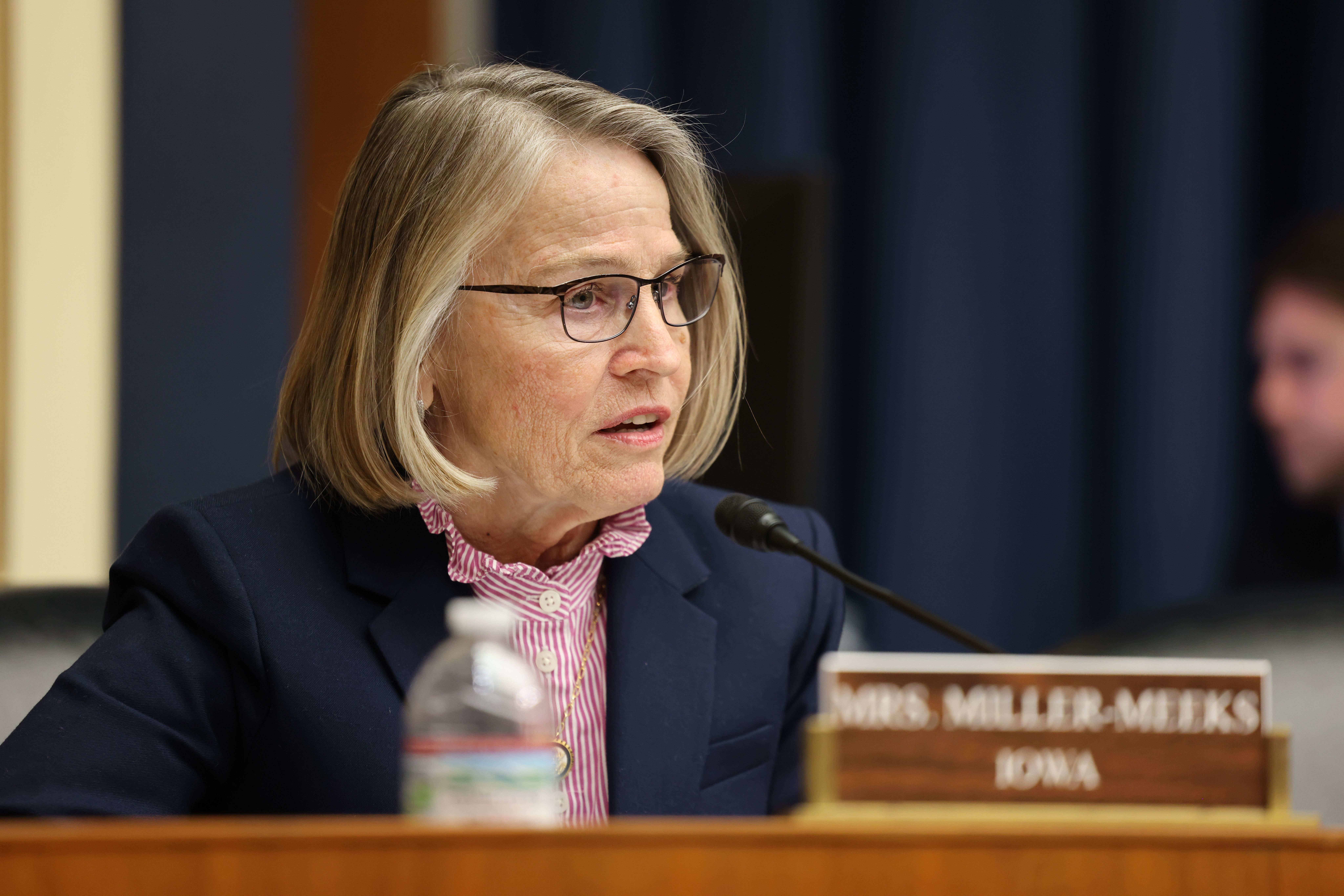
Congresswoman Mariannette Miller-Meeks (IA-01): “For states like Iowa, where agriculture, manufacturing, including chemical manufacturing, and innovation are central to our economy, we need a regulatory system that protects human health and the environment without relying on duplicative regulation or unnecessary delays. This discussion draft refocuses TSCA on real world risk, best available science, and coordination with other federal and international regulators. It encourages safer innovation, strengthens domestic supply chains, and ensures EPA is accountable for its decisions while preserving strong protections for workers, consumers, and families.”

Congressman Gabe Evans (CO-08): “One of the processes that's used at EPA to manage and look at these chemicals and do cost benefit analysis is what's called a risk evaluation. In your experience, do EPA's risk evaluations and subsequent risk management rules provide health and safety benefits that are commensurate with the costs and burdens of the rules? And if not, what can we do to address that?” Dr. White: “EPA's risk evaluation process can be improved upon. It has a best available science and a way to vet the scientific evidence statute that it should be relying on. It has been missing the mark over the last several years. And so, there's really an opportunity to strengthen that, maintain that language.”