Rep. Diana Harshbarger

R

Tennessee – District 1

Leadership

Vice Chair Health

119th Congress

News & Announcements


Feb 6, 2026
Press Release

Chairmen Guthrie and Bilirakis Announce CMT Subcommittee Markup of Legislation to Strengthen Motor Vehicle Safety and Advance U.S. Automotive Leadership

WASHINGTON, D.C. – Today, Congressman Brett Guthrie (KY-02), Chairman of the House Committee on Energy and Commerce, and Congressman Gus Bilirakis (FL-12), Chairman of the Subcommittee on Commerce, Manufacturing, and Trade, announced a subcommittee markup of twelve bills to strengthen automotive safety, affordability, and leadership.

WHAT: Subcommittee on Commerce, Manufacturing, and Trade markup of twelve bills.

DATE: Tuesday, February 10, 2026

TIME: 10:15 AM ET

LOCATION: 2123 Rayburn House Office Building

Items to be considered:

  • H.R. 5221, PART Act (Reps. Baird and McCollum)
  • H.R. 2110, Safe Vehicle Access for Survivors Act (Reps. Dingell and Crenshaw)
  • H.R. 6688, ADAS Functionality and Integrity Act (Reps. Harshbarger, Obernolte, Vazquez, and Torres-CA)
  • H.R. 3360, Driver Technology and Pedestrian Safety Act (Rep. Mullin)
  • H.R. 3385], To direct the Secretary of Transportation to issue certain regulations to update the definition of motorcycle, and for other purposes. (Rep. Van Ordan)
  • H.R. 1566, Right to Equitable and Professional Auto Industry Repair (REPAIR) Act (Reps. Dunn and Perez)
  • H.R. 7389, Motor Vehicle Modernization Act of 2026 (Chairman Guthrie)
  • H.R. 7390, Safely Ensuring Lives Future Deployment and Research In Vehicle Evolution (SELF DRIVE) Act of 2026 (Rep. Latta)
  • H.R. 7372, Safety Is Not for Sale Act (Ranking Member Pallone)
  • H.R. 7377, Know Before You Drive Act (Rep. Schrier)
  • H.R. 6947, Securing Accessible Functional Emergency (SAFE) Exit Act of 2026 (Rep. Kelly-IL)
  • H.R. 7353, Magnus White and Safe Streets for Everyone Act of 2026 (Rep. Clarke)

This notice is at the direction of the Chairman. The hearing will be open to the public and press and will be livestreamed online at energycommerce.house.gov. If you have any questions concerning this hearing, please contact Jackson Rudden at Jackson.Rudden@mail.house.gov. If you have any press-related questions, please contact Daniel Kelly at Daniel.Kelly@mail.house.gov.
O&I Subcommittee Holds Hearing on AI and Biotechnology

WASHINGTON, D.C. – Today, Congressman John Joyce, M.D. (PA-13), Chairman of the Subcommittee on Oversight and Investigations, led a hearing titled Examining Biosecurity at the Intersection of AI and Biology.

“As a physician, I must acknowledge the extraordinary promise that AI-enabled biotechnology holds for patient care. AI is accelerating drug discovery, improving protein modeling, and enabling the development of therapies with unprecedented precision,” said Chairman Joyce. “The Trump Administration has taken steps to keep up with such advancements, but the federal government must continue to carefully assess whether our current safeguards and reporting systems are adequate in an era of rapidly advancing AI technology.”

Watch the full hearing here

Below are key excerpts from today’s hearing:

BV8A5360.JPG

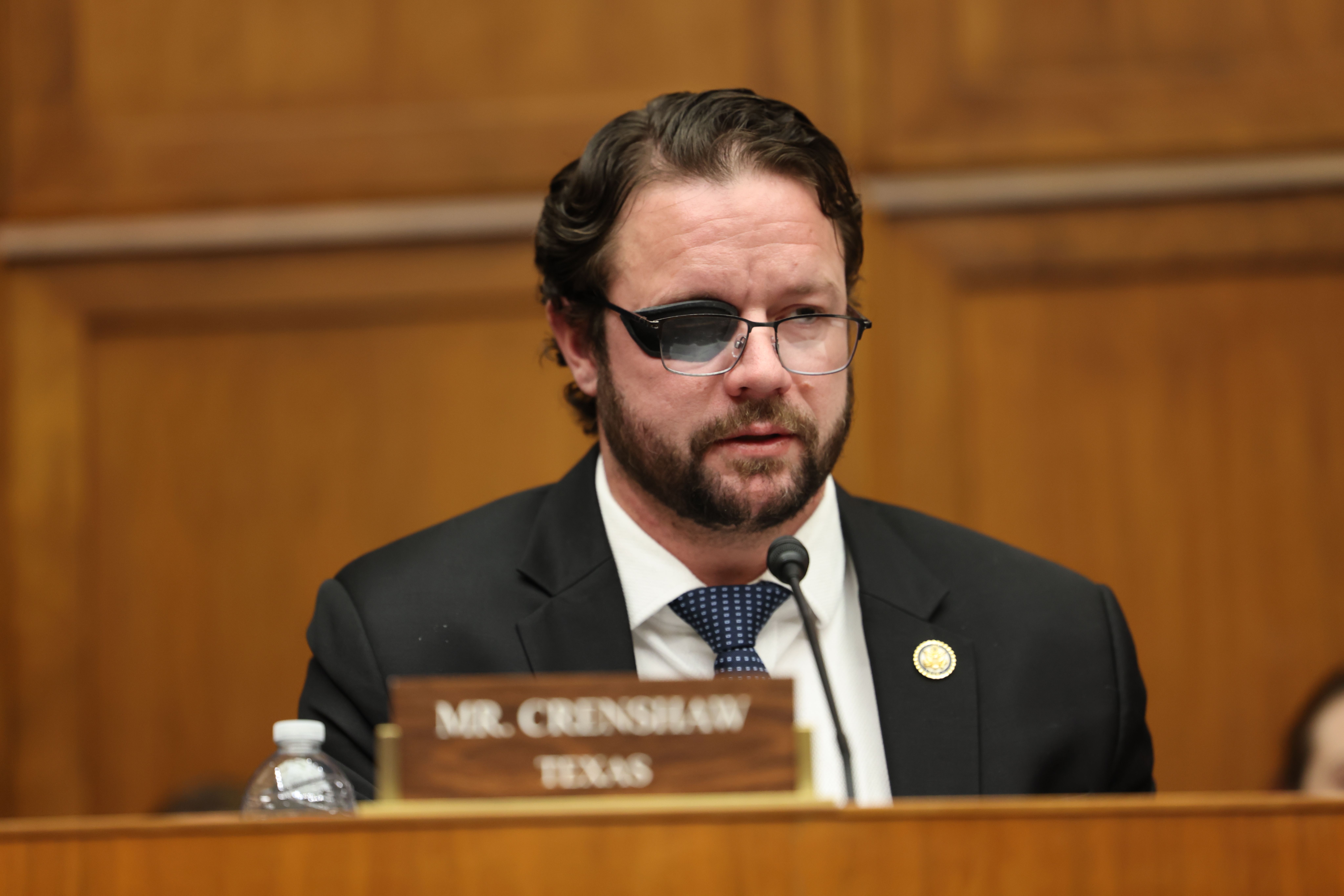
Congressman Dan Crenshaw (TX-02): “We've talked a lot about how AI can be used for all sorts of scary things. What about the good parts? What about assisting industry leaders and researchers in identifying biosecurity risks? In other words, you know, how can we use AI for good?” Mr. McKnight: “Thank you for the question. This builds on the conversation we were having about select agent lists and then the new incredible diversity of threats. The same way the biodesign tools that we're talking about can create new proteins and give lessons on how to create new medicines, those same tools can be turned around. [...] They can be turned around to automate the process of interpreting a sample that you're looking at, and then the development roadmap that is funded through these programs is to use AI to go from sequence detection to what the function is.”

BV8A5266.JPG

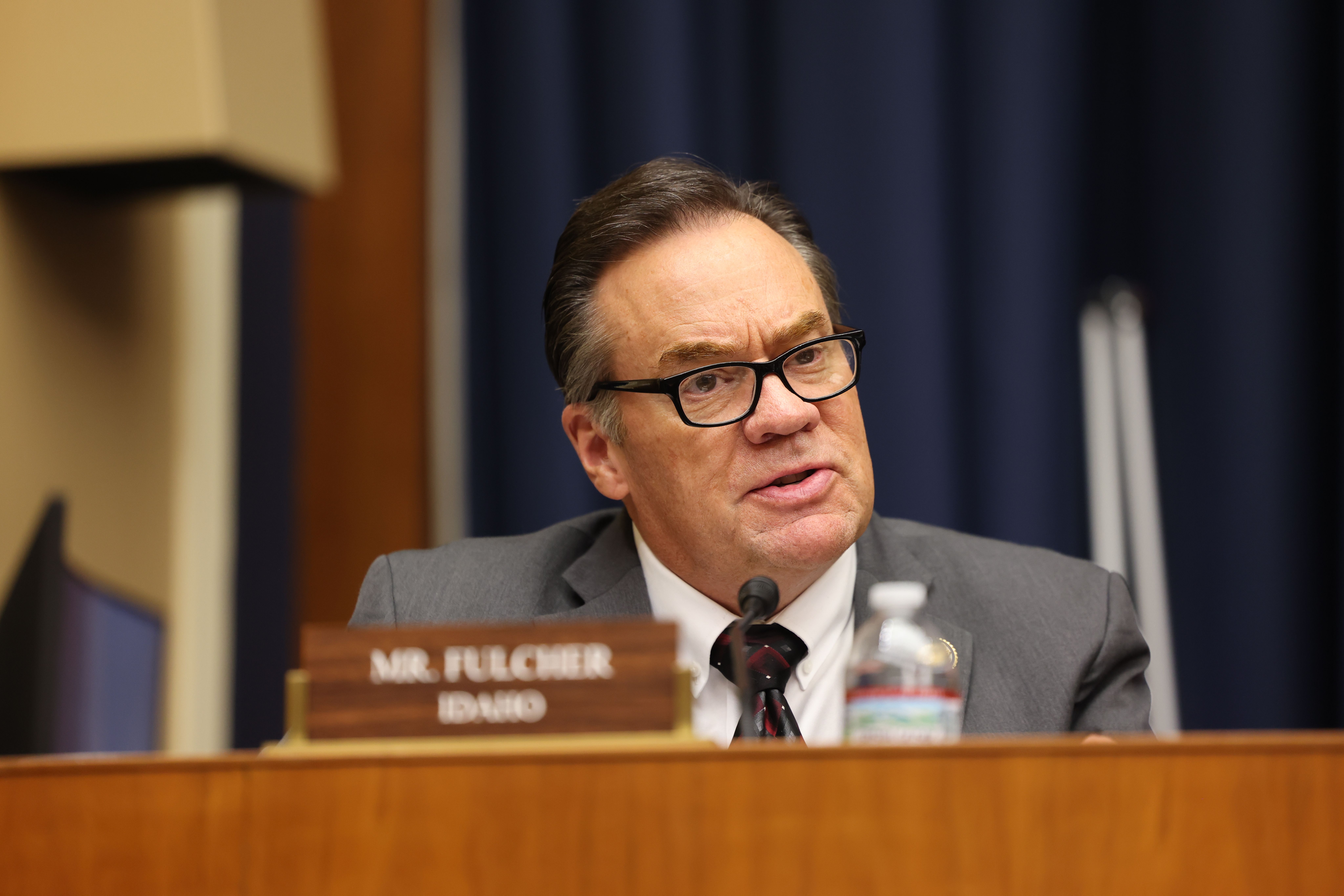
Congressman Russ Fulcher (ID-01): “In an attempt to try to close the door on this, President Trump had the executive order back in May. And looking at the gene synthesis, in the section of the President's EO of the gene synthesis section, can you say what specific parts of that order are actually going to stop these threats, or have the best chance of stopping these threats? Can they stop [those] threats if implemented? And, just a follow up, what else should we in Congress be doing about this?” Dr. Pannu: “Thank you for the question. Overall, I'm glad that you mentioned the executive order from May; I think that's an important initiative. There are a couple of things in that I would want to highlight: the gene synthesis provisions do call on Congress to proceed with a legislative effort to make gene synthesis screening mandatory across the U.S., that's something that Congress could advance. The other provisions on clearly defining what is dangerous gain of function research, those policies have yet to be released from the Office of Science and Technology Policy, so Congress could ask for an update as to those, and where they currently stand.”

BV8A5187.JPG

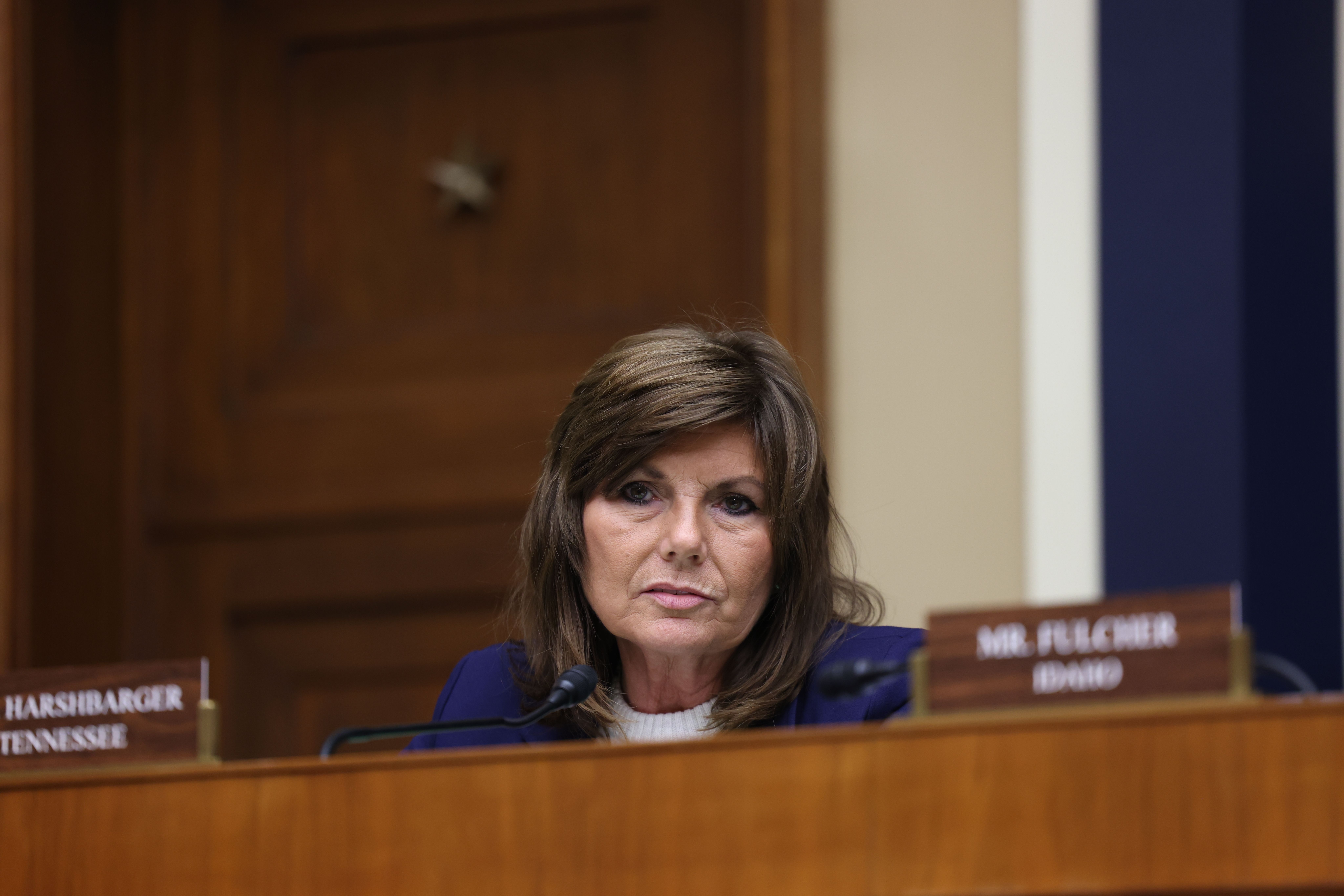
Congresswoman Diana Harshbarger (TN-01): “Are there early warning indicators—whether they're digital, biological or supply chain—that could help identify AI-enabled biological misuse? Because you talked about that digital to physical barrier.” Mr. McKnight: “Yes, one of the key capabilities that we work on is when you take a sample with Biothreat Radar from an airport, or from a community, or from a threat location, you bring it, you do DNA sequencing with it. […] We have a set of tools that we are constantly developing with cutting edge machine learning AI to analyze that DNA to tell you what’s in it, what different types of pathogens, are there new things that you haven’t seen? And one of the very specific tools that we work on that was developed in conjunction with IARPA […] is a tool that actually looks and algorithmically scores to identify if something has been genetically engineered or not.”


Sep 18, 2025
Health

Health Subcommittee Holds Health Legislative Hearing on Enhancing Seniors’ Access to Breakthrough Medical Technology

WASHINGTON, D.C. – Today, Congressman Morgan Griffith (VA-09), Chairman of the Subcommittee on Health, led a legislative hearing on examining policies to enhance seniors’ access to breakthrough medical technologies. “These policies are essential to reducing regulatory barriers to help patients get timely access to care, while also bringing more transparency into the coverage process at CMS,” said Chairman Griffith. “It is our job as Congress to ensure that patients are able to access treatments, screenings, or devices in a timely manner—especially if there are no other alternatives on the market.” Watch the full hearing here . Below are key excerpts from today’s hearing: Congresswoman Diana Harshbarger (TN-01) on the bill To amend title XVIII of the Social Security Act to ensure transparency in the national coverage determination process under the Medicare program and to make certain adjustments to Medicare local coverage determinations: “My question is, how should Medicare prioritize coverage pathways for therapies that address these high burden diseases?” Dr. Brinton: “As I said, this is obviously a huge number of Medicare beneficiaries [that] suffer from cardiovascular disorders. Ultimately, as we mentioned before, transitional coverage—the [Transitional Coverage for Emerging Technologies] as we exist today—provides an opportunity, but it’s limited basically to five technologies. This is a pace that requires [Coverage with Evidence Development] to get to a national coverage decision, but there’s an opportunity for a lot more than that to broaden the capability. There are technologies that we need to have available to seniors. The opportunity to do that basically provides accelerating this process.”   Congressman John Joyce, M.D. (PA-13) on the Ensuring Patient Access to Critical Breakthrough Products Act of 2025: “Innovation has long been the cornerstone of American medicine. It’s how I practiced medicine for 25 years. America has consistently led the world in development of new and innovative therapies and cutting-edge medical devices. However, due to the current payment structure of Medicare, our nation’s seniors frequently can be excluded from accessing the newest medical device technology. In fact, this delay in coverage following an FDA approval by CMS has the unfortunate name of the valley of death.” Congresswoman Mariannette Miller-Meeks (IA-01) on the Nancy Gardner Sewell Medicare Multi-Cancer Early Detection Screening Coverage Act: “Late-stage cancer diagnoses are the deadliest, require treatments that take the hardest toll on patients, and cost the most to treat. That’s why I was proud to coauthor the Nancy Gardner Sewell Medicare Multi-Cancer Early Detection Screening Coverage Act with my colleagues Representatives Hudson, Arrington, Sewell, Ruiz, and Kelly. This critical legislation gives CMS the authority to cover multi-cancer early detection tests once they’re approved by the FDA, ensuring our nation’s seniors have access to groundbreaking innovation that will transform how we diagnose and prevent cancer progression.” ###


Letters


Dec 19, 2024
Press Release

E&C Republicans Request HHS Watchdog Investigate Promotion of Gender Transition Procedures for Children

Washington, D.C. — In a new letter to Department of Health and Human Services (HHS) Inspector General Christi Grimm, House Energy and Commerce Committee Republicans requested an investigation into the strength, quality, and types of evidence-based scientific and pediatric medical literature relied on by the department to promote gender transition procedures for children.  KEY LETTER EXCERPT:  “As the agency responsible for safeguarding the health and well-being of Americans, all of HHS’s medical treatment recommendations, especially medical treatment recommendations for children, should be based on rigorous and well-established research, such as randomized controlled trials, that have definitively illustrated the long-term benefits of gender affirming care treatments.”  BACKGROUND:  Under the Biden administration, HHS has advocated for sex reassignment procedures on minors, including the use of serum puberty blockers, which have historically been used to treat children with precocious puberty (i.e., early onset puberty affecting about one percent of U.S. children) and sex offenders.   Puberty blockers, however, are known to stunt normal childhood development in children unaffected by precocious puberty.  HHS officials contend that sex reassignment procedures on minors are an unanimously accepted medical practice.  HHS Secretary Becerra testified before Congress that “every major medical association,” “medical journals,” and “scientific and medical evidence” has demonstrated the benefits of transitioning children’s biological sex.  When asked, via a Freedom of Information Act request, for the underlying scientific or medical basis for its position, HHS was only able to produce a two-page brochure that was already publicly available.  In contrast to HHS, a growing body of literature from medical experts and authorities around the world, including those in Europe, caution against performing such procedures on minors.   Courts and government health agencies responsible for determining child welfare have sought to limit child sex reassignment procedures.   Other countries have banned these interventions and surgeries on minors altogether.  An article published in the British Journal of Medicine found “there is great uncertainty about the effects of puberty blockers, cross-sex hormones, and surgeries in young people.”   A court in the United Kingdom noted the obvious about administering puberty blocking chemicals onto children: “[i]t is highly unlikely that a child aged 13 or under would be competent to give consent to the administration of puberty blockers. It is doubtful that a child aged 14 or 15 could understand and weigh the long-term risks and consequences of the administration of puberty blockers.”  In April 2024, the Cass Review , an independent review of gender identity services for children and young people, commissioned by the National Health Service England, found “[w]hile a considerable amount of research has been published in this field, systematic evidence reviews demonstrated the poor quality of the published studies, meaning there is not a reliable evidence base upon which to make clinical decisions, or for children and their families to make informed choices.”   The Cass Review also found that “[t]he rationale for early puberty suppression remains unclear, with weak evidence regarding the impact on gender dysphoria, mental or psychosocial health,” as well as unknown effects on cognitive and psychosexual development.  In August 2024, the American Society of Plastic Surgeons (ASPS) became the first major U.S. medical association to express caution on the use of gender surgery for gender dysphoria in adolescents. In its formal statement, the association stated: “ASPS currently understands that there is considerable uncertainty as to the long-term efficacy for the use of chest and genital surgical interventions for the treatment of adolescents with gender dysphoria, and the existing evidence base is viewed as low quality/low certainty. This patient population requires specific considerations.”   The letter was signed by Committee Chair Cathy McMorris Rodgers (R-WA), Subcommittee on Health Chair Brett Guthrie (R-KY), Subcommittee on Oversight and Investigations Chair Morgan Griffith (R-VA), Rep. Dan Crenshaw (R-TX), Rep. Gus Bilirakis (R-FL), Rep. Buddy Carter (R-GA), Rep. Gary Palmer (R-AL), Rep. Neal Dunn (R-FL), Rep. Randy Weber (R-TX), Rep. Troy Balderson (R-OH), Rep. August Pfluger (R-TX), Rep. Diana Harshbarger (R-TN), and Rep. Kat Cammack (R-FL).  CLICK HERE to read the letter.


Oct 7, 2024
Letter

Chair Rodgers Leads House GOP in Demanding Answers Over FCC Fast-Tracking Democrat Mega-Donor’s Media Takeover Weeks Before Election

Soros-linked fund to acquire more than 200 local radio stations weeks before election Washington, D.C. — House Energy and Commerce Committee Chair Cathy McMorris Rodgers (R-WA) led 40 of her Republican colleagues in demanding answers from the Chairwoman of the Federal Communications Commission (FCC) regarding her recent decision to fast-track a media deal allowing the Fund for Policy Reform, a group aligned with Democratic mega-donor George Soros, to buy over 200 radio stations just weeks before the 2024 election. With a party line vote of 3-2, the decision at the Commission level by the Democratic members of the FCC to temporarily waive the required national security review and allow excessive foreign ownership of American radio stations is deeply disturbing. KEY LETTER EXCERPT: “It is highly concerning that the FCC did not follow regular order for a transaction of this magnitude. Licensees and investors need certainty that the FCC will follow its rules and procedures when approving transactions so that the broadcast industry can have the resources it needs to continue serving the public.”  BACKGROUND: Audacy, Inc., a radio broadcasting group, which owns more than 200 radio-station licenses, filed for bankruptcy earlier this year.  Audacy’s filings revealed that a George Soros-backed group known as the Fund for Policy Reform had acquired at least 40 percent of Audacy’s debt.   Audacy estimated that, upon emerging from bankruptcy, 25 percent or more of its stock would be indirectly foreign owned, which triggers FCC review.   This review process requires national security agencies to review the transaction and offer any policy or national security concerns.   On September 30, 2024, the FCC released an Order granting a temporary waiver of this review process, delaying a national security review until after the bankruptcy process is complete and allowing foreign control of a significant number of radio stations across the entire United States, weeks before a national election. CLICK HERE to read Breitbart's exclusive coverage. CLICK HERE to read the full letter.


Apr 30, 2024
Press Release

E&C Republicans Press NIH to Confirm Agency Isn’t Funding Russian Research

Washington, D.C. — House Energy and Commerce Committee Chair Cathy McMorris Rodgers (R-WA), Subcommittee on Health Chair Brett Guthrie (R-KY), and Subcommittee on Oversight and Investigations Chair Morgan Griffith (R-VA), on behalf of the Health and Oversight Subcommittee Republicans, wrote to National Institutes of Health (NIH) Director Monica Bertagnolli. In the letter, the Chairs ask the NIH to confirm by May 14, 2024, whether the agency has complied with White House guidance to stop funding projects led by researchers and entities in Russia.  BACKGROUND :  On June 11, 2022, the White House Office of Science and Technology Policy (OSTP) issued guidance stating such projects and programs that commenced and/or were funded prior to Russia’s further invasion of Ukraine in February 2022 may be concluded, but new projects in affected subject areas will not be initiated.   The OSTP advised applicable departments and agencies to curtail interaction with the leadership of Russian government-affiliated universities and research institutions, as well as those who have publicly expressed support for the invasion of Ukraine.  In a statement in an April 9, 2023, article in The Washington Times , the NIH’s Office of Extramural Research claimed that “NIH currently does not fund any research in Russia.”  However, the Data Abyss tracker for the OSTP Russia guidance on federal funding agencies indicates that, as of April 5, 2024, the NIH has potentially 240 instances of problematic research collaborations since June 2022 that do not comply with the guidance. CLICK HERE to read the letter.