E&C Republicans Introduce Critical Fraud-Fighting Package to Protect Vulnerable Americans and Safeguard Taxpayer Dollars
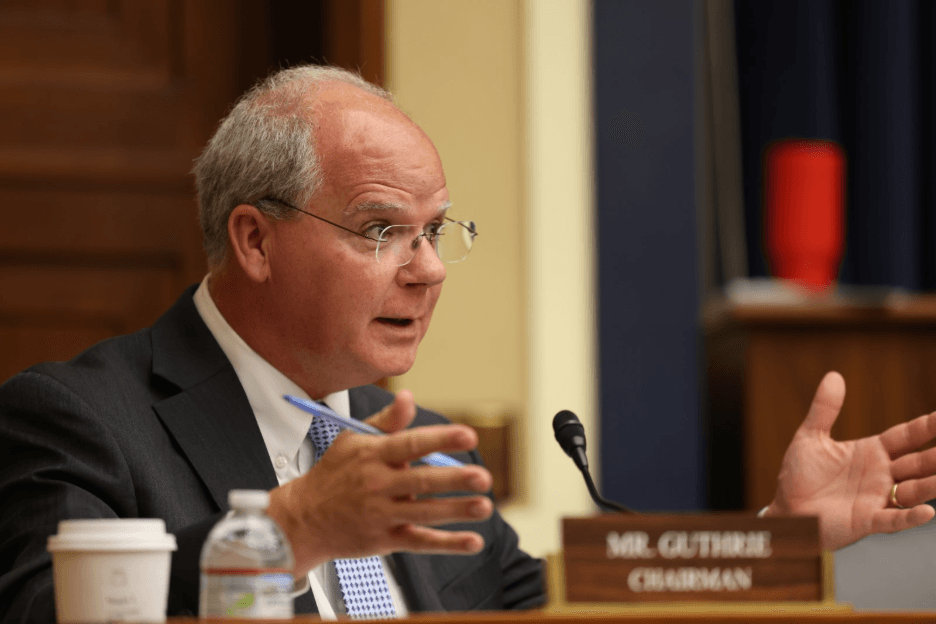
WASHINGTON, D.C. – Congressman Brett Guthrie (KY-02), Chairman of the House Committee on Energy and Commerce, released one of the most critical health care packages of the 119th Congress that puts American patients first.
Energy and Commerce Republicans’ agenda “Continuing the Fight Against Fraud” includes 14 bills to streamline necessary data collection and availability, bolster anti-fraud enforcement infrastructure, and incentivize fraud-fighting efforts so that states and the federal government can more effectively defend taxpayer dollars and safeguard important federally funded health programs.
Members issued the following statements of support for the package and bills:
Attributable to Congressman Brett Guthrie (KY-02), Chairman of the House Committee on Energy and Commerce:
“The amount of fraud that the Biden-Harris Administration allowed to go unchecked in government health programs is unacceptable. Every dollar stolen by fraudsters or wasted on improper payments is a dollar taken away from supporting families in need who rely on these programs. While states are on the front lines of confronting this fraud, we must take commonsense steps to ensure that they are able to recoup their costs, providing incentives to do the vital work that is needed, including needed data sharing and new technologies that support enforcement, to ensure the program can continue to work for the Americans it was designed to serve.
“By using enhanced data analytics to find and eliminate fraud, incentivizing states to crack down on fraud more diligently, and fortifying the integrity of critical health programs, Republicans are leading the charge to restore the long-term vitality of federally funded health systems. Our multi-faceted program integrity package will help to combat the fraud that has plagued our system for far too long, I’m grateful for the consistent focus of our bill sponsors and their tireless effort to protect these programs, and we look forward to continuing the fight to ensure Americans have access to the care they need.”
Attributable to Congressman Morgan Griffith (VA-09), Chairman of the Energy and Commerce Subcommittee on Health and Sponsor of the Medicaid Fraud Fighting and Taxpayer Protection Act:
“For too long, Medicaid fraud has cost American taxpayers and Medicaid beneficiaries. As a leader on this issue, I believe a tangible step is my bill to enhance incentives to States to ferret out fraud in Medicaid and receive an increased portion of the money saved when they find fraud. Through this kind of action, we can improve fraud identification efforts, recoup stolen Medicaid dollars and protect a vital federal public health program.”
Attributable to Congressman Bob Latta (OH-05), Chairman of the Energy and Commerce Subcommittee on Energy and Sponsor of the HCBS Anti-Fraud Reporting Act of 2026:
“For years, Medicaid dollars have not received proper oversight leading to improper payments and fraudulent activity. That’s why I’m glad my Home and Community Based Services (HCBS) Anti-Fraud Reporting Act of 2026 is included in our agenda to continue the fight against fraud. Home and community-based services play an important role in helping Americans receive care in the setting that best meets their needs. As these programs continue to grow, we must ensure taxpayer dollars are being responsibly used. The HCBS Anti-Fraud Reporting Act will increase transparency and accountability by helping states identify and address waste, fraud, and abuse while preserving the flexibility they need to administer these programs effectively.”
Attributable to Congressman Gus Bilirakis (FL-12), Chairman of the Energy and Commerce Subcommittee on Commerce, Manufacturing, and Trade and Sponsor of the Medicaid RAC Improvement Act:
“Medicare and Medicaid fraud doesn’t just waste taxpayer dollars - it drains resources meant to provide critical care for seniors, children, expectant mothers, and Americans with disabilities while driving up costs for everyone. We have a responsibility to safeguard taxpayer dollars, strengthen protections against fraud, and hold those who exploit these programs accountable. A critical part of preserving Medicare and Medicaid is ensuring these resources reach the people they are intended to serve.”
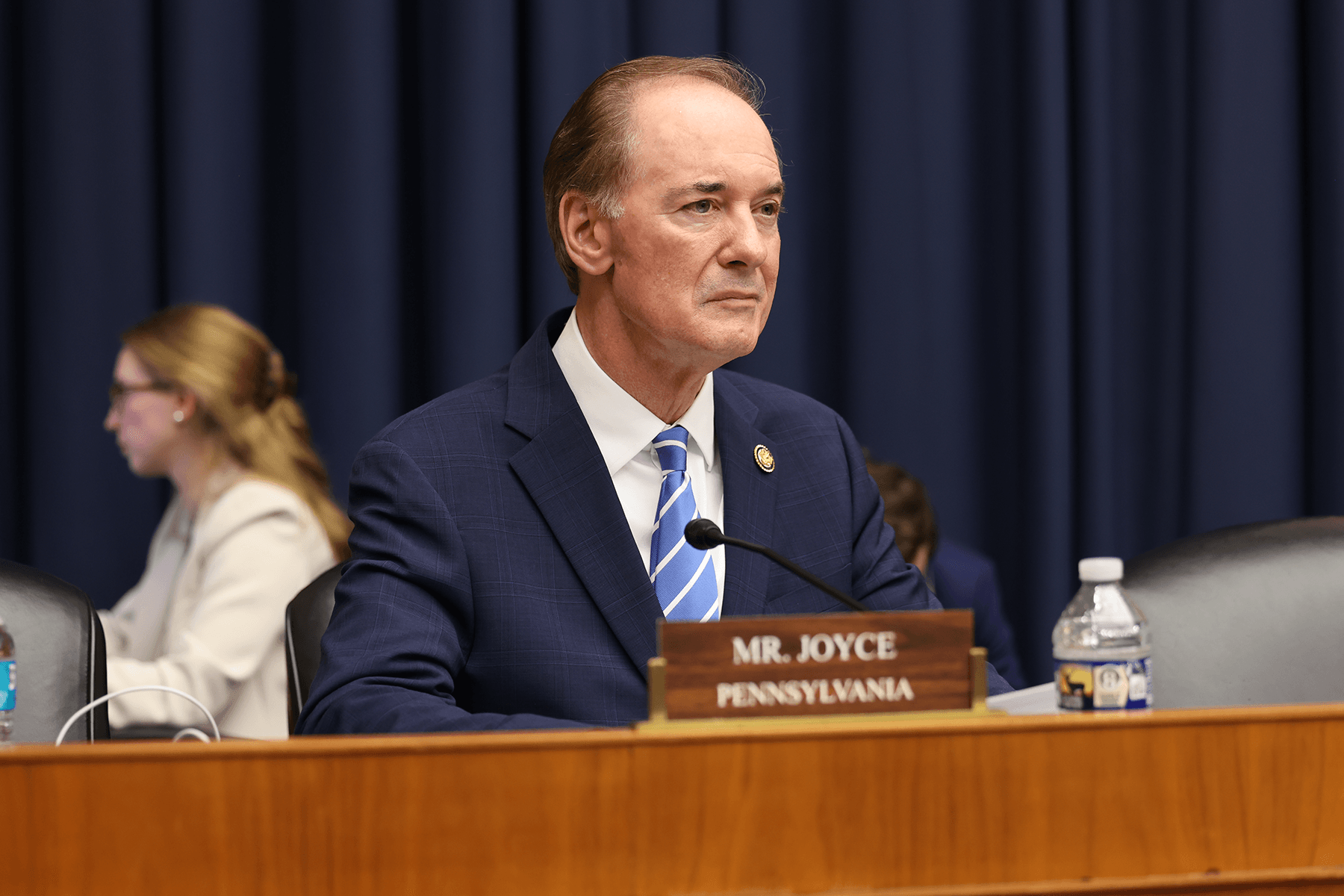
Attributable to Congressman John Joyce, M.D. (PA-13), Chairman of the Energy and Commerce Subcommittee on Oversight and Investigations and Sponsor of the Medicaid Integrity Improvement Act:
“For years, weak guardrails and inadequate oversight have allowed billions of taxpayers’ dollars to be stolen from the people who depend on Medicaid. Our committee’s investigation has produced overwhelming evidence that demands aggressive action now. The Medicaid Integrity Improvement Act replaces passive reporting with active accountability by requiring Medicaid Fraud Control Units to focus on identifying and recovering improper payments rather than simply conducting and documenting audits. Combined with stronger coordination across agencies, this bill closes the gaps fraudsters have exploited and moves us closer to our goal of complete integrity and reliability in the program.”
Attributable to Congressman Troy Balderson (OH-12), Vice Chairman of the Energy and Commerce Subcommittee on Oversight and Investigations and Sponsor of the Strengthening Medicaid Analytics to Reduce Theft (SMART) Act:
“The SMART Act gives states better tools to spot fraud, waste, and abuse and protect taxpayer dollars. Medicaid is an important lifeline for millions of Americans, and we have a responsibility to make sure every dollar goes to the people who need it most. Instead of every state building its own system, this bill puts standardized data-analytic technologies in their hands to flag suspicious activity and halt improper payments. I’d like to thank Chairman Guthrie and my colleagues on the Energy and Commerce Committee for helping lead the charge to strengthen Medicaid.”
Attributable to Congressman Tom Kean (NJ-07), Sponsor of the Helping Encourage Lawful Payments and Strengthen Transparency, Anti-fraud, Tips, and Enforcement Strategies (HELP STATES) Act:
“The HELP STATES Act gives New Jersey and other states the power to crack down on Medicaid fraud by letting them keep more of what they recover and reinvest it straight into stopping waste. This means more resources, stronger oversight, and a smarter system that rewards states for protecting taxpayer dollars.”
Attributable to Congressman Gabe Evans (CO-08), Sponsor of the Strengthening Tools for Oversight to Prevent (STOP) Medicaid Fraud Act:
“For years, blue states like Colorado have allowed scammers and criminals to exploit millions of dollars in taxpayer-funded Medicaid programs like non-emergency transport and autism therapy, turning a blind eye to the fraud and abuse overwhelming the system. Healthcare is vital, and we must protect these programs to ensure our neighbors who need them the most have timely and reliable access. That’s why I’m proud to introduce the Strengthening Tools for Oversight to Prevent (STOP) Medicaid Fraud Act, to eliminate the inexcusable fraud in the system, and force irresponsible state governments to put our nation’s most vulnerable first.”
Attributable to Congresswoman Mariannette Miller-Meeks, M.D. (IA-01), Sponsor of the Medicaid Whistleblower Protection Act:
“No public servant should have to choose between their conscience and their livelihood. Whistleblowers who report fraud, waste, and abuse in Medicaid are protecting taxpayer dollars and the vulnerable people this program is meant to serve, and they deserve real protection, not retaliation. The Medicaid Whistleblower Protection Act gives whistleblowers a clear legal process to report wrongdoing and seek relief if they're punished for speaking up. I will fight to make sure the people willing to tell the truth are protected, not silenced.”
Attributable to Congressman August Pfluger (TX-11), Sponsor of the Medicaid Integrity and Fiscal Accountability Act:
“Every dollar lost to fraud, waste, and improper payments is a dollar taken from patients who depend on Medicaid and from the taxpayers who fund it. My legislation puts a single, accountable official in charge of Medicaid claims processing, payment integrity, financial reporting, and internal controls in each state. This is a commonsense step to protect Medicaid for the Americans it was meant to serve.”
Attributable to Congressman Cliff Bentz (OR-02), Sponsor of the Public Access to HHS Health Data Act:
“We all want to improve our healthcare system, and access to data is absolutely essential to these efforts. My Public Access to HHS Health Data Act will help all groups more quickly access this essential information.”
Attributable to Congressman Derek Schmidt (KS-02), Sponsor of the STOP FRAUD in Medicaid Act:
“Medicaid dollars should go to those who need them - not fraudsters. The STOP FRAUD in Medicaid Act gives state Medicaid Fraud Control Units the flexibility and tools to investigate and prosecute more fraudulent applications and benefits, protecting taxpayers and strengthening the integrity of Medicaid for the people it is designed to help.”
BACKGROUND:
Medicaid remains vulnerable to waste, fraud, abuse, and improper payments going undetected.
These legislative solutions would strengthen program integrity by providing states with better resources to detect and prevent improper payments, increasing incentives to recover fraud, requiring states to identify and address vulnerabilities, and establishing stronger—and clearer—accountability for program oversight.
** Better Data: ** Policies that incorporate enhanced data and technology in state programs to better identify fraud, waste, abuse, and improper payments
- Strengthening Medicaid Analytics to Reduce Theft (SMART) Act – Rep. Balderson (OH-12): States often must maintain their own program-integrity capabilities, while fraud schemes and high-risk providers can operate across state lines. The bill requires HHS to make standardized data-analytics technology available to every state to identify and prevent Medicaid fraud, waste, and abuse.
- Medicaid Integrity Improvement Act – Rep. Joyce (PA-13): High-risk providers can present significant exposure to Medicaid before problems are identified through traditional enforcement activities. The bill requires MFCUs to conduct annual audits to identify improper payments and fraud among providers with elevated risk indicators.
- Public Access to HHS Health Data Act – Rep. Bentz (OR-02): Important federal data can be difficult for states, lawmakers, and the public to locate, access, and use consistently. The bill requires HHS to create and maintain a centralized, publicly accessible repository of HHS datasets for oversight, research, and program-integrity activities.
- Strengthening Tools for Oversight to Prevent (STOP) Medicaid Fraud Act – Rep. Evans (CO-08): NEMT and ABA services can present vulnerabilities when Medicaid lacks reliable electronic confirmation that a service was actually provided. Expanding EVV to these services would extend an existing program-integrity tool to additional areas where verification can help prevent improper payments and identify gaps in care.
** Stronger Enforcement: ** Policies that equip states with stronger enforcement tools and incentives to identify and recover improper spending
- Helping Encourage Lawful Payments and Strengthen Transparency, Anti-fraud, Tips, and Enforcement Strategies (HELP STATES) Act – Rep. Kean (NJ-07): States bear significant costs when investigating and recovering fraudulent Medicaid payments but generally must return the federal share of recovered funds. The bill allows states to retain up to 25% of the federal share of Medicaid overpayment recoveries attributable to fraud, provided the retained funds are reinvested in Medicaid-program integrity activities such as audits, investigations, data analytics, and information technology.
- Medicaid Fraud Fighting and Taxpayer Protection Act – Rep. Griffith (VA-09): False Claims Act cases require substantial investigative and legal resources from states. The bill increases the additional share of federal Medicaid recoveries available to states with qualifying False Claims Act cases from 10 percentage points to 25 percentage points, which would provide a stronger incentive to investigate and recover funds.
- Medicaid Whistleblower Protection Act - Rep. Miller-Meeks (IA-01): State employees and contractors may have information about misconduct, so stronger protections are necessary to reduce the risk of retaliation and encourage those with credible information to report problems. The bill requires states to establish whistleblower protections for individuals who report Medicaid fraud, waste, or abuse.
- WALZ Act – Rep. Miller-Meeks (IA-01): The bill requires HHS OIG to review whether a 10 percent increase in Medicaid spending may be attributable to fraud, waste, or abuse.
- STOP FRAUD in Medicaid Act – Rep. Schmidt (KS-02): The bill allows MFCUs to investigate and prosecute fraudulent applications for and receipt of Medicaid benefits.
** More Accountability: ** Policies that hold states accountable by mandating they identify vulnerabilities, establish clear responsibility, and take corrective action
- Medicaid Integrity and Fiscal Accountability Act – Rep. Pfluger (TX-11): Responsibility for Medicaid financial integrity can be dispersed among multiple state agencies or offices. The bill requires each state to designate an individual responsible for key fiscal responsibilities, including claims processing, payment integrity, financial reporting, and internal financial controls.
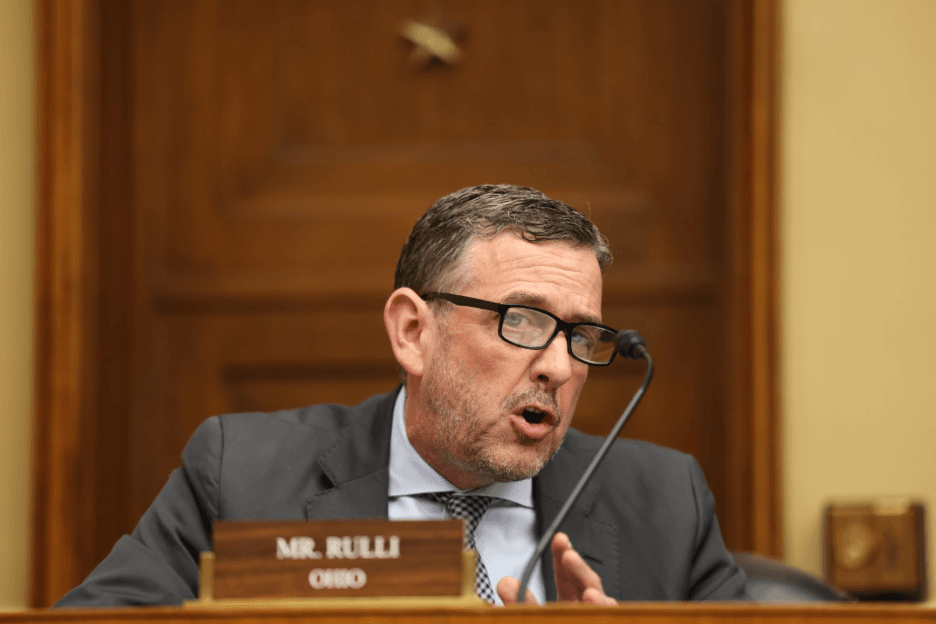
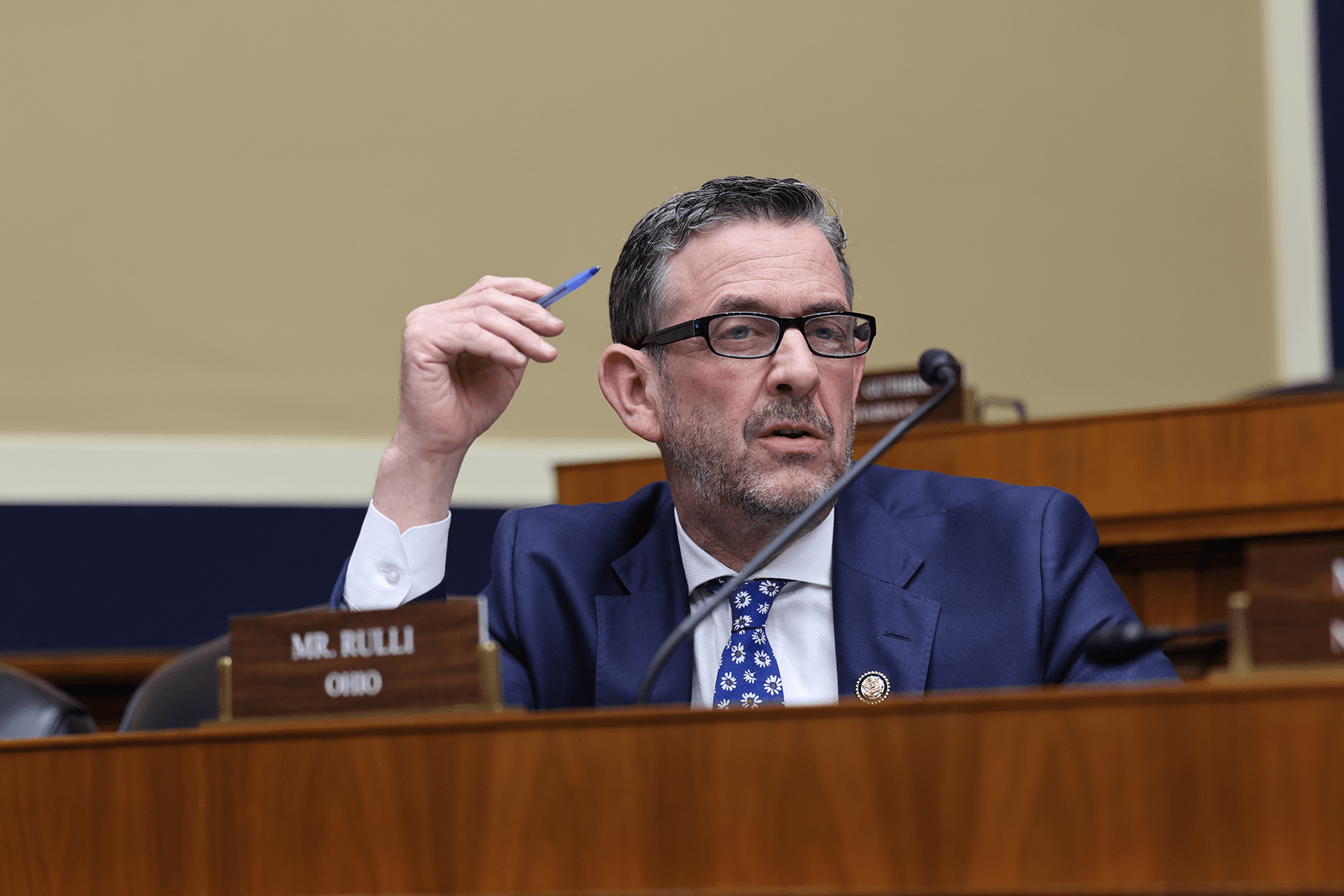
- Medicaid Fraud Prevention Act – Rep. Rulli (OH-06): States may identify individual program-integrity problems without having a standardized process for assessing and prioritizing their broader fraud risks. The bill requires states to conduct comprehensive annual Medicaid fraud risk assessments, implement corrective action plans addressing identified vulnerabilities, and report to HHS and Congress.
- Medicaid RAC Improvement Act – Rep. Bilirakis (FL-12): This bill strengthens Medicaid program integrity by tightening federal oversight of state Recovery Audit Contractor (RAC) programs, requiring more detailed reporting on audits, overpayments, and recoveries, and expanding RAC requirements to Medicaid managed care payments. It phases out state exemptions, standardizes audit and reporting practices across states, and requires CMS to regularly report to Congress on program effectiveness.
- Home and Community Based Services Anti-Fraud Reporting Act – Rep. Latta (OH-05): The bill requires each state to submit an annual report to the Secretary identifying fraud, waste, and abuse involving services provided under 1915(c) HCBS waivers and detailing the steps taken to prevent and address such improper payments.
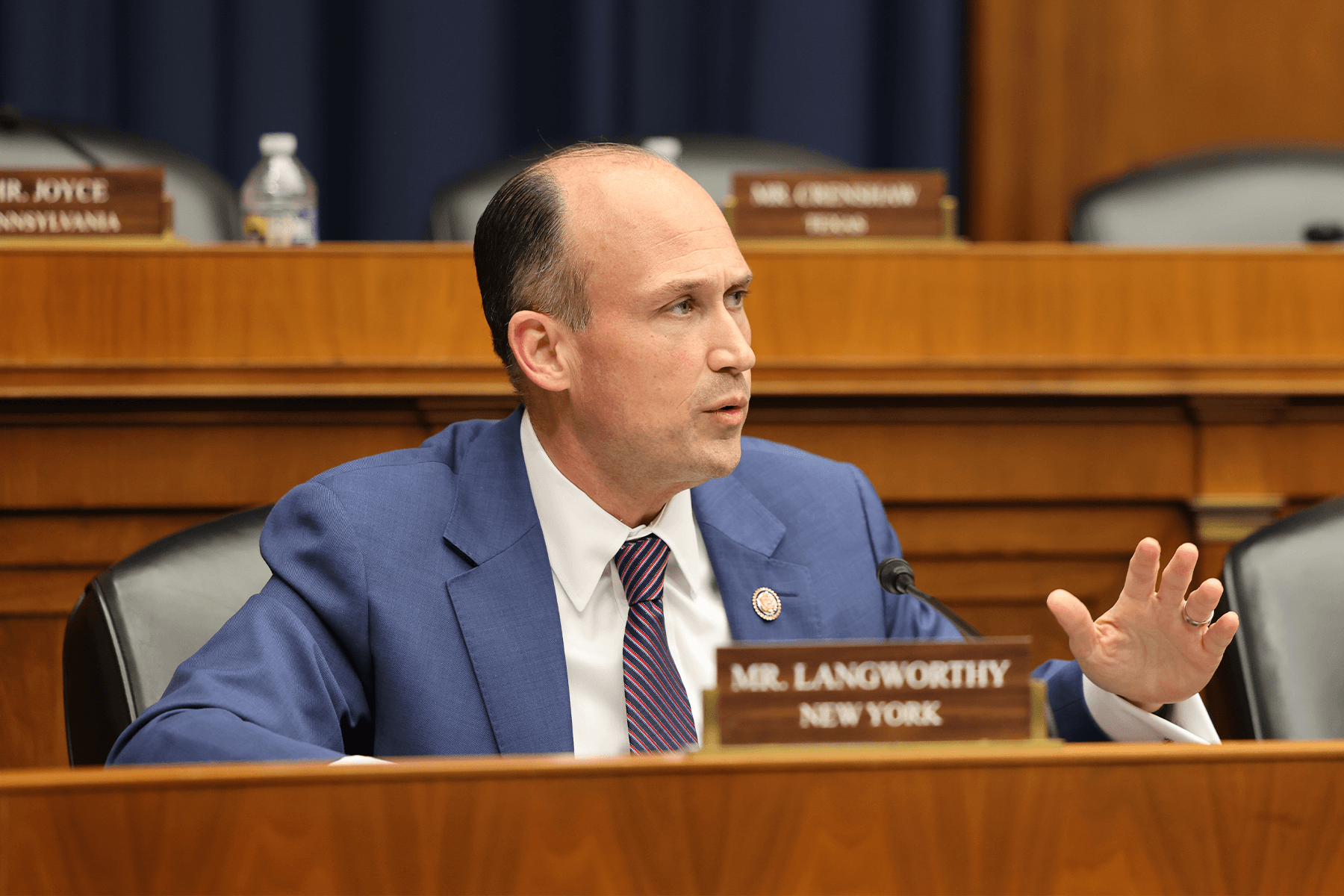
- Medicaid Provider Screening Accountability Act – Rep. Langworthy (NY-23): The bill requires state Medicaid programs to check, during provider enrollment and reenrollment, whether providers have been terminated from Medicare, another state Medicaid program, or CHIP using designated databases, such as the Data Exchange system. States must continue checking these databases at least monthly after providers are enrolled.