Rep. Randy Weber

R

Texas – District 14

Leadership

Vice Chairman Energy

119th Congress

News & Announcements


Feb 4, 2026
Energy

Energy Subcommittee Advances Five Bills to Strengthen American Cybersecurity

WASHINGTON, D.C. – Today, Congressman Bob Latta (OH-05), Chairman of the Subcommittee on Energy, led a markup of five bills.

“Today the Energy Subcommittee marked up five bills that will update and enhance programs to help ensure the physical and cyber security of our nation’s energy infrastructure, including our electric grid,” said Chairman Latta. “These bills, two of which we have moved through the Committee in past Congresses with strong bipartisan support, also strengthen the Department of Energy’s ability to carry out its energy emergency functions.”

Legislative Vote Summary:

  • H.R. 7258, Energy Emergency Leadership Act, was forwarded without amendment to the Full Committee by a voice vote.
  • H.R. 7266, Rural and Municipal Utility Cybersecurity Act, was forwarded to the Full Committee, as amended, by a voice vote.
  • H.R. 7257, Securing Community Upgrades for a Resilient Grid (SECURE Grid) Act, was forwarded without amendment to the Full Committee by a voice vote.
  • H.R. 7272, Pipeline Cybersecurity Preparedness Act, was forwarded without amendment to the Full Committee by a voice vote.
  • H.R. 7305, Energy Threat Analysis Center Act of 2026, was forwarded without amendment to the Full Committee by a voice vote.

Watch the full markup here.

Below are key excerpts from today’s markup:
BV8A1603 copy.JPG

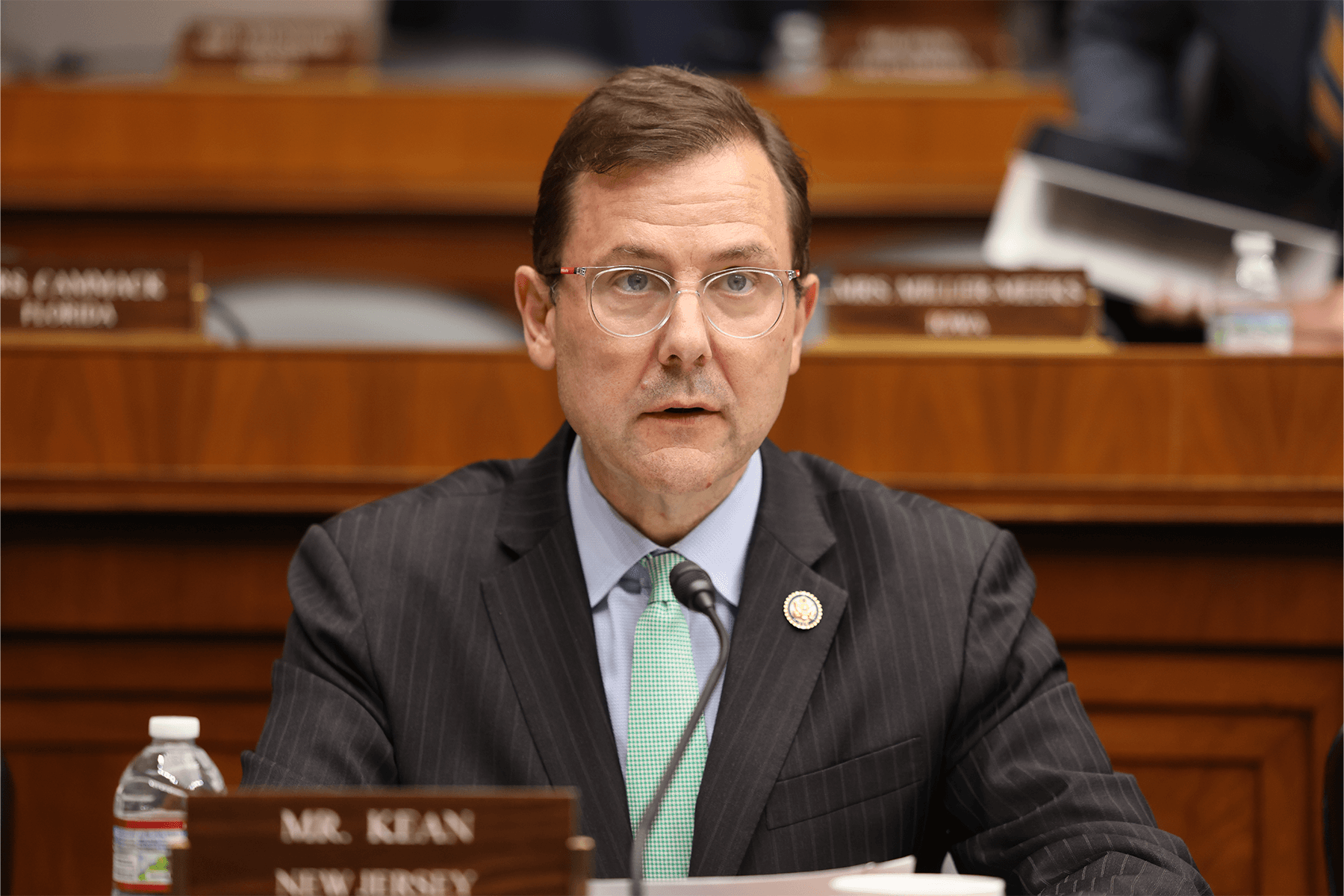
Congresswoman Mariannette Miller-Meeks (IA-01) on H.R. 7266, the Rural and Municipal Utility Cybersecurity Act: “Cyber-attacks targeting critical infrastructure have become more sophisticated and frequent. This bill ensures that rural electric cooperatives and small utilities have access to advanced cybersecurity tools, technical assistance, and grant funding to protect, detect, respond to, and recover from cyber threats. In Iowa’s First District, rural electric cooperatives serve ratepayers across our 20 counties. These cooperatives faced the same sophisticated cyber threats as major metropolitan systems but often lack the resources to defend against them. This bill ensures our local utilities have the tools they need to protect the grid that powers our homes, farms, and small businesses.”

BV8A1731 copy.JPG

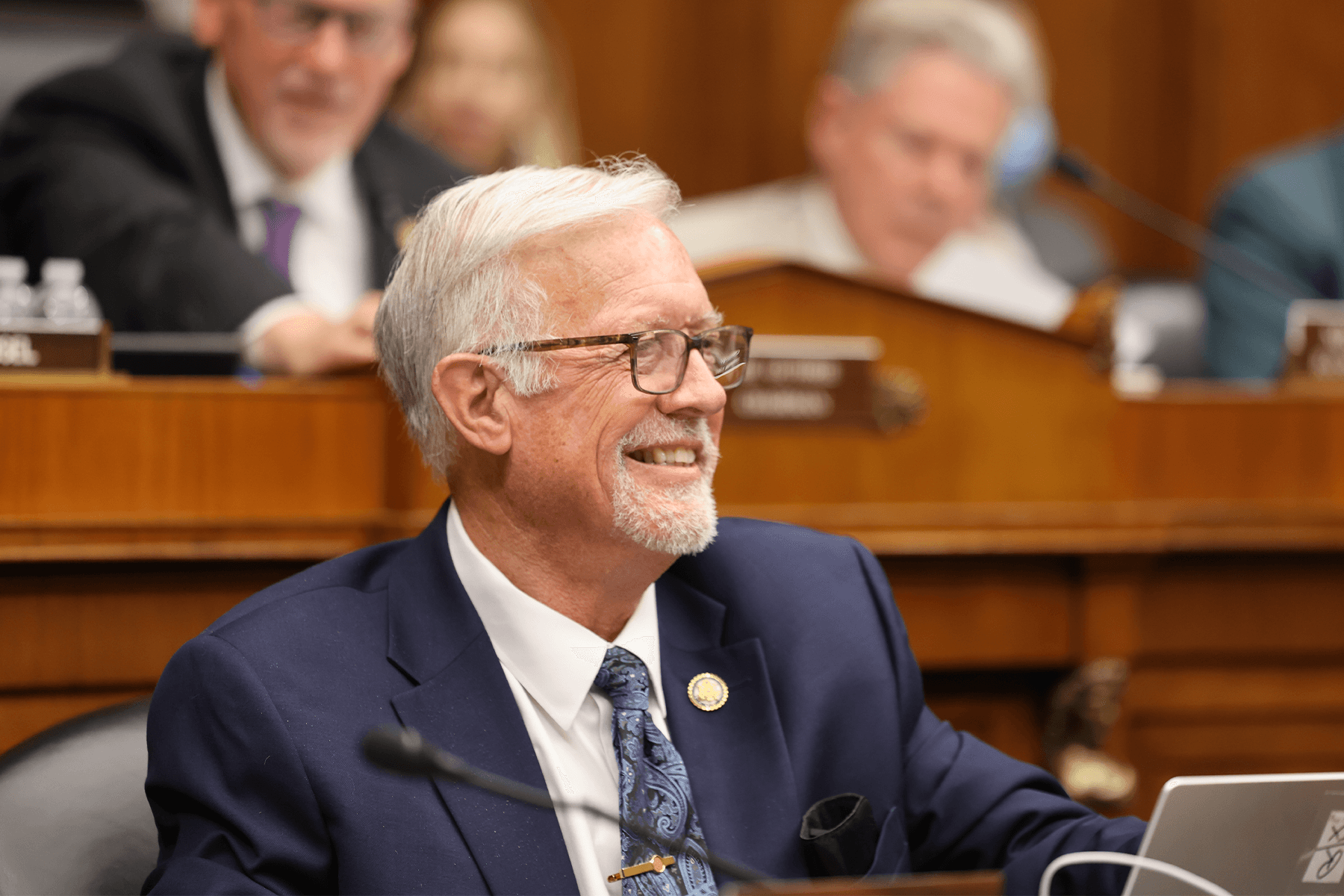
Congressman Randy Weber (TX-14) on H.R. 7272, the Pipeline Cybersecurity Preparedness Act: “H.R. 7272 would improve how the Department of Energy works with others to ensure the security and resilience of pipelines, as well as LNG facilities that our energy sector depends upon for the reliable supply of fuels and electricity. This legislation focuses on the Department of Energy’s vast technical capabilities to develop a program that improves the coordination and technical support needed to ensure timely, efficient, and effective work to secure our energy systems and respond to disruptions.”

BV8A1514 copy.JPG

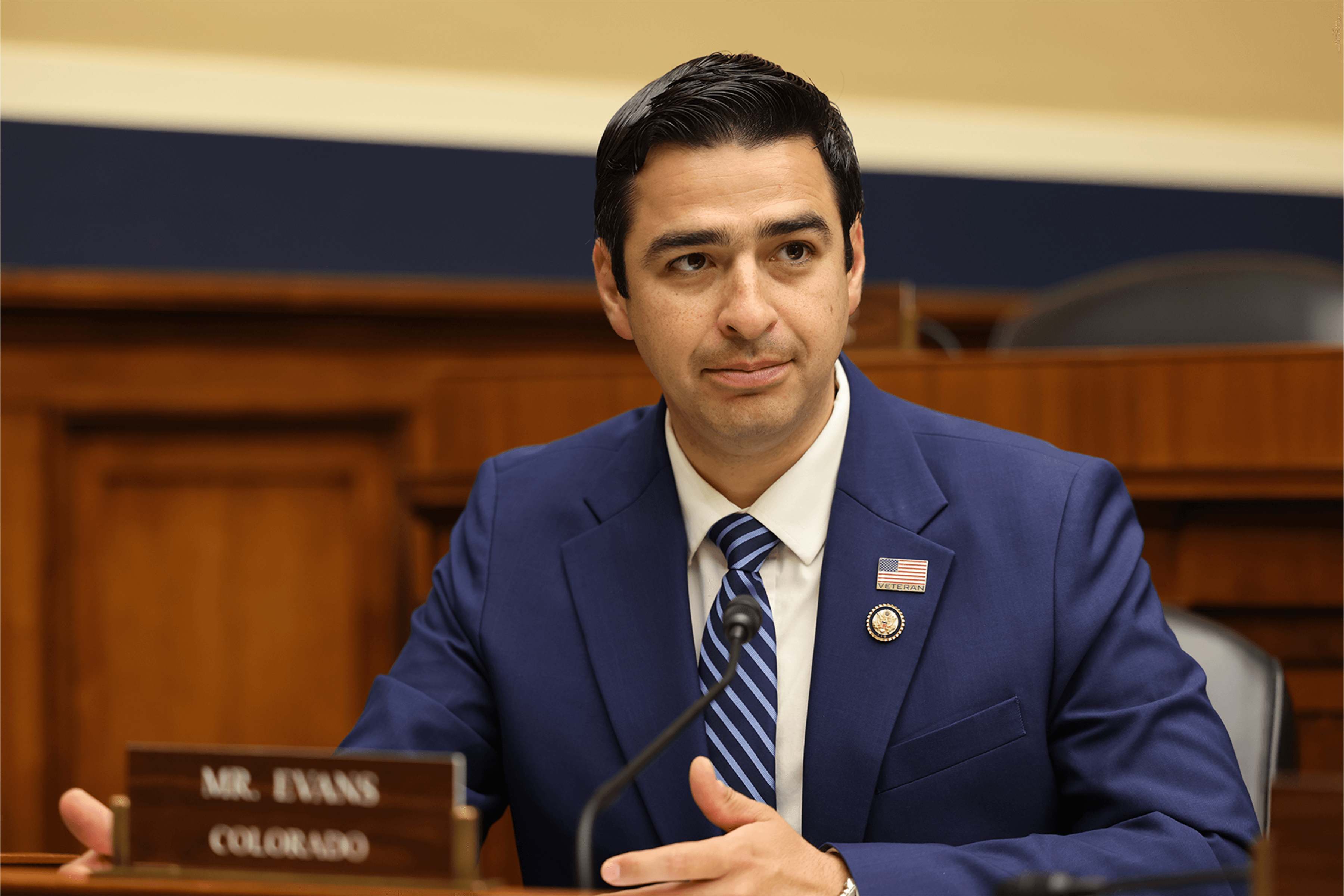
Congressman Gabe Evans (CO-08) on H.R. 7305, the Energy Threat Analysis Center Act of 2026: “It’s essential that we reauthorize ETAC. Chinese Communist Party-backed hacker groups like Volt Typhoon and Salt Typhoon have already embedded themselves in networks within critical infrastructure, and they’re operating at times undetected. Small towns and rural areas quite often don’t have the resources and the infrastructure to prevent attacks like this and are left with massive disruptions and costs when an attack occurs. These hackers are lying in wait, ready to disrupt key energy systems that are crucial to daily life, including domestic production and military readiness. The preventative work that ETAC does protects communities and our national security from attacks like these.”


Feb 2, 2026
Energy

Chairmen Guthrie and Latta Announce Energy Subcommittee Markup of Five Bills to Strengthen American Cybersecurity

WASHINGTON, D.C. – Today, Congressman Brett Guthrie (KY-02), Chairman of the House Committee on Energy and Commerce, and Congressman Bob Latta (OH-05), Chairman of the Subcommittee on Energy, announced a subcommittee markup of five bills.

WHAT: Subcommittee on Energy markup of five bills.

DATE: Wednesday, February 4, 2026

TIME: 2:00 PM ET

LOCATION: 2123 Rayburn House Office Building

Items to be considered:

  • H.R. 7258, Energy Emergency Leadership Act (Reps. Lee-FL and Landsman)
  • H.R. 7266, Rural and Municipal Utility Cybersecurity Act (Reps. Miller-Meeks and McClellan)
  • H.R. 7257, Securing Community Upgrades for a Resilient Grid (SECURE Grid) Act (Reps. Latta and Matsui)
  • H.R. 7272, Pipeline Cybersecurity Preparedness Act (Reps. Weber and Dingell)
  • H.R. 7305, Energy Threat Analysis Center Act of 2026 (Reps. Castor and Evans)

This notice is at the direction of the Chairman. The markup will be open to the public and press and will be livestreamed online at energycommerce.house.gov. If you have any questions concerning this hearing, please contact Calvin Huggins with the Committee staff at Calvin.Huggins1@mail.house.gov. If you have any press-related questions, please contact Ben Mullany at Ben.Mullany@mail.house.gov.


Jan 14, 2026
Energy

Energy Subcommittee Holds Hearing on Legislation to Protect America’s Energy Infrastructure

WASHINGTON, D.C. – Yesterday, Congressman Bob Latta (OH-05), Chairman of the Subcommittee on Energy, led a legislative hearing titled Protecting America’s Energy Infrastructure in Today’s Cyber and Physical Threat Landscape.

“Altogether, this package of security bills comes at a critical time,” said Chairman Latta. “Our adversaries remain close on our heels to overtake the United States as the leading technological superpower on the world stage. Our communities cannot afford to endure disruptive large-scale attacks that can be prevented with commonsense solutions and collaboration.”

Watch the full hearing ** here **.

Below are key excerpts from yesterday's hearing:

BV8A8132 copy.JPG

Congressman Randy Weber (TX-14): “I like to tell people that the things that make America great are the things that America makes. Now, how do we do that? We do that with a reliable, dependable power system. Electric grids include all of those things that we need—everything that we need to make this country great. It’s the President’s reason for doing all of the things he’s doing that continues to make America great, so that we have a dependable, reliable, affordable energy supply. Would you agree?” Mr. Fitzsimmons: “Yes, I would, sir. And I would add to that the energy system has to be built to meet peak demand in the summer and the winter, when electricity is needed most or people die. The head of NERC has called the situation facing the grid due to the disastrous energy subtraction policies of the previous administration, a five-alarm fire for the grid. That is simply because of the premature retirement of too much reliable, dispatchable generation.”

BV8A8380 copy.JPG

Congressman Nick Langworthy (NY-23): “Not only is my district rural, but we also experience severe winter storms that can threaten grid reliability, fuel delivery, and emergency response for days at a time. During Winter Storm Elliott in 2022, a prolonged cold and high energy demand strained the electrical grid. It disrupted fuel supplies, and it complicated restoration efforts. The storm underscored how weather alone can expose vulnerabilities across the entire energy system, even without a cyber or a physical attack. Under Secretary Fitzsimmons, how does DOE evaluate and plan for severe weather risks? And what steps does your office take to incorporate lessons from past severe weather events into preparedness, response, and coordination efforts?” Mr. Fitzsimmons:That’s a great question because as I mentioned, the energy system is built to meet summer and winter peaks. That is our fundamental responsibility to keep the lights on. And so, one of the core capabilities that CESER has is a capability that’s called Eagle Eye. It’s run in partnership with the Oak Ridge National Laboratory. And that allows us to have real-time situational awareness on power outages all across the country.”

BV8A8340 copy.JPG

Congresswoman Laurel Lee (FL-15): “I am particularly interested in the Energy Emergency Leadership Act, which would update the Department of Energy Organization Act to include energy emergency and energy security functions assigned to an assistant secretary. Mr. Fitzsimmons, will elevating the DOE’s emergency response to an assistant secretary elevate the level of communication and coordination with other agencies?” Mr. Fitzsimmons: “I think what’s more important than the particular title that the head of the office holds is the mission of the office, and that is incredibly important. We’ve been working on refocusing and clarifying the CESER mission because it is so important. It’s a new office, and sometimes new offices can kind of struggle to figure out where they fit. What we’ve said is CESER’s mission is to provide timely and actionable information to the energy sector. That’s then used to inform the development of world-class cyber and physical security technologies, which are used to harden and secure energy infrastructure.”


Letters


Dec 19, 2024
Press Release

E&C Republicans Request HHS Watchdog Investigate Promotion of Gender Transition Procedures for Children

Washington, D.C. — In a new letter to Department of Health and Human Services (HHS) Inspector General Christi Grimm, House Energy and Commerce Committee Republicans requested an investigation into the strength, quality, and types of evidence-based scientific and pediatric medical literature relied on by the department to promote gender transition procedures for children.  KEY LETTER EXCERPT:  “As the agency responsible for safeguarding the health and well-being of Americans, all of HHS’s medical treatment recommendations, especially medical treatment recommendations for children, should be based on rigorous and well-established research, such as randomized controlled trials, that have definitively illustrated the long-term benefits of gender affirming care treatments.”  BACKGROUND:  Under the Biden administration, HHS has advocated for sex reassignment procedures on minors, including the use of serum puberty blockers, which have historically been used to treat children with precocious puberty (i.e., early onset puberty affecting about one percent of U.S. children) and sex offenders.   Puberty blockers, however, are known to stunt normal childhood development in children unaffected by precocious puberty.  HHS officials contend that sex reassignment procedures on minors are an unanimously accepted medical practice.  HHS Secretary Becerra testified before Congress that “every major medical association,” “medical journals,” and “scientific and medical evidence” has demonstrated the benefits of transitioning children’s biological sex.  When asked, via a Freedom of Information Act request, for the underlying scientific or medical basis for its position, HHS was only able to produce a two-page brochure that was already publicly available.  In contrast to HHS, a growing body of literature from medical experts and authorities around the world, including those in Europe, caution against performing such procedures on minors.   Courts and government health agencies responsible for determining child welfare have sought to limit child sex reassignment procedures.   Other countries have banned these interventions and surgeries on minors altogether.  An article published in the British Journal of Medicine found “there is great uncertainty about the effects of puberty blockers, cross-sex hormones, and surgeries in young people.”   A court in the United Kingdom noted the obvious about administering puberty blocking chemicals onto children: “[i]t is highly unlikely that a child aged 13 or under would be competent to give consent to the administration of puberty blockers. It is doubtful that a child aged 14 or 15 could understand and weigh the long-term risks and consequences of the administration of puberty blockers.”  In April 2024, the Cass Review , an independent review of gender identity services for children and young people, commissioned by the National Health Service England, found “[w]hile a considerable amount of research has been published in this field, systematic evidence reviews demonstrated the poor quality of the published studies, meaning there is not a reliable evidence base upon which to make clinical decisions, or for children and their families to make informed choices.”   The Cass Review also found that “[t]he rationale for early puberty suppression remains unclear, with weak evidence regarding the impact on gender dysphoria, mental or psychosocial health,” as well as unknown effects on cognitive and psychosexual development.  In August 2024, the American Society of Plastic Surgeons (ASPS) became the first major U.S. medical association to express caution on the use of gender surgery for gender dysphoria in adolescents. In its formal statement, the association stated: “ASPS currently understands that there is considerable uncertainty as to the long-term efficacy for the use of chest and genital surgical interventions for the treatment of adolescents with gender dysphoria, and the existing evidence base is viewed as low quality/low certainty. This patient population requires specific considerations.”   The letter was signed by Committee Chair Cathy McMorris Rodgers (R-WA), Subcommittee on Health Chair Brett Guthrie (R-KY), Subcommittee on Oversight and Investigations Chair Morgan Griffith (R-VA), Rep. Dan Crenshaw (R-TX), Rep. Gus Bilirakis (R-FL), Rep. Buddy Carter (R-GA), Rep. Gary Palmer (R-AL), Rep. Neal Dunn (R-FL), Rep. Randy Weber (R-TX), Rep. Troy Balderson (R-OH), Rep. August Pfluger (R-TX), Rep. Diana Harshbarger (R-TN), and Rep. Kat Cammack (R-FL).  CLICK HERE to read the letter.


Oct 7, 2024
Letter

Chair Rodgers Leads House GOP in Demanding Answers Over FCC Fast-Tracking Democrat Mega-Donor’s Media Takeover Weeks Before Election

Soros-linked fund to acquire more than 200 local radio stations weeks before election Washington, D.C. — House Energy and Commerce Committee Chair Cathy McMorris Rodgers (R-WA) led 40 of her Republican colleagues in demanding answers from the Chairwoman of the Federal Communications Commission (FCC) regarding her recent decision to fast-track a media deal allowing the Fund for Policy Reform, a group aligned with Democratic mega-donor George Soros, to buy over 200 radio stations just weeks before the 2024 election. With a party line vote of 3-2, the decision at the Commission level by the Democratic members of the FCC to temporarily waive the required national security review and allow excessive foreign ownership of American radio stations is deeply disturbing. KEY LETTER EXCERPT: “It is highly concerning that the FCC did not follow regular order for a transaction of this magnitude. Licensees and investors need certainty that the FCC will follow its rules and procedures when approving transactions so that the broadcast industry can have the resources it needs to continue serving the public.”  BACKGROUND: Audacy, Inc., a radio broadcasting group, which owns more than 200 radio-station licenses, filed for bankruptcy earlier this year.  Audacy’s filings revealed that a George Soros-backed group known as the Fund for Policy Reform had acquired at least 40 percent of Audacy’s debt.   Audacy estimated that, upon emerging from bankruptcy, 25 percent or more of its stock would be indirectly foreign owned, which triggers FCC review.   This review process requires national security agencies to review the transaction and offer any policy or national security concerns.   On September 30, 2024, the FCC released an Order granting a temporary waiver of this review process, delaying a national security review until after the bankruptcy process is complete and allowing foreign control of a significant number of radio stations across the entire United States, weeks before a national election. CLICK HERE to read Breitbart's exclusive coverage. CLICK HERE to read the full letter.


May 14, 2024
Letter

E&C Republican Leaders Press Biden EPA for Answers About Grants Awarded to Political Allies

Washington, D.C. — In a new letter to Environmental Protection Agency (EPA) Administrator Michael Reagan, House Energy and Commerce Committee Chair Cathy McMorris Rodgers (R-WA), Subcommittee on Oversight and Investigations Chair Morgan Griffith (R-VA), and Subcommittee on Environment, Manufacturing, and Critical Materials Chair Buddy Carter (R-GA), on behalf of the Oversight and Environment Subcommittee Republicans, are pressing for answers about the recently-awarded Greenhouse Gas Reduction Fund (GGRF) grants.  KEY LETTER EXCERPTS :  “As you know, the Committee has questioned how the Environmental Protection Agency (EPA) planned to distribute the $20 billion available to selected recipients under the new GGRF program, including the $14 billion for the National Clean Investment Fund (NCIF). Specifically, the Committee cited warnings that the EPA could use these large awards to subsidize favored organizations. At a January 30, 2024, Subcommittee on Oversight and Investigations hearing, Committee Chair Cathy McMorris Rodgers highlighted examples of former Biden administration officials and Democratic campaign staff in leadership roles of organizations vying for NCIF funding. Predictably, the EPA’s April 4, 2024, announcement of NCIF recipients confirmed our fears that this program would funnel taxpayer dollars to political allies.” [...] “Other individuals with ties to Democratic politics also lead organizations partnering with these recipients. While the EPA insists it had ethics rules and a fair competition policy in place, doling out billions of dollars to organizations led by politically connected individuals undermines public trust in the legitimacy of the federal financial awards process. It also furthers the concern that this program was created as an excuse to hand out funding to political allies.” The Chairs cited more than a dozen examples of politically connected leaders of organizations to which EPA plans to distribute billions of taxpayer dollars, and have requested a list of all of the nearly two dozen stakeholder meetings the EPA held in designing the program, including the dates, names of the individuals and organizations participating as well as any related minutes or memoranda by May 28, 2024. CLICK HERE to read the full letter.