News

Hearings Updates


Chairman Hudson Delivers Opening Statement at Subcommittee on Communications and Technology Hearing on FirstNet Reauthorization

WASHINGTON, D.C. – Congressman Richard Hudson (NC-09), Chairman of the Subcommittee on Communications and Technology, delivered the following opening statement at today’s hearing titled Evaluating FirstNet: Performance, Accountability, and Reauthorization.

Subcommittee Chairman Hudson’s opening statement as prepared for delivery:

“Good morning, and welcome to today’s legislative hearing on the First Responder Network Authority, or FirstNet. FirstNet’s authorization expires at the beginning of next year, and it is this Committee’s duty to reauthorize the program before it expires. In the process, we should examine FirstNet’s activities since its creation 15 years ago and make any changes necessary to improve its performance. The future of public safety relies on safe resources like FirstNet, so thank you all for joining us to ensure our country is taken care of in times of need.

“During the horrific terrorist attacks on September 11, 2001, first responders from different agencies found they could not communicate with each other because they used different radio systems, and overloaded networks prevented communications from going through. In the aftermath of these attacks, Congress stood up the 9/11 Commission, which made recommendations to prepare for and guard against future attacks. One of those recommendations led to Congress establishing FirstNet, a nationwide broadband network specifically built for public safety.

“FirstNet was allocated 20 megahertz of spectrum and $7 billion to build out the network in all 50 states and the territories. In 2017, AT&T was selected to deploy this network. Shortly after, FirstNet began providing priority and preemption. During a crisis when there is increased network traffic, non-FirstNet AT&T subscribers will be removed from the priority line to ensure first responders can always make the call. On December 20, 2023, the FirstNet Authority verified the initial nationwide buildout of the network.

“However, the successful buildout of this network does not mean it has not faced challenges. Since 2014, the Department of Commerce Office of Inspector General (OIG) has issued 21 reports regarding significant concerns about FirstNet and the deployment of the nationwide public safety broadband network, its operational responses, and other administrative matters.

“Several of these reports highlight contract oversight shortcomings, resulting in modified buildout objectives that jeopardize first responders’ ability to do their jobs. Other reports indicate a failure of the network to adequately respond to a natural disaster, and that a senior official at FirstNet interfered with the OIG’s investigations and retaliated against whistleblowers who cooperated with the OIG.

“This Committee’s work over the last several months has also identified a consistent and troubling finding: the ambiguous language regarding FirstNet’s independence—while simultaneously placing it directly within an Executive Branch agency—has created confusion and strife for all parties involved when trying to manage this program. To ensure the long-term success of FirstNet, it is imperative there is clear and consistent leadership.

“This leadership must be able to work hand-in-hand with the FirstNet board, not against it. I would like to emphasize that this draft legislation does not, in any way, remove the statutory requirement to have a Board, or their responsibilities to the First Responder Network Authority. The Board is a valuable component of FirstNet and crucial for ensuring the experience and needs of first responders and the general public, not government bureaucracy, are reflected in the direction of the network.

“Additionally, we must ensure that this network can evolve along with the technological landscape. Networks of 15 years ago are different than those of today and could be even more different 15 years from now. For the benefit of first responders, FirstNet should have the statutory flexibility to incorporate new network technologies to provide the most advanced service that public safety requires.

“I want to be clear, FirstNet has succeeded despite the challenges it’s faced, and I would like to commend AT&T for building a nationwide safety communications network, making it a success and continuing to build it out and improve for the safety of others, and being the only ones to take it on. Congress is here to evaluate this program to ensure its long-term success for our first responders. Today is the first step to reauthorize the program.

“With FirstNet’s statutory authority set to expire in 2027, it’s time for Congress to assess FirstNet’s progress and ensure that we provide a governing structure that sets up FirstNet to succeed in the future.

“Today, we will hear from our witnesses who are directly involved with FirstNet about the current state the network, and how the legislation before us will strengthen the First Responder Network Authority.”
C&T Subcommittee Holds Hearing on FirstNet Reauthorization

WASHINGTON, D.C. – Today, Congressman Richard Hudson (NC-09), Chairman of the Subcommittee on Communications and Technology, led a hearing titled Evaluating FirstNet: Performance, Accountability, and Reauthorization.

“FirstNet’s authorization expires at the beginning of next year, and it is this Committee’s duty to reauthorize the program before it expires,” said Chairman Hudson. “In the process, we should examine FirstNet’s activities since its creation 15 years ago and make any changes necessary to improve its performance. The future of public safety relies on safe resources like FirstNet.”

Watch the full hearing here.

Below are key excerpts from today’s hearing:

Picture1.jpg

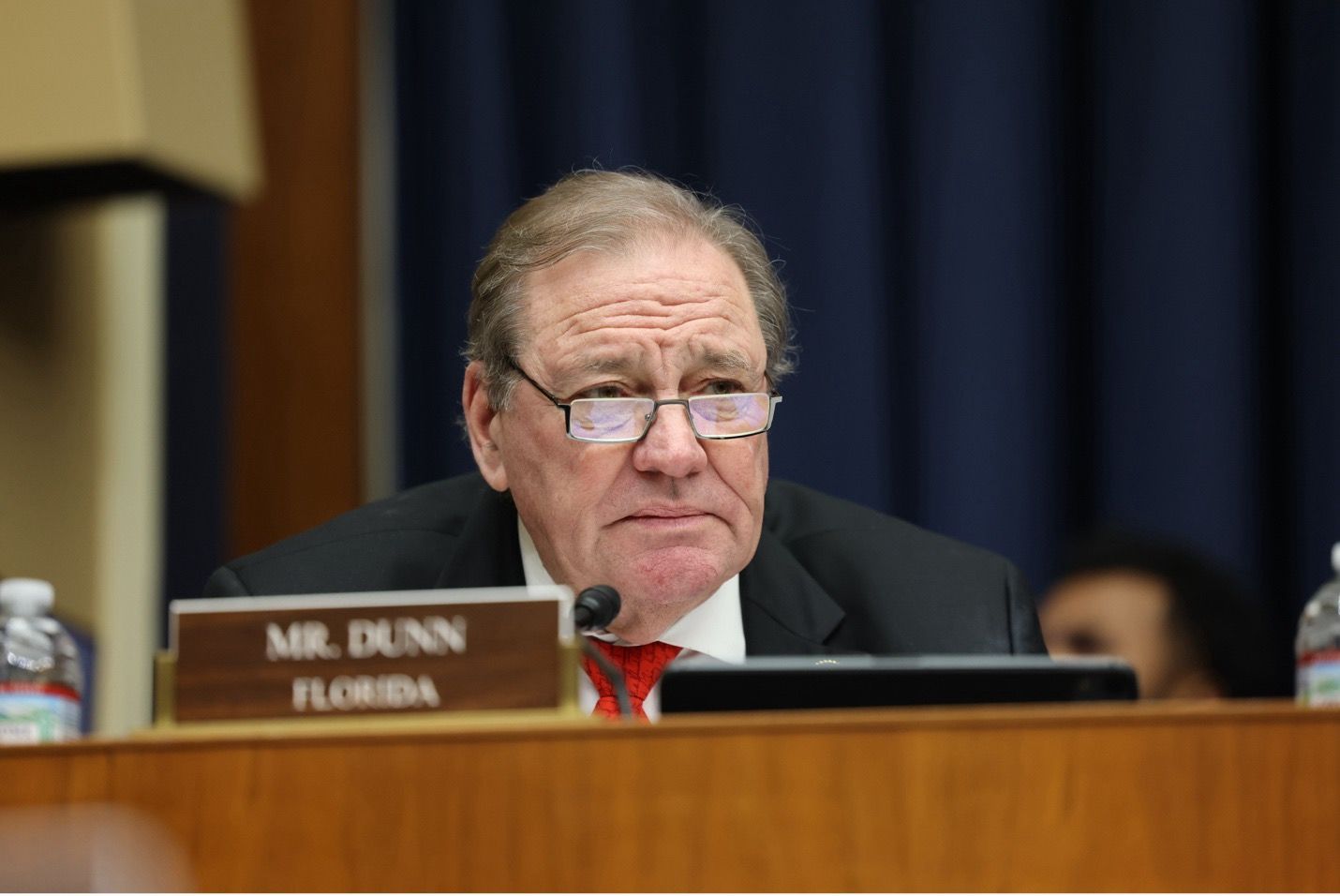
Congressman Neal Dunn (FL-02): “When Congress created the First Responder Network Authority, there was a clear mandate to have [a] public safety, preemptive network that would be used exclusively for first responders on the ground. [...] Our nation’s heroes and public servants who are the first to respond and the first people to put their lives on the line to protect Americans need robust communications. It was a very clear mandate to give our local communities the resources they need to respond to tragedies, and what we’ve seen since 2017, when the contract was awarded, has been a tremendous success story. We’ve also learned some lessons. Our job in Congress of enforcement and oversight of the program is critical and that includes contract transparency and maintaining accountability at all levels.”

Picture2.jpg

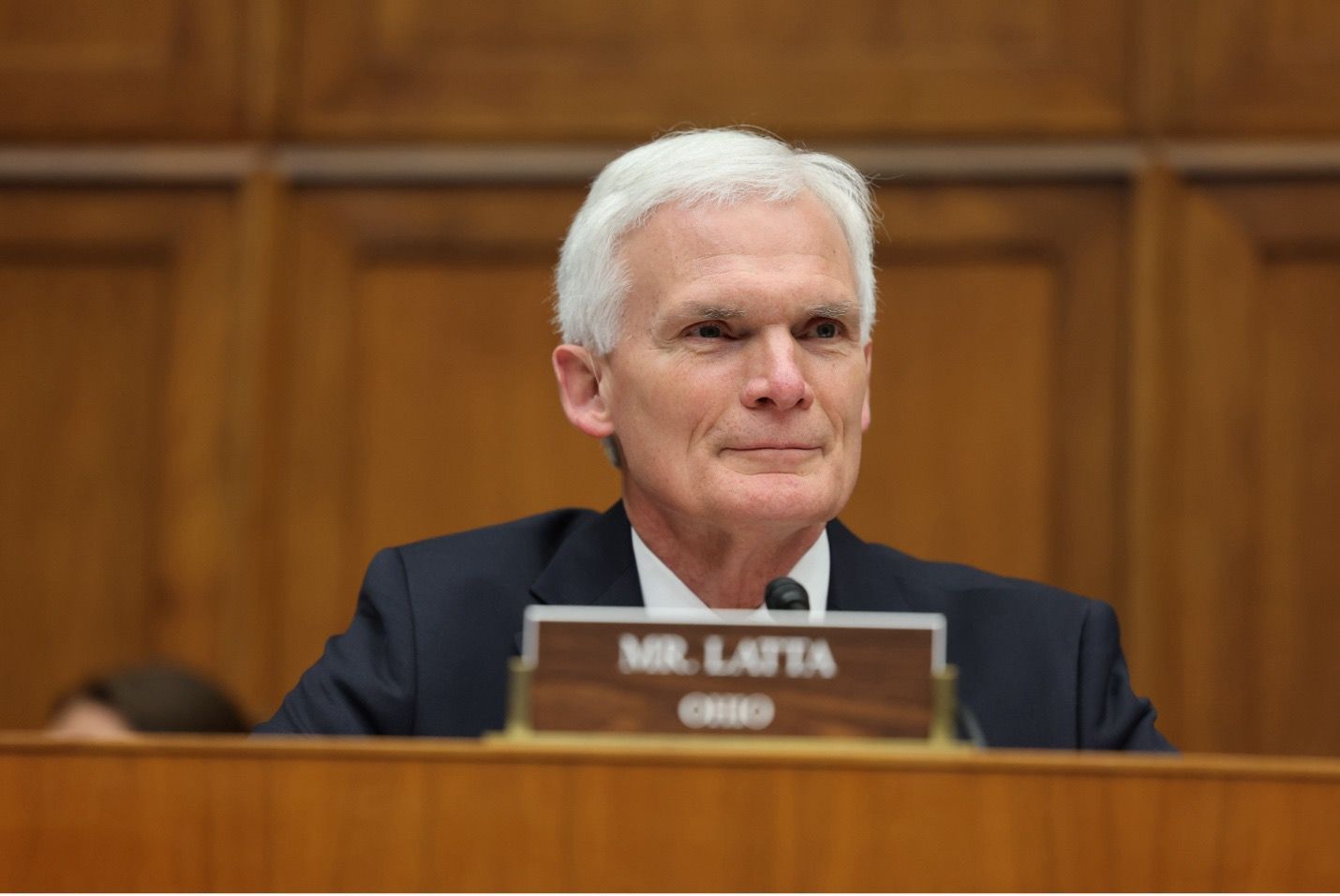
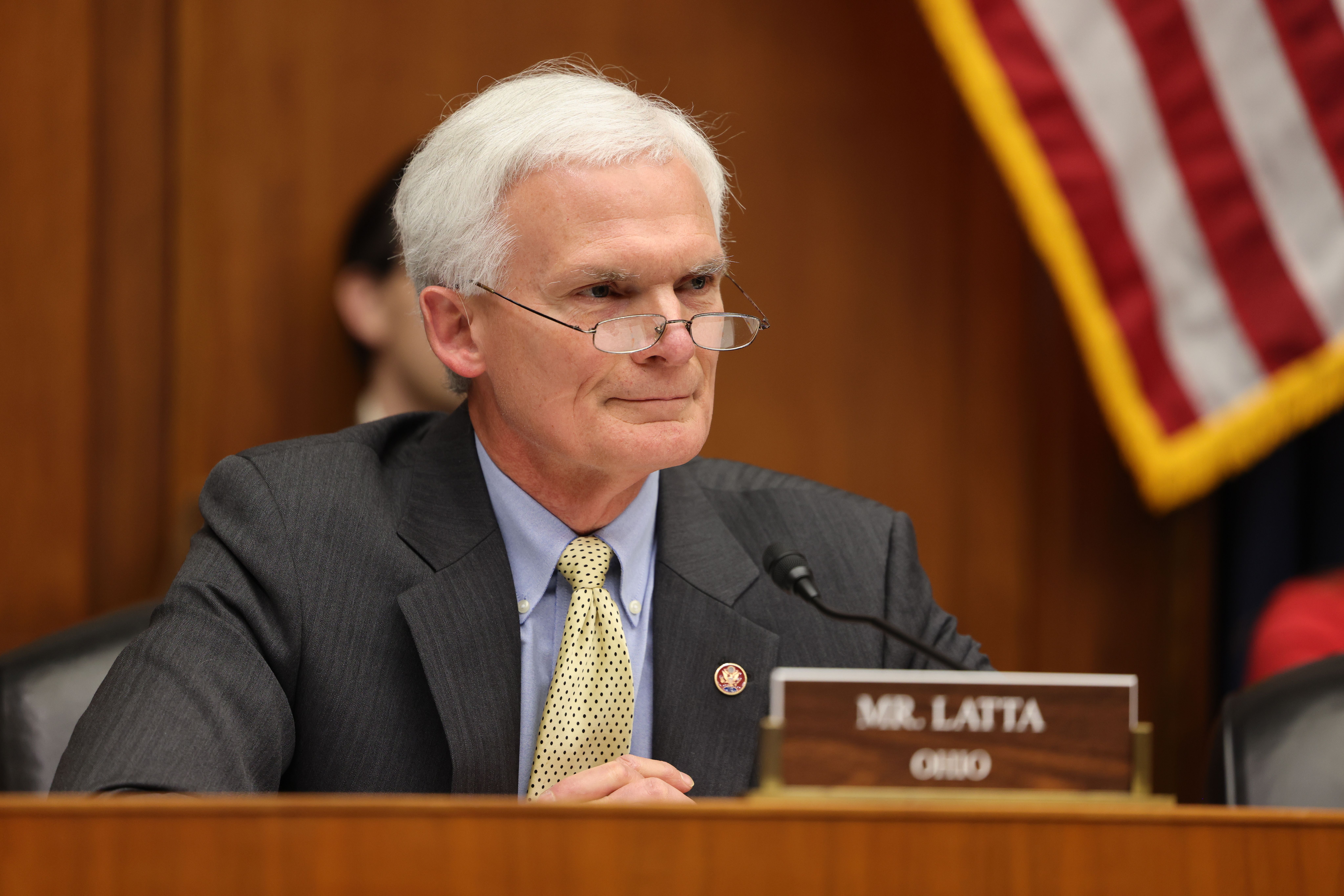
Congressman Bob Latta (OH-05): “On 9/11, I was driving. I was in the General Assembly in Ohio at the time. And of course, everything just collapsed. You’re trying to use your cell phone to find out what was going on. Everything was down. Everything. [...] For our first responders out there, we worried about that. […] And that’s why with FirstNet, we want to make sure that never, ever occurs again, because we want to make sure for the people that the first responders are out there trying to protect, but also to protect those first responders.”

Picture3.jpg

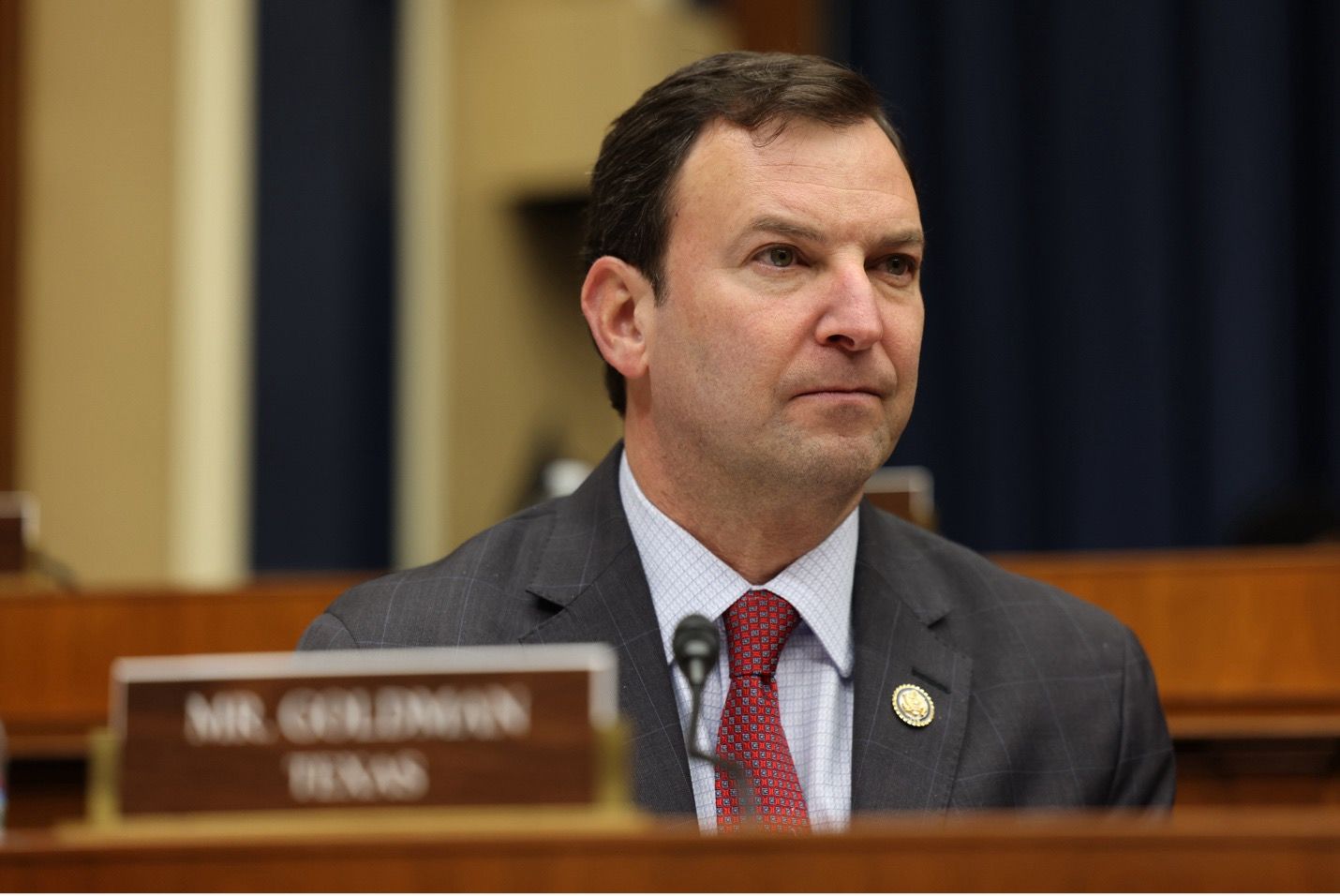
Congressman Craig Goldman (TX-12): “Can you just take us through, anecdotally, what it was like before FirstNet was created? Any stories you may have? And then the improvements of FirstNet and where we are today?” Sherriff Adkinson: “I mean, obviously, 9/11, the impetus of this. But I can tell you I’ve been through Hurricane Katrina, and there was no ability to talk. When there was so much volume, […] you have everybody trying to call at one time. What happens now with priority and preemption is that those first responders now have access to this network. […] This ensures that our first responders can get out when nobody else can.”


Chairmen Guthrie and Hudson Announce Legislative Hearing on FirstNet Reauthorization

WASHINGTON, D.C. – Today, Congressman Brett Guthrie (KY-02), Chairman of the House Committee on Energy and Commerce, and Congressman Richard Hudson (NC-09), Chairman of the Subcommittee on Communications and Technology, announced a hearing titled Evaluating FirstNet: Performance, Accountability, and Reauthorization.

“Starting out as a 9/11 Commission recommendation to strengthen emergency communications infrastructure, FirstNet has been a critical resource for first responders operating in moments of crisis,” said Chairmen Guthrie and Hudson. “As we continue to prepare for future man-made or natural disasters, FirstNet must remain on the leading edge of safety and reliability. We believe this reauthorization is a critical opportunity to increase transparency and effectiveness, so the program can fully achieve the intended goals that were originally conceived of two decades ago.”

Subcommittee on Communications and Technology hearing titled Evaluating FirstNet: Performance, Accountability, and Reauthorization.

WHAT: Subcommittee on Communications and Technology legislative hearing on FirstNet reauthorization.

DATE: Wednesday, February 4, 2026

TIME: 10:15 AM ET

LOCATION: 2123 Rayburn House Office Building

This hearing will focus on the following bill:

  • H.R. ____, The First Responder Network Authority Reauthorization Act (Reps. Dunn and McClellan)

This notice is at the direction of the Chairman. The hearing will be open to the public and press and will be livestreamed online at energycommerce.house.gov. If you have any questions concerning this hearing, please contact Noah Jackson at Noah.Jackson@mail.house.gov. If you have any press-related questions, please contact Daniel Kelly at Daniel.Kelly@mail.house.gov.


Jan 14, 2026
Press Release

Chairman Hudson Delivers Opening Statement at Subcommittee on Communications and Technology Hearing on Oversight of the Federal Communications Commission

WASHINGTON, D.C. – Congressman Richard Hudson (NC-09), Chairman of the Subcommittee on Communications and Technology, delivered the following opening statement at today's hearing titled Oversight of the Federal Communications Commission.

Subcommittee Chairman Hudson’s opening statement as prepared for delivery:

“Good morning, and welcome to today’s oversight hearing – the first this congress – of the Federal Communications Commission. Welcome back to Chairman Carr—congratulations on your appointment as Chairman—and Commissioner Gomez. I want to extend a special welcome, or should I say welcome back, to Commissioner Trusty. Congratulations on your confirmation and welcome to your first oversight hearing at your old stomping ground. It is always exciting to see a former Energy and Commerce Committee staffer become a commissioner. I know Mr. Latta is very proud.

“The FCC had an active 2025 that can be summed up in one word: deregulation. Under Chairman Carr, the FCC has taken significant steps to reduce barriers to broadband deployment, modernize outdated regulatory regimes, and delete obsolete rules. These efforts include preempting state and local barriers to wireless infrastructure deployment—which I appreciate, as some of y’all know already, I am too familiar with calls dropping as I drive around my own district—reforming the satellite licensing process, and ensuring that Next Generation 911 networks are reliable and interoperable, another issue I’ve made my top priority over the years. Together, these efforts will accelerate closing the digital divide, unleash the new space economy, and strengthen America’s wireless leadership. I applaud the FCC for this work.

“The FCC still has significant work ahead, including modernizing outdated media ownership rules. Last year, I led a bipartisan letter with more than 70 members of Congress urging the Commission to revisit its broadcast ownership caps. Local broadcasters remain the most trusted source of news for most Americans, yet they now compete in an uneven marketplace shaped by well-resourced new entrants, most notably Big Tech. Burdened by outdated regulations, local broadcasters are increasingly unable to compete, a reality reflected in newsroom closures and the growing concentration of influence among national networks and social media platforms. Current ownership caps prevent broadcasters from combining or expanding operations, constraining their ability to invest in local journalism. Updating these caps would help ensure broadcasters remain viable and competitive without creating monopolies. It would empower local stations to better compete against dominant platforms. I urge the Commission to keep these realities in mind as it continues its deregulatory agenda.

“A huge accomplishment this year was the Working Families Tax Cut’s direction of the FCC to auction 800 MHz of spectrum for commercial use. Making this spectrum available is essential to America’s leadership in 5G and 6G. I am pleased that the agency has already begun this work by identifying at least 100 MHz for auction in the upper C-Band. As the agency looks for the remaining spectrum, both on its own and in coordination with others, I know you have important decisions to make and I urge the FCC to be mindful of investment that has already taken place in existing commercial bands, such as the 6 GHz band and the CBRS band. The proposal your agenda laid out this month to expand unlicensed operations in the 6 GHz band is a great step.

“Finally, I am a member of the bipartisan, bicameral Universal Service Fund Working Group. The USF, overseen by the FCC, helps support broadband access to high-cost rural areas, schools and libraries, rural health centers, and low-income households. Last year, the Supreme Court upheld the constitutionality of the USF. But it is past time to reform this program to ensure its long-term sustainability and ensure the funds are reaching the right people. Congress needs to reexamine what the USF supports and how it is funded. A sustainable USF is essential to ensuring all Americans have access to affordable, reliable broadband. Given the FCC’s role in administering the Fund, I look forward to discussing ways to ensure the USF remains viable for future generations.

“Today’s hearing is an opportunity to discuss the many important issues before the FCC. I thank the Commissioners for being here today and I look forward to our conversation.”


Jan 14, 2026
Press Release

C&T Subcommittee Holds Hearing on Oversight of the Federal Communications Commission

WASHINGTON, D.C. – Today, Congressman Richard Hudson (NC-09), Chairman of the Subcommittee on Communications and Technology, led a hearing titled Oversight of the Federal Communications Commission.

“The FCC had an active 2025 that can be summed up in one word: deregulation,” said Chairman Hudson. “Under Chairman Carr, the FCC has taken significant steps to reduce barriers to broadband deployment, modernize outdated regulatory regimes, and delete obsolete rules.”

Watch the full hearing here.

Below are key excerpts from today’s hearing:

BV8A9961 copy.jpeg

Congressman Bob Latta (OH-05): “We’d have discussions when we talked about 4G, 5G, 6G, and I’d always ask this question: are we winning the race? Who’s our competitor out there? [...] So, are we winning this race out there when we talk about 6G?” Chairman Carr: “We are. We had fallen behind, in my view, during the Biden years. And now, we’ve hit the accelerator, and we are going to be leading the world once again.”

BV8A0167 copy.JPG

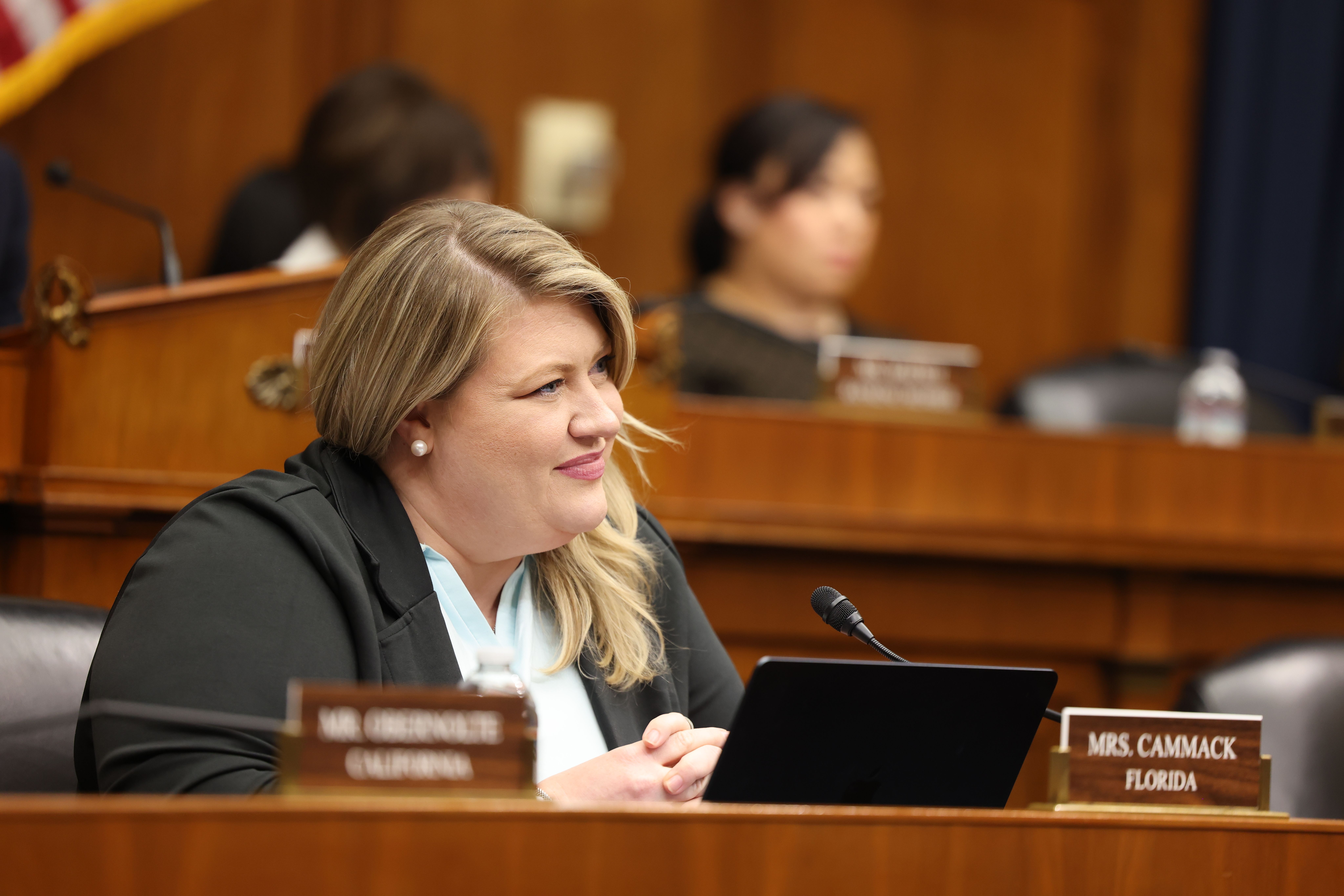
Congresswoman Kat Cammack (FL-03): “So many of these robocalls and some of these scam texts originate from overseas [...] Talk to me about your coordination efforts with your counterparts overseas and what we need to do here in Congress to strengthen that.” Chairman Carr: “We are pursuing, at the FCC, the idea that if you get a call on your phone from abroad, it shouldn’t necessarily, in my view, display a U.S.-based area code, because that could mislead someone to think that this is a call originating in the U.S. So, if you’re a company and you want to have a call center overseas, at least be truthful and honest with your customers. So, we’re looking at that. We’re looking at potentially doing standards for call centers to make sure that foreign call centers are compliant with our customer service regulations. So, a lot of effort was taken on that front.”

BV8A0061 copy.JPG

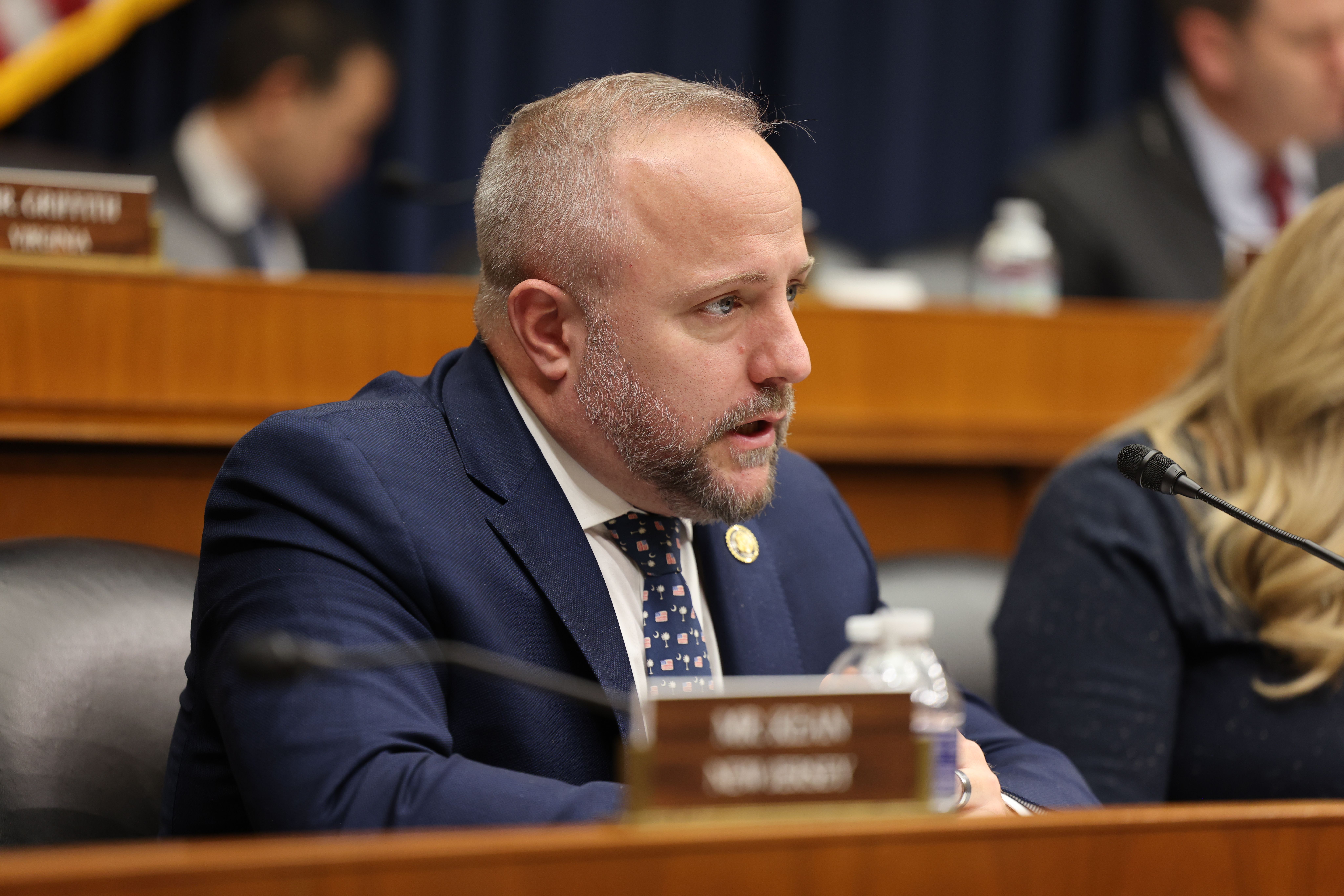
Congressman Russell Fry (SC-07): “During the first Trump administration, they unlocked additional 6-GHz bandwidth in 2020. When the first Trump administration made that available, nearly 70 countries followed our lead. Now China is trying to undermine those efforts in Europe. And we’re hearing good things out of the Trump administration defending that broadband. You’ve talked about the importance of Wi-Fi to American innovation. Can you explain why it's pivotal that America lead on Wi-Fi?” Commissioner Trusty: “Absolutely. As I mentioned a little earlier, I’ve been a proponent of an all-of-the-above approach to spectrum policy, where we accommodate a variety of users, use cases, and technologies. When you look at things like CBRS (Citizens Broadband Radio Service), the United States has long been a leader in innovative uses of spectrum, and CBRS is a model for that. It accommodates the military, transportation, logistics, tracking, schools, hospitals, and much more. My job at the FCC is to ensure spectrum is being put to its highest and best use. Given all of these use cases, I think it emphasizes the meaningful benefit of CBRS and unlicensed spectrum.”


Jan 7, 2026
Press Release

Chairmen Guthrie and Hudson Announce FCC Oversight Hearing

WASHINGTON, D.C. – Today, Congressman Brett Guthrie (KY-02), Chairman of the House Committee on Energy and Commerce, and Congressman Richard Hudson (NC-09), Chairman of the Subcommittee on Communications and Technology, announced a hearing titled Oversight of the Federal Communications Commission.

“The Federal Communications Commission (FCC) ensures that every American has access to next-generation communication technologies,” said Chairmen Guthrie and Hudson. “As the Committee with jurisdiction over the FCC, we conduct regular oversight to maintain the agency’s focus on the issues that matter most to our constituents. We look forward to hearing from FCC Chairman Brendan Carr, along with Commissioners Anna Gomez and Olivia Trusty, about their efforts to close the digital divide, secure our communications networks, and advance American leadership in wireless innovation.”

Subcommittee on Communications and Technology hearing titled Oversight of the Federal Communications Commission.

WHAT: Subcommittee on Communications and Technology hearing on oversight of the Federal Communications Commission.

DATE: Wednesday, January 14, 2026

TIME: 10:15 AM ET

LOCATION: 2123 Rayburn House Office Building

This notice is at the direction of the Chairman. The hearing will be open to the public and press and will be live streamed online at energycommerce.house.gov. If you have any questions concerning the hearing, please contact Noah Jackson with the Committee staff at Noah.Jackson@mail.house.gov. If you have any press-related questions, please contact Daniel Kelly at Daniel.Kelly@mail.house.gov.


Dec 31, 2025
Press Release

Chairmen Guthrie and Griffith Announce Legislative Hearing on Improving Medicare Payment Policies for Seniors

WASHINGTON, D.C. – Today, Congressman Brett Guthrie (KY-02), Chairman of the House Committee on Energy and Commerce, and Congressman Morgan Griffith (VA-09), Chairman of the Subcommittee on Health, announced a hearing titled Legislative Proposals to Support Patient Access to Medicare Services.

Subcommittee on Health hearing titled Legislative Proposals to Support Patient Access to Medicare Services.

WHAT: Subcommittee on Health hearing to discuss legislation focused on improving Medicare payment policies and expanding access to care for seniors.

DATE: Thursday, January 8, 2026

TIME: 10:15 AM ET

LOCATION: 2123 Rayburn House Office Building

This hearing will focus on the following bills:

  • H.R. 1703, Choices for Increased Mobility Act of 2025 (Rep. Joyce – PA)
  • H.R. 2005, DMEPOS Relief Act of 2025 (Rep. Miller-Meeks)
  • H.R. 2172, Preserving Patient Access to Home Infusion Act (Rep. Buchanan)
  • H.R. 2477, Portable Ultrasound Reimbursement Equity Act of 2025 (Rep. Van Duyne)
  • H.R. 2902, Supplemental Oxygen Access Reform (SOAR) Act of 2025 (Rep. Valadao)
  • H.R. 5243, To amend title XVIII of the Social Security Act to increase data transparency for supplemental benefits under Medicare Advantage. (Rep. McClellan)
  • H.R. 5269, Reforming and Enhancing Sustainable Updates to Laboratory Testing Services (RESULTS) Act of 2025 (Rep. Hudson)
  • H.R. 5347, Health Care Efficiency Through Flexibility Act (Rep. Buchanan)
  • H.R. 6210, Senior Savings Protection Act (Rep. Matsui)
  • H.R. 6361, Ban AI Denials in Medicare Act (Rep. Landsman)

This notice is at the direction of the Chairman. This hearing will be open to the public and press and will be livestreamed at energycommerce.house.gov. If you have any questions about this hearing, please contact Annabelle Huffman at Annabelle.Huffman@mail.house.gov. If you have any press related questions, please contact Katie West at Katie.West@mail.house.gov.


Chairmen Guthrie and Hudson Announce Legislative Hearing on Public Safety Communications

WASHINGTON, D.C. – Today, Congressman Brett Guthrie (KY-02), Chairman of the House Committee on Energy and Commerce, and Congressman Richard Hudson (NC-09), Chairman of the Subcommittee on Communications and Technology, announced a hearing titled Legislative Improvements to Public Safety Communications in the United States . “Emergency communications are the backbone of police, fire, and emergency medical services,” said Chairmen Guthrie and Hudson. “Modernizing and strengthening these operations are critical to improving public safety in both urban and rural American communities. We look forward to evaluating the ways we can better equip first responders to safely and effectively do their jobs.” Subcommittee on Communications and Technology hearing titled Legislative Improvements to Public Safety Communications in the United States . WHAT: Subcommittee on Communications and Technology hearing to discuss public safety communications in the United States. DATE: Tuesday, December 16, 2025 TIME: 10:15 AM ET LOCATION: 2123 Rayburn House Office Building This hearing will focus on the following bills: H.R. 6505 , Next Generation 9-1-1 Act (Reps. Hudson and Carter (LA)) H.R. 5200 , Emergency Reporting Act (Reps. Matsui and Bilirakis) H.R. 5201 , Kari’s Law Reporting Act (Reps. Matsui and Bilirakis) H.R. 2076 , LuLu’s Law (Rep. Palmer) H.R. 1094 , Amateur Radio Emergency Preparedness Act (Rep. Pfluger) H.R. ____ , Mystic Alert Act (Rep. Pfluger) H.R. 1519 , Public Safety Communications Act (Rep. Cammack) This notice is at the direction of the Chairman. The hearing will be open to the public and press and will be live streamed online at energycommerce.house.gov . If you have any questions concerning the hearing, please contact Noah Jackson with the Committee staff at Noah.Jackson@mail.house.gov . If you have any press-related questions, please contact Daniel Kelly at Daniel.Kelly@mail.house.gov .


Sep 18, 2025
Hearings

C&T Subcommittee Holds Hearing on Streamlining Broadband Permitting

WASHINGTON, D.C. – Today, Congressman Richard Hudson (NC-09), Chairman of the Subcommittee on Communications and Technology, led a hearing titled Examining Solutions to Expedite Broadband Permitting . “Closing the digital divide has long been a bipartisan goal. But after four years and $42 billion, not a single home has been connected through BEAD,” said Chairman Hudson. “My priority is to fix this program, cut red tape, and speed deployment so families in North Carolina and across America can finally get the broadband they deserve. Money alone will not solve this problem. We must streamline the permitting process and remove unnecessary delays so communities can get connected faster.” Watch the full hearing here . Below are key excerpts from today’s hearing: Subcommittee Vice Chairman Rick Allen (GA-12): “How does streamlining broadband permitting help us to stay ahead of global competitors?” Mr. Spalter: “It tries to even the playing field. Let’s be clear about what’s going on today in the world. In China, in 2025, it is expected that there will be $100 billion of [capital expenditure] invested. [...] Unless and until we have the guile and the focus to be able to move aggressively, to streamline and make more logical our own permitting systems so that we can truncate the time from application to approval, we are going to fall behind in the AI race, and we can’t let that happen.” Congressman Russ Fulcher (ID-01): “In my home state of Idaho, Cambridge Telephone Company tells me that they have projects that still take somewhere between two and four years to get through permitting. [...] In Midvale, Idaho, MTE communications had a project stall due the need for multiple NEPA studies, and that was simply because they were trying to run a conduit and a fiber cable about 100 feet from a roadway on federal land.” Congresswoman Julie Fedorchak (ND-AL): “We have made leaps and bounds in the technology since the days of old AOL dial tone for internet connection. We’ve got 5G. We’ve got so many advances, but our permitting process is still stuck in the old, AOL dial tone kind of mentality. We’re so stuck in that, and we have to bring our permitting processes up to the modern age and to meet the demands of the time that we’re in right now where we need to get this infrastructure out quickly.” ###