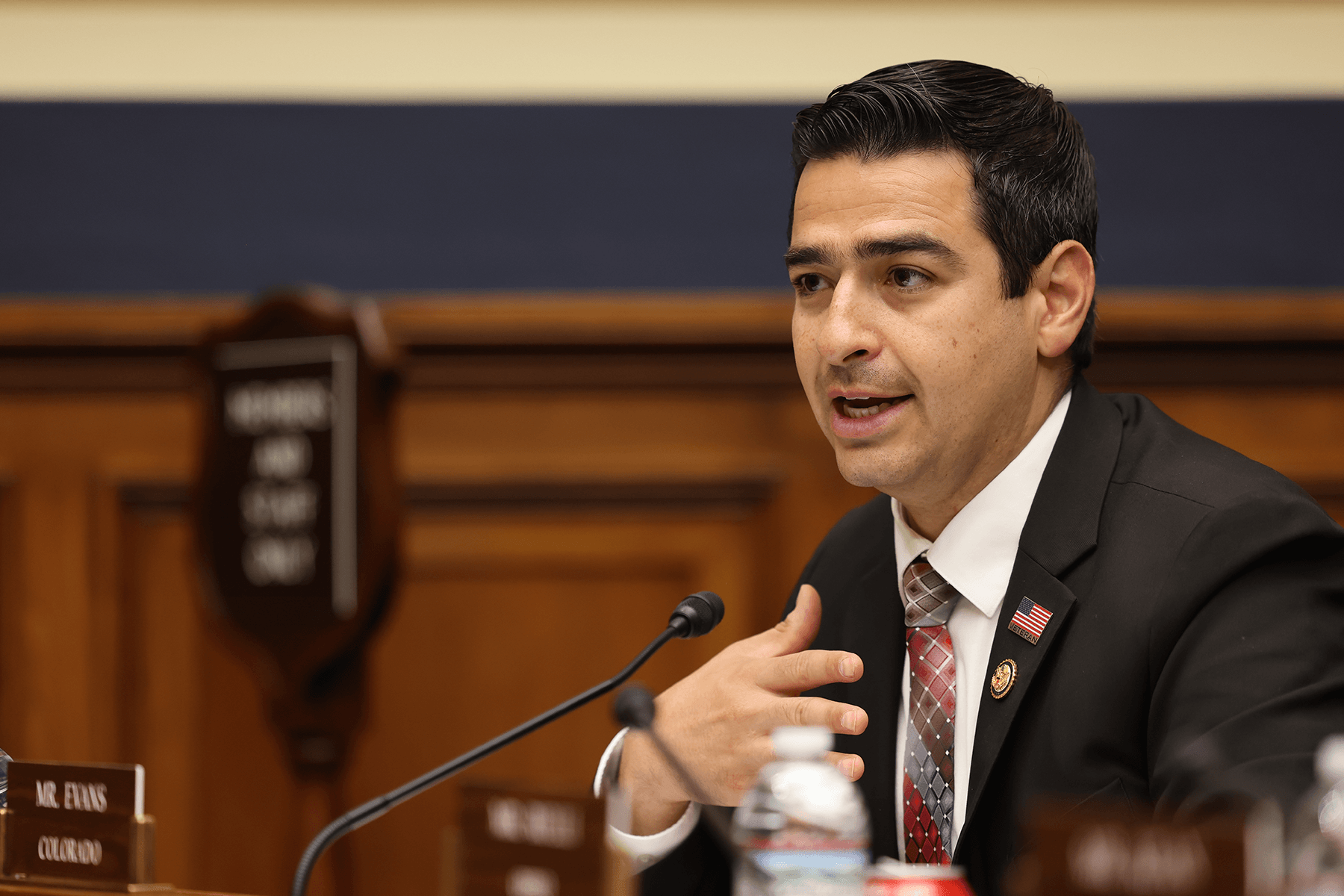
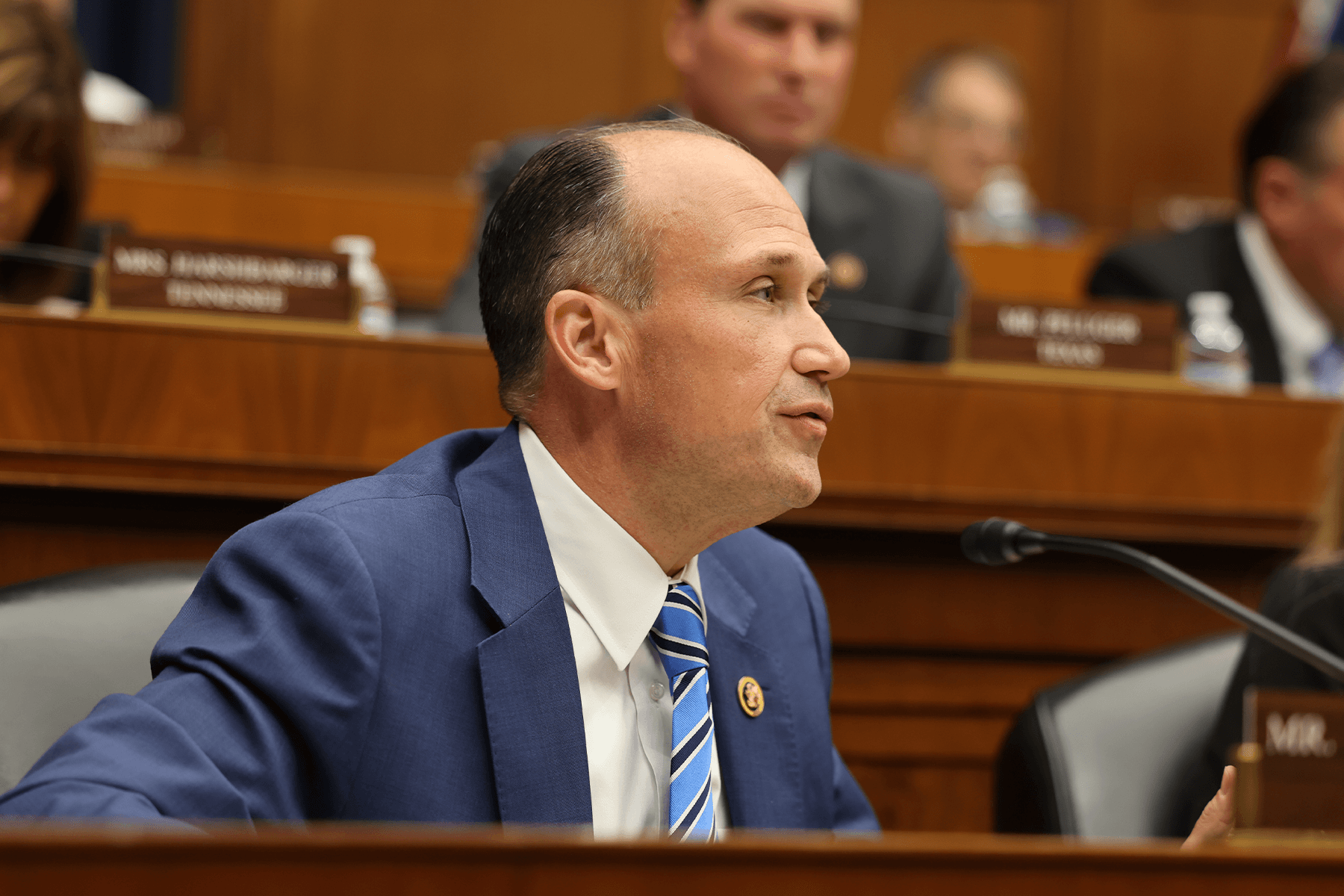
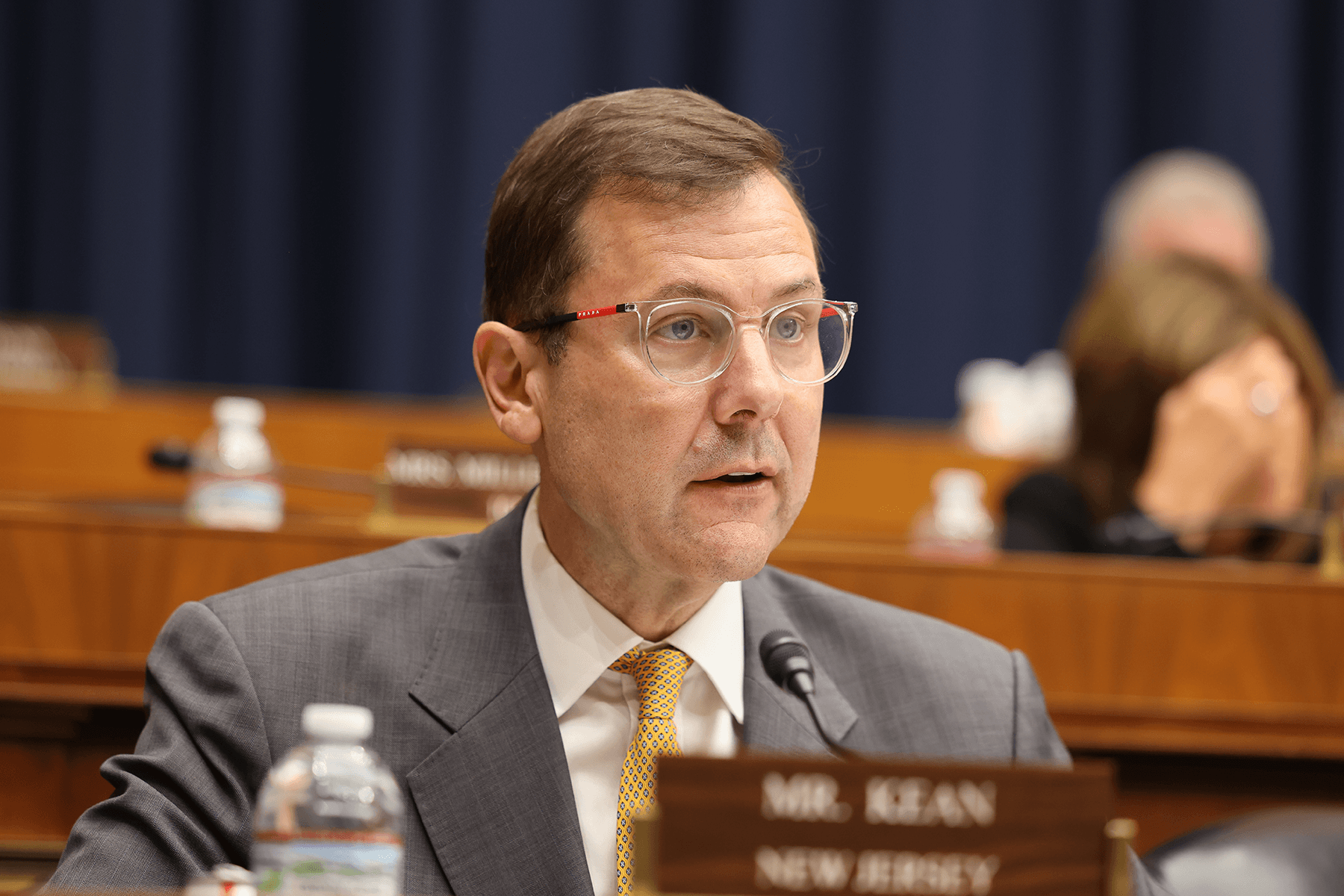
WASHINGTON, D.C. – Today, Congressman Gary Palmer (AL-06), Chairman of the Subcommittee on Environment, led a hearing titled Reliable Water in the Digital Age: Examining Legislation to Strengthen Drinking Water Systems and Protect Ratepayers.
“Data centers can and should have positive impacts on local communities,” said Chairman Palmer. “They are major drivers of investment, economic growth, job creation, and the development of our nation’s digital infrastructure. However, those benefits should not come at the expense of families and small businesses through higher water rates.”
Watch the full hearing here.
Below are key excerpts from today’s hearing:
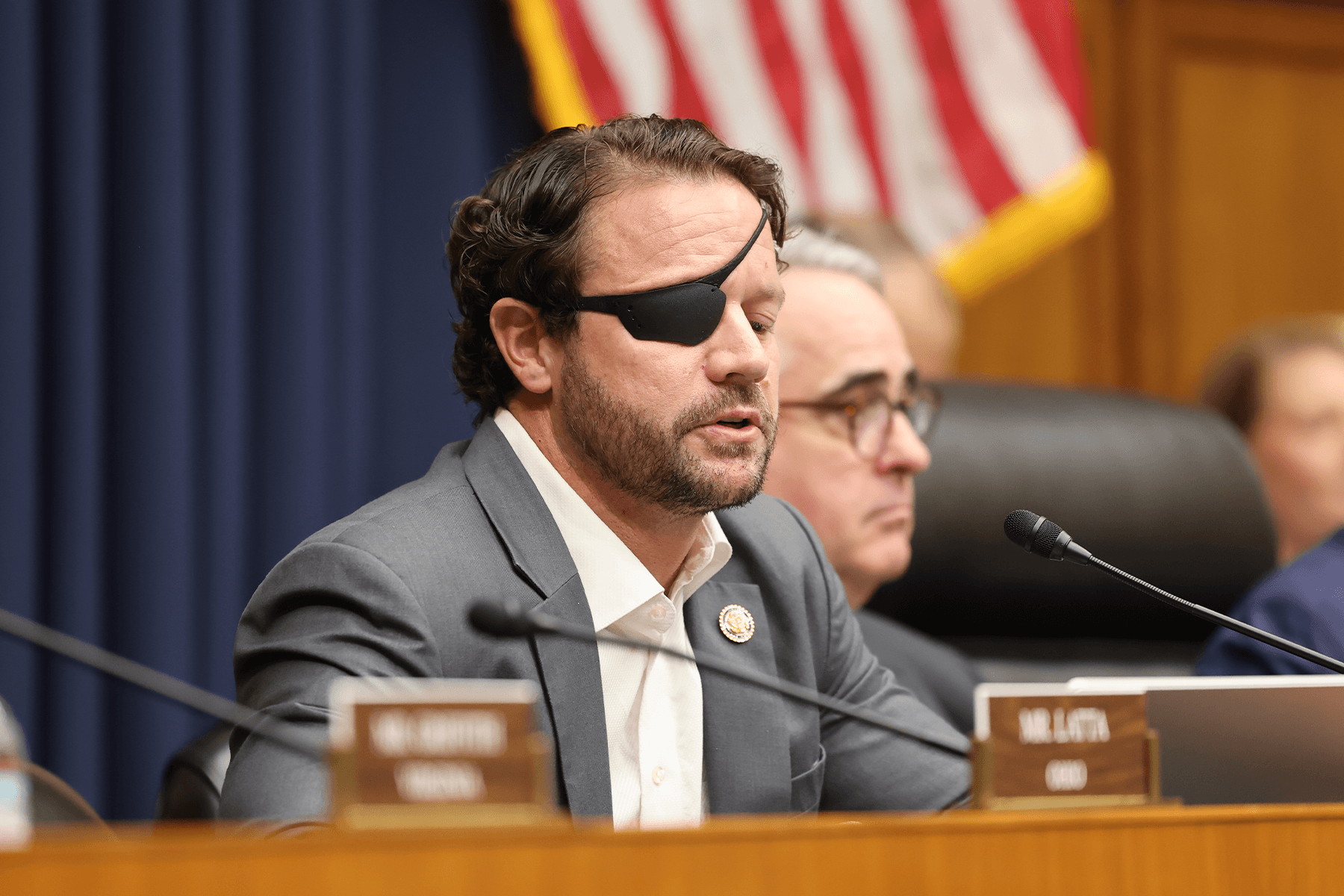
Congressman Dan Crenshaw (TX-02): “There's a good bill today that seeks to protect ratepayers as well as water quality and supply — especially in the modern age, where an increasing number of data centers are being built. There are trade-offs worth raising: concerns about water supply, grid strain, and electricity prices. But these are solvable problems, and today's bills are aimed at solving them.”
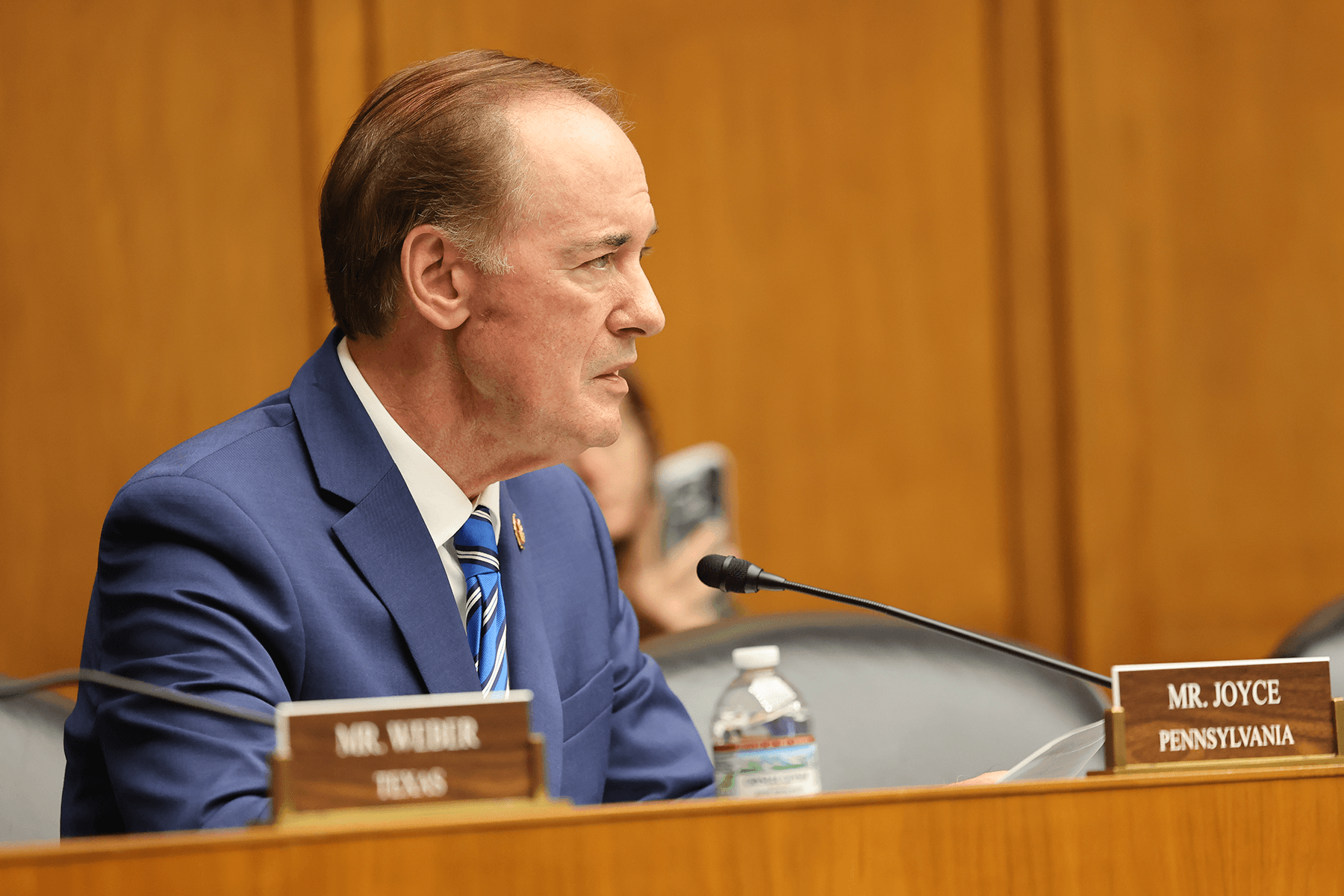
Congressman John Joyce, M.D. (PA-13): “This risk is especially urgent in rural communities with smaller water systems. In meetings with many of the municipalities I represent, I have heard regularly from small water and sewer authorities struggling to maintain infrastructure nearing the end of its life while they wait for the funding and resources needed for replacements and upgrades. A disruption in either service strains both systems and places serious burdens on the community and on the operators who maintain that infrastructure.
“In the draft legislation we are considering today, I'm glad to see a commitment to maintaining and modernizing the Drinking Water State Revolving Fund — a necessary federal funding source that communities in my district rely on. In preparation for this hearing, I heard from the manager of the Altoona Water Authority in my district about how these funds have allowed them to complete necessary projects, from waterline replacements to treatment facility improvements, all while maintaining low customer rates and delivering the cleanest water to the highest standards.”
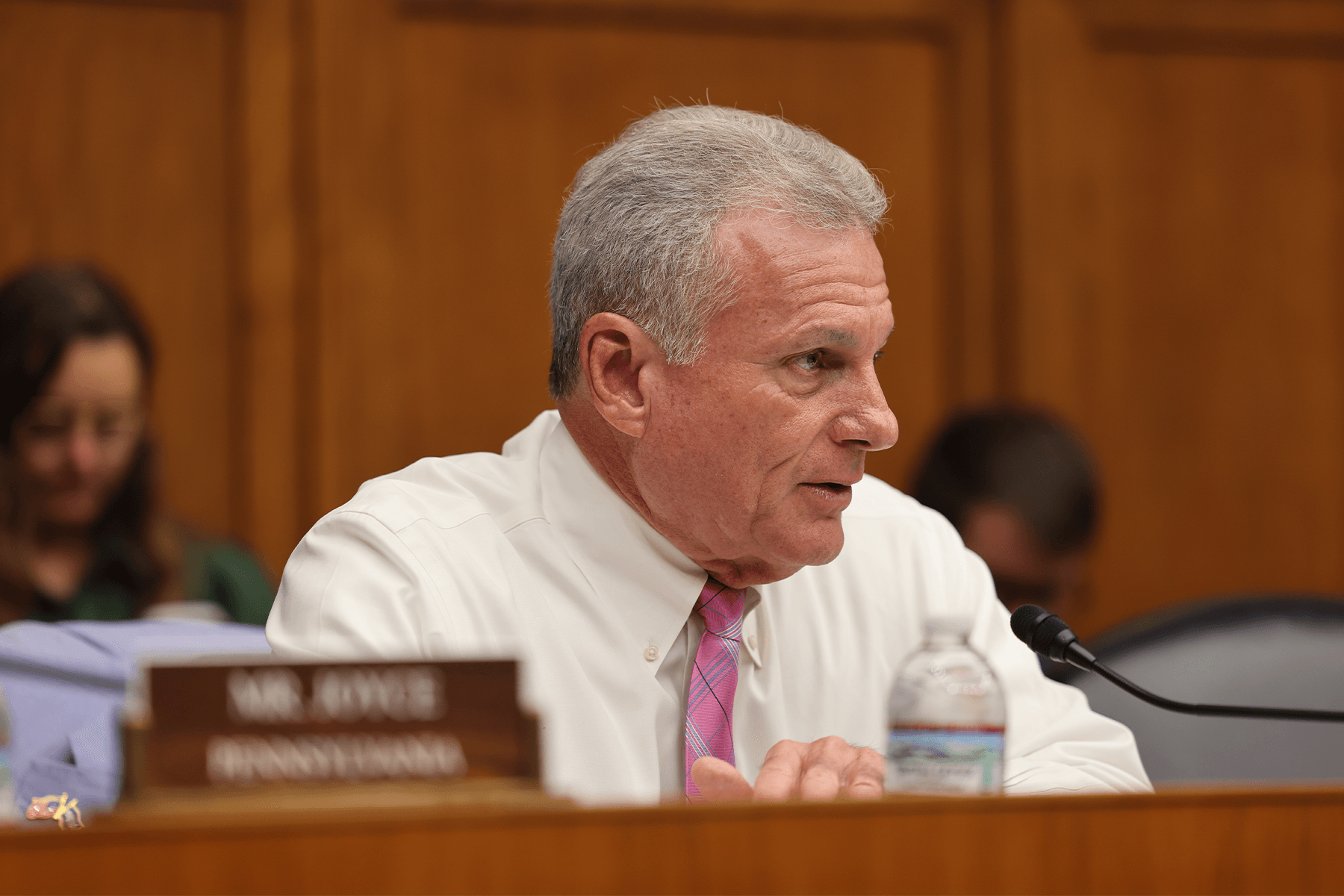
Congressman Buddy Carter (GA-01): “Look, data centers are a concern — but I believe data centers can be very good for our communities. They can bring major private investment, create jobs, strengthen the tax base, and open new opportunities for local workers and businesses. But the projects that are going to be successful over the long term are the ones that operate as partners with the communities that host them.
“I know this firsthand. In another life, I was a mayor, and I recognize how important local jurisdiction is. So I would encourage the data centers — not after the fact, but before the fact — to please work with the local communities. This will help us all.”