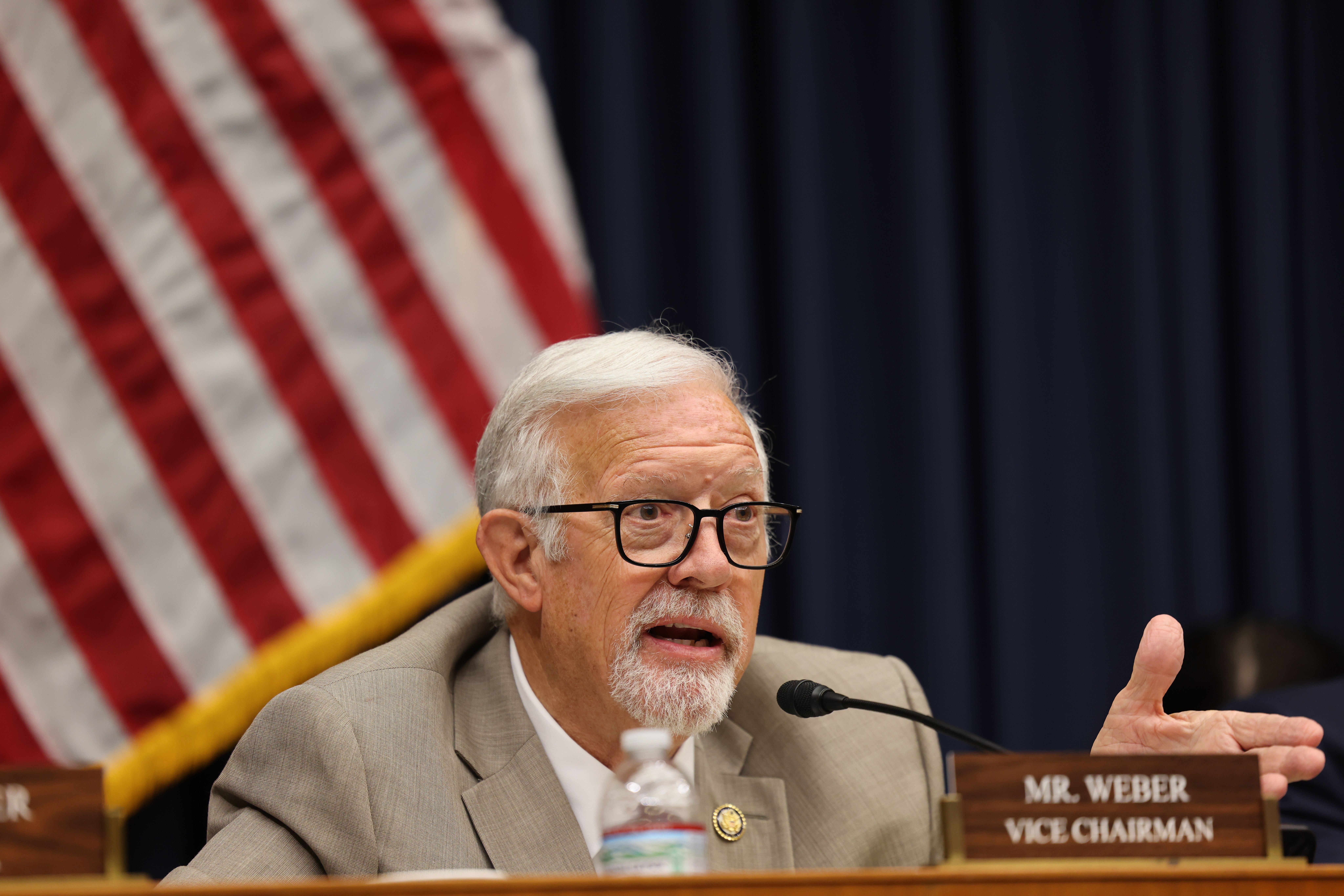
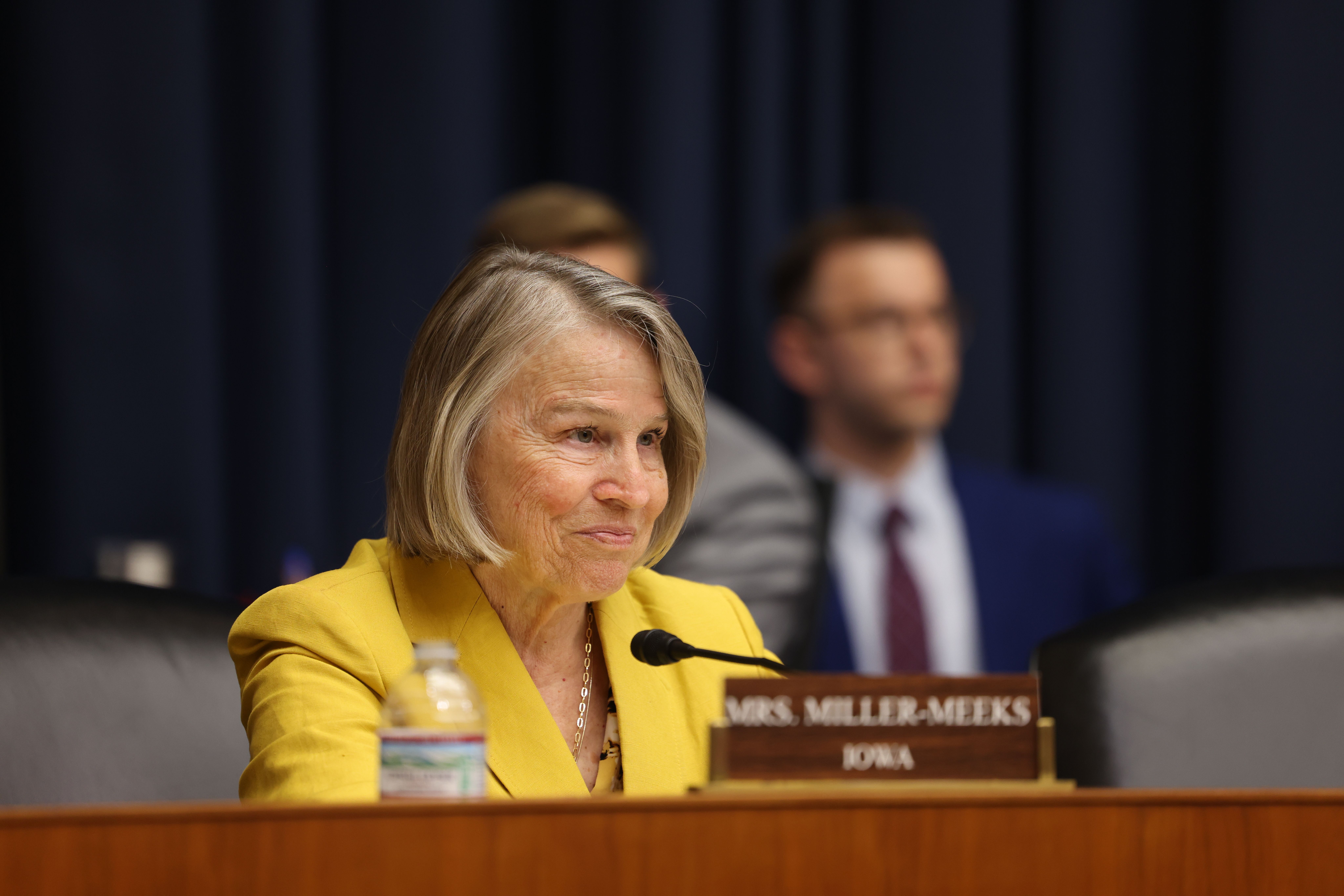
WASHINGTON, D.C. – Today, Congressman Morgan Griffith (VA-09), Chairman of the Subcommittee on Health, led a hearing titled Lowering Health Care Costs for All Americans: Examining Policies to Increase Health Care Transparency.
“For too long, patients, families, and employers have faced a health system where the cost of care is often unclear—sometimes even until after care is delivered,” said Chairman Griffith. “Building on the foundation established by President Trump’s transparency initiatives, we have focused on policies that increase competition, expand consumer choice, reduce regulatory burdens, and strengthen transparency throughout the health care system.”
Watch the full hearing here.
Below are key excerpts from today’s hearing:
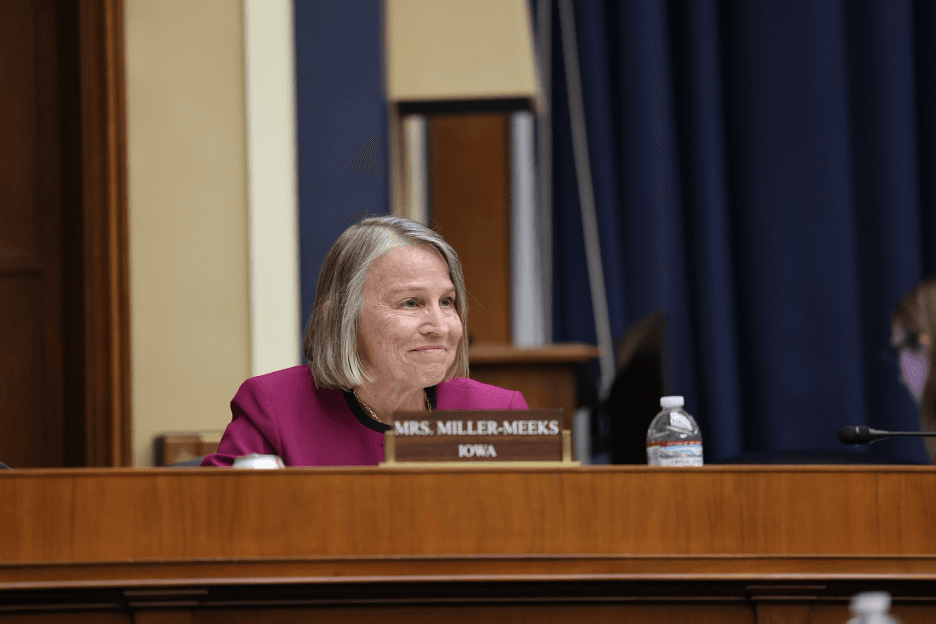
Congresswoman Mariannette Miller-Meeks, M.D. (IA-01) on the Lower Costs, More Transparency Act of 2026: “One of the bills we’re considering is the Lower Costs, More Transparency Act of 2026, which this Committee has previously passed. While patients are often encouraged to shop for care and make informed decisions, too many still lack access to clear, timely, and usable information about the cost of services. [...] As a physician, I’ve seen firsthand—my arch nemesis—the challenges prior authorizations can create throughout our insurance companies, be they private or public. And today, we’re considering discussion drafts that would require commercial health plans to provide greater transparency into prior authorization and claim denial rates, which, we know, about 90 percent of those are approved after the first review. So, as well as the plans’ overhead cost, how would this additional data benefit the employers you represent?” Mr. Gremminger: “So first, I’ll just say we very much support the discussion draft. I think the employer perspective on prior authorization [and] utilization management is a nuanced one, right? We have seen too often where physicians may inadvertently or potentially intentionally prescribe drugs that are higher priced than what’s otherwise necessary or try to do services that are unnecessary and may actually be harmful to patients. That’s a rarity. But we think it’s important that there is actually an opportunity to say, ‘Time out; let’s look at something else.’ That being said, we do believe that the significant use of prior auth is often simply to just delay care, create float for the insurance plan and then, ultimately, they’re going to 90 percent of the time say yes. Understanding how often prior auth is being used—not just by the carriers that we may be contracted with, but by other carriers—will then provide more information for employers to say, ‘I don’t like the way that we’re doing it internally. We found there’s this other carrier over here. We have their data. We want to shift to them because we think that they’re doing this better.’”
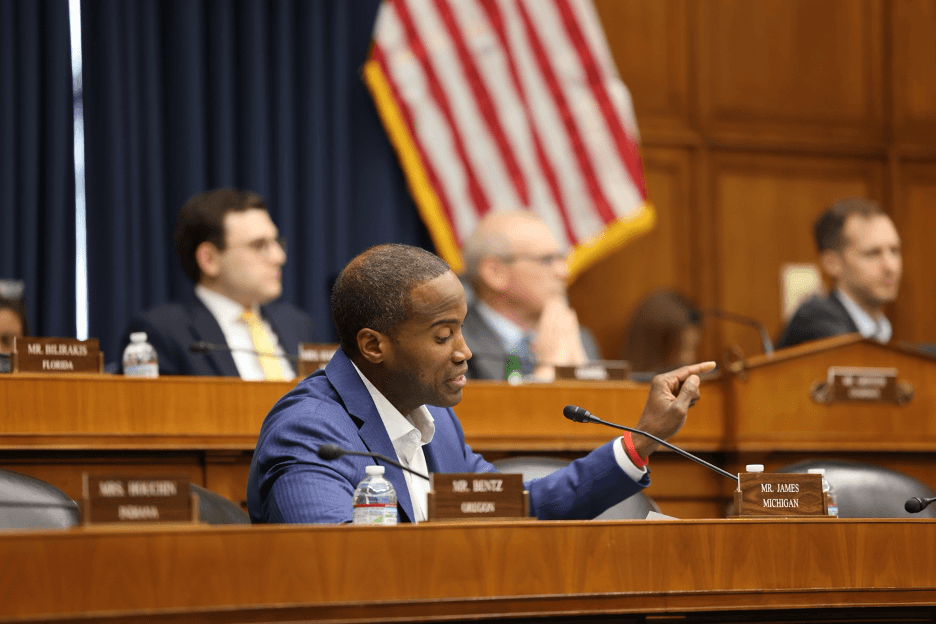
Congressman John James (MI-10) on the Patients Deserve Price Tags Act: “The idea behind this legislation is simple: it will make it easier for patients to price-compare when getting medical treatment so they can pick the lowest cost option—just like they do in every other aspect of their lives. People drive out of their way to fill up on cheaper gas. They check different websites for the best price before making an online purchase. They price-compare before buying a flight. They get an estimate before making house repairs... so why can’t the people price-compare before getting a medical procedure? Because it’s too hard. The people are forced to blindly pay whatever it costs, because hospital prices are confusing and hard to find. The system is too complicated by design; it’s a ‘Confusopoly’. As a result, patients end up paying hundreds of thousands of dollars more for the exact same services and the same level of care with the same billing codes. Patients Deserve Price Tags was part of a bipartisan, Lower Costs, More Transparency legislation the House approved last term.”
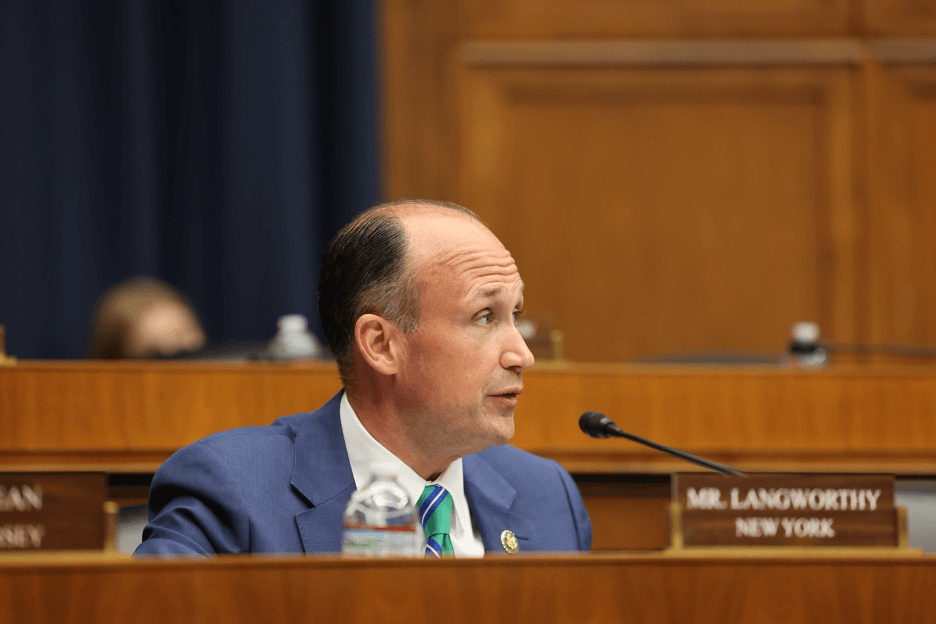
Congressman Nick Langworthy (NY-23) on the Clear Healthcare Expense Cost Knowledge (CHECK) Act: “The CHECK Act is designed to lift the veil of secrecy surrounding health care costs, giving patients clearer information, bringing hidden costs out into the open, and creating better accountability throughout the system. In every other part of our economy, consumers can see prices before making a purchase. When you go to a restaurant, you get a menu. There are prices on it. When you walk through a grocery store, there are prices on every shelf. Health care should be no different. There should not be a surprise when you get a letter in the mail a month later.”