News

Hearings Updates


C&T Subcommittee Holds Hearing on FirstNet Reauthorization

WASHINGTON, D.C. – Today, Congressman Richard Hudson (NC-09), Chairman of the Subcommittee on Communications and Technology, led a hearing titled Evaluating FirstNet: Performance, Accountability, and Reauthorization.

“FirstNet’s authorization expires at the beginning of next year, and it is this Committee’s duty to reauthorize the program before it expires,” said Chairman Hudson. “In the process, we should examine FirstNet’s activities since its creation 15 years ago and make any changes necessary to improve its performance. The future of public safety relies on safe resources like FirstNet.”

Watch the full hearing here.

Below are key excerpts from today’s hearing:
Picture1.jpg

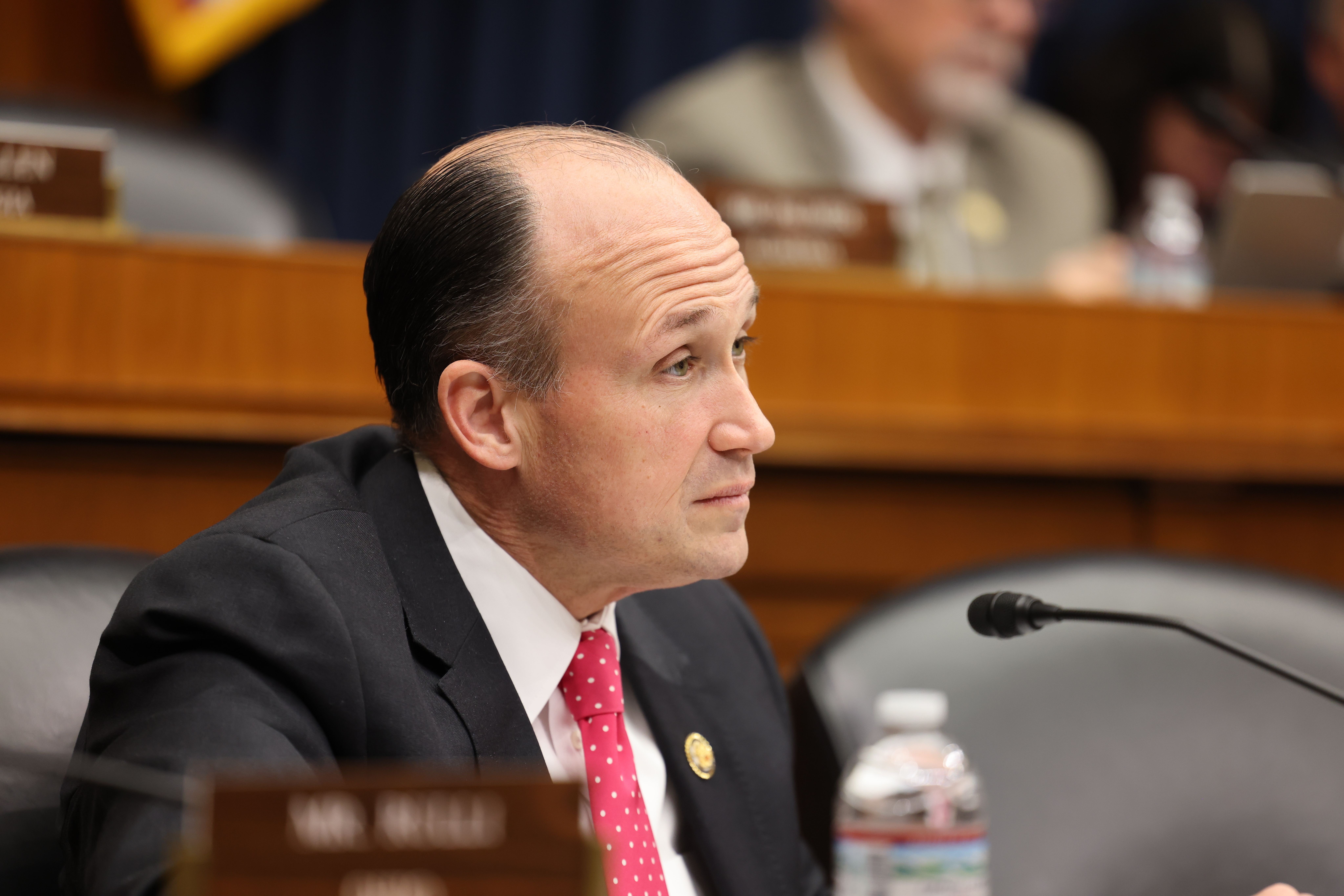
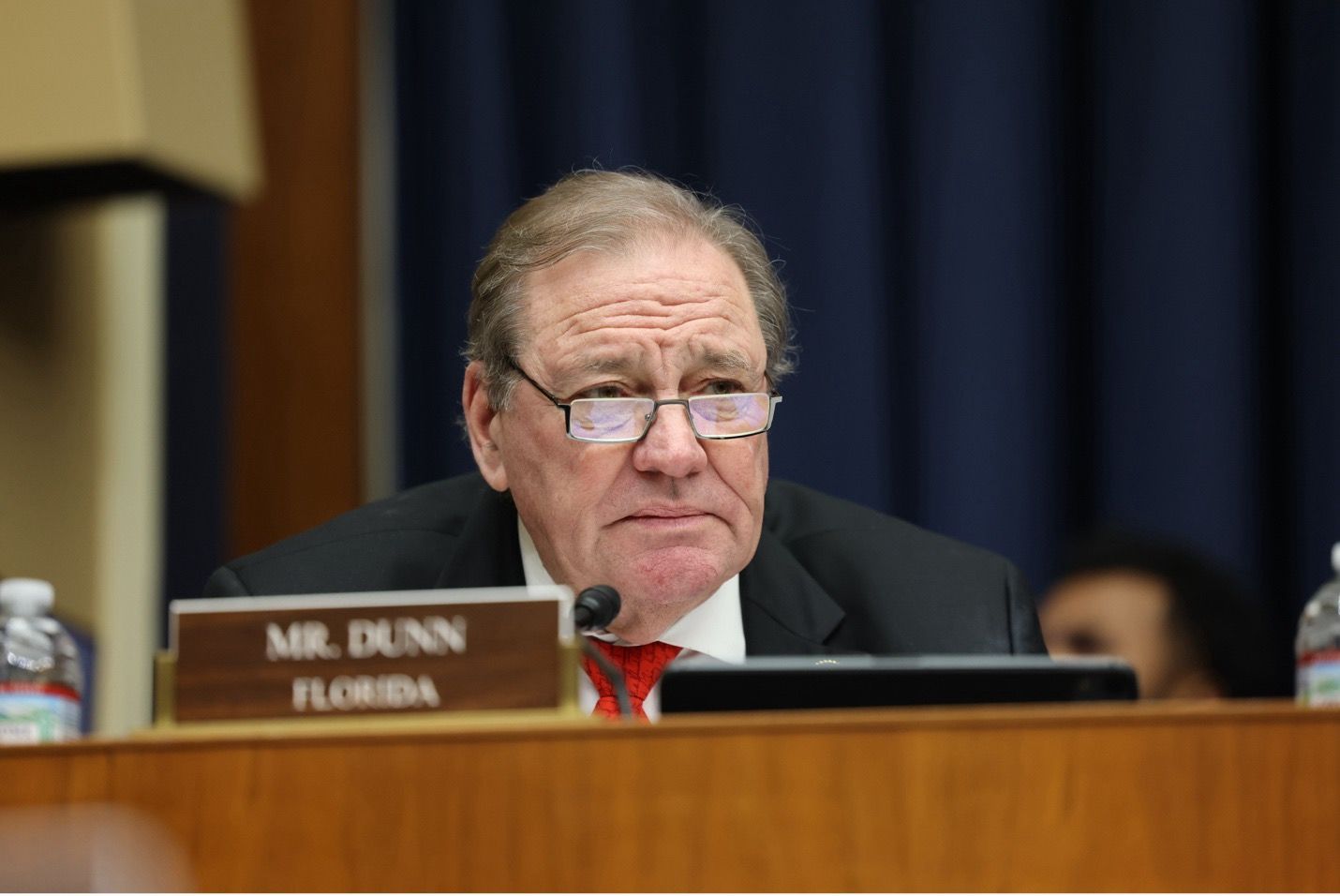
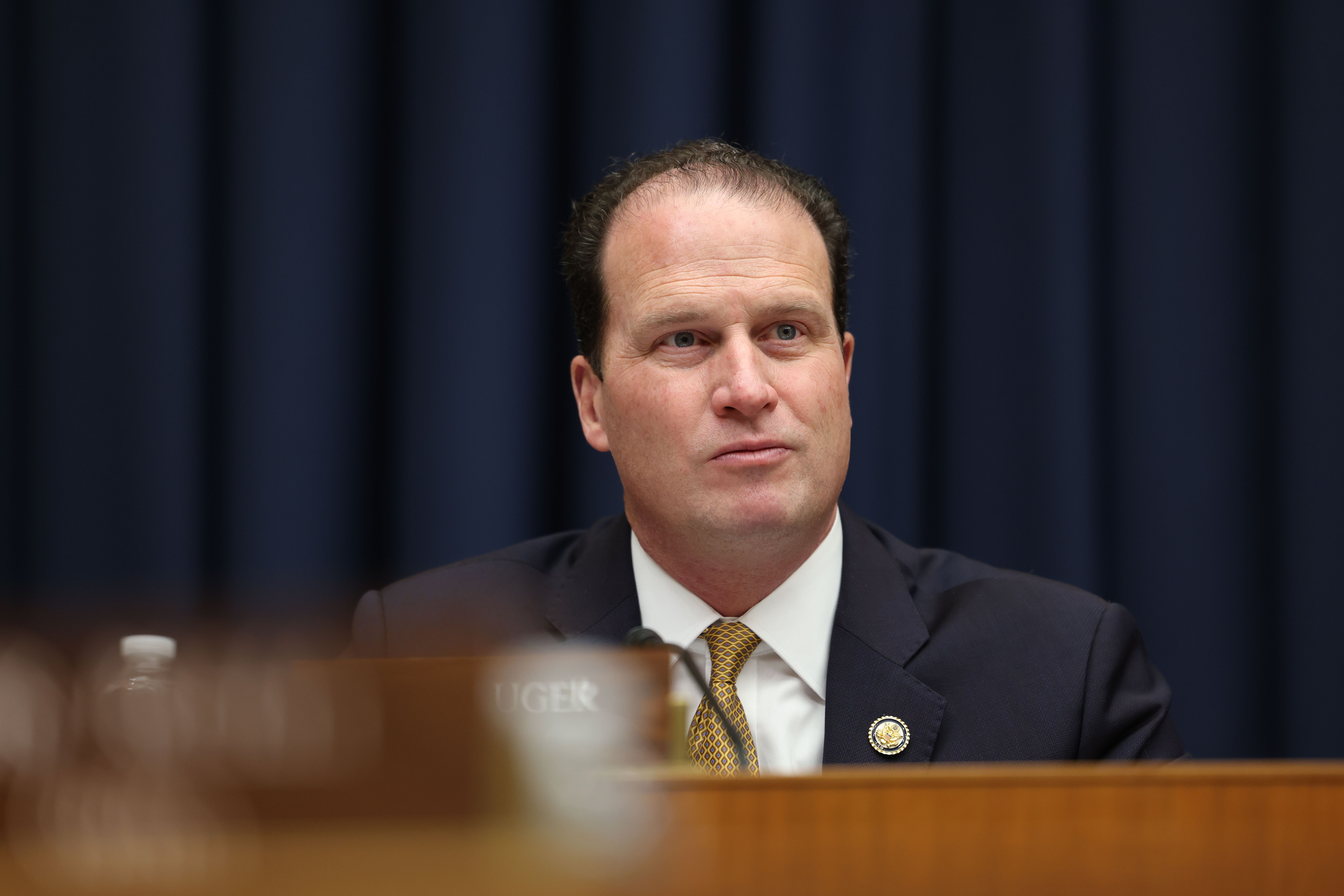
Congressman Neal Dunn (FL-02): “When Congress created the First Responder Network Authority, there was a clear mandate to have [a] public safety, preemptive network that would be used exclusively for first responders on the ground. [...] Our nation’s heroes and public servants who are the first to respond and the first people to put their lives on the line to protect Americans need robust communications. It was a very clear mandate to give our local communities the resources they need to respond to tragedies, and what we’ve seen since 2017, when the contract was awarded, has been a tremendous success story. We’ve also learned some lessons. Our job in Congress of enforcement and oversight of the program is critical and that includes contract transparency and maintaining accountability at all levels.”
Picture2.jpg

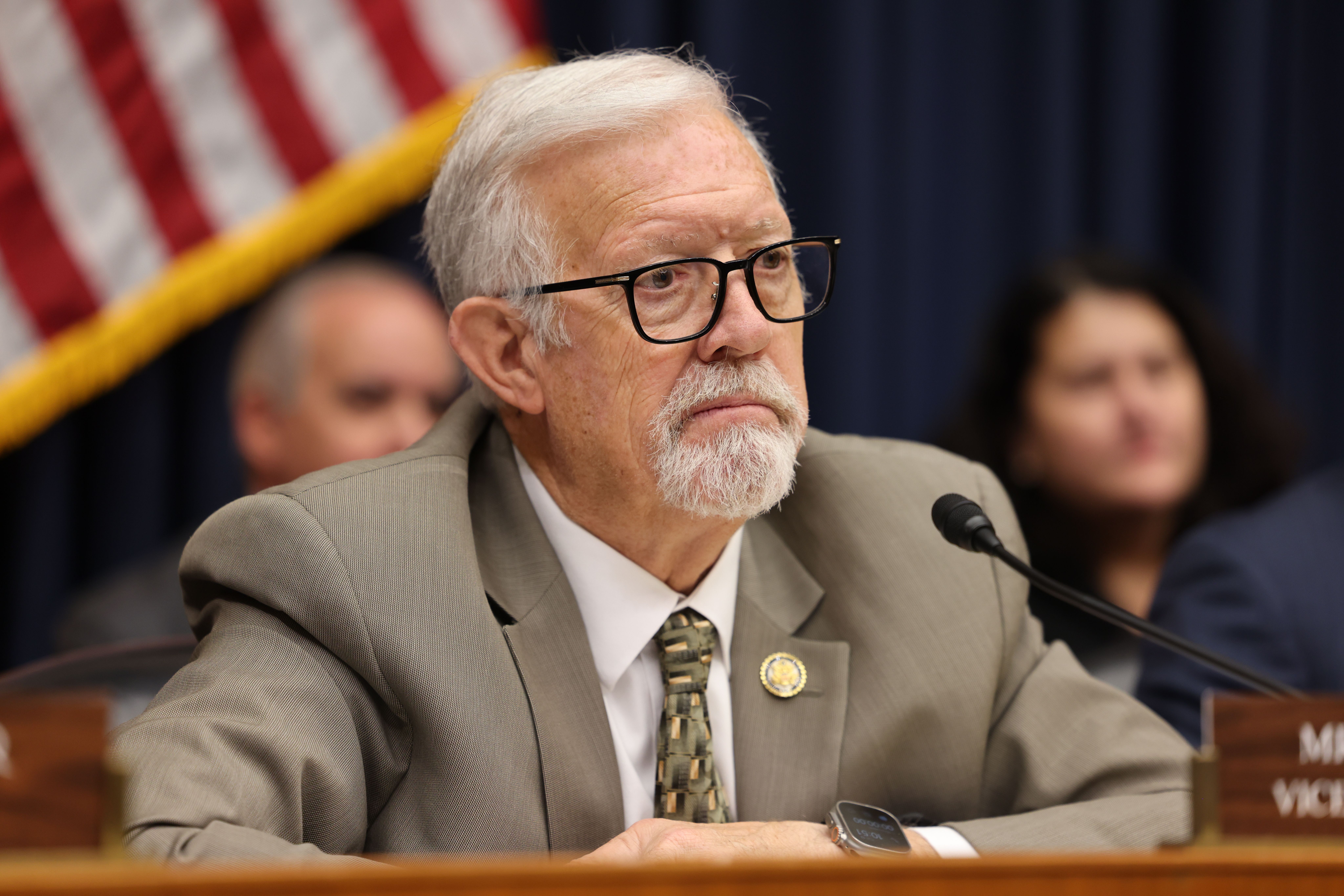
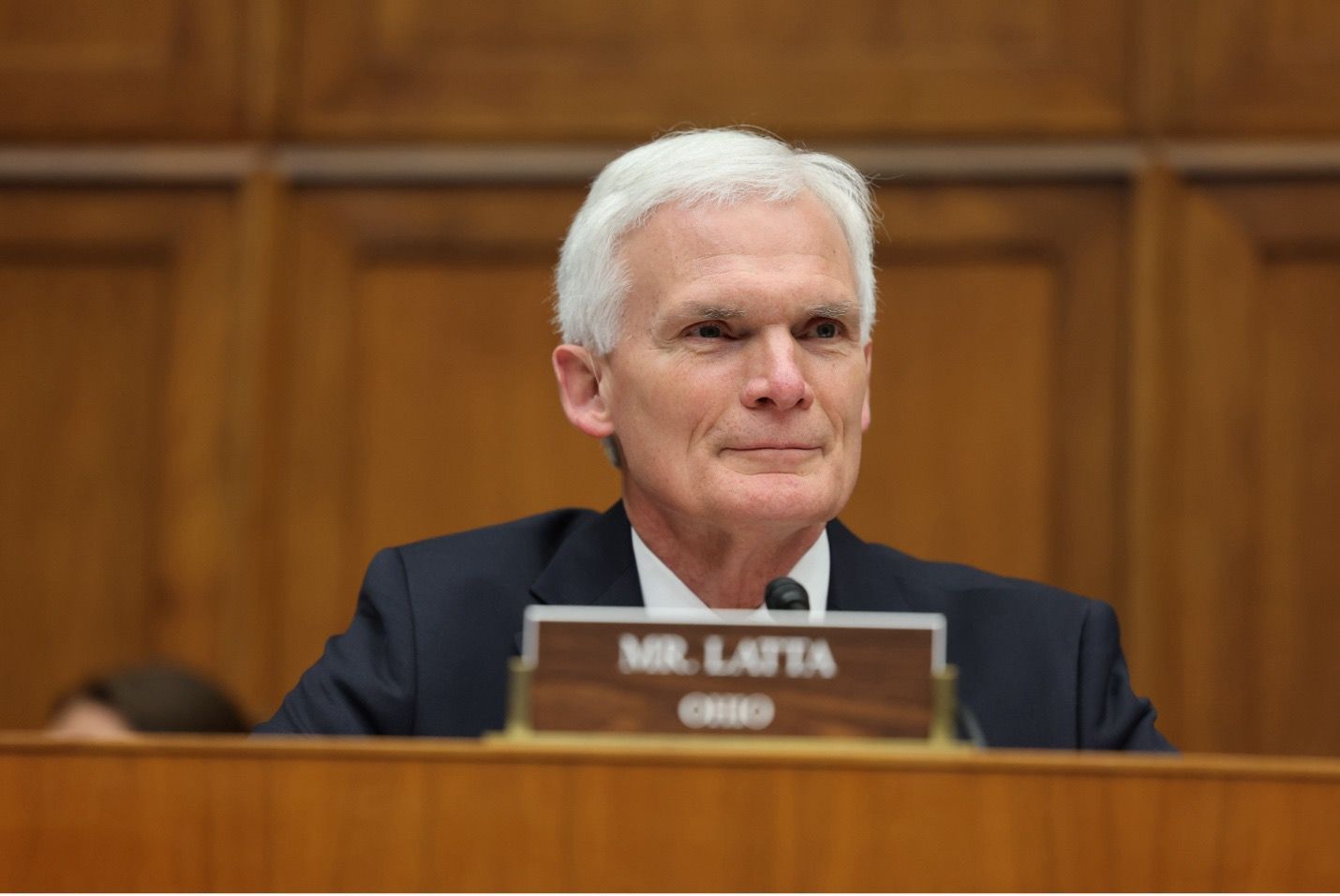
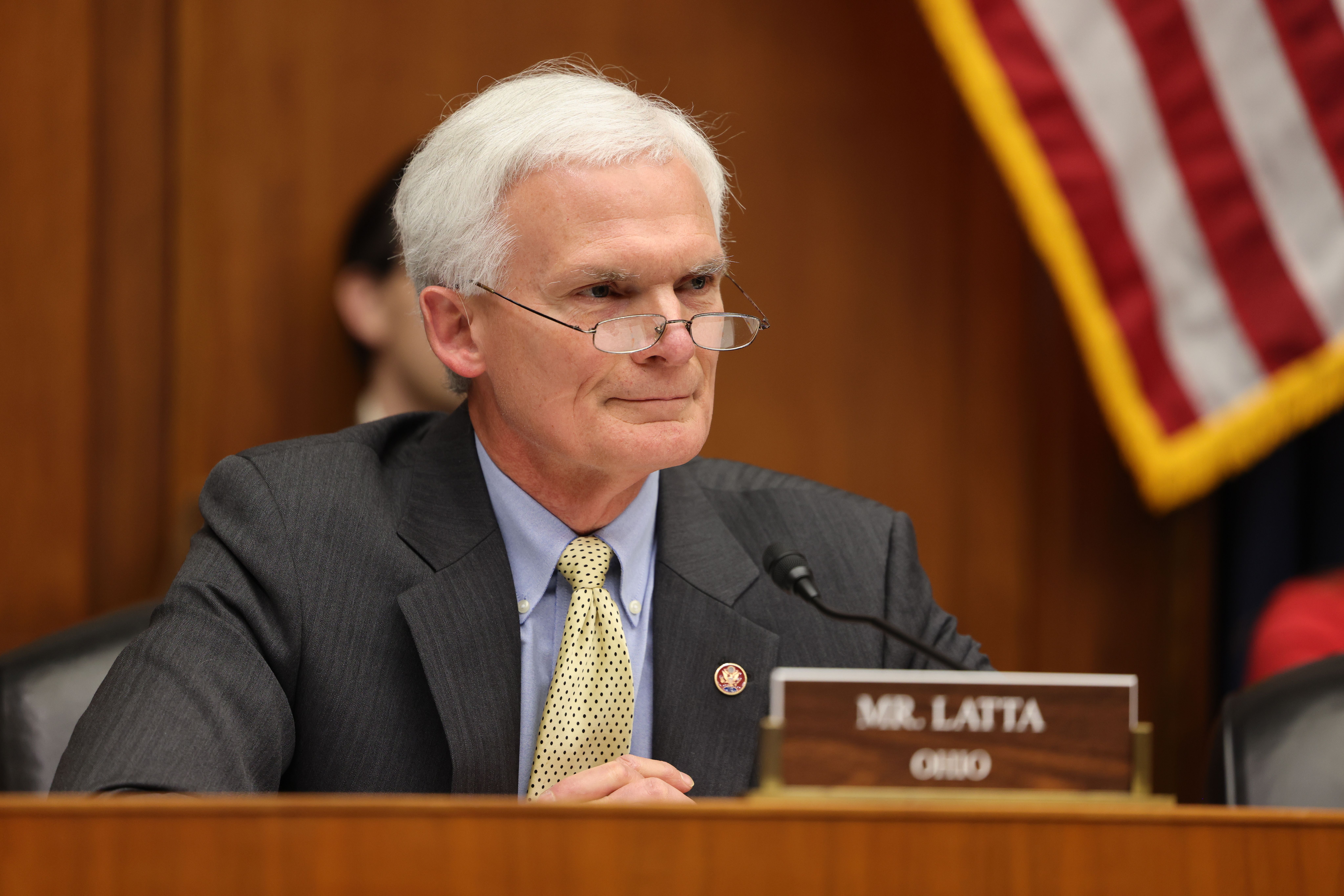
Congressman Bob Latta (OH-05): “On 9/11, I was driving. I was in the General Assembly in Ohio at the time. And of course, everything just collapsed. You’re trying to use your cell phone to find out what was going on. Everything was down. Everything. [...] For our first responders out there, we worried about that. […] And that’s why with FirstNet, we want to make sure that never, ever occurs again, because we want to make sure for the people that the first responders are out there trying to protect, but also to protect those first responders.”
Picture3.jpg

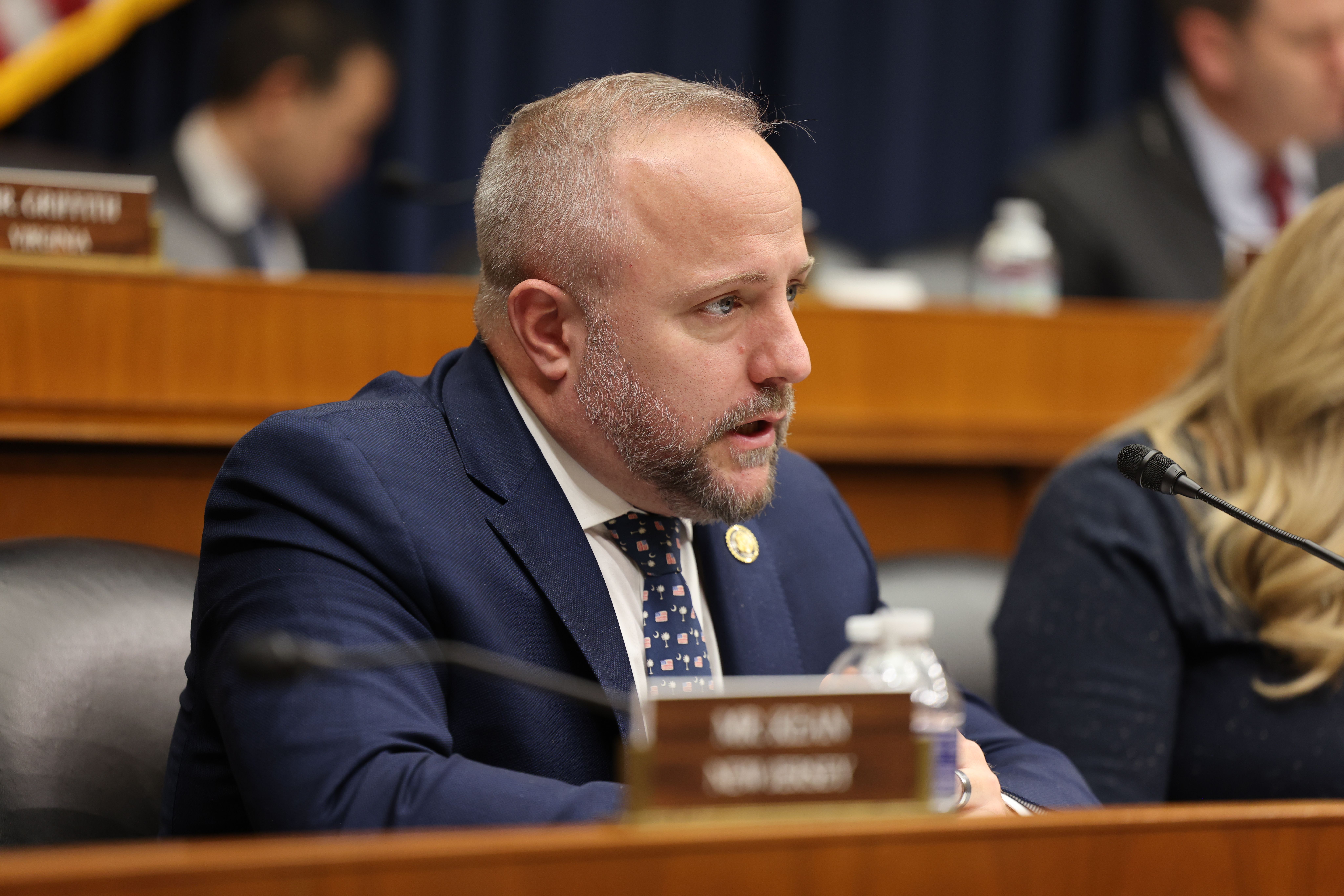
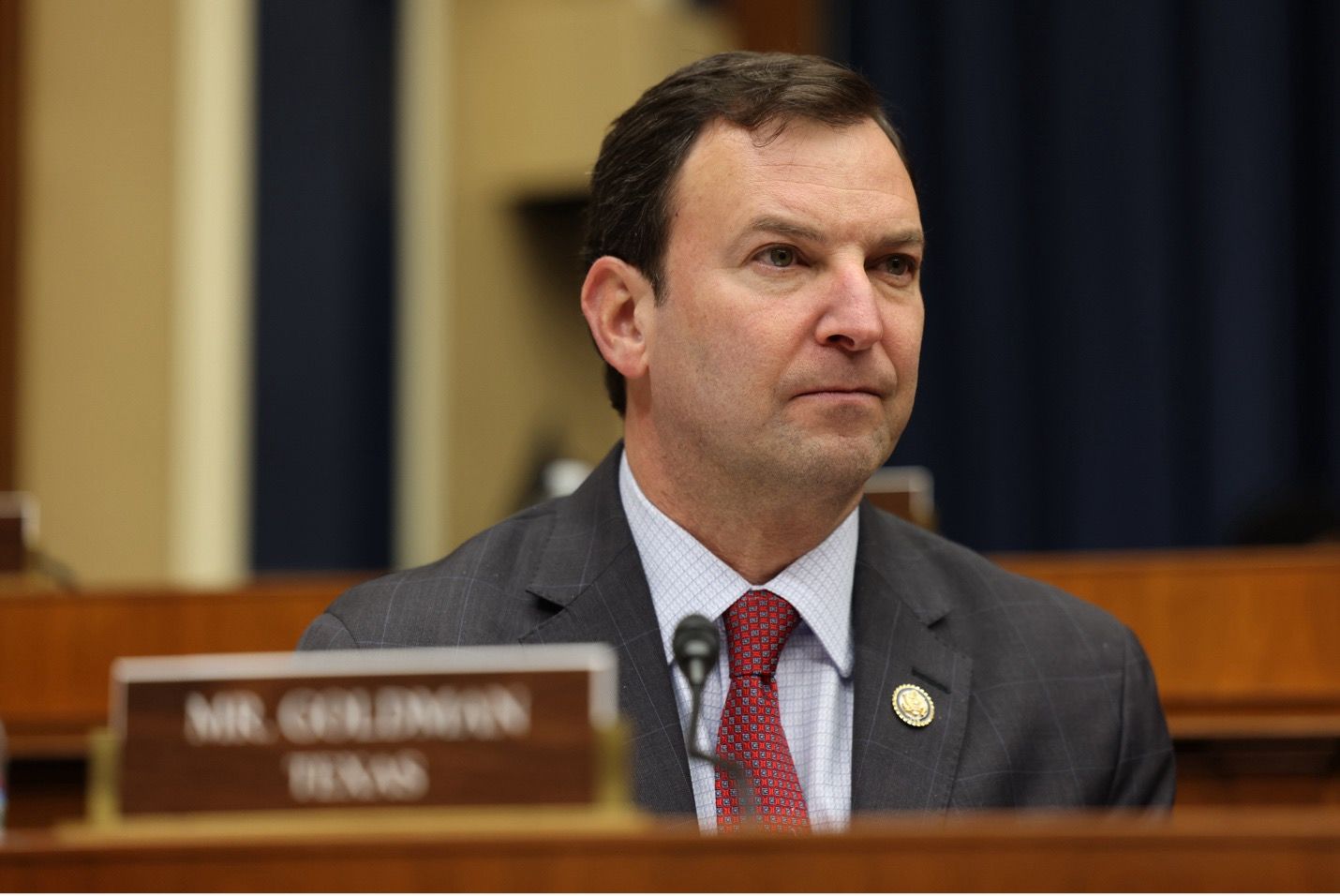
Congressman Craig Goldman (TX-12): “Can you just take us through, anecdotally, what it was like before FirstNet was created? Any stories you may have? And then the improvements of FirstNet and where we are today?” Sherriff Adkinson: “I mean, obviously, 9/11, the impetus of this. But I can tell you I’ve been through Hurricane Katrina, and there was no ability to talk. When there was so much volume, […] you have everybody trying to call at one time. What happens now with priority and preemption is that those first responders now have access to this network. […] This ensures that our first responders can get out when nobody else can.”
Feb 3, 2026
Energy

Subcommittee on Energy Holds Hearing on the Oversight of FERC

WASHINGTON, D.C. – Today, Congressman Bob Latta (OH-05), Chairman of the Subcommittee on Energy, led a hearing titled Oversight of FERC: Advancing Affordable and Reliable Energy for All Americans.

“Now, as our nation stands at the precipice of substantial change in the global economy, it is imperative for FERC to remain steadfastly focused on their core mission in order to fuel technological advancements and stabilize the bulk power system to keep the lights on,” said Chairman Latta. “Winning the AI race, reshoring manufacturing jobs, and lowering energy costs are not mutually exclusive. When done properly, research continues to show that the growth of large energy users like data centers and manufacturing facilities can help stabilize the grid and make electricity more affordable.

Watch the full hearing here.

Below are key excerpts from today’s hearing:

BV8A0012 copy.JPG

Congressman August Pfluger (TX-11): “How is FERC working with states that block pipelines? And how are you balancing the affordability mission when you have states like New York that actually kill pipeline projects?” Chairman Swett: “That is a 100-billion-dollar question. Effectively, under the regime that Congress has created, and the Clean Water Act, states have the ability to veto a project if they do not give a certification, and that is a problem that FERC simply cannot work around. If Congress saw fit to change that, we would be happy and ready to implement any directives.” Mr. Pfluger: “Is it your belief that having those pipelines in the capacity to deliver that natural gas lowers prices?” Chairman Swett: “Well, I think as you very wisely stated at the beginning of your comments, the proof is in the pudding. The fact that areas that don’t have enough gas are paying maybe 300 times what they should, as you said, is unacceptable. That is not a just and reasonable rate for Americans.”

BV8A9858 copy.JPG


Congressman Troy Balderson (OH-12):When opponents claim that LNG exports raise domestic prices, they ignore the factors that actually increase natural gas costs for consumers, such as the lack of pipeline capacity during the storm. Regions with pipelines to deliver natural gas had significantly lower prices than areas with constrained capacity. In fact, on January 26, 2026, the Monday after Winter Storm Fern, Northeast winter gas prices were up 2.4 times higher than the Appalachia supply. FERC has taken important actions to address constrained pipeline capacity, like repealing Order 871 and examining cost thresholds for blanket approvals. Can you discuss what other action FERC is considering taking to expedite the construction of needed energy infrastructure projects? And how will these actions help deliver affordable, reliable energy to our constituents?” Chairman Swett: “Thank you for the question. I also am very concerned about Northeast prices, and one thing that was really shocking for me coming out of the storm was that, in the Northeast during Fern, 40 percent of generation came from fuel oil or diesel, and that’s simply because we don’t have enough gas infrastructure to bring gas to New England. So, I fully agree with you. That’s why we are looking to, wholesale across the board, take a hard look at our permitting actions. And when it comes to pipelines in particular, we are trying to streamline our NEPA process.”

BV8A0015 copy.JPG

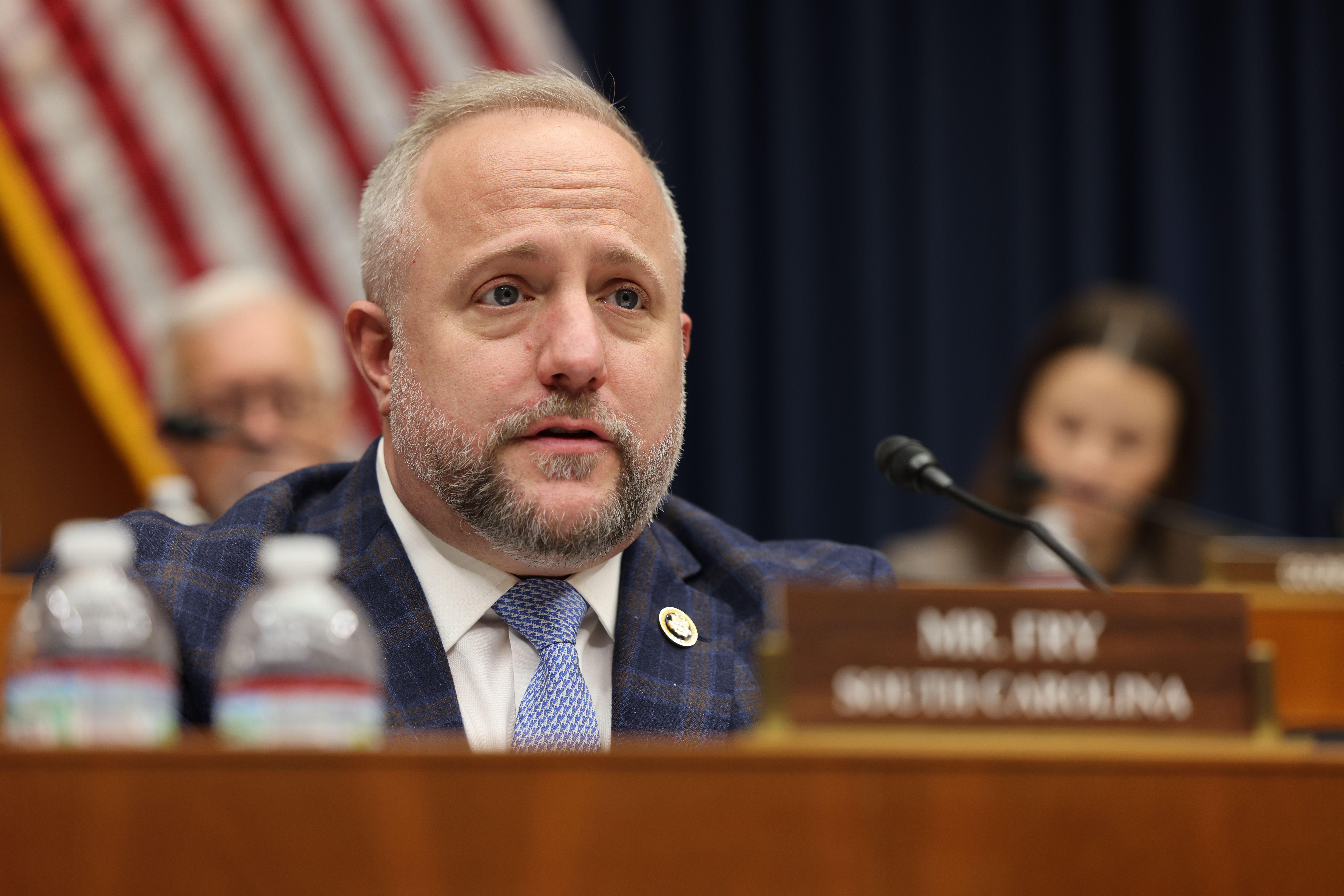
Congressman Russell Fry (SC-07): “Chairman Swett, the Seven County [Infrastructure Coalition v. Eagle County] Supreme Court decision was remarkable in a way, because it was won unanimously. So, in a body like ours that oftentimes has several different ways to view any particular issue, when you see a unanimous Supreme Court decision, it kind of raises your eyebrows a little bit. The Court held that courts should—afford substantial deference to an agency as to the scope and contents of an environmental impact statement. How has FERC changed its NEPA practice in response to the Seven County decision? And to piggyback on top of that, what is left to do to come in line with that decision?” Chairman Swett: “Thankfully, the Seven County decision allowed FERC, in my opinion, to realign our emissions analyses with our statutory responsibility as a primarily economic regulator charged with encouraging the development and plentiful supply of natural gas at reasonable prices, per Congress’s instruction. So, what that means, when the rubber hits the road, is now we no longer analyze the indirect emissions from upstream production or downstream combustion.”


Jan 27, 2026
Energy

Chairmen Guthrie and Latta Announce Hearing on FERC Oversight

WASHINGTON, D.C. – Today, Congressman Brett Guthrie (KY-02), Chairman of the House Committee on Energy and Commerce, and Congressman Bob Latta (OH-05), Chairman of the Subcommittee on Energy, announced a hearing titled Oversight of FERC: Advancing Affordable and Reliable Energy for All Americans.

“The Federal Energy Regulatory Commission (FERC) plays a vital role in ensuring that families and businesses across the country have access to reliable and affordable electricity and natural gas,” said Chairmen Guthrie and Latta. “It’s critical that FERC continues to address the efficient permitting of interstate natural gas pipelines to deliver the energy upon which our communities rely. This hearing will offer the opportunity to discuss the work that is being done to help strengthen our electric grid and to increase resources for onshoring advanced manufacturing and artificial intelligence infrastructure, all while lowering costs for hard-working families across the country.”

Subcommittee on Energy hearing titled Oversight of FERC: Advancing Affordable and Reliable Energy for All Americans.

WHAT: Subcommittee on Energy hearing to discuss oversight of FERC.

DATE: Tuesday, February 3, 2026

TIME: 10:15 AM ET

LOCATION: 2123 Rayburn House Office Building

This notice is at the direction of the Chairman. The hearing will be open to the public and press and will be livestreamed online at energycommerce.house.gov. If you have any questions concerning this hearing, please contact Seth Ricketts at Seth.Ricketts@mail.house.gov. If you have any press-related questions, please contact Ben Mullany at Ben.Mullany@mail.house.gov.


Jan 14, 2026
Press Release

C&T Subcommittee Holds Hearing on Oversight of the Federal Communications Commission

WASHINGTON, D.C. – Today, Congressman Richard Hudson (NC-09), Chairman of the Subcommittee on Communications and Technology, led a hearing titled Oversight of the Federal Communications Commission.

“The FCC had an active 2025 that can be summed up in one word: deregulation,” said Chairman Hudson. “Under Chairman Carr, the FCC has taken significant steps to reduce barriers to broadband deployment, modernize outdated regulatory regimes, and delete obsolete rules.”

Watch the full hearing here.

Below are key excerpts from today’s hearing:

BV8A9961 copy.jpeg

Congressman Bob Latta (OH-05): “We’d have discussions when we talked about 4G, 5G, 6G, and I’d always ask this question: are we winning the race? Who’s our competitor out there? [...] So, are we winning this race out there when we talk about 6G?” Chairman Carr: “We are. We had fallen behind, in my view, during the Biden years. And now, we’ve hit the accelerator, and we are going to be leading the world once again.”

BV8A0167 copy.JPG

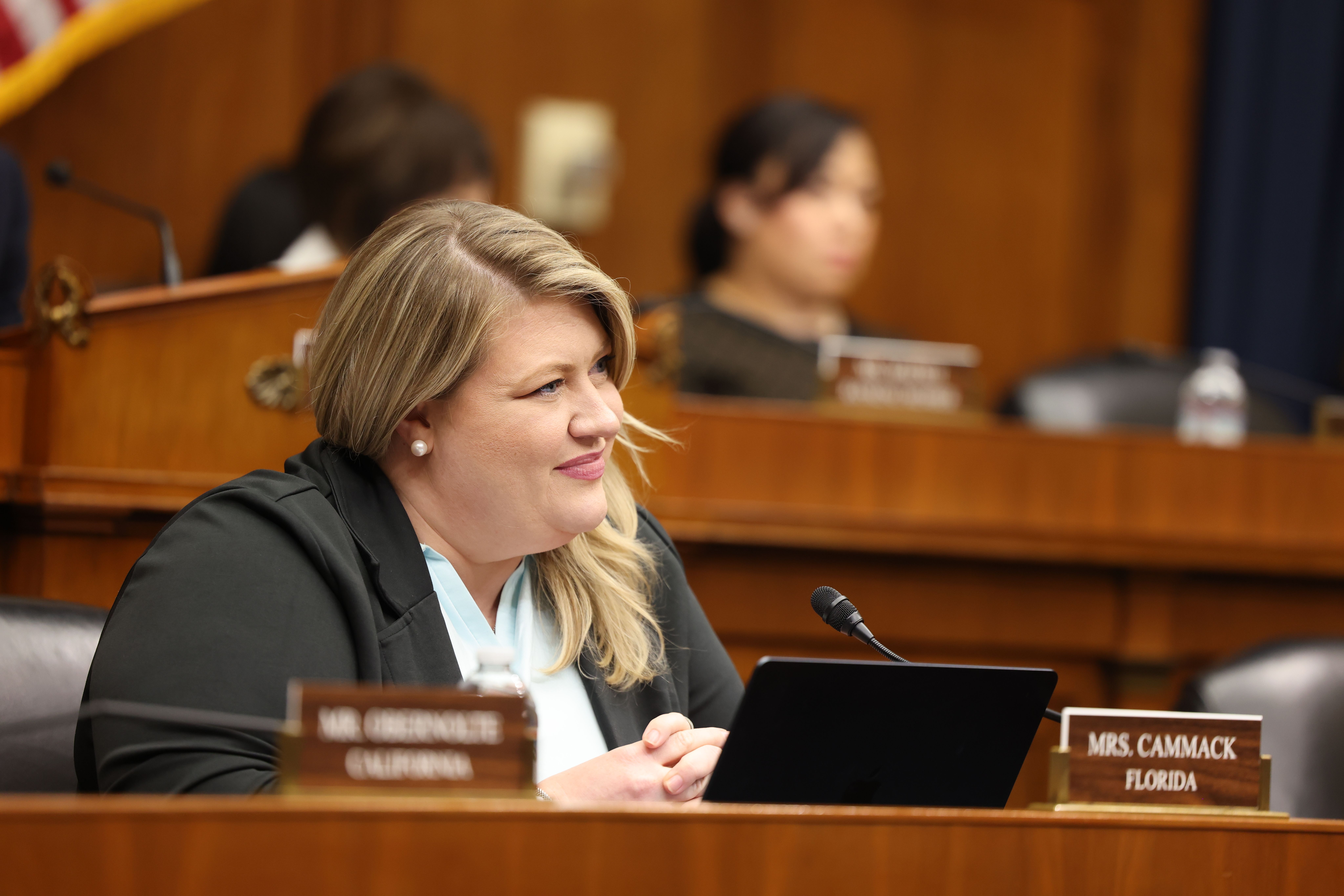
Congresswoman Kat Cammack (FL-03): “So many of these robocalls and some of these scam texts originate from overseas [...] Talk to me about your coordination efforts with your counterparts overseas and what we need to do here in Congress to strengthen that.” Chairman Carr: “We are pursuing, at the FCC, the idea that if you get a call on your phone from abroad, it shouldn’t necessarily, in my view, display a U.S.-based area code, because that could mislead someone to think that this is a call originating in the U.S. So, if you’re a company and you want to have a call center overseas, at least be truthful and honest with your customers. So, we’re looking at that. We’re looking at potentially doing standards for call centers to make sure that foreign call centers are compliant with our customer service regulations. So, a lot of effort was taken on that front.”

BV8A0061 copy.JPG

Congressman Russell Fry (SC-07): “During the first Trump administration, they unlocked additional 6-GHz bandwidth in 2020. When the first Trump administration made that available, nearly 70 countries followed our lead. Now China is trying to undermine those efforts in Europe. And we’re hearing good things out of the Trump administration defending that broadband. You’ve talked about the importance of Wi-Fi to American innovation. Can you explain why it's pivotal that America lead on Wi-Fi?” Commissioner Trusty: “Absolutely. As I mentioned a little earlier, I’ve been a proponent of an all-of-the-above approach to spectrum policy, where we accommodate a variety of users, use cases, and technologies. When you look at things like CBRS (Citizens Broadband Radio Service), the United States has long been a leader in innovative uses of spectrum, and CBRS is a model for that. It accommodates the military, transportation, logistics, tracking, schools, hospitals, and much more. My job at the FCC is to ensure spectrum is being put to its highest and best use. Given all of these use cases, I think it emphasizes the meaningful benefit of CBRS and unlicensed spectrum.”


Jan 14, 2026
Energy

Energy Subcommittee Holds Hearing on Legislation to Protect America’s Energy Infrastructure

WASHINGTON, D.C. – Yesterday, Congressman Bob Latta (OH-05), Chairman of the Subcommittee on Energy, led a legislative hearing titled Protecting America’s Energy Infrastructure in Today’s Cyber and Physical Threat Landscape.

“Altogether, this package of security bills comes at a critical time,” said Chairman Latta. “Our adversaries remain close on our heels to overtake the United States as the leading technological superpower on the world stage. Our communities cannot afford to endure disruptive large-scale attacks that can be prevented with commonsense solutions and collaboration.”

Watch the full hearing ** here **.

Below are key excerpts from yesterday's hearing:

BV8A8132 copy.JPG

Congressman Randy Weber (TX-14): “I like to tell people that the things that make America great are the things that America makes. Now, how do we do that? We do that with a reliable, dependable power system. Electric grids include all of those things that we need—everything that we need to make this country great. It’s the President’s reason for doing all of the things he’s doing that continues to make America great, so that we have a dependable, reliable, affordable energy supply. Would you agree?” Mr. Fitzsimmons: “Yes, I would, sir. And I would add to that the energy system has to be built to meet peak demand in the summer and the winter, when electricity is needed most or people die. The head of NERC has called the situation facing the grid due to the disastrous energy subtraction policies of the previous administration, a five-alarm fire for the grid. That is simply because of the premature retirement of too much reliable, dispatchable generation.”

BV8A8380 copy.JPG

Congressman Nick Langworthy (NY-23): “Not only is my district rural, but we also experience severe winter storms that can threaten grid reliability, fuel delivery, and emergency response for days at a time. During Winter Storm Elliott in 2022, a prolonged cold and high energy demand strained the electrical grid. It disrupted fuel supplies, and it complicated restoration efforts. The storm underscored how weather alone can expose vulnerabilities across the entire energy system, even without a cyber or a physical attack. Under Secretary Fitzsimmons, how does DOE evaluate and plan for severe weather risks? And what steps does your office take to incorporate lessons from past severe weather events into preparedness, response, and coordination efforts?” Mr. Fitzsimmons:That’s a great question because as I mentioned, the energy system is built to meet summer and winter peaks. That is our fundamental responsibility to keep the lights on. And so, one of the core capabilities that CESER has is a capability that’s called Eagle Eye. It’s run in partnership with the Oak Ridge National Laboratory. And that allows us to have real-time situational awareness on power outages all across the country.”

BV8A8340 copy.JPG

Congresswoman Laurel Lee (FL-15): “I am particularly interested in the Energy Emergency Leadership Act, which would update the Department of Energy Organization Act to include energy emergency and energy security functions assigned to an assistant secretary. Mr. Fitzsimmons, will elevating the DOE’s emergency response to an assistant secretary elevate the level of communication and coordination with other agencies?” Mr. Fitzsimmons: “I think what’s more important than the particular title that the head of the office holds is the mission of the office, and that is incredibly important. We’ve been working on refocusing and clarifying the CESER mission because it is so important. It’s a new office, and sometimes new offices can kind of struggle to figure out where they fit. What we’ve said is CESER’s mission is to provide timely and actionable information to the energy sector. That’s then used to inform the development of world-class cyber and physical security technologies, which are used to harden and secure energy infrastructure.”


Jan 13, 2026
Energy

Chairman Latta Delivers Opening Statement at Subcommittee on Energy Hearing on Legislation to Protect America’s Energy Infrastructure

WASHINGTON, D.C. – Congressman Bob Latta (OH-05), Chairman of the Subcommittee on Energy, delivered the following opening statement at today's hearing titled Protecting America's Energy Infrastructure in Today's Cyber and Physical Threat Landscape.

Subcommittee Chairman Latta’s opening statement as prepared for delivery:

“Welcome to today’s hearing and thank you to the witnesses for appearing before us to inform our legislative efforts to secure and strengthen the nation’s energy systems.

“The reliable delivery of energy through our critical infrastructure is foundational to the modern economy and the health and welfare of all our communities.

“At a time of tremendous growth in our nation’s energy demands, the need for effective security cannot be overstated.

“During our recent hearing examining cyber and physical threats, we heard directly from operators and experts about the capabilities of adversaries and the work to safeguard against efforts to exploit vulnerabilities to disrupt the everyday lives of hardworking Americans.

“Addressing cyber and physical threats is no easy task.

“The avenues for malicious activity only widen as digitization, communications, and linkages of gas pipelines, new generating resources, and transmission take root to meet energy demands.

“The interconnected nature of our energy systems requires constant intelligence sharing, clear visibility into threat landscapes, and sufficient resources to fill gaps in security protections for rural and small utility service territories.

“That is exactly what the legislation before us seeks to accomplish.

“Importantly, the Energy Emergency Leadership Act strengthens the Department of Energy’s central energy sector security mission.

“It does so by requiring that its well-established energy emergency and cyber functions are led by an Assistant Secretary, confirmed by the Senate.

“This will ensure the Department has the focused and accountable leadership to more fully protect the public from fuel and electricity supply disruptions, including emerging threats from our foreign adversaries to the nation’s electric grid.

“As the Sector Risk Management Agency for the energy sector, DOE requires visibility over the whole system and actively collaborates not only with the power sector, but also the oil and gas sector to prepare and respond appropriately to emergencies. DOE’s central role in Federal coordination and providing technical assistance as needed is critical for a secure energy system.

“The Pipeline Cybersecurity Preparedness Act will enhance and formalize DOE’s work in this area, so we have a stronger, more resilient energy sector.

“Alongside this bill, the Energy Threat Analysis Center Act would formally authorize a valuable program that improves information sharing and coordination on threat analyses.

“The Energy Threat Analysis Center, or ETAC, brings together key public and private partners, including the intelligence community, to address vulnerabilities in critical infrastructure and provide operational support for energy sector resilience.

“The Rural and Municipal Utility Cybersecurity Act will improve cybersecurity protocols and equipment for small utilities, electric co-operatives, and public power agencies by providing targeted funding and technical assistance.

“These small entities typically serve our most rural and remote communities that do not have the same resources as their larger investor-owned counterparts.

“States too play an essential role in protecting energy infrastructure within their borders.

“Last Congress, this committee held a field hearing in North Carolina to examine the attack on a substation in Moore County that left 30,000 people without power.

“The SECURE Grid Act, which I plan to sponsor with my colleague from California’s 7th Congressional district, builds upon the existing State Energy Security Plan framework to expand the visibility of potential threats to local distribution and supply chain networks.

“Altogether, this package of security bills comes at a critical time.

“Our adversaries remain close on our heels to overtake the United States as the leading technological superpower on the world stage.

“Our communities cannot afford to endure disruptive large-scale attacks that can be prevented with commonsense solutions and collaboration.

“The bills before us today present a bipartisan opportunity to secure our nation’s energy system so we can fuel economic growth in job creating industries across the country.

“Today we’ll hear from the Department of Energy, which has been helpful providing technical assistance to our bi-partisan work today.

“Alex Fitzsimmons, Acting Undersecretary of Energy, will provide a broad view of DOE’s important energy sector work and how this legislation may advance that work.

“Our second panel of witnesses will also inform our work from their perspectives on the front lines of cyber and physical threat protection.

“I look forward to the discussion today.”


Jan 7, 2026
Hearings

Chairman Latta Delivers Opening Statement at Subcommittee on Energy Hearing on Nuclear Energy

WASHINGTON, D.C. – Congressman Bob Latta (OH-05), Chairman of the Subcommittee on Energy, delivered the following opening statement at today’s hearing titled American Energy Dominance: Dawn of the New Nuclear Era.

Subcommittee Chairman Latta’s opening statement as prepared for delivery:

“Today’s hearing will examine the current state of the nuclear industry, the emerging prospects for the rapid and widespread deployment of new nuclear technologies, and what more may be done to enable success.

“The importance of successful growth of American nuclear energy cannot be understated.

“Most importantly, what we need in this country is more energy.

“We need firm, reliable power, versatile power, and more of it. We need power for emerging industrial output and the AI race—also for homes and businesses.

“A robust and growing nuclear industry also strengthens our national security. It does so through increased nuclear commerce with allies and through a more cost-effective industrial base.

“Congress has already taken significant steps that will optimize the regulatory system and related policies to assist in domestic nuclear deployment.

“The ADVANCE Act, major provisions of which were developed by Energy and Commerce Members, focused on licensing efficiency, reducing costs, and increasing predictability in Nuclear Regulatory Commission licensing.

“It also provided for improved coordination among agencies and increasing access to nuclear technology for our allies. It increased the ability of allies to invest in American nuclear projects.

“Congress also enacted legislation to secure nuclear fuel supplies.

“It did so by providing funding to jump start work to develop advanced fuels and banning Russian fuels to create the market conditions that will incentivize new domestic fuel capacity.

“This legislative work builds upon other legislative measures concerning federal loan and credit programs, nuclear demonstrations, and technical support, and long-term liability protections for nuclear reactors.

_“Congress has established a strong framework for nuclear development for coming decades. How this is being implemented will be an important topic for this hearing. _

“By any measure, the prospects of expanded nuclear power in the United States have been improving dramatically in recent years.

“Consider that only five or six years ago, we were confronting a wave of nuclear retirements. Today, closed nuclear reactors are being restarted, and utilities are seeking to produce more power at existing sites.

“This Monday, NRC for the first time approved replacement of analog safety equipment with digital controls—which paves the way for modernizing safety controls across the fleet. This action, finally taken after years of regulatory churn, creates a template for other plants to seek NRC approval of digitization.

“There is growing interest in new builds for the large Westinghouse AP1000—the advanced light-water reactor brought on-line at Plant Vogtle in Georgia.

“And a growing number of advanced nuclear technologies are moving into or through the licensing pipeline.

“Major new players, including manufacturers, are providing support and financing for new projects.

“The Trump Administration, meanwhile, is also working to advance nuclear on a number of fronts.

“It is accelerating regulatory reforms—consistent with the ADVANCE Act—for more efficient, risk-informed licensing. It is working to bring in more foreign investment, accelerate innovative new technology demonstrations, and develop small reactors for military bases.

“How this is going and how it can work more effectively will also be a useful focus for this hearing.

“Our witnesses today will provide important perspective to help us assess what more may be necessary to ensure success.

“Maria Korsnick, President and CEO of the Nuclear Energy Institute, a nuclear engineer, former chief nuclear officer and plant operator, will offer the broad industry view for what is necessary for advancing nuclear.

“John Williams, Senior Vice President of Southern Nuclear Operating Company, among other experience overseeing nuclear operations brings the perspective of having overseen the construction and operation of the first new nuclear units in 30 years.

“Judi Greenwald, President and CEO of the Nuclear Innovation Alliance, will offer the views of a leading Washington nuclear policy organization, which informed some of our work on the ADVANCE Act.

“And, finally, John Wagner, Director of Idaho National Laboratory, will provide the perspective of the National Lab responsible for a substantial amount of nuclear research and development and what he sees across the landscape of nuclear policy today.

“The success of our work in Congress to advance durable nuclear deployment will depend on appropriate and efficient regulatory decisions, dependable supply chains and fuels, predictable construction and deployment costs, and, of course, market demand.

“This hearing can help us in our work.”


Jan 6, 2026
Press Release

Chairmen Guthrie and Latta Announce Hearing on Legislation to Protect America’s Energy Infrastructure

WASHINGTON, D.C. – Today, Congressman Brett Guthrie (KY-02), Chairman of the House Committee on Energy and Commerce, and Congressman Bob Latta (OH-05), Chairman of the Subcommittee on Energy, announced a hearing titled Protecting America’s Energy Infrastructure in Today’s Cyber and Physical Threat Landscape.

“Safeguarding our nation’s energy infrastructure is vital to providing affordable and reliable power while protecting American communities,” said Chairmen Guthrie and Latta. “Right now, the energy infrastructure in the United States faces numerous cyber and physical threats from sophisticated nation-state actors as well as criminals or ideologically driven hackers. To confront these issues, our Committee will hold a legislative hearing to discuss solutions for our energy infrastructure that would help to strengthen collaboration between the government and the private sector, detect cybersecurity threats, and increase physical security.”

Subcommittee on Energy hearing titled Protecting America’s Energy Infrastructure in Today’s Cyber and Physical Threat Landscape.

WHAT: Subcommittee on Energy hearing to discuss legislation that will focus on strengthening our nation’s energy infrastructure from cyber and physical threats.

DATE: Tuesday, January 13, 2026

TIME: 10:15 AM ET

LOCATION: 2123 Rayburn House Office Building

This hearing will focus on the following bills:

  • H.R.____, Energy Threat Analysis Center Act of 2026
  • H.R.____, Energy Emergency Leadership Act
  • H.R.____, Rural and Municipal Utility Cybersecurity Act
  • H.R. ____, Securing Community Upgrades for a Resilient Grid (SECURE Grid) Act
  • H.R.____, Pipeline Cybersecurity Preparedness Act

This notice is at the direction of the Chairman. The hearing will be open to the public and press and will be livestreamed online at energycommerce.house.gov. If you have any questions concerning this hearing, please contact Calvin Huggins at Calvin.Huggins1@mail.house.gov. If you have any press-related questions, please contact Ben Mullany at Ben.Mullany@mail.house.gov.


Dec 31, 2025
Energy

Chairmen Guthrie and Latta Announce Hearing on Nuclear Energy

WASHINGTON, D.C. – Today, Congressman Brett Guthrie (KY-02), Chairman of the House Committee on Energy and Commerce, and Congressman Bob Latta (OH-05), Chairman of the Subcommittee on Energy, announced a hearing titled American Energy Dominance: Dawn of the New Nuclear Era.

“Nuclear energy provides affordable and reliable power to our grid while generating the largest portion of carbon free electricity in the United States,” said Chairmen Guthrie and Latta. “This hearing will offer a chance to discuss the current state of our nuclear industry, addressing the licensing and deployment of nuclear power while examining how the implementation of recent laws and policies can support the industry growth that will be vital to meeting our energy and security needs.”

Subcommittee on Energy hearing titled American Energy Dominance: Dawn of the New Nuclear Era

WHAT: Subcommittee on Energy hearing to discuss the licensing, deployment, and implementation of recently enacted federal laws and administration policies in nuclear energy.

DATE: Wednesday, January 7, 2026

TIME: 10:15 AM ET

LOCATION: 2123 Rayburn House Office Building

This notice is at the direction of the Chairman. The hearing will be open to the public and press and will be livestreamed online at energycommerce.house.gov. If you have any questions concerning this hearing, please contact Calvin Huggins at Calvin.Huggins1@mail.house.gov. If you have any press-related questions, please contact Ben Mullany at Ben.Mullany@mail.house.gov.