News

All Updates


Feb 6, 2026
Press Release

Chairmen Guthrie and Bilirakis Announce CMT Subcommittee Markup of Legislation to Strengthen Motor Vehicle Safety and Advance U.S. Automotive Leadership

WASHINGTON, D.C. – Today, Congressman Brett Guthrie (KY-02), Chairman of the House Committee on Energy and Commerce, and Congressman Gus Bilirakis (FL-12), Chairman of the Subcommittee on Commerce, Manufacturing, and Trade, announced a subcommittee markup of twelve bills to strengthen automotive safety, affordability, and leadership.

WHAT: Subcommittee on Commerce, Manufacturing, and Trade markup of twelve bills.

DATE: Tuesday, February 10, 2026

TIME: 10:15 AM ET

LOCATION: 2123 Rayburn House Office Building

Items to be considered:

  • H.R. 5221, PART Act (Reps. Baird and McCollum)
  • H.R. 2110, Safe Vehicle Access for Survivors Act (Reps. Dingell and Crenshaw)
  • H.R. 6688, ADAS Functionality and Integrity Act (Reps. Harshbarger, Obernolte, Vazquez, and Torres-CA)
  • H.R. 3360, Driver Technology and Pedestrian Safety Act (Rep. Mullin)
  • H.R. 3385, To direct the Secretary of Transportation to issue certain regulations to update the definition of motorcycle, and for other purposes. (Rep. Van Orden)
  • H.R. 1566, Right to Equitable and Professional Auto Industry Repair (REPAIR) Act (Reps. Dunn and Perez)
  • H.R. 7389, Motor Vehicle Modernization Act of 2026 (Chairman Guthrie)
  • H.R. 7390, Safely Ensuring Lives Future Deployment and Research In Vehicle Evolution (SELF DRIVE) Act of 2026 (Rep. Latta)
  • H.R. 7372, Safety Is Not for Sale Act (Ranking Member Pallone)
  • H.R. 7377, Know Before You Drive Act (Rep. Schrier)
  • H.R. 6947, Securing Accessible Functional Emergency (SAFE) Exit Act of 2026 (Rep. Kelly-IL)
  • H.R. 7353, Magnus White and Safe Streets for Everyone Act of 2026 (Rep. Clarke)

This notice is at the direction of the Chairman. The hearing will be open to the public and press and will be livestreamed online at energycommerce.house.gov. If you have any questions concerning this hearing, please contact Jackson Rudden at Jackson.Rudden@mail.house.gov. If you have any press-related questions, please contact Daniel Kelly at Daniel.Kelly@mail.house.gov.


Feb 4, 2026
Energy

Energy Subcommittee Advances Five Bills to Strengthen American Cybersecurity

WASHINGTON, D.C. – Today, Congressman Bob Latta (OH-05), Chairman of the Subcommittee on Energy, led a markup of five bills.

“Today the Energy Subcommittee marked up five bills that will update and enhance programs to help ensure the physical and cyber security of our nation’s energy infrastructure, including our electric grid,” said Chairman Latta. “These bills, two of which we have moved through the Committee in past Congresses with strong bipartisan support, also strengthen the Department of Energy’s ability to carry out its energy emergency functions.”

Legislative Vote Summary:

  • H.R. 7258, Energy Emergency Leadership Act, was forwarded without amendment to the Full Committee by a voice vote.
  • H.R. 7266, Rural and Municipal Utility Cybersecurity Act, was forwarded to the Full Committee, as amended, by a voice vote.
  • H.R. 7257, Securing Community Upgrades for a Resilient Grid (SECURE Grid) Act, was forwarded without amendment to the Full Committee by a voice vote.
  • H.R. 7272, Pipeline Cybersecurity Preparedness Act, was forwarded without amendment to the Full Committee by a voice vote.
  • H.R. 7305, Energy Threat Analysis Center Act of 2026, was forwarded without amendment to the Full Committee by a voice vote.

Watch the full markup here.

Below are key excerpts from today’s markup:

BV8A1603 copy.JPG

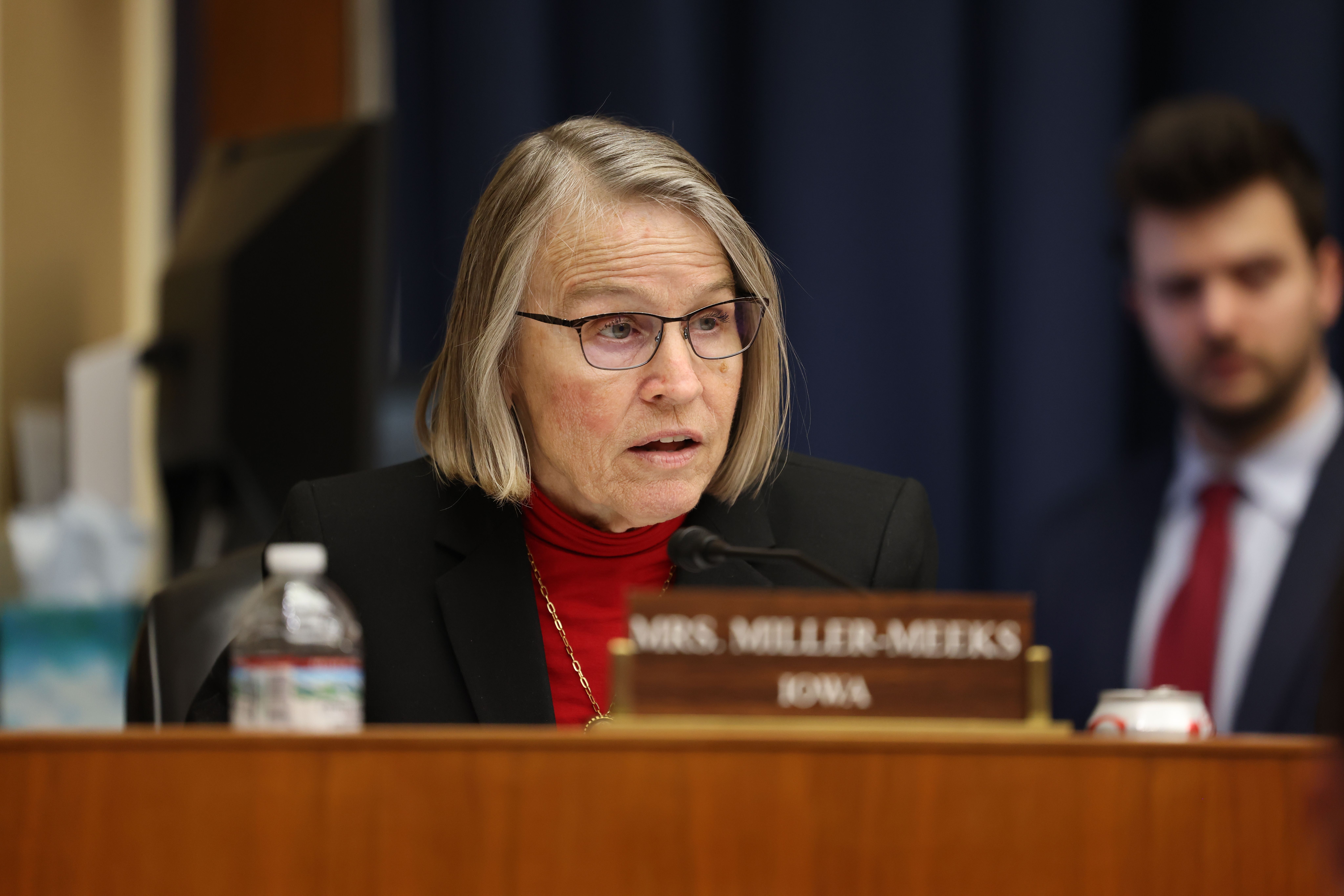
Congresswoman Mariannette Miller-Meeks (IA-01) on H.R. 7266, the Rural and Municipal Utility Cybersecurity Act: “Cyber-attacks targeting critical infrastructure have become more sophisticated and frequent. This bill ensures that rural electric cooperatives and small utilities have access to advanced cybersecurity tools, technical assistance, and grant funding to protect, detect, respond to, and recover from cyber threats. In Iowa’s First District, rural electric cooperatives serve ratepayers across our 20 counties. These cooperatives faced the same sophisticated cyber threats as major metropolitan systems but often lack the resources to defend against them. This bill ensures our local utilities have the tools they need to protect the grid that powers our homes, farms, and small businesses.”

BV8A1731 copy.JPG

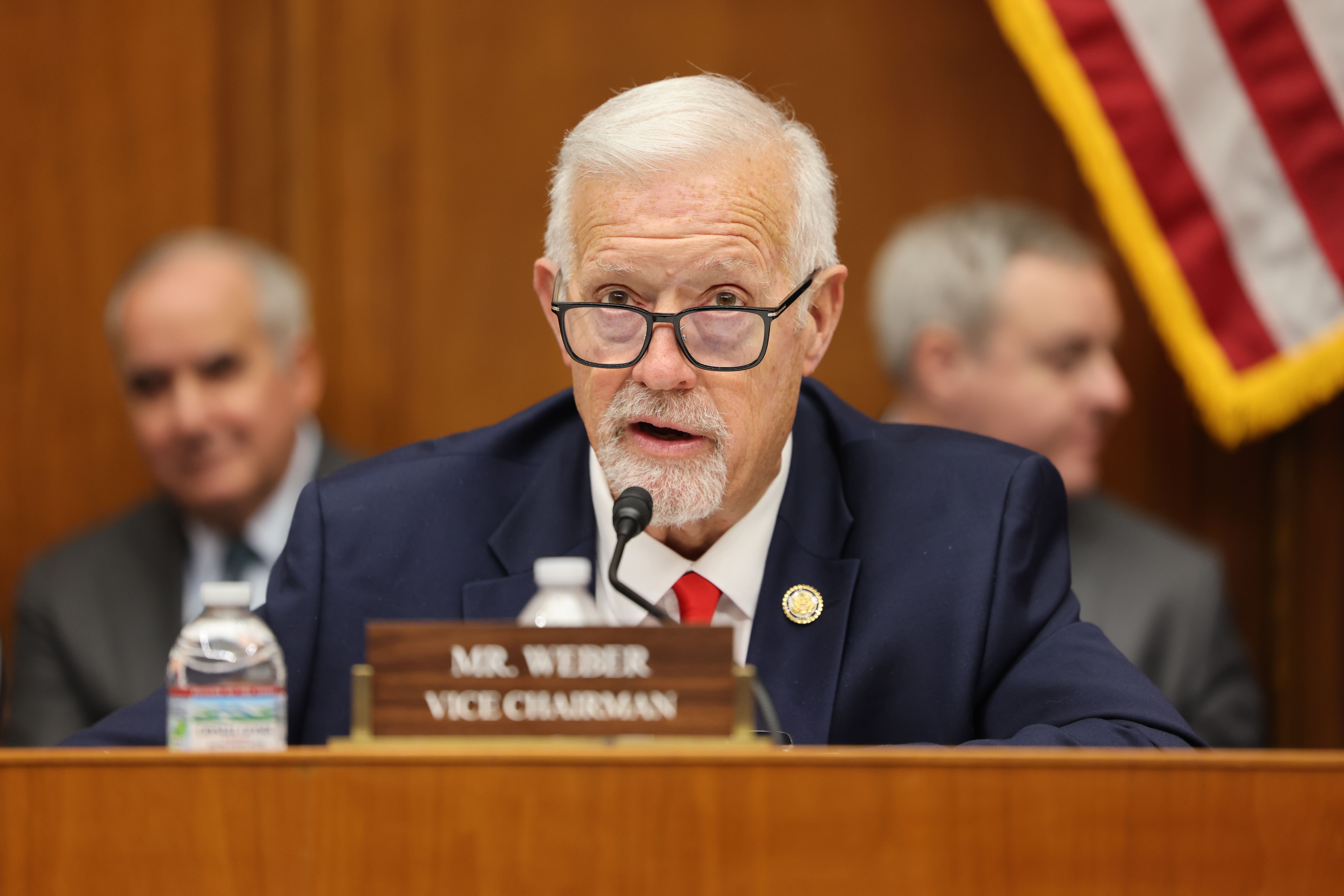
Congressman Randy Weber (TX-14) on H.R. 7272, the Pipeline Cybersecurity Preparedness Act: “H.R. 7272 would improve how the Department of Energy works with others to ensure the security and resilience of pipelines, as well as LNG facilities that our energy sector depends upon for the reliable supply of fuels and electricity. This legislation focuses on the Department of Energy’s vast technical capabilities to develop a program that improves the coordination and technical support needed to ensure timely, efficient, and effective work to secure our energy systems and respond to disruptions.”

BV8A1514 copy.JPG

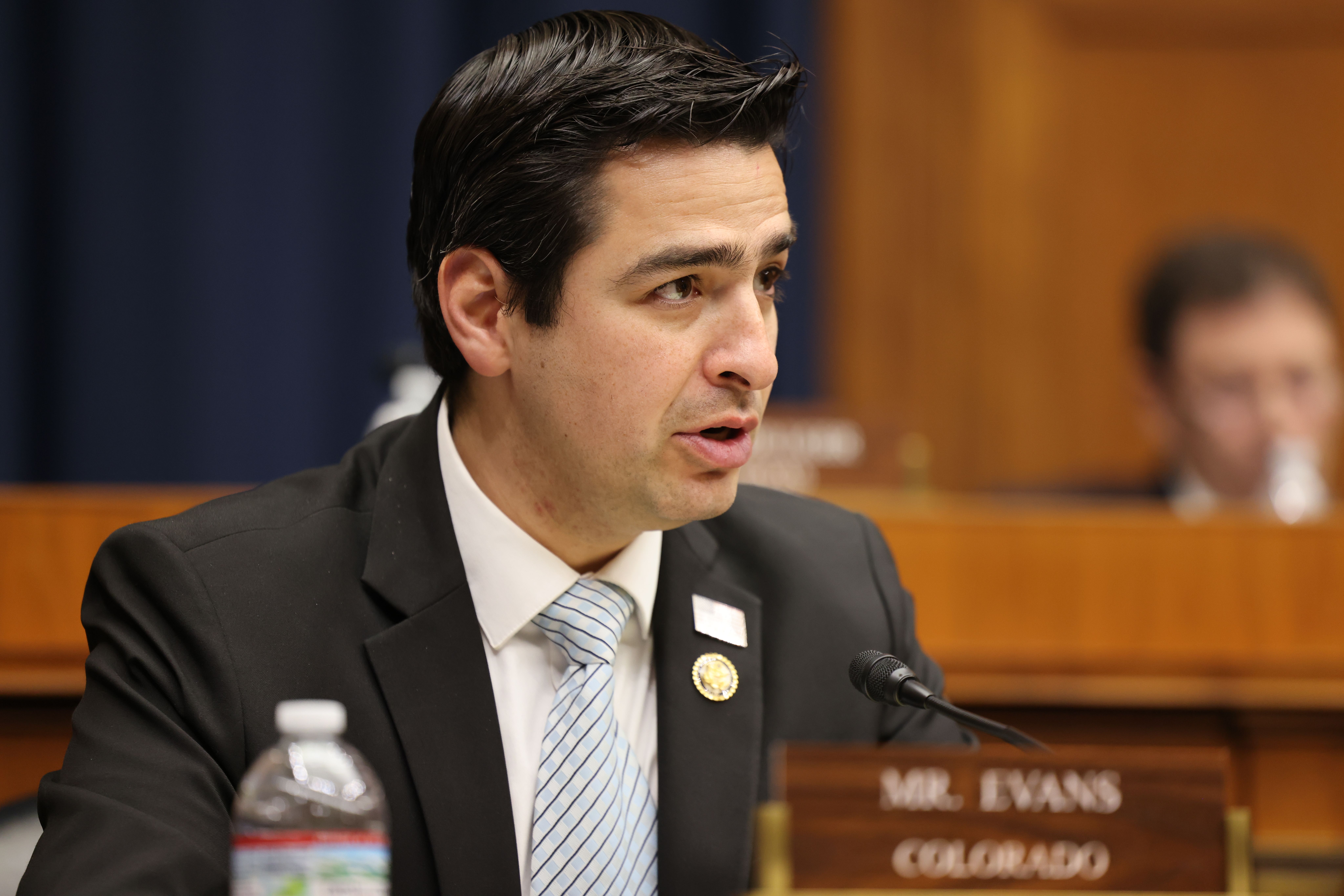
Congressman Gabe Evans (CO-08) on H.R. 7305, the Energy Threat Analysis Center Act of 2026: “It’s essential that we reauthorize ETAC. Chinese Communist Party-backed hacker groups like Volt Typhoon and Salt Typhoon have already embedded themselves in networks within critical infrastructure, and they’re operating at times undetected. Small towns and rural areas quite often don’t have the resources and the infrastructure to prevent attacks like this and are left with massive disruptions and costs when an attack occurs. These hackers are lying in wait, ready to disrupt key energy systems that are crucial to daily life, including domestic production and military readiness. The preventative work that ETAC does protects communities and our national security from attacks like these.”


Feb 4, 2026
Energy

Chairman Latta Delivers Opening Statement at Subcommittee on Energy Markup to Strengthen American Cybersecurity

WASHINGTON, D.C. – Congressman Bob Latta (OH-05), Chairman of the Subcommittee on Energy, delivered the following opening statement at today’s markup of five bills.

Subcommittee Chairman Latta’s opening statement as prepared for delivery:

“Today the Energy Subcommittee will mark up five bills that will update and enhance programs to help ensure the physical and cyber security of our nation’s electric grid.

“These bills, two of which we have moved through the Committee in past Congresses with strong bi-partisan support, also strengthen the Department of Energy’s ability to carry out its energy emergency functions.

“At our legislative hearing three weeks ago, witnesses emphasized the importance of robust collaboration between industry, states, and the federal government to ensure secure energy systems.

“These bills will strengthen this work by enhancing DOE’s existing energy sector authorities and by providing new tools to ensure fuller industry involvement.

“We consider these bills today against the backdrop of growing threats to our energy systems—including advanced threats from our adversaries.

“As noted in recent hearings, Communist China remains the most active and persistent threat to American critical infrastructure networks. Its proxies have pre-positioned attack capabilities in American infrastructure, to be used during a major crisis or conflict.

“Addressing these and related threats is difficult and can be resource intensive.

“The interconnected nature of our energy systems requires constant intelligence sharing, clear visibility into threat landscapes, and sufficient resources to fill gaps in security protections, particularly for rural and small utility service territories.

“The bills we will consider today take important steps to accomplish this and more.

“H.R. 7305, the Energy Threat Analysis Center Act of 2026, led by the gentlelady from Florida’s fourteenth congressional district and the gentleman from Colorado’s eighth congressional district, authorizes a program that improves information sharing and coordination on threat analyses that impact the power sector.

“A key ingredient of this program involves two-way sharing of information between grid operators and the intelligence community to their mutual benefit: improving the ability to assess risks and threats and then how to act upon that information.

“H.R. 7258, the Energy Emergency Leadership Act, led by the gentlelady from Florida’s fifteenth congressional district and the gentleman from Ohio’s first congressional district, represents long-time bipartisan policy of this Committee to strengthen the ability of DOE to carry out its energy sector security and emergency functions.

“The bill requires the energy emergency and security functions at DOE are led by an Assistant Secretary, confirmed by the Senate. This will ensure the Department has the focused and accountable leadership that will strengthen intergovernmental and energy sector collaboration.

“H.R. 7266, the Rural and Municipal Utility Cybersecurity Act, led by the gentlelady from Iowa’s first congressional district and the gentlelady from Virginia’s fourth congressional district, provides targeted funding and technical assistance so small utilities, electric co-operatives, and public power agencies have the resources to secure their critical electric systems—including systems serving military installations.

“Of course, as we heard during our legislative hearing, States are critical to energy security. They have unique visibility into the interconnected relationships, risks and vulnerabilities related to the energy systems within their borders.

“H.R. 7257, the SECURE Grid Act, which I sponsored with my colleague from California’s seventh congressional district, builds upon the existing State Energy Security Plan framework to expand the visibility of potential threats to local electric distribution and supply chain networks.

“Finally, as the Sector Risk Management Agency for the energy sector, DOE must have visibility over the whole energy sector, which as we heard in the legislative hearing is comprised of increasingly interconnected systems.

“Because of this, DOE actively works not only with the power sector, but also the oil and gas sector to prepare and respond appropriately to emergencies.

“DOE’s technical capabilities and central role in Federal energy coordination make it well positioned to improve the complex layers of communication necessary for energy sector security.

“H.R. 7272, the Pipeline Cybersecurity Preparedness Act, led by the Subcommittee Vice Chairman from Texas’s fourteenth congressional district and the gentlelady from Michigan’s sixth congressional district, does just this.

“It builds on DOE’s leadership to establish a non-regulatory program to improve the coordination and other assistance across the energy sector, states, and the federal government with regard to the security and resilience of pipelines and other facilities that deliver the nation’s oil and gas—and are necessary for reliable energy and power.

“All told, these bills advance the important bipartisan work of this Subcommittee to protect critical energy infrastructure.”


C&T Subcommittee Holds Hearing on FirstNet Reauthorization

WASHINGTON, D.C. – Today, Congressman Richard Hudson (NC-09), Chairman of the Subcommittee on Communications and Technology, led a hearing titled Evaluating FirstNet: Performance, Accountability, and Reauthorization.

“FirstNet’s authorization expires at the beginning of next year, and it is this Committee’s duty to reauthorize the program before it expires,” said Chairman Hudson. “In the process, we should examine FirstNet’s activities since its creation 15 years ago and make any changes necessary to improve its performance. The future of public safety relies on safe resources like FirstNet.”

Watch the full hearing here.

Below are key excerpts from today’s hearing:

Picture1.jpg

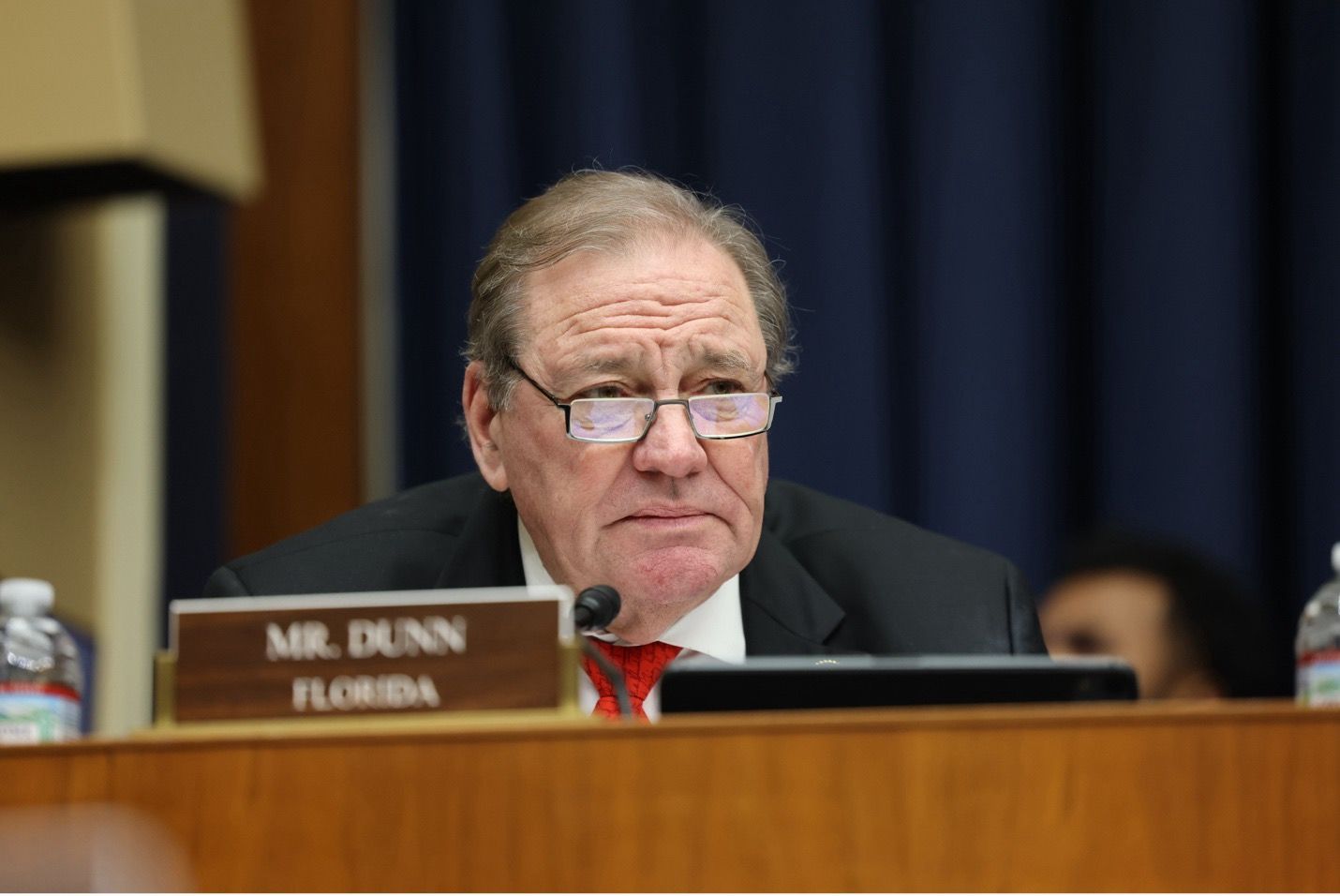
Congressman Neal Dunn (FL-02): “When Congress created the First Responder Network Authority, there was a clear mandate to have [a] public safety, preemptive network that would be used exclusively for first responders on the ground. [...] Our nation’s heroes and public servants who are the first to respond and the first people to put their lives on the line to protect Americans need robust communications. It was a very clear mandate to give our local communities the resources they need to respond to tragedies, and what we’ve seen since 2017, when the contract was awarded, has been a tremendous success story. We’ve also learned some lessons. Our job in Congress of enforcement and oversight of the program is critical and that includes contract transparency and maintaining accountability at all levels.”

Picture2.jpg

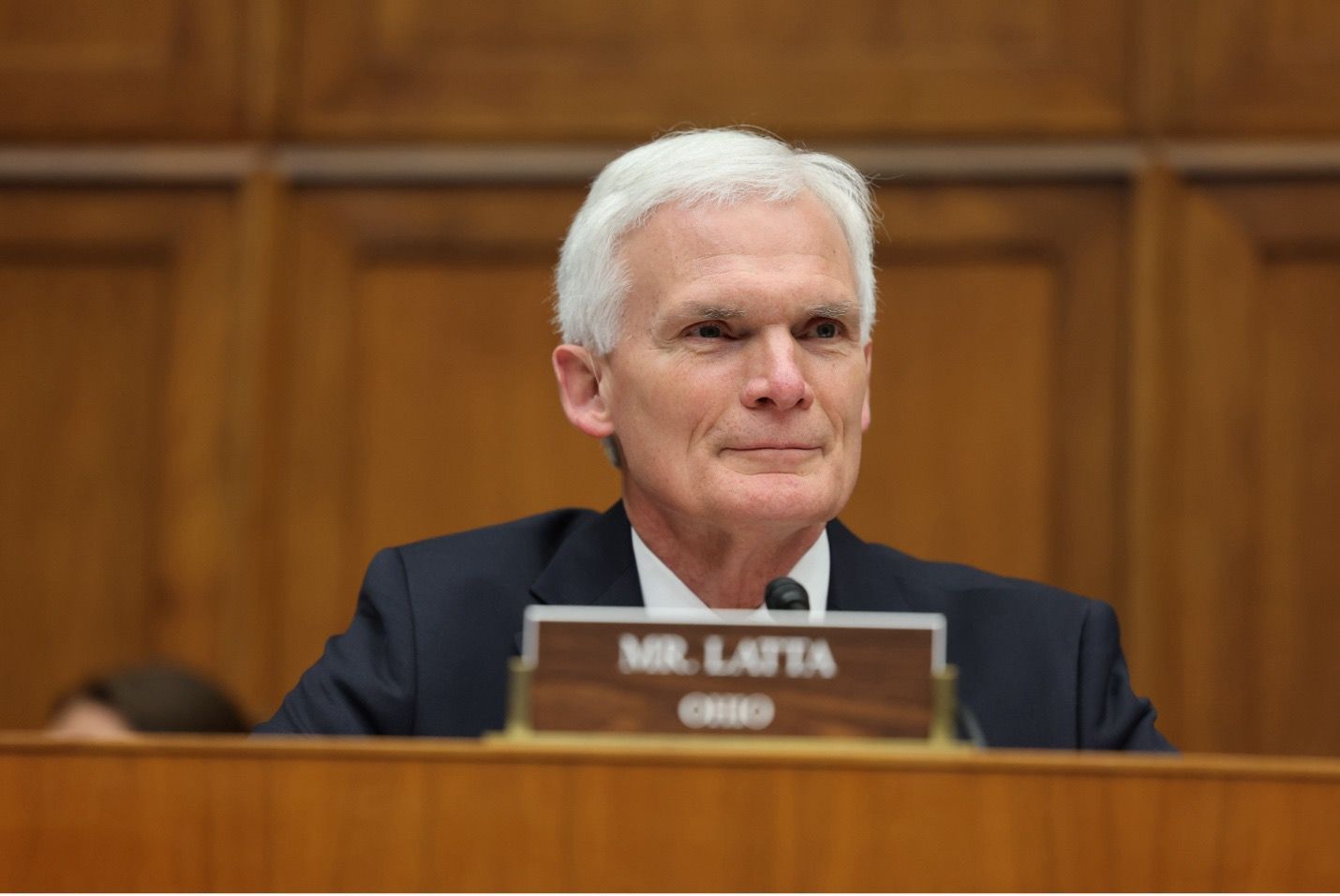
Congressman Bob Latta (OH-05): “On 9/11, I was driving. I was in the General Assembly in Ohio at the time. And of course, everything just collapsed. You’re trying to use your cell phone to find out what was going on. Everything was down. Everything. [...] For our first responders out there, we worried about that. […] And that’s why with FirstNet, we want to make sure that never, ever occurs again, because we want to make sure for the people that the first responders are out there trying to protect, but also to protect those first responders.”

Picture3.jpg

Congressman Craig Goldman (TX-12): “Can you just take us through, anecdotally, what it was like before FirstNet was created? Any stories you may have? And then the improvements of FirstNet and where we are today?” Sherriff Adkinson: “I mean, obviously, 9/11, the impetus of this. But I can tell you I’ve been through Hurricane Katrina, and there was no ability to talk. When there was so much volume, […] you have everybody trying to call at one time. What happens now with priority and preemption is that those first responders now have access to this network. […] This ensures that our first responders can get out when nobody else can.”


Feb 3, 2026
Press Release

Chairman Latta Delivers Opening Statement at Subcommittee on Energy Hearing on FERC Oversight

WASHINGTON, D.C. – Congressman Bob Latta (OH-05), Chairman of the Subcommittee on Energy, delivered the following opening statement at today’s hearing titled Oversight of FERC: Advancing Affordable and Reliable Energy for All Americans.

Subcommittee Chairman Latta’s opening statement as prepared for delivery:

_“Good morning and welcome to today’s Energy subcommittee hearing with all five Commissioners of the Federal Energy Regulatory Commission. _

“We welcome Chairman Swett and Commissioner LaCerte for their first appearance before our subcommittee, and welcome back Commissioners Rosner, See, and Chang.

_“FERC was established in 1970 by Congress as an economic regulator to ensure that electricity, natural gas, and oil is delivered to the American people safely, securely, and reasonably priced. _

“Now, as our nation stands at the precipice of substantial change in the global economy, it is imperative for FERC to remain steadfastly focused on their core mission in order to fuel technological advancements and stabilize the bulk power system to keep the lights on.

“It is no secret that our grid is under extreme stress. The head of North American Electric Reliability Corporation, or NERC, called the reliability crisis a “five alarm fire.”

“Average utility bills rose by 11 percent in 2025 after increasing by 29 percent in the four years prior, and substantially higher across our nation’s bluest states.

“Grid operators are flashing red alarms about the mismatch between growing demands and dwindling baseload resources.

“In fact, the Department of Energy found that the current pace of baseload retirements and load growth raise the risk of blackouts by 100 times by 2030.

“And across the country, a growing number of Americans are concerned about the potential for data center development to raise their utility bills.

“How did we get here?

“Decades of poor policy decisions from federal and state governments steered utilities away from reliability-centric investments and towards one intended to meet renewable energy goals.

“Even while fuel and generation costs have plummeted since the shale revolution, utility spending has been buoyed by costly investments on transmission and distribution to connect variable remote resources like wind and solar.

“Across the country, retail rate filing cases at state commissions have highlighted several reasons for upward price pressures – transmission development for state energy policies, interest rates, wildfire and disaster mitigation, among others.

“In our wholesale market states, higher prices should act as a signal for new entrants.

“Unfortunately, permitting delays, excessive litigation, and blue state policies to prevent pipeline construction are preventing market forces from responding appropriately.

“The current situation is untenable and unsustainable.

“It is important to remind everyone about what’s at stake in the AI race.

“Ask yourself, do you want your family’s personal, banking, or health information stored in Communist China?

“But winning the AI race, reshoring manufacturing jobs, and lowering costs are not mutually exclusive.

“When done properly, research continues to show that the growth of large energy users like data centers and manufacturing facilities can help stabilize the grid and make electricity more affordable.

“To achieve this reality, we need FERC to remain laser focused on its core mission as an economic regulator.

“Along with the Trump administration, the Commission is righting the ship towards a more secure and prosperous future for all Americans.

“Throughout 2025, FERC returned to a methodical approach to permitting interstate natural gas pipelines and LNG facilities.

“They are working to streamline the process for licensing hydropower facilities to maintain and grow vital baseload resources.

“The Commission has also made substantial progress on addressing jurisdictional lines between federal and state authority over co-location and flexible power arrangements.

“FERC, along with the Administration and states, are ensuring that costs associated with the development of data centers are not falling on the backs of ratepayers.

“And importantly, the Commission has continued working through the National Association of Regulatory Utility Commissioners (NARUC) collaborative to establish meaningful, productive, and effective dialogue between federal and state partners to tackle challenges facing our nation’s energy systems.

“While substantial progress has been made to reaffirm American energy dominance, more work remains.

“Today’s hearing is a pivotal opportunity for the committee to better understand how FERC can best serve the interests of the American people.

“I look forward to today’s discussion and yield back.”


Feb 3, 2026
Energy

Subcommittee on Energy Holds Hearing on the Oversight of FERC

WASHINGTON, D.C. – Today, Congressman Bob Latta (OH-05), Chairman of the Subcommittee on Energy, led a hearing titled Oversight of FERC: Advancing Affordable and Reliable Energy for All Americans.

“Now, as our nation stands at the precipice of substantial change in the global economy, it is imperative for FERC to remain steadfastly focused on their core mission in order to fuel technological advancements and stabilize the bulk power system to keep the lights on,” said Chairman Latta. “Winning the AI race, reshoring manufacturing jobs, and lowering energy costs are not mutually exclusive. When done properly, research continues to show that the growth of large energy users like data centers and manufacturing facilities can help stabilize the grid and make electricity more affordable.

Watch the full hearing here.

Below are key excerpts from today’s hearing:

BV8A0012 copy.JPG

Congressman August Pfluger (TX-11): “How is FERC working with states that block pipelines? And how are you balancing the affordability mission when you have states like New York that actually kill pipeline projects?” Chairman Swett: “That is a 100-billion-dollar question. Effectively, under the regime that Congress has created, and the Clean Water Act, states have the ability to veto a project if they do not give a certification, and that is a problem that FERC simply cannot work around. If Congress saw fit to change that, we would be happy and ready to implement any directives.” Mr. Pfluger: “Is it your belief that having those pipelines in the capacity to deliver that natural gas lowers prices?” Chairman Swett: “Well, I think as you very wisely stated at the beginning of your comments, the proof is in the pudding. The fact that areas that don’t have enough gas are paying maybe 300 times what they should, as you said, is unacceptable. That is not a just and reasonable rate for Americans.”

BV8A9858 copy.JPG

Congressman Troy Balderson (OH-12):When opponents claim that LNG exports raise domestic prices, they ignore the factors that actually increase natural gas costs for consumers, such as the lack of pipeline capacity during the storm. Regions with pipelines to deliver natural gas had significantly lower prices than areas with constrained capacity. In fact, on January 26, 2026, the Monday after Winter Storm Fern, Northeast winter gas prices were up 2.4 times higher than the Appalachia supply. FERC has taken important actions to address constrained pipeline capacity, like repealing Order 871 and examining cost thresholds for blanket approvals. Can you discuss what other action FERC is considering taking to expedite the construction of needed energy infrastructure projects? And how will these actions help deliver affordable, reliable energy to our constituents?” Chairman Swett: “Thank you for the question. I also am very concerned about Northeast prices, and one thing that was really shocking for me coming out of the storm was that, in the Northeast during Fern, 40 percent of generation came from fuel oil or diesel, and that’s simply because we don’t have enough gas infrastructure to bring gas to New England. So, I fully agree with you. That’s why we are looking to, wholesale across the board, take a hard look at our permitting actions. And when it comes to pipelines in particular, we are trying to streamline our NEPA process.”

BV8A0015 copy.JPG

Congressman Russell Fry (SC-07): “Chairman Swett, the Seven County [Infrastructure Coalition v. Eagle County] Supreme Court decision was remarkable in a way, because it was won unanimously. So, in a body like ours that oftentimes has several different ways to view any particular issue, when you see a unanimous Supreme Court decision, it kind of raises your eyebrows a little bit. The Court held that courts should—afford substantial deference to an agency as to the scope and contents of an environmental impact statement. How has FERC changed its NEPA practice in response to the Seven County decision? And to piggyback on top of that, what is left to do to come in line with that decision?” Chairman Swett: “Thankfully, the Seven County decision allowed FERC, in my opinion, to realign our emissions analyses with our statutory responsibility as a primarily economic regulator charged with encouraging the development and plentiful supply of natural gas at reasonable prices, per Congress’s instruction. So, what that means, when the rubber hits the road, is now we no longer analyze the indirect emissions from upstream production or downstream combustion.”


Feb 2, 2026
Energy

Chairmen Guthrie and Latta Announce Energy Subcommittee Markup of Five Bills to Strengthen American Cybersecurity

WASHINGTON, D.C. – Today, Congressman Brett Guthrie (KY-02), Chairman of the House Committee on Energy and Commerce, and Congressman Bob Latta (OH-05), Chairman of the Subcommittee on Energy, announced a subcommittee markup of five bills.

WHAT: Subcommittee on Energy markup of five bills.

DATE: Wednesday, February 4, 2026

TIME: 2:00 PM ET

LOCATION: 2123 Rayburn House Office Building

Items to be considered:

  • H.R. 7258, Energy Emergency Leadership Act (Reps. Lee-FL and Landsman)
  • H.R. 7266, Rural and Municipal Utility Cybersecurity Act (Reps. Miller-Meeks and McClellan)
  • H.R. 7257, Securing Community Upgrades for a Resilient Grid (SECURE Grid) Act (Reps. Latta and Matsui)
  • H.R. 7272, Pipeline Cybersecurity Preparedness Act (Reps. Weber and Dingell)
  • H.R. 7305, Energy Threat Analysis Center Act of 2026 (Reps. Castor and Evans)

This notice is at the direction of the Chairman. The markup will be open to the public and press and will be livestreamed online at energycommerce.house.gov. If you have any questions concerning this hearing, please contact Calvin Huggins with the Committee staff at Calvin.Huggins1@mail.house.gov. If you have any press-related questions, please contact Ben Mullany at Ben.Mullany@mail.house.gov.


Jan 27, 2026
Energy

Chairmen Guthrie and Latta Announce Hearing on FERC Oversight

WASHINGTON, D.C. – Today, Congressman Brett Guthrie (KY-02), Chairman of the House Committee on Energy and Commerce, and Congressman Bob Latta (OH-05), Chairman of the Subcommittee on Energy, announced a hearing titled Oversight of FERC: Advancing Affordable and Reliable Energy for All Americans.

“The Federal Energy Regulatory Commission (FERC) plays a vital role in ensuring that families and businesses across the country have access to reliable and affordable electricity and natural gas,” said Chairmen Guthrie and Latta. “It’s critical that FERC continues to address the efficient permitting of interstate natural gas pipelines to deliver the energy upon which our communities rely. This hearing will offer the opportunity to discuss the work that is being done to help strengthen our electric grid and to increase resources for onshoring advanced manufacturing and artificial intelligence infrastructure, all while lowering costs for hard-working families across the country.”

Subcommittee on Energy hearing titled Oversight of FERC: Advancing Affordable and Reliable Energy for All Americans.

WHAT: Subcommittee on Energy hearing to discuss oversight of FERC.

DATE: Tuesday, February 3, 2026

TIME: 10:15 AM ET

LOCATION: 2123 Rayburn House Office Building

This notice is at the direction of the Chairman. The hearing will be open to the public and press and will be livestreamed online at energycommerce.house.gov. If you have any questions concerning this hearing, please contact Seth Ricketts at Seth.Ricketts@mail.house.gov. If you have any press-related questions, please contact Ben Mullany at Ben.Mullany@mail.house.gov.


Jan 21, 2026
Markups

Full Committee Markup Recap: E&C Advances 11 Bills to the Full House of Representatives

WASHINGTON, D.C. – Today, the House Committee on Energy and Commerce, led by Chairman Brett Guthrie (KY-02), reported 11 pieces of legislation to the full House of Representatives.

“Today, our Committee advanced commonsense legislation to reform permitting under the Clean Air Act, unleash American energy, and improve public safety communications,” said Chairman Guthrie. “Thank you to our members who have worked to support these bills that will strengthen American manufacturing, support reliable and affordable power, and enhance community safety, we look forward to this legislation being considered by the full House of Representatives.”

Legislative Vote Summary:

  • H.R. 6409, Foreign Emissions and Nonattainment Clarification for Economic Stability (FENCES) was reported to the full House by a roll call vote of 25 yeas - 22 nays.
  • H.R. 4218, Clean Air and Economic Advancement Reform (CLEAR) Act was reported to the full House by a roll call vote of 27 yeas – 23 nays.
  • H.R. 6387, Fire Improvement and Reforming Exceptional Events (FIRE) Act was reported to the full House by a roll call vote of 27 yeas – 23 nays.
  • H.R. 4214, Clean Air and Building Infrastructure Improvement Act was reported to the full House by a roll call vote of 28 yeas – 24 nays.
  • H.R. 161, New Source Review Permitting Improvement Act was reported to the full House, as amended, by a roll call vote of 28 yeas – 23 nays.
  • H.R. 6373, Air Permitting Improvements to Protect National Security Act was reported to the full House by a roll call vote of 25 yeas – 23 nays.
  • H.R. 6398, Reducing and Eliminating Duplicative Environmental Regulations (RED Tape) Act was reported to the full House by a roll call vote of 23 yeas – 22 nays.
  • H.R. 2072, To require the Federal Energy Regulatory Commission to extend the time period during which licensees are required to commence construction of certain hydropower projects. was reported to the full House by a roll call vote of 44 yeas – 0 nays.
  • H.R. 5200, Emergency Reporting Act was reported to the full House by a roll call vote of 45 yeas – 0 nays.
  • H.R. 5201, Kari’s Law Reporting Act was reported to the full House by a roll call vote of 46 yeas – 0 nays.
  • H.R. 2076, LuLu’s Law was reported to the full House by a roll call vote of 46 yeas – 0 nays.

Watch the full markup here.

Below are key excerpts from today’s markup:

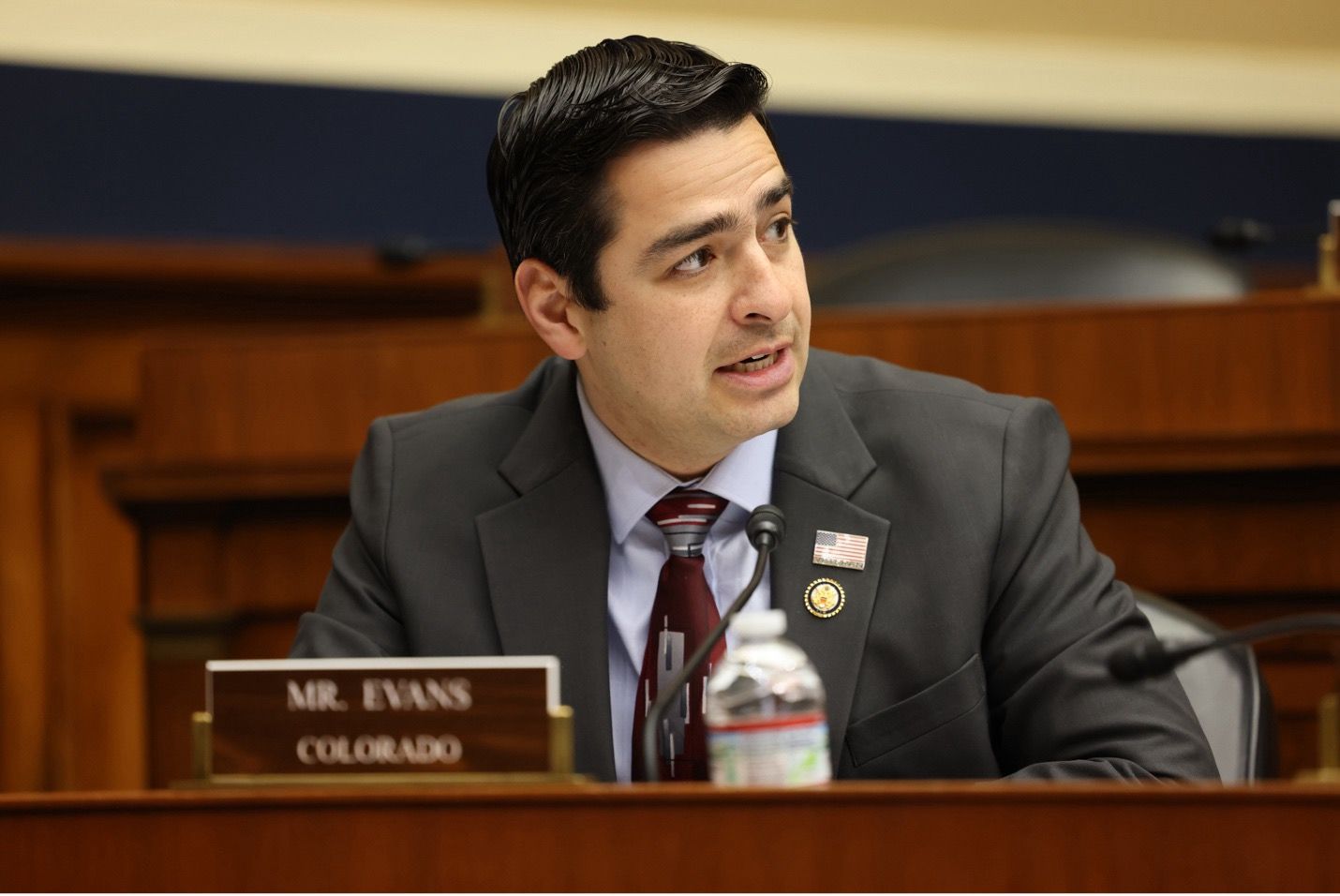
Evans FCMU.jpg

Congressman Gabe Evans (CO-08): “My commonsense bipartisan bill will help address a critical issue in western states that makes life less affordable for working families. My Fire Improvement and Reforming Exceptional Events Act, or FIRE Act, ensures that states like Colorado are not punished for smoke and emissions they can't control, while still maintaining strong environmental protections. We've heard the data, 70 percent of the emissions in Colorado originate from outside of the state's jurisdiction. This includes things like Canadian wildfires, Chinese pollution, and naturally occurring atmospheric events. But the resulting regulations that states like Colorado put onto industry and consumers are a leading cause of the affordability crisis facing families in my district.”

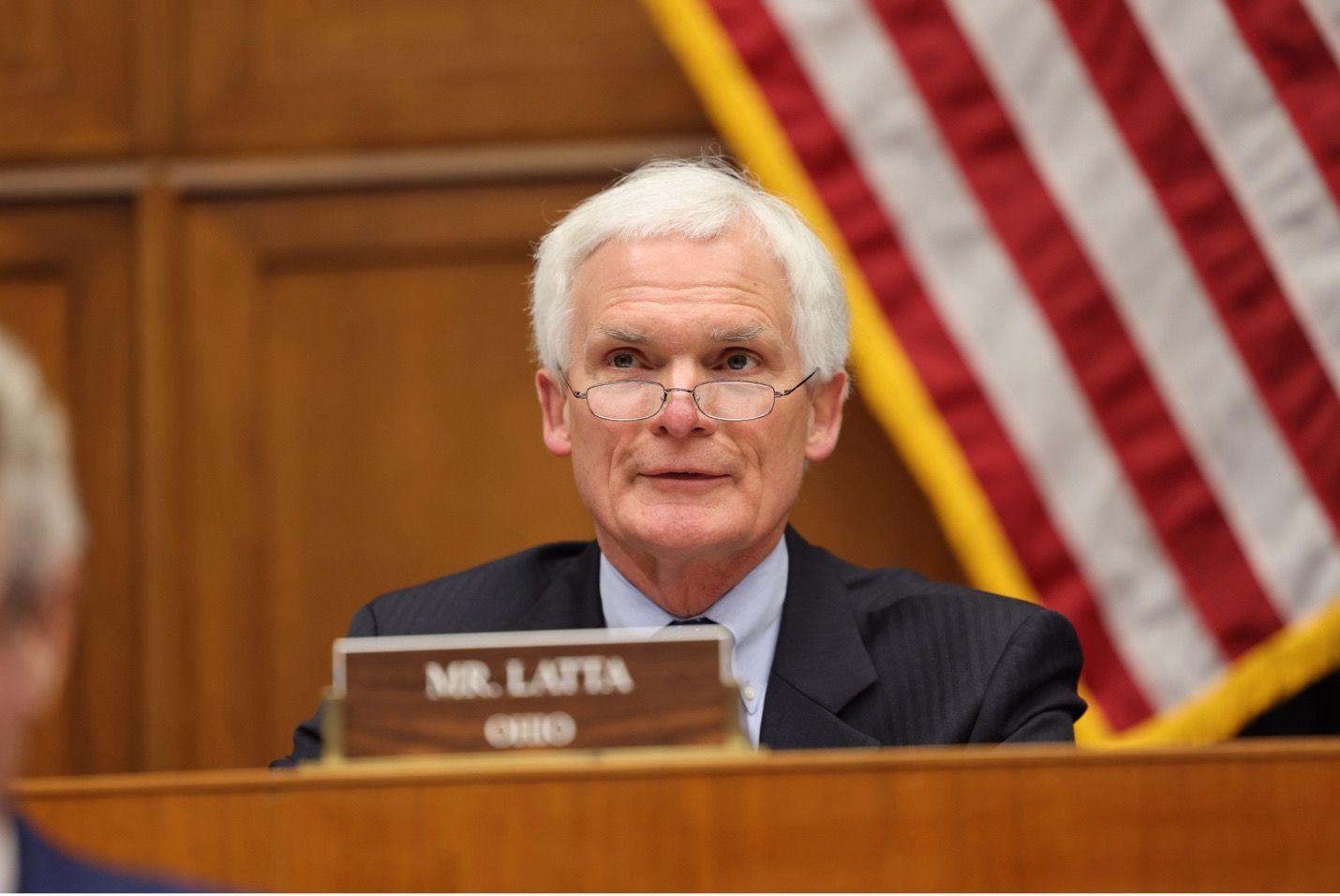
Latta FCMU.jpg

Congressman Bob Latta (OH-05): “H.R. 2072 will require the Federal Energy Regulatory Commission to extend the time period during which licensees are required to commence construction of certain hydropower projects. Hydropower is critical to part of our nation's energy mix, supplying power to approximately 30 million homes and businesses and accounting for 40 percent of our black start capacity, which means they can restart themselves without external power. The legislation requires the Federal Energy Regulatory Commission to extend the time period in which licensees are required to commence construction of relevant hydropower projects.”

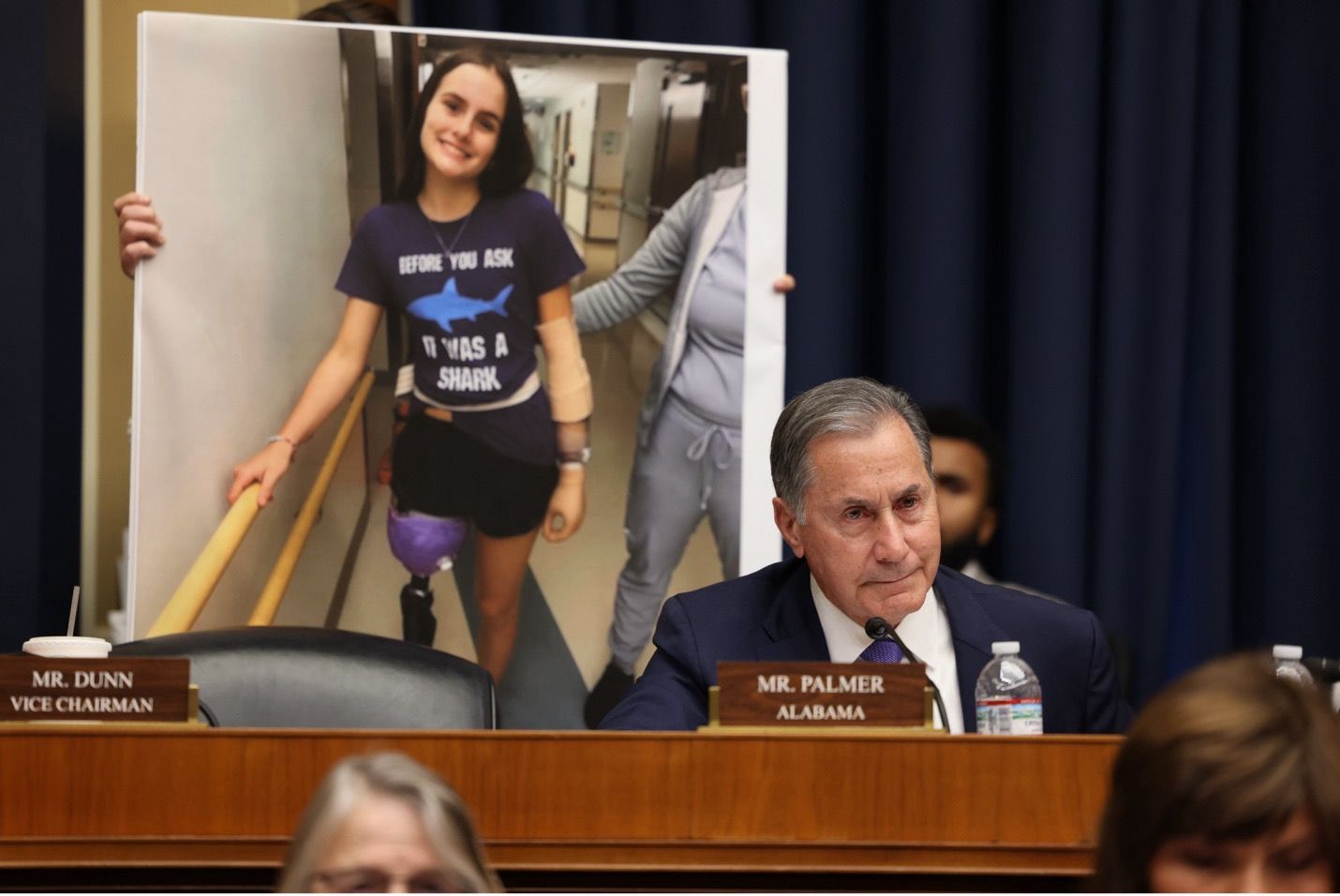
Palmer FCMU.jpg

Congressman Gary Palmer (AL-06): “Lulu's Law is named after Lulu Griffin who—at 15 years old—lost part of her left arm, her hand, and her right leg during a shark attack last year. Lulu's Law would enable authorities to quickly deploy wireless emergency alerts to the public if someone is attacked by a shark, or conditions for a shark attack are present nearby. About 90 minutes before Lulu was attacked, another woman about a mile down the beach had suffered critical injuries from the same shark. Passage of this bill will allow an alert system that will go out to cell phones to let people know to get their children out of the water, to get out of the water themselves in the event of a shark attack nearby.”