News

Hearings Updates


Feb 3, 2026
Hearings

O&I Subcommittee Holds Hearing on Ongoing Fraud in Medicare and Medicaid Programs

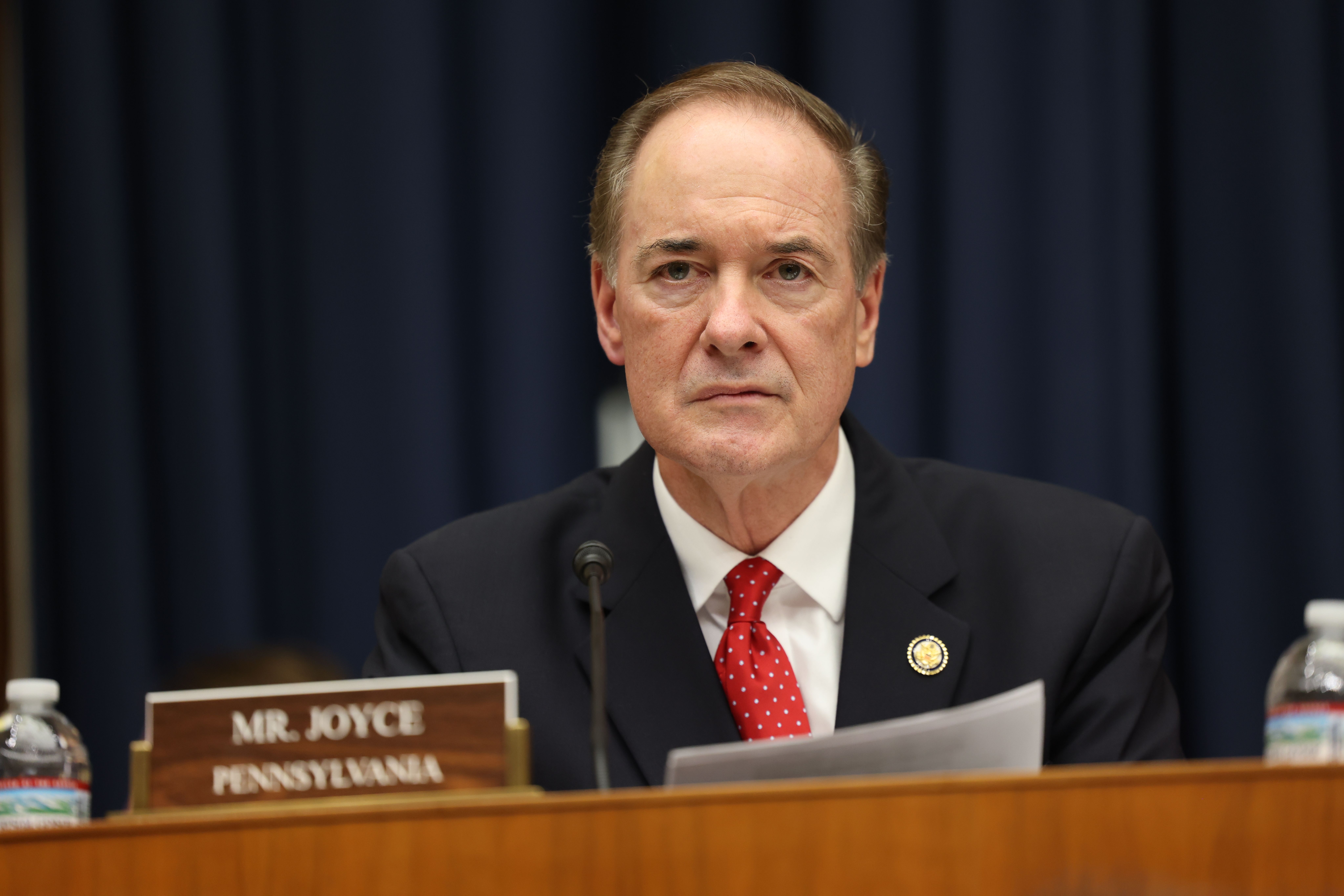
WASHINGTON, D.C. – Today, Congressman John Joyce, M.D. (PA-13), Chairman of the Subcommittee on Oversight and Investigations, led a hearing titled Common Schemes, Real Harm: Examining Fraud in Medicare and Medicaid.

“What’s happening in Minnesota’s Medicaid program is deeply concerning and requires robust Congressional oversight; however, it is just the tip of the iceberg,” said Chairman Joyce. “Medicare and Medicaid fraud has been occurring in communities across the U.S. for decades, diverting necessary resources from patients in need. It is our duty to protect these programs for our most vulnerable Americans.”

Watch the full hearing here.

Below are key excerpts from today's hearing:
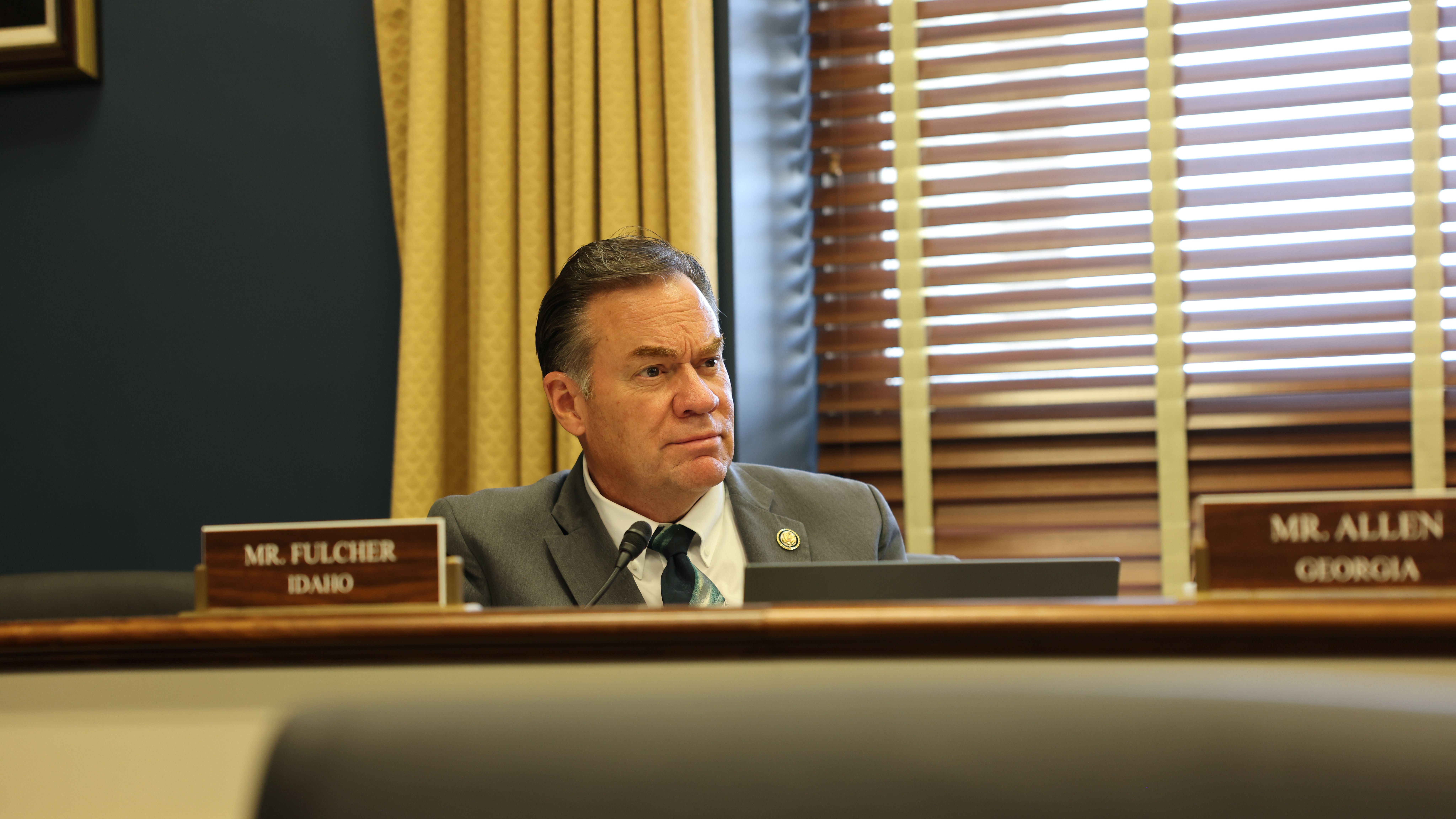
LH1A0870.JPG

Congressman Russ Fulcher (ID-01): “I’m from the state of Idaho—which, sometimes, may not be the first state you think about when there might be fraud, but that is kind of the basis of my question. Have you noticed any trends where states might get targeted or regions might get targeted as a function of potentially them having a lower barrier for entry, or maybe perceived as not being as likely to be audited?” Ms. Gay: “Absolutely. We talk a lot in the industry how [fraud] can be regionally generated. It tends to start in one particular area, and then I don’t know if they’re all hanging out, talking to each other, or how that spreads, but it does tend to start in certain populations and then branch out from there based on controls.” Mr. Fulcher: “What if the bad actor is a foreign actor? How much of that do you see? And if so, what kind of a challenge does that bring to potentially pursuing that fraud, if it’s perpetrated by a foreign actor?” Ms. Wooten: “Certainly, states have seen both fraud cases perpetrated by foreign and by U.S. citizens or people in the U.S., and from our perspective, as being a Medicaid Fraud Control Unit, it makes no difference. We look at allegations, try to identify whether there is something we can do about them? Is the dollar amount something we can pursue? Are we going to be able to get value back for the Medicaid program? Do we have the laws in place to prosecute whatever type of fraud is referred? And we move forward with that investigation.”
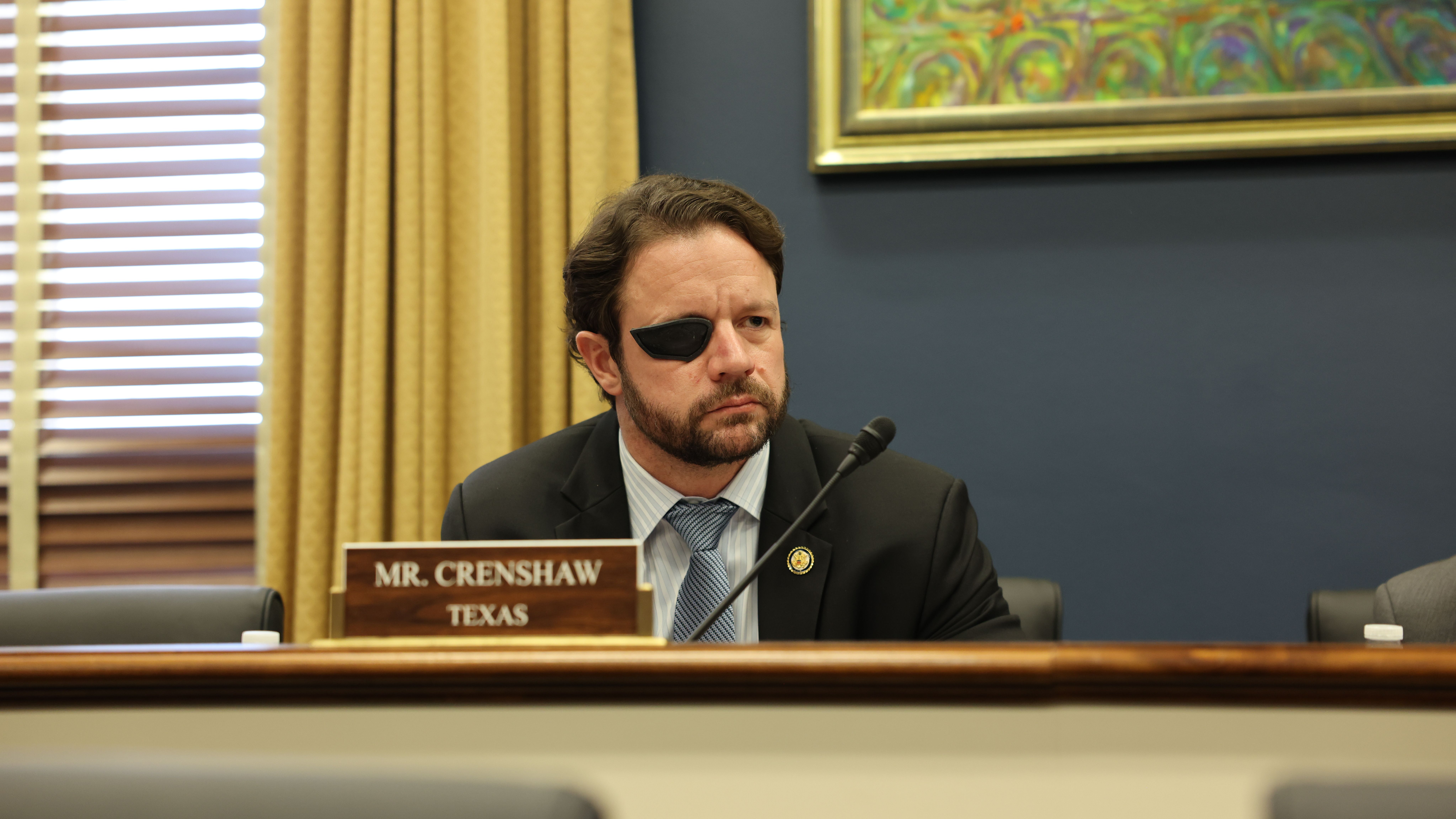
LH1A1035.JPG

Congressman Dan Crenshaw (TX-02): “So what’s the solution here? I mean, some argue stronger oversight would actually threaten access to care, but based on your experience, what actually happens to access when fraud is not controlled? Who bears the brunt of this?” Ms. Gay: “I think there’s certainly the patient-harm attribute you mentioned—you know, not getting the care that you need. […] We dealt with some cases with ACA enrollments, and by the time we verified with CMS that those were eligible recipients, the health plan was already on the hook for $1, $2, $3 million. Were these patients even receiving the care? In some cases, yes. In other cases, they had no idea that they were in a facility for such treatment. […] Now you have somebody that doesn’t even have that challenge, but that is now on their record. And even worse—those that do, that are getting subpar treatment at a very exorbitant rate and still not getting better.”
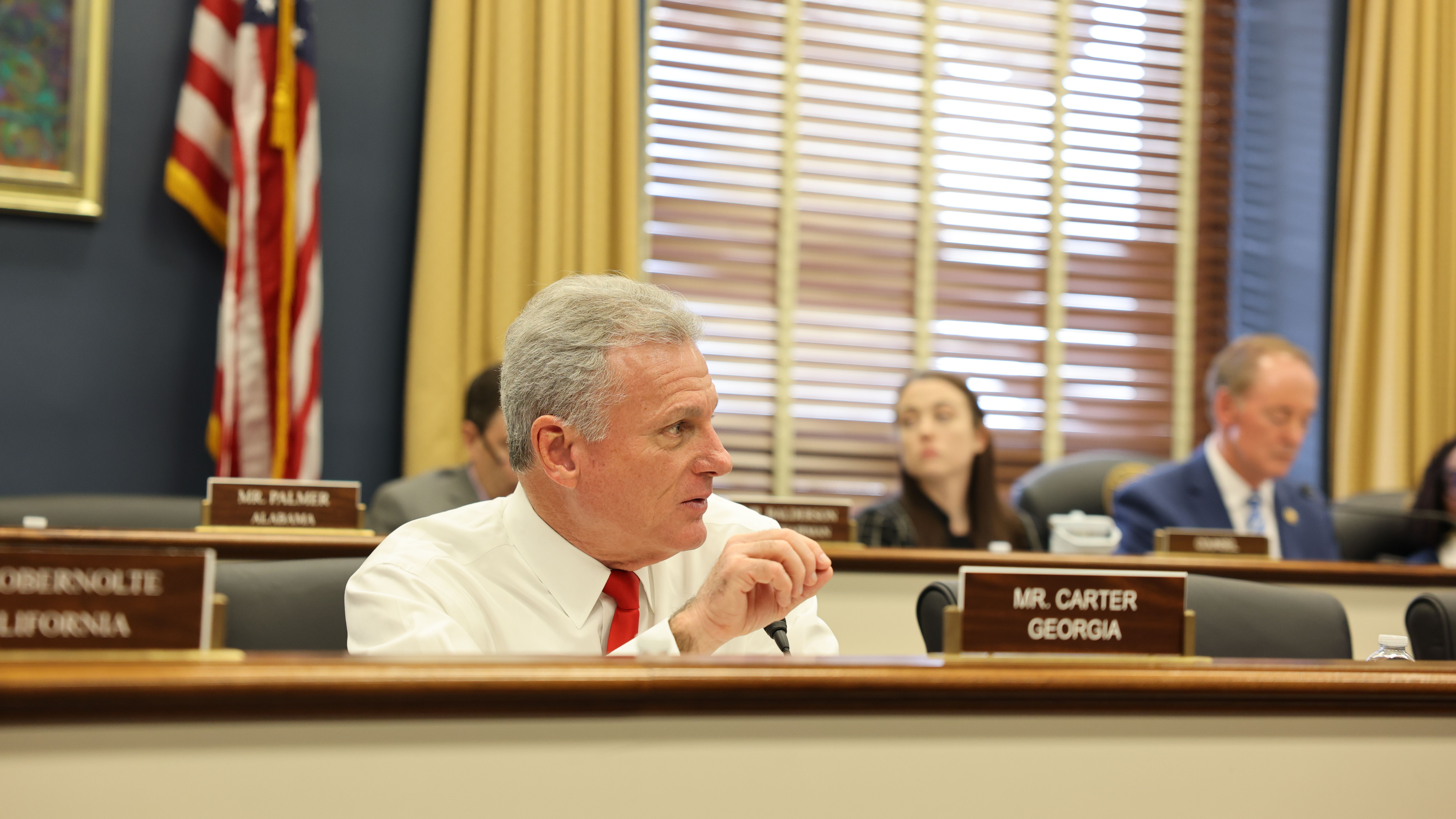
LH1A1129.JPG

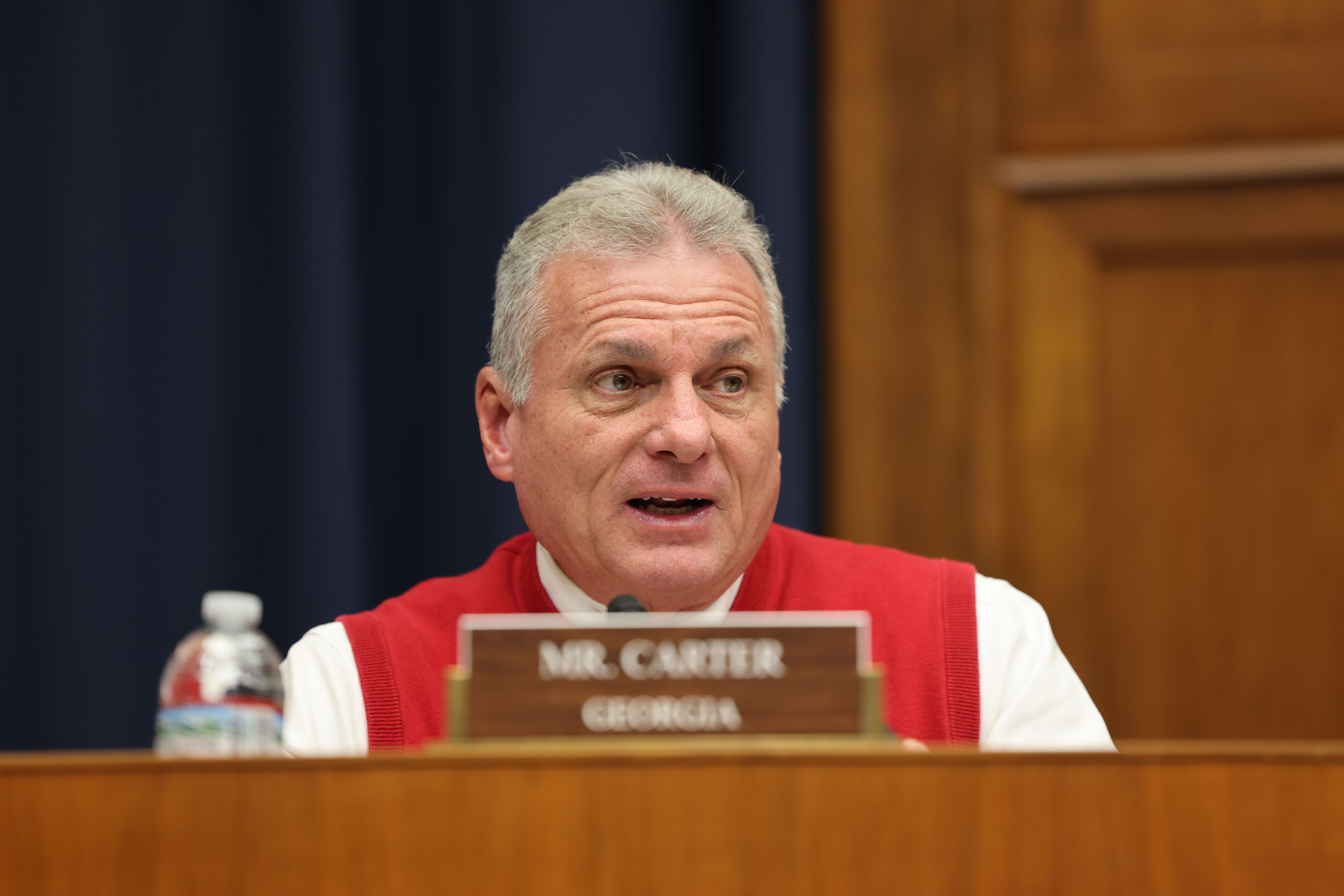
Congressman Buddy Carter (GA-01): “Auditors found 112 hospice providers operating out of a single physical address. 112...holy cow. As a result, hospice agencies in LA County alone likely overbilled Medicare by $105 million in just one year. […] It looks like it’s a problem in a lot of different places. And that’s why I want to ask you, Ms. Wooten, have you seen instances of copycats where fraudsters see a successful fraud scheme happening in one location, so they try to replicate the same fraud elsewhere?” Ms. Wooten: “Absolutely. We definitely see replicated fraud schemes in hospices; an excellent example. I share your concerns about home health and hospice because I owned a home health agency for many years, and I didn’t even choose to be a hospice because there were specialized agencies that could handle that part, and we would refer to them under the right circumstances. What we now see, though—hospices who are admitting patients who are not terminally ill, patients who don’t know they were put on hospice, patients who maybe aren’t getting treatments that they need, because the hospice philosophy, as you know, is for comfort care, not for treating illnesses. We have seen the same thing in Utah that the hospices have exploded. Now, I’m not saying they’re all fraudulent either, but absolutely; fraudsters learn from fraudsters and it’s an area we have to investigate.”

Dec 18, 2025
Environment

Environment Subcommittee Holds Hearing on the Current Statutory and Regulatory Landscape of PFAS

WASHINGTON, D.C. – Today, Congressman Gary Palmer (AL-06), Chairman of the Subcommittee on Environment, led a hearing titled Examining the Impact of EPA’s CERCLA Designation for Two PFAS Chemistries and Potential Policy Responses to Superfund Liability Concerns.

“CERLCA was enacted in 1980 to facilitate the cleanup of the most contaminated sites around the country and to establish a scheme to hold liable for cleanup costs the parties responsible for that contamination. Superfund imposes strict, and joint and several liability on parties,” said Chairman Palmer. “In other words, a responsible party could be responsible for the entire cost to cleanup a contaminated site even if its contribution to the pollution was minimal.”

Watch the full hearing here

Below are key excerpts from today’s hearing:

BV8A6008.JPG

Congressman John Joyce, M.D. (PA-13): “CERCLA was established to hold polluters liable for the cleanup of chemical contamination that they caused. This polluter pays liability framework is helpful in many instances where there is a need for expensive environmental cleanups, so that the party that generated or released the hazardous substance can be held responsible for the associated costs. However, the liability established by CERCLA does not stop with the polluters. Under the statute’s liability framework, any person who has had incurred costs related to the remediation of hazardous substances can file suit against not just polluters, but so-called passive receivers. These passive receivers are not involved in the initial generation or discharge of hazardous chemicals, but might receive water, soil or other materials containing such substances. Given how common the use of PFAS is, the 2024 final rule designating two PFAS chemistries as hazardous substances creates a system where many passive receivers will be drawn into costly legal proceedings for contamination that they bear little or absolutely no responsibility for having created.”

BV8A6346.JPG

Congresswoman Mariannette Miller-Meeks (IA-01): “As the Representative from Iowa, I take seriously our responsibility to protect public health and the environment while also ensuring that federal policies are fair, clear, and feasible in Iowa. Clean water affects our farmers, our rural communities, our drinking water systems, and our local employers, as well as families. Many of the entities now worried about the circle of liability like water utilities, wastewater facilities, landfills and farmers, who responsibly apply biosolids, did not create PFAS but could still be swept up in a liability scheme that is retroactive, strict, joint, and several. Cost to passive receivers is only one piece of the problem. We should also explore options that support swift remediation and provide the liability certainty necessary for American industry to focus on solutions that allow them to continue to invest in the US, rather than endless courtroom battles. At the same time, we should be encouraging innovation and American ingenuity. Iowa agriculture is already helping lead the way with promising alternatives to PFAS, including soy-based fire suppressants made from soybean meal. These kinds of homegrown solutions can reduce reliance on legacy chemicals, create new markets for farmers, and strengthen our economy without heavy handed mandates from Washington.”

BV8A6390.JPG

Congressman Buddy Carter (GA-01): “This is certainly an important hearing, and Mr. Chairman, I applaud you and thank you for holding it. […] We've established the fact that PFAS are used in a number of different areas and a number of different things, and consumer products and industrial purposes. And oftentimes they're used in life saving devices, electronics and firefighting foams. I'm going to touch on that in just a second, but while they're essential for everyday life and many life saving devices, its very complex nature makes the cleanup and the disposal difficult. So, I want to talk about the practicality of how we deal with this. I'm not denying we need to deal with it, I just want to talk about the practicality.”


Chairmen Guthrie and Bilirakis Announce Legislative Hearing on Protections for Children and Teens Online

WASHINGTON, D.C.  – Today, Congressman Brett Guthrie (KY-02), Chairman of the House Committee on Energy and Commerce, and Congressman Gus Bilirakis (FL-12), Chairman of the Subcommittee on Commerce, Manufacturing, and Trade, announced a hearing titled Legislative Solutions to Protect Children and Teens Online . “For too long, tech companies have failed to adequately protect children and teens from perils online. One week from today, this Committee will begin advancing a suite of online safety bills to address the challenges facing our kids in the digital age,” said Chairmen Guthrie and Bilirakis. “Parents and lawmakers both agree on the importance of enacting meaningful protections that can stand the test of time, so we look forward to this important first step.” Subcommittee on Commerce, Manufacturing, and Trade hearing titled Legislative Solutions to Protect Children and Teens Online. WHAT: Subcommittee on Commerce, Manufacturing, and Trade hearing to examine ways to protect children and teens online. DATE: Tuesday, December 2, 2025 TIME: 10:15 AM ET LOCATION: 2123 Rayburn House Office Building The hearing will focus on the following bills: H.R. 6291 , Children and Teens’ Online Privacy Protection Act (Reps. Walberg and Lee)  H.R. ____ , Kids Online Safety Act (Rep. Bilirakis)  H.R. ____ , Reducing Exploitative Social Media Exposure for Teens (RESET) Act (Rep. Houchin)  H.R. 2657 , Sammy’s Law (Reps. Wasserman Schultz and Carter-GA)   H.R. 3149 , App Store Accountability Act (Rep. James)  H.R. 1623 , Shielding Children's Retinas from Egregious Exposure on the Net (SCREEN) Act (Rep. Miller-IL)   H.R. 6290 , Safe Social Media Act (Reps. Bentz and Schrier)  H.R. 6253 , Algorithmic Choice and Transparency Act (Rep. Cammack)  H.R. 6259 , No Fentanyl on Social Media Act (Reps. Evans and Dingell)  H.R. 6289 , Promoting a Safe Internet for Minors Act (Reps. Lee and Soto)  H.R. ____ , Safeguarding Adolescents From Exploitative (SAFE) Bots Act (Reps. Houchin and Auchincloss)  H.R. ____ , Kids Internet Safety Partnership Act (Rep. Fry)  H.R. 5360 , AI Warnings And Resources for Education (AWARE) Act (Reps. Houchin and Auchincloss)  H.R. 6265 , Safer Guarding of Adolescents from Malicious Interactions on Network Games (GAMING) Act (Rep. Kean)  H.R. ____ , Assessing Safety Tools for Parents and Minors Act (Reps. Fulcher and Landsman)  H.R. 6273 , Stop Profiling Youth and (SPY) Kids Act (Rep. Miller-Meeks)  H.R. 6257 , Safe Messaging for Kids Act (Rep. Dunn)   H.R. 6292 , Don’t Sell Kids’ Data Act of 2025 (Rep. Pallone)  H.R. ____ , Parents Over Platforms Act (Reps. Auchincloss and Houchin) This notice is at the direction of the Chairman. The hearing will be open to the public and press and will be livestreamed online at energycommerce.house.gov . If you have any questions concerning this hearing, please contact Alex Khlopin at Alex.Khlopin@mail.house.gov . If you have any press-related questions, please contact Daniel Kelly at Daniel.Kelly@mail.house.gov . ###


Jun 11, 2025
Press Release

Chairman Carter Delivers Opening Statement at Subcommittee on Health Hearing on Strengthening Domestic Manufacturing and Our Health Care Supply Chain

WASHINGTON, D.C.  – Congressman Buddy Carter (GA-01), Chairman of the Subcommittee on Health, delivered the following opening statement at today’s hearing titled  Made In America: Strengthening Domestic Manufacturing And The Health Care Supply Chain. Subcommittee Chairman Carter's opening statement as prepared for delivery: “Today’s hearing is critical in addressing our nation’s reliance on adversarial countries for essential medications and health care products. This dependence not only jeopardizes our national security and patient safety, but also highlights the urgent need to increase domestic and friend-shored manufacturing. “Let me be clear: the United States should never be dependent on the Chinese Communist Party for the antibiotics and essential medicines. But that’s exactly the dangerous position we are in today. “In 2002, the United States manufactured 72 percent of the pharmaceuticals it consumed. By 2023, that number had dropped to just 37.5 percent. We didn’t just outsource manufacturing—we outsourced the sovereignty and safety of our health care system. “We saw the impacts of this reliance firsthand during the COVID-19 pandemic. According to a conversation I had with the Administration for Strategic Preparedness and Response, or ASPR, under the Trump Administration, the United States saw a downtick in the amount of PPE and pharmaceuticals coming to our country from China in the fall of 2019. We didn’t learn about COVID-19 until January 2020. “China knew there was an unidentified sickness in its own country, concealed it, and then withheld medical supplies so the United States was less prepared when COVID-19 hit our shores. “As both a pharmacist and a member of Congress, I know how critical these medicines and supplies are — especially for our national security. Under the Biden-Harris Administration, over 323 drugs were in shortage during the first quarter of 2024 – an all-time high – and cancer patients were often forced to switch treatments, adjust dosage regimens, or, in extreme cases, unable to receive their lifesaving medications. There was no comprehensive effort to support American manufacturers or reduce our reliance on foreign supply chains. “That is unacceptable. “Thankfully, President Trump is taking meaningful action by demanding real investment in our domestic production base and putting an end to decades of failed “America Last” policies that left our supply chains hollowed out and put our patients, constituents, and families at risk. “Under the leadership of President Trump, we are bringing manufacturing back to America. Since the start of this year – the start of President Trump’s second term – Johnson & Johnson broke ground on a new $2 billion facility in North Carolina, Amgen announced a $900 million manufacturing expansion in Ohio, AbbVie committed $10 billion to invest in the United States, and Sanofi announced plans to invest at least $20 billion.  “And these are just a few examples. This is just the start.  “I look forward to hearing from my other colleagues about the recent investments in their Districts and States during this hearing today, and I am thrilled to see what additional investments continue to flow and thrive under an Administration focused on unleashing innovation and bringing capacities back home.  “Along those lines, I commend recent efforts by this Administration to bolster domestic production, but we must do our part in Congress as well. This hearing will make it clear that more can be done to eliminate burdensome regulatory barriers, streamline processes that impede our competitiveness on the global stage, and establish the proper incentives to ensure we are creating the environment to allow innovation to flourish.  “It is no coincidence that Georgia – the No. 1 state in the nation to do business – is home to Manus Bio, who has invested nearly $60 million and created over 100 jobs with the acquisition of a new manufacturing facility in Augusta. We need more policies at the federal level that mirror the pro-growth examples we have in the state of Georgia.  “That is why House Republicans passed the One Big Beautiful Bill Act, which incentivizes domestic medical supply production by rewarding companies that build their products in America, like USAntibiotics, who is the last remaining end-to-end domestic U.S. manufacturer of amoxicillin, the most prescribed antibiotic in the country.  This is about protecting American lives, empowering American workers, restoring American sovereignty, and reinforcing U.S. leadership in medical innovation. “China is not our friend. Every product component that then turns into a vial of medicine or a piece of medical equipment that is made in China is a missed opportunity to strengthen our economy and protect our people. “It is time to act. We need to view pharmaceutical and health care supply chain independence just as we are viewing energy independence. I am proud to stand with President Trump and all those committed to putting America First in our health care system—starting with the medicines we rely on every day.” ###


Apr 2, 2025
Press Release

Subcommittee on Health Holds Hearing on Over-the-Counter Monograph Drugs

WASHINGTON, D.C. – Yesterday, Congressman Earl L. “Buddy” Carter (GA-01), Chairman of the Subcommittee on Health, led a hearing titled Examining the FDA’s Regulation of Over-the-Counter Monograph Drugs .  “Over-the-counter (OTC) medications help Americans live longer, healthier, and more comfortable lives. This hearing was critical to understanding the vital role that safe, reliable, and affordable OTC medications play in our nation’s overall health,” said Chairman Carter. “I look forward to working in a bipartisan manner to reauthorize the Over-the-Counter Monograph Drug User Fee Program so that we can continue to support FDA’s work to bring pharmaceutical manufacturing back to America and increase patient access to OTC medications.”   Watch the full hearing here .  Below are key excerpts from yesterday’s hearing : Congressman John Joyce (PA-13): “The United States is home to world leading medical innovation. In fact, I often talk about innovation being the cornerstone of American medicine, being the cornerstone of how I practice medicine. Unfortunately, the FDA’s inaction has prevented this innovation, allowing the rest of the world to access new active sunscreen ingredients that are unavailable to Americans. Can you expand upon some of the barriers that are hindering the great innovation by not utilizing the information that our friends and allies have access to?” Mr. D’Ruiz: “People don’t die from using sunscreen. They die from not using sunscreen, number one. And I think there is a large body of evidence worldwide indicating that the news of young sunscreen filters, which have been developed over the last 10 years, are much more efficient – you use less, there is less exposure, and they are much more effective in reducing the harmful effects of both UVA and B. And three, they are more sustainable in terms of environmental impact.” Congresswoman Kat Cammack (FL-13): “You have companies that are already doing things the right way. We don’t want to punish them by putting additional burdens on them to try to capture those companies that are not in compliance. How can we handle that?” Mr. Menzel: “I think that it’s an incredibly important point that we don’t need more regulation as it relates to this, so there needs to be predictability. The OMUFA program allows predictability. The monograph program allows predictability, allows for innovation, allows for speed.”   Congressman Bob Latta (OH-05): “The Over-the-Counter Monograph Drug User Fee Program (OMUFA) at the Food and Drug Administration has produced more than 100,000 safe and effective over-the-counter drugs, giving consumers access to manage their own care in a safe and affordable manner. The OMUFA program has also reduced the number of visits consumers need to make to a doctor to obtain a prescription for a simple treatment, reducing the burden on our health care systems. The OMUFA program has also increased access and choice for consumers. Could you provide examples of how this is beneficial to the public within the United States?” Mr. Menzel: “Yeah , absolutely, I think, in terms of the benefit to the US consumer, one of the items that I think continually needs to be reinforced is for every $1 spent in this space on over-the-counter medicines, it saves the United States health care system $7 in terms of doctor visit cost savings. Pharmaceutical alternatives to pharmaceutical cost savings, the other thing that system does is it allows for a shrinking of these healthcare deserts, where access would be limited, not just in rural areas, but also urban areas that are limited by access to health care.” ###


Apr 1, 2025
Hearings

Chairman Carter Delivers Opening Statement at Subcommittee on Health Hearing on Over-the-Counter Drug Regulation

WASHINGTON, D.C.  – Congressman Earl L. "Buddy" Carter (GA-01), Chairman of the Subcommittee on Health, delivered the following opening statement at today’s hearing titled  Examining the FDA’s Regulation of Over-the-Counter Monograph Drugs. Subcommittee Chairman Carter's opening statement as prepared for delivery: “I want to welcome everyone to today’s hearing on the Over-the-Counter Monograph Drug User Fee Program, referred to as “OMUFA.” I'm especially pleased that we're talking about the reauthorization of this program as almost 5 years to the date, the initial bill – sponsored by my good friend from Ohio, Representative Latta, as well as one of Georgia's finest, Senator Johnny Isakson – was signed into law by President Trump in March 2020. “The enactment of this program reformed and modernized the regulation of OTC monograph drugs and authorized the FDA to assess and collect user fees dedicated to OTC monograph drug activities. Industry and public health stakeholders supported these reforms, which have provided FDA with additional resources and tools to streamline the monograph process to increase access to quality commonly used drugs and self-care products for the American consumer. This program is designed to improve innovation, while maintaining the FDA ‘gold-standard’ of safety. “The current legislative authority for OMUFA expires September 30th, 2025 – at which point, new legislation will be required to reauthorize the Over-the-Counter Monograph User Fee program for another five-year term. “Over-the-counter medications are widely used to treat common ailments such as colds, headaches, and seasonal allergies. In fact, nearly 9 out of every 10 Americans use OTC medications regularly and trust these affordable remedies to get well and stay healthy. Safe, reliable, and affordable OTC drugs allow consumers to treat common ailments at home, usually without visiting a health care provider, saving the health care system billions annually. “Of particular note is a company called Symrise. They own and operate a manufacturing plant in Georgia’s First Congressional District. Symrise manufactures aroma molecules and fragrance ingredients, which are used in various consumer products across a number of product categories. They also manufacture two of the key UV filters that are commonly used in many OTC sunscreens on the market today.  “Sadly, Symrise’s Colonel’s Island plant experienced a serious fire in 2022. Symrise made the strategic decision to re-invest in the site and restore its capacity in my community, at a time when other companies were leaving. They successfully completed renovations and today, the plant is again fully operational, back at its pre-fire capacity. This is a real success story, and we are grateful for their commitment to Georgia. “We are also fortunate to have Mr. Kevin Menzel before our Committee today. Mr. Menzel is President of Focus Consumer Healthcare, which is a wholly owned subsidiary of Kobayashi Healthcare. Kobayashi was founded as a family company in 1886 in Japan. They established a presence in the United States in 1998, and maintain manufacturing and operations in Dalton, Georgia - employing 270 people with products ranging from OTC medicines and supplements, to recreational products like Hot Hands Hand Warmers. Georgia’s pro-business climate and infrastructure make it an ideal location for companies such as Kobayashi. In fact, just recently, Kobayashi began expanding its U.S. manufacturing footprint even further, with a significant announced investment in Georgia — doubling capacity to support ongoing growth and expand employment. “Success stories such as Symrise and Kobayashi highlight why it is critical for this Subcommittee to reauthorize the Over-the-Counter Monograph Drug User Fee Program in a timely manner. This program demonstrated the ability to bring more jobs back to America, while increasing access to safe, reliable, and affordable OTC drugs. “I look forward to hearing from our witnesses today and working with my colleagues on both sides of the aisle to reauthorize this program on time and through regular order.” ###


Mar 25, 2025
Press Release

Chairmen Guthrie and Carter Announce Subcommittee Hearing on Over-the-Counter Drug Regulation

WASHINGTON, D.C. – Today, Congressman Brett Guthrie (KY-02), Chairman of the House Committee on Energy and Commerce, and Congressman Earl L. “Buddy” Carter (GA-01), Chairman of the Subcommittee on Health, announced a hearing titled Examining the FDA’s Regulation of Over-the-Counter Monograph Drugs .  “From providing relief to headaches, to alleviating symptoms of the common cold, over-the-counter drugs play an important part in helping Americans live healthier lives,” said Chairmen Guthrie and Carter. “This hearing will give Members an opportunity to hear from experts and stakeholders and how the FDA’s Over-The-Counter Monograph Drug User Fee Program is working and what challenges may persist.”   Subcommittee on Health hearing titled Examining the FDA’s Regulation of Over-the-Counter Monograph Drugs   WHAT : Subcommittee on Health hearing to discuss how the Food and Drug Administration regulates over-the-counter drugs.   DATE : Tuesday, April 1, 2025   TIME : 10:15 AM ET   LOCATION : 2123 Rayburn House Office Building   This notice is at the direction of the Chairmen. The hearing will be open to the public and press and will be live streamed online at energycommerce.house.gov . If you have any questions concerning the hearing, please contact Emma Schultheis with the Committee staff at Emma.Schultheis@mail.house.gov . If you have any press-related questions, please contact Matthew VanHyfte at Matthew.VanHyfte@mail.house.gov . ###


Mar 6, 2025
Press Release

Subcommittee on Communications and Technology Holds Hearing Addressing Broadband Deployment

WASHINGTON, D.C. – Yesterday, the House Committee on Energy and Commerce Subcommittee on Communications and Technology held a hearing titled Fixing Biden’s Broadband Blunder . “I hope this new Congress and the urgency of this moment will inspire bipartisan cooperation on this effort. We must do everything we can to remove these unnecessary barriers to deployment,” said Chairman Hudson. “Unserved Americans have waited too long for the promise of connectivity. But now is the moment to close the digital divide once and for all.” Watch the full hearing here . Below are key excerpts from yesterday's hearing: Representative Neal Dunn (FL-02): “We spent 65 billion in the Infrastructure, Investment, and Jobs Act, the IIJA, to support broadband activities, and we have nothing to show for it. We have a poster that shows how much money was put into a number of these different programs – not all of them, just some of the bigger ones. In fact, they’re over 130 programs in total.” Representative Buddy Carter (GA-01): “Let’s face it, the past 4 years under the Biden Harris administration has been nothing short of a disaster for broadband deployment and expansion to America, and it’s because of the permitting process. Permitting delays have, have resulted in And, and, and the can and halting the construction of Bo band infrastructure, even in my own district of, of Georgia in the first congressional district.” Representative Erin Houchin (IN-09): “Back in the Indiana State Senate, I worked on broadband legislation trying to get access to unserved areas. As noted in some of your testimonies, we have seen overbuilding technologies that are picking winners and losers in some of these funding opportunities. One of the things that I wanted to do is make sure that any broadband that was deployed went to areas that had zero access first and then we would build to uh toward higher speeds.” ###


Feb 27, 2025
Press Release

Subcommittee on Health Holds Hearing to Scrutinize Abusive PBM Practices

WASHINGTON, D.C. – Congressman Earl L. “Buddy” Carter (GA-01), Chairman of the Subcommittee on Health, led a hearing yesterday titled An Examination of How Reining in PBMs Will Drive Competition and Lower Costs for Patients . “Patients are counting on us to stop the abusive practices that drive up out-of-pocket costs on their prescription drugs,” said Chairman Carter. “This Committee has worked to identify bipartisan solutions that will meaningfully help patients access their medications. Yesterday’s hearing gave us a chance to further hear from medical professionals and policy experts on why reining in PBMs and increasing transparency in the system will improve our health care system for all Americans.” Watch the full hearing here . Below are key excerpts from yesterday’s hearing: Rep. Diana Harshbarger (TN-01) : “I say this in every PBM hearing, and I'm going to say it again today. PBMs don't treat a single patient. They don't cure a single disease, and they don't insure a single American. So, the bottom line is: it's all about the patients, isn't it, gentlemen? It certainly is and how they're losing access to pharmacy choice. It’s those pharmacies who, in most communities, are your independent pharmacies which are the most trusted and the most readily available healthcare provider in that community. So, PBM reform is a bipartisan issue, and you know what that means? That means that both sides agree on this issue. It's not an issue of contention. It's important that we get some PBM reform done.” Rep. Mariannette Miller-Meeks (IA-01) : “It's no secret that PBM middlemen artificially inflate the cost of and limit access to prescription drugs. This occurs at the expense of patients who receive health insurance in public and private markets and impacts patients of all ages. PBMs claim they reduce prices by holding pharmaceutical companies accountable. This is done, they contend, by requiring rebates on drugs, which are then passed on to the beneficiary. While PBMs often do negotiate discounts for manufacturers, patients are not the ones who benefit from them. In Medicare Part D, for example, patient cost sharing is based off the list price of drugs, which are artificially inflated to extract a higher rebate. As a result, of these practices for 79 of the 100 most rebated drugs in Medicare Part D, beneficiaries pay more for their drug than their insurer. Again, demonstrating that beneficiaries, in this case, seniors are not benefiting from the rebates.” Rep. Troy Balderson (OH-12) : “As a result of PBM's indecent practices, independent pharmacies around the country are closing. I know that in my district we are not strangers to this issue. I hear from my friends, family, and constituents alike that their trusted pharmacies have closed after decades of serving their communities. Pharmacy deserts have continued to grow and patients no longer have access to patient pharmacist relationships that has helped them manage complex medication regimes and diseases. It's estimated that between 2018 and 2021 alone, the number of pharmacies has declined in 41 states. So, this is not just an Ohio problem. This is not a rural problem. This is a countrywide issue that needs addressed.” ###