News

All Updates


Feb 3, 2026
Hearings

O&I Subcommittee Holds Hearing on Ongoing Fraud in Medicare and Medicaid Programs

WASHINGTON, D.C. – Today, Congressman John Joyce, M.D. (PA-13), Chairman of the Subcommittee on Oversight and Investigations, led a hearing titled Common Schemes, Real Harm: Examining Fraud in Medicare and Medicaid.

“What’s happening in Minnesota’s Medicaid program is deeply concerning and requires robust Congressional oversight; however, it is just the tip of the iceberg,” said Chairman Joyce. “Medicare and Medicaid fraud has been occurring in communities across the U.S. for decades, diverting necessary resources from patients in need. It is our duty to protect these programs for our most vulnerable Americans.”

Watch the full hearing here.

Below are key excerpts from today's hearing:
LH1A0870.JPG

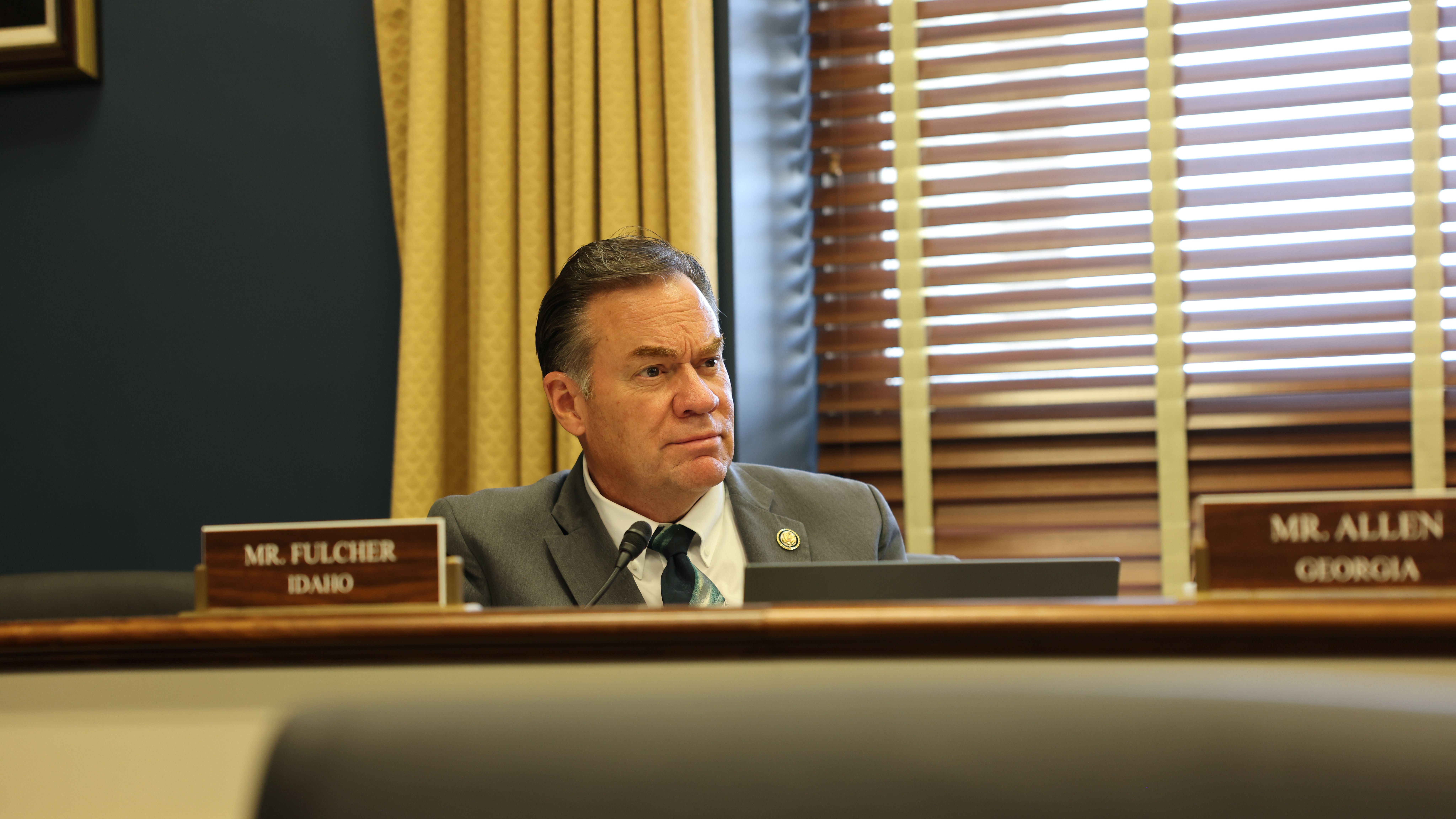
Congressman Russ Fulcher (ID-01): “I’m from the state of Idaho—which, sometimes, may not be the first state you think about when there might be fraud, but that is kind of the basis of my question. Have you noticed any trends where states might get targeted or regions might get targeted as a function of potentially them having a lower barrier for entry, or maybe perceived as not being as likely to be audited?” Ms. Gay: “Absolutely. We talk a lot in the industry how [fraud] can be regionally generated. It tends to start in one particular area, and then I don’t know if they’re all hanging out, talking to each other, or how that spreads, but it does tend to start in certain populations and then branch out from there based on controls.” Mr. Fulcher: “What if the bad actor is a foreign actor? How much of that do you see? And if so, what kind of a challenge does that bring to potentially pursuing that fraud, if it’s perpetrated by a foreign actor?” Ms. Wooten: “Certainly, states have seen both fraud cases perpetrated by foreign and by U.S. citizens or people in the U.S., and from our perspective, as being a Medicaid Fraud Control Unit, it makes no difference. We look at allegations, try to identify whether there is something we can do about them? Is the dollar amount something we can pursue? Are we going to be able to get value back for the Medicaid program? Do we have the laws in place to prosecute whatever type of fraud is referred? And we move forward with that investigation.”
LH1A1035.JPG

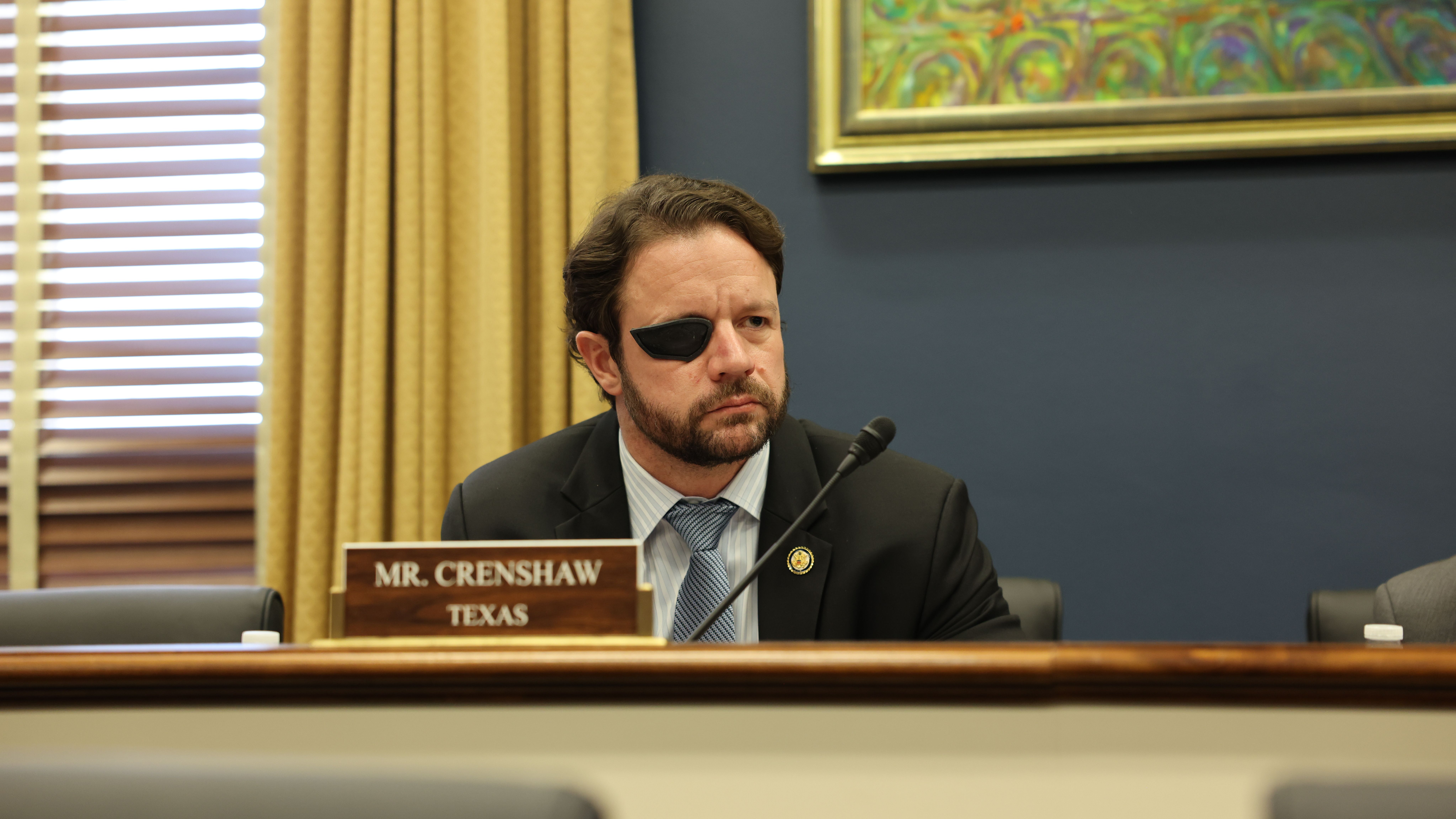
Congressman Dan Crenshaw (TX-02): “So what’s the solution here? I mean, some argue stronger oversight would actually threaten access to care, but based on your experience, what actually happens to access when fraud is not controlled? Who bears the brunt of this?” Ms. Gay: “I think there’s certainly the patient-harm attribute you mentioned—you know, not getting the care that you need. […] We dealt with some cases with ACA enrollments, and by the time we verified with CMS that those were eligible recipients, the health plan was already on the hook for $1, $2, $3 million. Were these patients even receiving the care? In some cases, yes. In other cases, they had no idea that they were in a facility for such treatment. […] Now you have somebody that doesn’t even have that challenge, but that is now on their record. And even worse—those that do, that are getting subpar treatment at a very exorbitant rate and still not getting better.”
LH1A1129.JPG

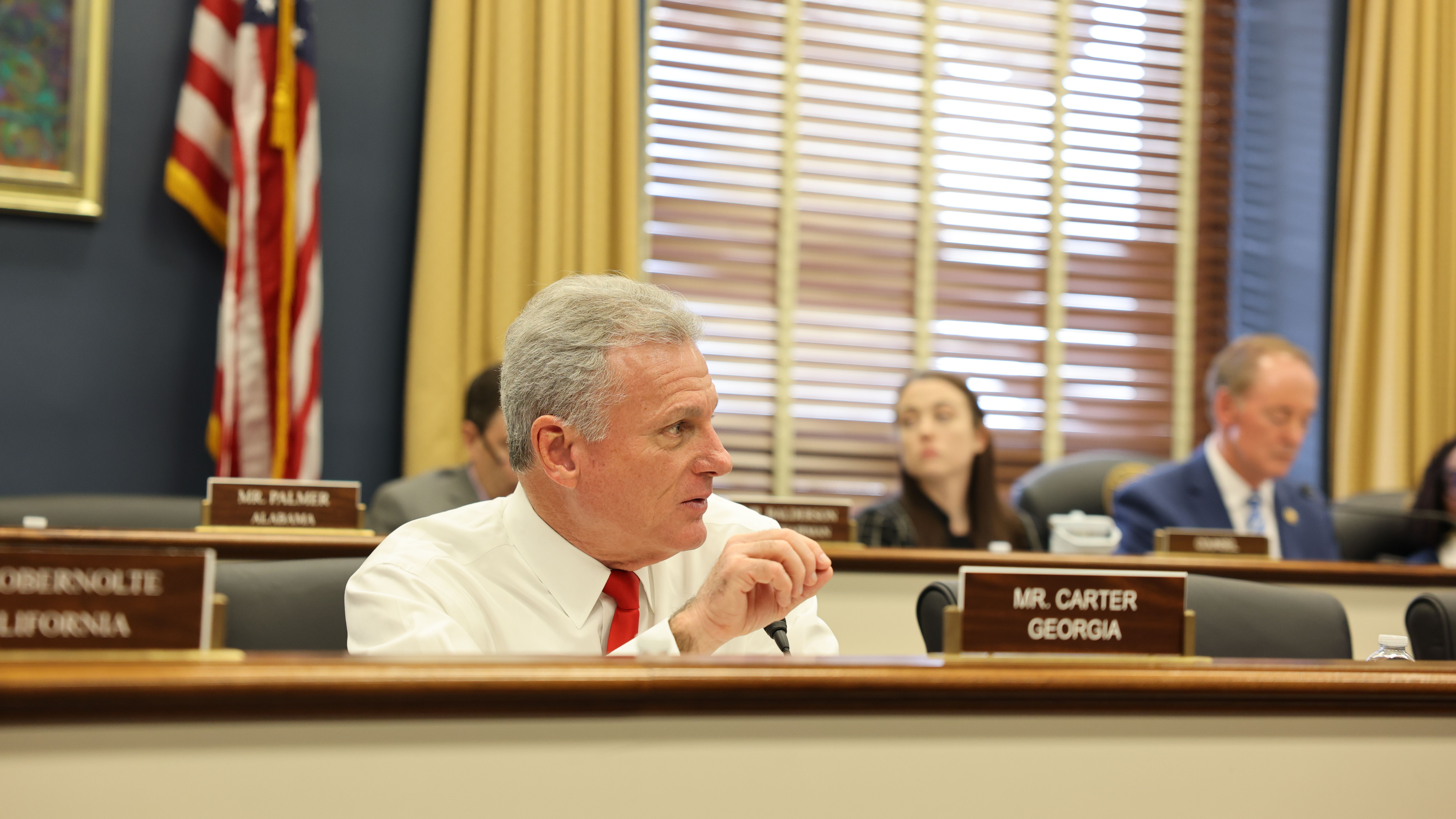
Congressman Buddy Carter (GA-01): “Auditors found 112 hospice providers operating out of a single physical address. 112...holy cow. As a result, hospice agencies in LA County alone likely overbilled Medicare by $105 million in just one year. […] It looks like it’s a problem in a lot of different places. And that’s why I want to ask you, Ms. Wooten, have you seen instances of copycats where fraudsters see a successful fraud scheme happening in one location, so they try to replicate the same fraud elsewhere?” Ms. Wooten: “Absolutely. We definitely see replicated fraud schemes in hospices; an excellent example. I share your concerns about home health and hospice because I owned a home health agency for many years, and I didn’t even choose to be a hospice because there were specialized agencies that could handle that part, and we would refer to them under the right circumstances. What we now see, though—hospices who are admitting patients who are not terminally ill, patients who don’t know they were put on hospice, patients who maybe aren’t getting treatments that they need, because the hospice philosophy, as you know, is for comfort care, not for treating illnesses. We have seen the same thing in Utah that the hospices have exploded. Now, I’m not saying they’re all fraudulent either, but absolutely; fraudsters learn from fraudsters and it’s an area we have to investigate.”
C&T Subcommittee Forwards Public Safety Communications Bills to Full Committee

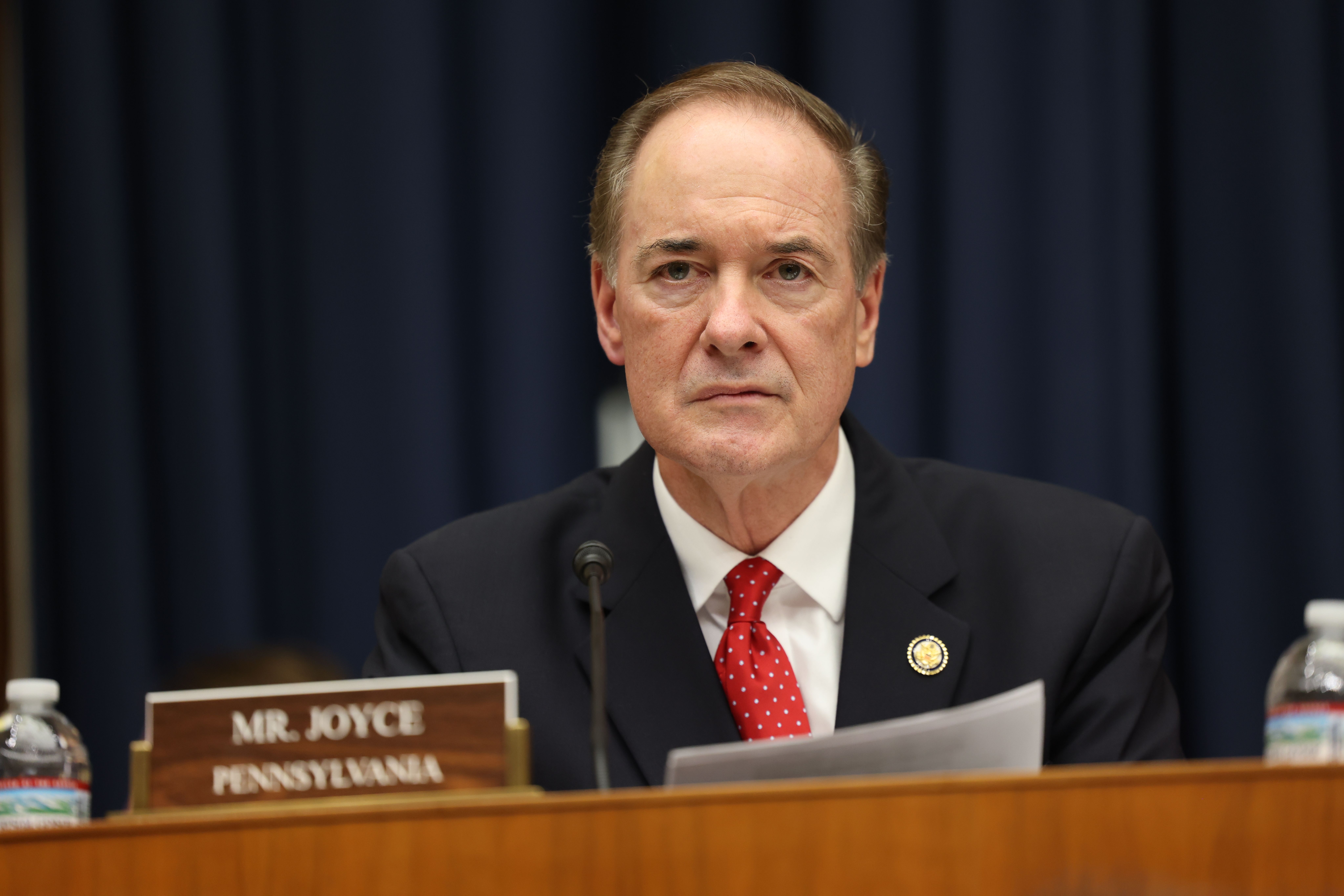
WASHINGTON, D.C. – Today, Congressman Richard Hudson (NC-09), Chairman of the Subcommittee on Communications and Technology, led a markup of several public safety communications bills.

“Our public safety and law enforcement officers put their lives on the line every day to help us in our times of need, and we must make sure they have the best tools to do their jobs and best serve all Americans,” said Chairman Hudson. “I want to thank my colleagues for their continued commitment to this issue and for their work developing these proposals.”

Legislative Vote Summary:

  • H.R. 6505, Next Generation 9-1-1 Act, was forwarded without amendment to the Full Committee by a voice vote.
  • H.R. 2076, LuLu’s Law, was forwarded without amendment to the Full Committee by a voice vote.
  • H.R. 5200, Emergency Reporting Act, was forwarded without amendment to the Full Committee by a voice vote.
  • H.R. 5201, Kari’s Law Reporting Act, was forwarded without amendment to the Full Committee by a voice vote.
  • H.R. 7022, Mystic Alerts Act, was forwarded without amendment to the Full Committee by a voice vote.
  • H.R. 1519, Public Safety Communications Act, was forwarded without amendment to the Full Committee by a voice vote.

Watch the full hearing here .

Below are key excerpts from today’s markup:

BV8A0837 copy.JPG

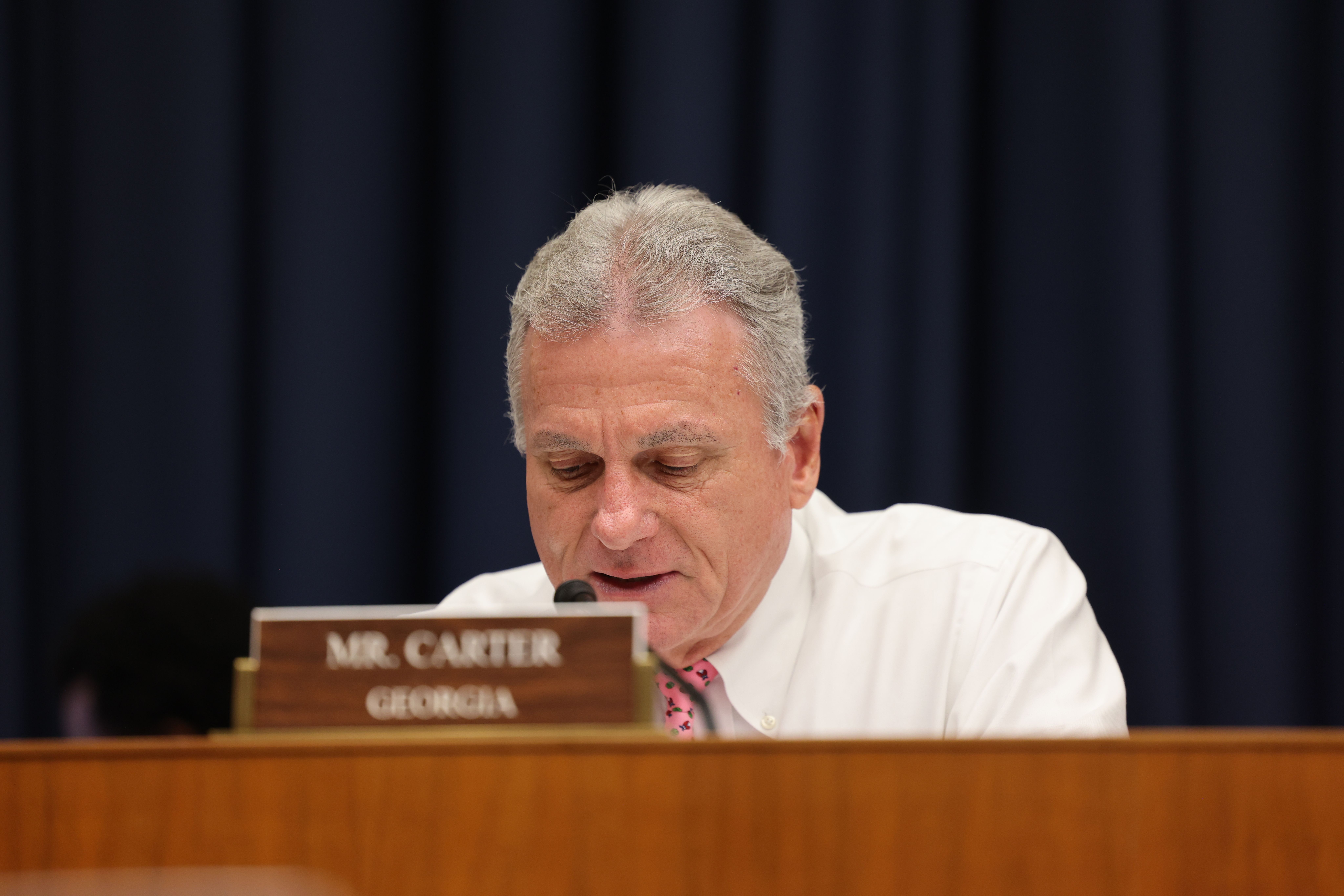
Congressman Buddy Carter (GA-01) on the Mystic Alerts Act: “The Mystic Alerts Act strengthens our emergency alerting framework by directing the FCC to establish standards and requirements that allow alerts to be delivered via satellite connectivity, ensuring redundancy when traditional networks are down, by incorporating satellite-based capabilities. This bill helps ensure emergency alerts can reach rural communities, disaster zones and other hard to reach areas, improving resilience and saving lives during floods, wildlife, wildfires, hurricanes and other emergencies. This legislation honors the victims of the Camp Mystic flood by taking meaningful action to prevent similar tragedies and by making our emergency communications system more reliable, modern, and resilient.”

BV8A0797.JPG

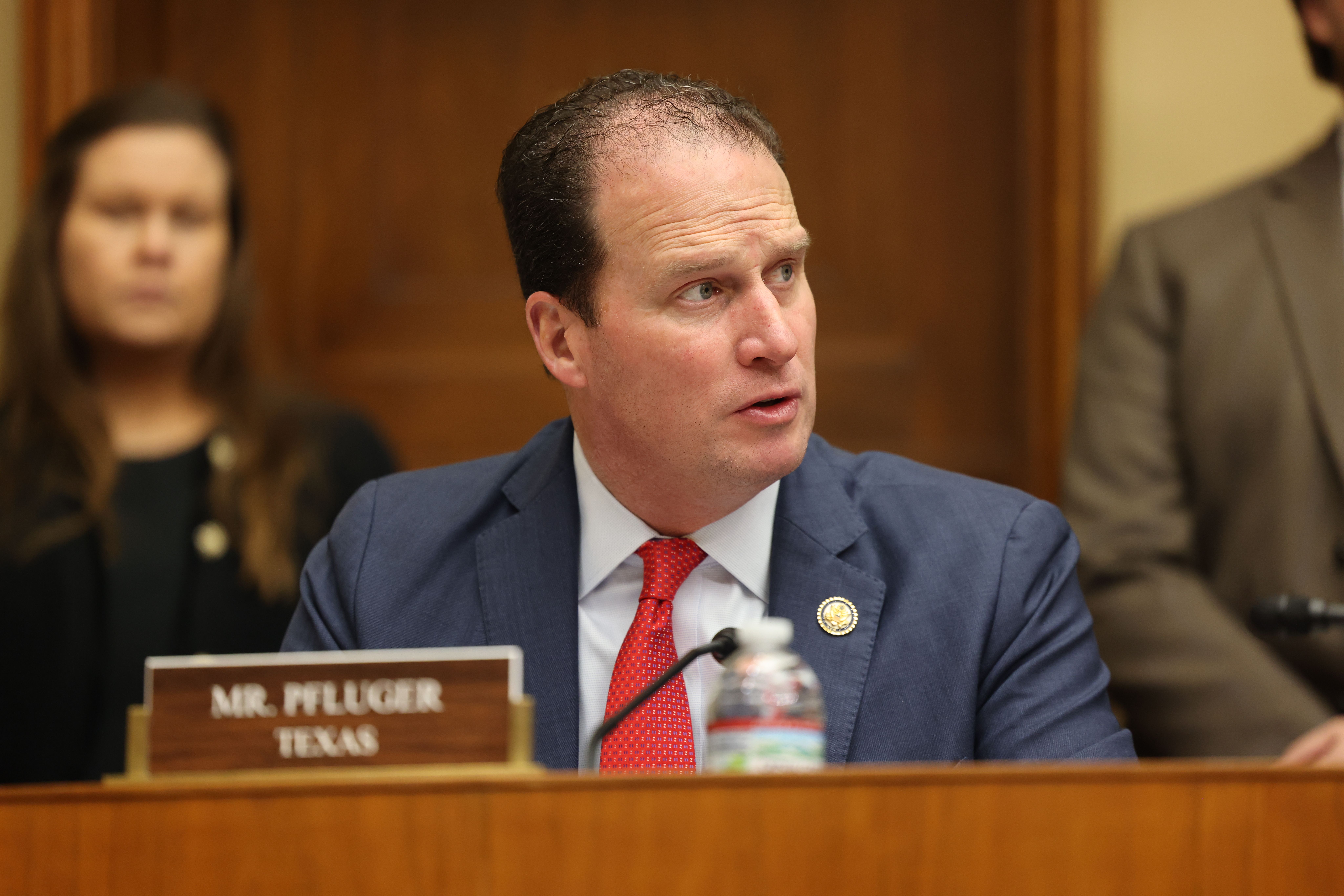
Congressman August Pfluger (TX-11) on the Mystic Alerts Act: “Today, too many Americans lose access to alerts when cellular infrastructure is damaged, overwhelmed, or nonexistent—particularly in rural areas—and this bill helps to close that gap by ensuring emergency alerts can still be delivered via satellite when traditional networks fail. […] There is still work to be done to incorporate technical assistance into this legislation, but moving the Mystic Alerts Act forward is a meaningful step toward modernizing public safety communications, closing dangerous gaps in emergency alert coverage, and ensuring Americans can receive critical information when it matters the most.”

BV8A0851.JPG

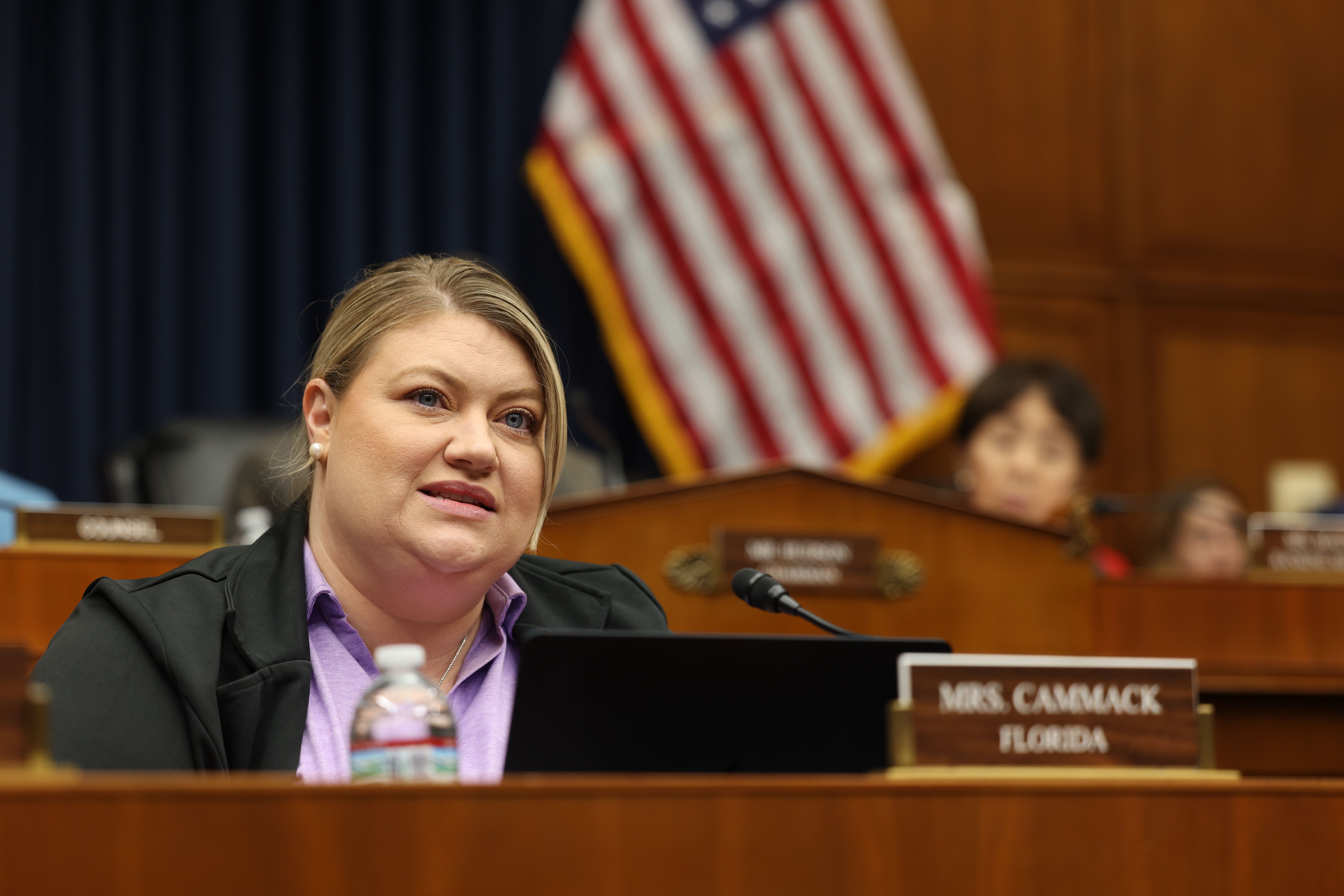
Congresswoman Kat Cammack (FL-03) on the Public Safety Communications Act: “This bill strengthens federal coordination for Next Gen 911, ensuring that states have a clear, accountable partner as they modernize their emergency systems. Public safety communications should never be political, fragmented, or unclear. Right now, they are. This bill fixes that. It keeps public safety in charge, reduces confusion and strengthens accountability where it belongs. I appreciate the engagement from our public safety stakeholders and remain committed to the collaboration as we move this bill forward.”


Dec 18, 2025
Environment

Environment Subcommittee Holds Hearing on the Current Statutory and Regulatory Landscape of PFAS

WASHINGTON, D.C. – Today, Congressman Gary Palmer (AL-06), Chairman of the Subcommittee on Environment, led a hearing titled Examining the Impact of EPA’s CERCLA Designation for Two PFAS Chemistries and Potential Policy Responses to Superfund Liability Concerns.

“CERLCA was enacted in 1980 to facilitate the cleanup of the most contaminated sites around the country and to establish a scheme to hold liable for cleanup costs the parties responsible for that contamination. Superfund imposes strict, and joint and several liability on parties,” said Chairman Palmer. “In other words, a responsible party could be responsible for the entire cost to cleanup a contaminated site even if its contribution to the pollution was minimal.”

Watch the full hearing here

Below are key excerpts from today’s hearing:

BV8A6008.JPG

Congressman John Joyce, M.D. (PA-13): “CERCLA was established to hold polluters liable for the cleanup of chemical contamination that they caused. This polluter pays liability framework is helpful in many instances where there is a need for expensive environmental cleanups, so that the party that generated or released the hazardous substance can be held responsible for the associated costs. However, the liability established by CERCLA does not stop with the polluters. Under the statute’s liability framework, any person who has had incurred costs related to the remediation of hazardous substances can file suit against not just polluters, but so-called passive receivers. These passive receivers are not involved in the initial generation or discharge of hazardous chemicals, but might receive water, soil or other materials containing such substances. Given how common the use of PFAS is, the 2024 final rule designating two PFAS chemistries as hazardous substances creates a system where many passive receivers will be drawn into costly legal proceedings for contamination that they bear little or absolutely no responsibility for having created.”

BV8A6346.JPG

Congresswoman Mariannette Miller-Meeks (IA-01): “As the Representative from Iowa, I take seriously our responsibility to protect public health and the environment while also ensuring that federal policies are fair, clear, and feasible in Iowa. Clean water affects our farmers, our rural communities, our drinking water systems, and our local employers, as well as families. Many of the entities now worried about the circle of liability like water utilities, wastewater facilities, landfills and farmers, who responsibly apply biosolids, did not create PFAS but could still be swept up in a liability scheme that is retroactive, strict, joint, and several. Cost to passive receivers is only one piece of the problem. We should also explore options that support swift remediation and provide the liability certainty necessary for American industry to focus on solutions that allow them to continue to invest in the US, rather than endless courtroom battles. At the same time, we should be encouraging innovation and American ingenuity. Iowa agriculture is already helping lead the way with promising alternatives to PFAS, including soy-based fire suppressants made from soybean meal. These kinds of homegrown solutions can reduce reliance on legacy chemicals, create new markets for farmers, and strengthen our economy without heavy handed mandates from Washington.”

BV8A6390.JPG

Congressman Buddy Carter (GA-01): “This is certainly an important hearing, and Mr. Chairman, I applaud you and thank you for holding it. […] We've established the fact that PFAS are used in a number of different areas and a number of different things, and consumer products and industrial purposes. And oftentimes they're used in life saving devices, electronics and firefighting foams. I'm going to touch on that in just a second, but while they're essential for everyday life and many life saving devices, its very complex nature makes the cleanup and the disposal difficult. So, I want to talk about the practicality of how we deal with this. I'm not denying we need to deal with it, I just want to talk about the practicality.”


Dec 10, 2025
Press Release

Environment Subcommittee Advances Clean Air Act Permitting Bills to Full Committee

WASHINGTON, D.C. – Today, Congressman Gary Palmer (AL-06), Chairman of the Subcommittee on Environment, led a markup of several bills to reform permitting under the Clean Air Act. “No one questions that the Clean Air Act has been important in helping to improve air quality since the law was first enacted more than half a century ago. However, the law has not been significantly amended since 1990 and has not kept pace to meet the economic and security risks facing this country,” said Chairman Palmer. “The commonsense permitting reforms contained in these seven bills are needed to improve the Clean Air Act so the United States can continue to be the world leader in economic prosperity, technological innovation, and environmental quality.” Legislative Vote Summary: H.R. 6409 , the Foreign Emissions and Nonattainment Clarification for Economic Stability (FENCES) Act, was reported to the full committee, by a roll call vote of 14 Yeas to 11 Nays. H.R. 4218 , the Clean Air and Economic Advancement Reform (CLEAR) Act, was reported to the full committee, by a roll call vote of 14 Yeas to 10 Nays. H.R. 6387 , the Fire Improvement and Reforming Exceptional Events (FIRE) Act, was reported to the full committee, by a roll call vote of 13 Yeas to 10 Nays. H.R. 4214 , the Clean Air and Building Infrastructure Improvement Act, was reported to the full committee, by a roll call vote of 12 Yeas to 10 Nays. H.R. 161 , the New Source Review Permitting Improvement Act, was reported to the full committee, by a roll call vote of 12 Yeas to 11 Nays. H.R. 6373 , the Air Permitting Improvements to Protect National Security Act, was reported to the full committee, by a roll call vote of 12 Yeas to 10 Nays. H.R. 6398 , the Reducing and Eliminating Duplicative Environmental Regulations (RED Tape) Act, was reported to the full committee, by a roll call vote of 12 Yeas to 10 Nays. Watch the full markup here . Below are key excerpts from today’s markup: Congressman Buddy Carter (GA-01) on H.R. 4218, the Clean Air and Economic Advancement Reform (CLEAR) Act: “This is not about choosing between the environment and development. This is about common sense. We should not penalize states that are impacted by events out of their control, and they should not be penalized for taking action to prevent exceptional events. Georgia is a top state for business in America. It has been for 12 years. Even with our growth, Georgia's air has never been cleaner since monitoring began years ago. As our witnesses stated in legislative hearing we had on this bill, if we give our state officials the time they truly need to implement regulations, while also ensuring that they are not punished for background levels from natural sources, we can have lasting, meaningful policy and economic growth.” Congressman August Pfluger (TX-11) on H.R. 6409, the Foreign Emissions and Nonattainment Clarification for Economic Stability (FENCES) Act: “Back home in my district in the Permian Basin, we saw this play out recently when the Biden EPA floated a possible non-attainment designation that created real uncertainty. Even the hint of non-attainment sends a signal that permits could slow down, costs could rise, and long-term planning becomes harder for producers and communities alike at no fault of their own. That experience made it clear that these designations are too consequential to get wrong. Local communities should not be burdened by regulatory consequences tied to emissions that come from foreign sources or unavoidable natural events. The FENCES Act levels the playing field, sets the table for fairness, and it's about giving states regulatory certainty. It's about keeping American industries competitive while still upholding environmental standards.” Congressman John Joyce, M.D. (PA-13) on H.R.6398, the RED Tape Act: “This bill eliminates the requirement for the EPA to conduct a duplicative review and publicly comment on other agencies Environmental Impact Statements. This legislation keeps in place the initial environmental review required for federal projects and regulations under NEPA. It simply eliminates a bureaucratic and redundant secondary review that only serves to further delay the permitting and construction of critical projects. In order for America to remain competitive in the global economy, we must take steps to ensure timely and predictable outcomes for any new projects or regulations.” ###


Dec 9, 2025
Press Release

Chairmen Guthrie and Bilirakis Announce CMT Subcommittee Markup of Online Safety Bills

WASHINGTON, D.C.  – Today, Congressman Brett Guthrie (KY-02), Chairman of the House Committee on Energy and Commerce, and Congressman Gus Bilirakis (FL-12), Chairman of the Subcommittee on Commerce, Manufacturing, and Trade, announced a subcommittee markup of 18 bills to protect children and teens online. WHAT : Subcommittee on Commerce, Manufacturing, and Trade markup of 18 bills. DATE: Thursday, December 11, 2025 TIME: 10:15 AM ET LOCATION: 2123 Rayburn House Office Building Items to be considered: H.R. 6290 , Safe Social Media Act (Reps. Bentz and Schrier) H.R. 6259 , No Fentanyl on Social Media Act (Reps. Evans and Dingell) H.R. 6289 , Promoting a Safe Internet for Minors Act (Reps. Lee-FL and Soto) H.R. 6437 , Kids Internet Safety Partnership Act (Reps. Fry and Landsman) H.R. 5360 , AI Warnings And Resources for Education (AWARE) Act (Reps. Houchin and Auchincloss) H.R. 6499 , Assessing Safety Tools for Parents and Minors Act (Reps. Fulcher and Landsman) H.R. 2657 , Sammy’s Law (Reps. Wasserman Schultz and Carter-GA) H.R. 6265 , Safer Guarding of Adolescents from Malicious Interactions on Network Games (GAMING) Act (Rep. Kean) H.R. 6273 , Stop Profiling Youth and (SPY) Kids Act (Rep. Miller-Meeks) H.R. 6253 , Algorithmic Choice and Transparency Act (Rep. Cammack) H.R. 6489 , Safeguarding Adolescents From Exploitative (SAFE) Bots Act (Rep. Houchin) H.R. 1623 , Shielding Children's Retinas from Egregious Exposure on the Net (SCREEN) Act (Rep. Miller-IL) H.R. 6257 , Safe Messaging for Kids Act of 2025 (Rep. Dunn) H.R. 3149 , App Store Accountability Act (Rep. James) H.R. 6333 , Parents Over Platforms Act (Reps. Auchincloss and Houchin) H.R. 6292 , Don’t Sell Kids’ Data Act of 2025 (Rep. Pallone) H.R. 6484 , Kids Online Safety Act (Rep. Bilirakis) H.R. 6291 , Children and Teens’ Online Privacy Protection Act (Reps. Walberg and Lee-FL) This notice is at the direction of the Chairman. The hearing will be open to the public and press and will be livestreamed online at energycommerce.house.gov . If you have any questions concerning this hearing, please contact Alex Khlopin at Alex.Khlopin@mail.house.gov . If you have any press-related questions, please contact Daniel Kelly at Daniel.Kelly@mail.house.gov . ###


Dec 3, 2025
Markups

E&C Advances Fifteen Bills to the Full House of Representatives

WASHINGTON, D.C. – Today, the House Committee on Energy and Commerce, led by Chairman Brett Guthrie (KY-02), reported fifteen pieces of legislation to the full House of Representatives. “Under the Biden-Harris Administration, the Department of Energy issued efficiency regulations for nearly every appliance in American households. Energy efficiency is important as a general matter, but it’s a major problem when regulations are drafted to meet arbitrary standards despite diminishing returns on actual, cost-effective gains in efficiency,” said Chairman Guthrie. “Closing the digital divide and expanding access to reliable broadband will further drive American wireless and AI leadership. I see this first-hand in parts of my district that still lack the service they need to take full advantage of the digital economy.” Legislative Vote Summary: H.R. 1343 , Federal Broadband Deployment Tracking Act, was reported to the full House by a roll call vote of 49 yeas – 0 nays. H.R. 1588 , Facilitating DIGITAL Applications Act, was reported to the full House by a roll call vote of 50 yeas – 0 nays. H.R. 1665 , DIGITAL Applications Act, was reported to the full House by a roll call vote of 51 yeas – 0 nays. H.R. 1681 , Expediting Federal Broadband Deployment Act, was reported to the full House by a roll call vote of 51 yeas – 0 nays. H.R. 1731 , Standard FEES Act, was reported to the full House by a roll call vote of 49 yeas – 0 nays. H.R. 6046 , Broadband and Telecommunications RAIL Act, was reported to the full House by a roll call vote of 51 yeas – 0 nays. H.R. 2289 , American Broadband Deployment Act of 2025, was reported to the full House by a roll call vote of 26 yeas – 24 nays. H.R. 3474 , Federal Mechanical Insulation Act, was reported to the full House by a roll call vote of 51 yeas – 0 nays. H.R. 3699 , Energy Choice Act, was reported to the full House by a roll call vote of 24 yeas – 21 nays. H.R. 5184 , Affordable Housing Over Mandating Efficiency Standards (Affordable HOMES) Act, was reported to the full House by a roll call vote of 30 yeas – 16 nays. H.R. 4690 , Reliable Federal Infrastructure Act, was reported to the full House by a roll call vote of 27 yeas – 21 nays. H.R. 4593 , Saving Homeowners from Overregulation With Exceptional Rinsing (SHOWER) Act, was reported to the full House by a roll call vote of 28 yeas – 20 nays. H.R. 4758 , Homeowner Energy Freedom Act, was reported to the full House by a roll call vote of 25 yeas – 21 nays. H.R. 4626 , Don’t Mess With My Home Appliances Act, was reported to the full House by a roll call vote of 26 yeas – 22 nays. H.R. 1355 , Weatherization Enhancement and Readiness Act of 2025, was reported, as amended, to the full House by a roll call vote of 50 yeas – 0 nays. Watch the full markup here . Below are key excerpts from today’s markup: Congressman Buddy Carter (GA-01) on the American Broadband Deployment Act of 2025: “This bill brings together proposals from my Republican colleagues to cut red tape and speed broadband deployment. It streamlines approvals for new infrastructure by ensuring fees reflect actual cost, setting clear and timely permitting deadlines, and giving providers relief if they are wrongfully denied access. [...] These reforms will accelerate investment, lower barriers, and help connect all Americans.” Congressman Rick Allen (GA-12) on the Don’t Mess With My Home Appliances Act: “Under the guise of energy efficiency, the Biden-Harris Administration waged a four-year war on domestic fossil energy and consumer choice. And it was American families that that paid the price. From gas stoves, refrigerators, freezers, washers, dryers, dishwashers, and air conditioners, no household appliance was off limits in their pursuit of a radical rush to green agenda. And we can't allow that to happen again. […] These are common sense changes that will ensure certainty for manufacturers and consumers and allow consumer choice." Congressman Russell Fry (SC-07) on the SHOWER Act: “The affordability issue was caused by the Biden Administration and congressional Democrats turning a blind eye to what was happening in America when inflation rose 11%, 12%, 20%. They turned a blind eye to inflation rising faster than incomes to meet it. They turned a blind eye to a president who literally sleepwalked through his entire presidency, and the American people suffered for it."


Chairmen Guthrie and Bilirakis Announce Legislative Hearing on Protections for Children and Teens Online

WASHINGTON, D.C.  – Today, Congressman Brett Guthrie (KY-02), Chairman of the House Committee on Energy and Commerce, and Congressman Gus Bilirakis (FL-12), Chairman of the Subcommittee on Commerce, Manufacturing, and Trade, announced a hearing titled Legislative Solutions to Protect Children and Teens Online . “For too long, tech companies have failed to adequately protect children and teens from perils online. One week from today, this Committee will begin advancing a suite of online safety bills to address the challenges facing our kids in the digital age,” said Chairmen Guthrie and Bilirakis. “Parents and lawmakers both agree on the importance of enacting meaningful protections that can stand the test of time, so we look forward to this important first step.” Subcommittee on Commerce, Manufacturing, and Trade hearing titled Legislative Solutions to Protect Children and Teens Online. WHAT: Subcommittee on Commerce, Manufacturing, and Trade hearing to examine ways to protect children and teens online. DATE: Tuesday, December 2, 2025 TIME: 10:15 AM ET LOCATION: 2123 Rayburn House Office Building The hearing will focus on the following bills: H.R. 6291 , Children and Teens’ Online Privacy Protection Act (Reps. Walberg and Lee)  H.R. ____ , Kids Online Safety Act (Rep. Bilirakis)  H.R. ____ , Reducing Exploitative Social Media Exposure for Teens (RESET) Act (Rep. Houchin)  H.R. 2657 , Sammy’s Law (Reps. Wasserman Schultz and Carter-GA)   H.R. 3149 , App Store Accountability Act (Rep. James)  H.R. 1623 , Shielding Children's Retinas from Egregious Exposure on the Net (SCREEN) Act (Rep. Miller-IL)   H.R. 6290 , Safe Social Media Act (Reps. Bentz and Schrier)  H.R. 6253 , Algorithmic Choice and Transparency Act (Rep. Cammack)  H.R. 6259 , No Fentanyl on Social Media Act (Reps. Evans and Dingell)  H.R. 6289 , Promoting a Safe Internet for Minors Act (Reps. Lee and Soto)  H.R. ____ , Safeguarding Adolescents From Exploitative (SAFE) Bots Act (Reps. Houchin and Auchincloss)  H.R. ____ , Kids Internet Safety Partnership Act (Rep. Fry)  H.R. 5360 , AI Warnings And Resources for Education (AWARE) Act (Reps. Houchin and Auchincloss)  H.R. 6265 , Safer Guarding of Adolescents from Malicious Interactions on Network Games (GAMING) Act (Rep. Kean)  H.R. ____ , Assessing Safety Tools for Parents and Minors Act (Reps. Fulcher and Landsman)  H.R. 6273 , Stop Profiling Youth and (SPY) Kids Act (Rep. Miller-Meeks)  H.R. 6257 , Safe Messaging for Kids Act (Rep. Dunn)   H.R. 6292 , Don’t Sell Kids’ Data Act of 2025 (Rep. Pallone)  H.R. ____ , Parents Over Platforms Act (Reps. Auchincloss and Houchin) This notice is at the direction of the Chairman. The hearing will be open to the public and press and will be livestreamed online at energycommerce.house.gov . If you have any questions concerning this hearing, please contact Alex Khlopin at Alex.Khlopin@mail.house.gov . If you have any press-related questions, please contact Daniel Kelly at Daniel.Kelly@mail.house.gov . ###


C&T Subcommittee Forwards Broadband Permitting Bills to Full Committee

WASHINGTON, D.C.  – Today, Congressman Richard Hudson (NC-09), Chairman of the Subcommittee on Communications and Technology, led a markup of several broadband permitting bills.  “There is no better time than now to enact these bills. We are on the verge of closing the digital divide. After four years of delays caused by the Biden-Harris Administration, deployment will soon begin through the $42.45 billion Broadband Equity, Access, and Deployment (or BEAD) program , ”   said Chairman Hudson.   “But for this program to succeed, permitting reform is essential. Otherwise, all this money will be tied up in unnecessary reviews and bureaucratic delays. We cannot let the millions of unserved and underserved Americans continue waiting for the connectivity they need simply because we failed to modernize outdated rules.” Legislative Vote Summary: H.R. 1343 , Federal Broadband Deployment Tracking Act, was forwarded without amendment to the Full Committee, by a voice vote. H.R. 1588 , Facilitating DIGITAL Applications Act, was forwarded without amendment to the Full Committee, by a voice vote. H.R. 1665 , DIGITAL Applications Act, was forwarded without amendment to the Full Committee, by a voice vote. H.R. 1681 , Expediting Federal Broadband Deployment Act, was forwarded without amendment to the Full Committee, by a voice vote. H.R. 1731 , Standard FEES Act, was forwarded without amendment to the Full Committee, by a voice vote.  H.R. 6046 , the Broadband and Telecommunications RAIL Act, was forwarded, as amended, to the Full Committee by a voice vote. H.R. 2289 , Proportional Reviews for Broadband Deployment Act , was forwarded, as amended, to the Full Committee by a roll call vote of 16 Yeas to 12 Nays. NOTE:  21 bills that had been noticed were included in an amendment to H.R. 2289, the Proportional Reviews for Broadband Deployment Act. Watch the full markup  here .  Below are key excerpts from today’s markup: Congressman Buddy Carter (GA-01) on the Proportional Reviews for Broadband Deployment Act:  “This straightforward reform will remove a key barrier to broadband deployment, especially on federal lands, where reviews can take more than two years. This amendment combines legislation led by every one of my Republican colleagues on this committee, and I would like to thank them for their thoughtful proposals to bring affordable broadband to their communities quickly and ensure that taxpayer dollars are not wasted on more red tape.”  Congressman August Pfluger (TX-11) on the Federal Broadcast Deployment Tracking Act:   “At the last hearing we had on this issue, we heard several detailed examples from providers across telecommunications spectrum outlining the urgent need for this legislation. [...] Passing the federal broadband deployment tracking act would be a crucial step towards fixing this process and closing the digital divide, creating a more connected future for all Americans.” Congresswoman Erin Houchin (IN-09) on the CABLE Competition Act:   “The bottom line is competition lowers prices and certainly attracts capital. The CABLE Competition Act delivers both, allowing consumers to keep the contract, cut the delays and delivering families better service at a better price.”  ###


Sep 11, 2025
Health

Health Subcommittee Advances Public Health Reauthorization Bills to Full Committee

WASHINGTON, D.C. – Yesterday, Congressman Morgan Griffith (VA-09), Chairman of the Subcommittee on Health, led a markup of several public health reauthorization bills. “As we must do with every authorization bill that moves through this committee, it is critical that we evaluate the impacts these programs have had, and not only ensure the money is being spent as it was originally intended, but also ensure patient privacy is protected ,” said Chairman Griffith. “ Considering each of these reauthorizations is an important step forward to ensure each program is working as intended, and we will continue to examine these programs as we move to full committee .” Legislative Vote Summary: H.R. 4262 , To reauthorize programs related to health professions education, and for other purposes, was reported to the full committee by a voice vote. H.R. 3593 , Title VIII Nursing Workforce Reauthorization Act of 2025, was reported to the full committee by a voice vote. H.R. 2493 , Improving Care in Rural America Reauthorization Act of 2025, was reported to the full committee by a voice vote. H.R. 3419 , To amend the Public Health Service Act to reauthorize the telehealth network and telehealth resource centers grant programs, was reported to the full committee by a voice vote. H.R. 3302 ,  Healthy Start Reauthorization Act of 2025, was reported to the full committee by a voice vote. H.R. 2846 , To amend title II of the Public Health Service Act to include as an additional right or privilege of commissioned officers of the Public Health Service (and their beneficiaries) certain leave provided under title 10, United States Code to commissioned officers of the Army (or their beneficiaries), was reported to the full committee by a voice vote. H.R. 4709 ,  Newborn Screening Saves Lives Reauthorization Act of 2025, was reported to the full committee by a voice vote Watch the full markup here . Below are key excerpts from today’s markup: Congressman Buddy Carter (GA-01) on the To amend the Public Health Service Act to reauthorize the telehealth network and telehealth resource centers grant programs : “This bill reauthorizes the telehealth network and telehealth resource centers grant programs, administered by the Health Resources and Services Administration. These programs aim to improve access to telehealth services by providing technical assistance and other support methods to providers in rural and frontier communities, so patients in these areas can more easily access necessary telehealth services. Approximately 22,000 patients across the country have benefited from these programs. We must continue these vital resources to help improve health outcomes in underserved communities.” Chairman John Joyce (PA-13) on the Improving Care in Rural America Reauthorization Act of 2025: “The Improving Care in Rural America [Reauthorization Act] is legislation that accomplishes something that is so important for the constituents that don't have that access to screening, that don't have that access to care, and it is important that we reauthorize this. Representative Carter, in his legislation, understands that rural America is often left behind. This is a bipartisan piece of legislation that addresses that issue, that understands that we have a responsibility to all of our constituents, to all of America.”